Most of us don’t spend a lot of time thinking about the shape of our feet.
If you have a bunion, though, you might be focusing more on this part of your body, especially if you have pain when walking and exercising. Unfortunately, if you’re a woman, you’re more likely to develop a bunion.
The good news is that if the bunion doesn’t cause you pain, surgery isn’t necessary; there are ways you may prevent pain from a bunion and ways to potentially keep a bunion from getting worse.
What is a bunion (hallux valgus)?
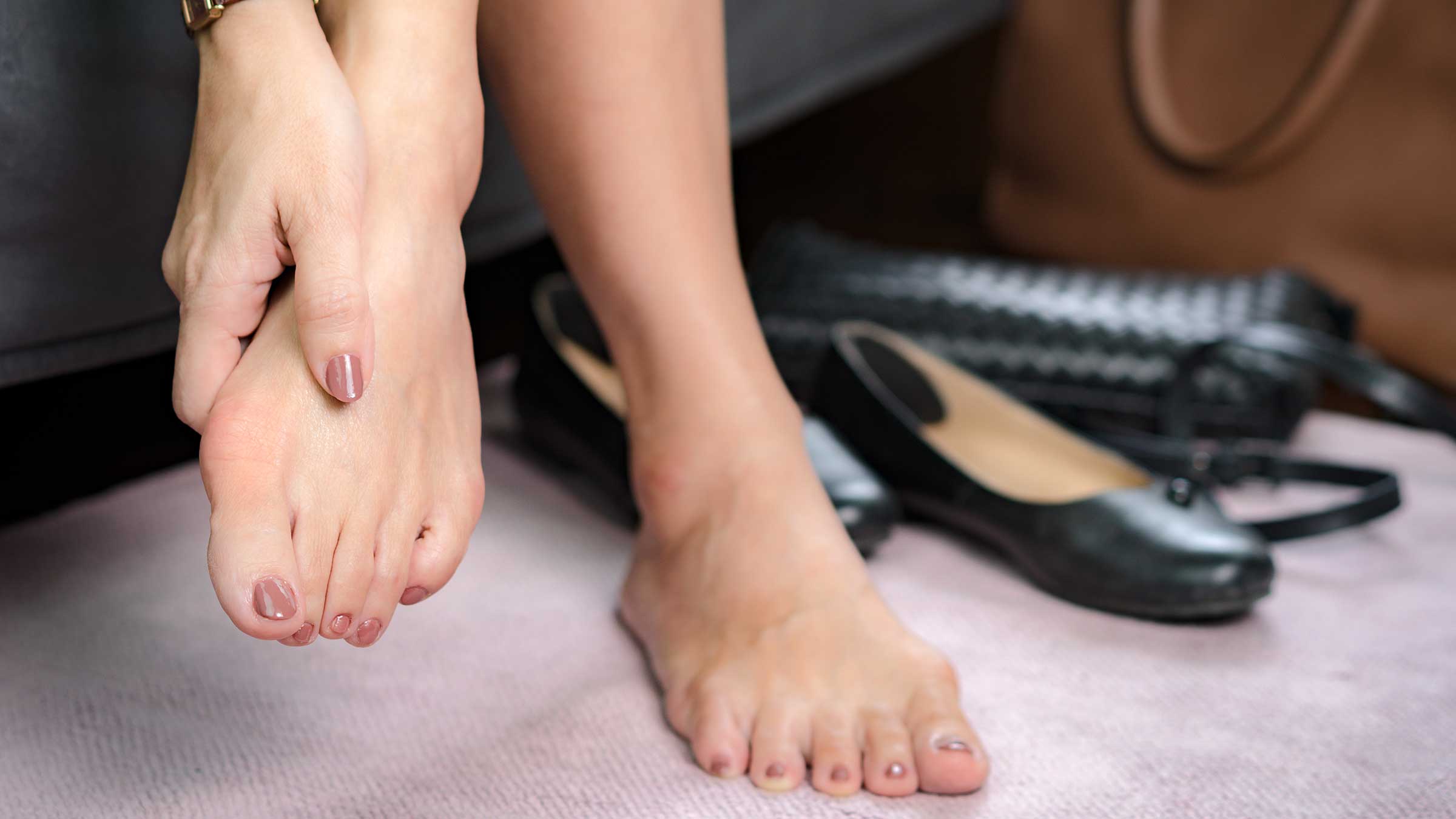
A bunion is a bony bump on the inside part of your foot at the base of your big toe. Genetics is usually to blame for this structural deformity, which causes your toe to drift inward toward the second toe.
This forces the metatarsal bone behind your big toe to stick out and be prominent and rub in your shoes. Some bunions can become more prominent over time.
Bunion symptoms:
- Redness
- Soreness and pain at the site.
- A blister where the bunion rubs against your shoe
- Persistent pain
- Stiff or restricted movement of your big toe, especially if you have arthritis
- Corn on the first or second toe from these two toes rubbing against each other
What causes bunions
- Genetic predisposition to developing this condition
- Medical conditions, such as rheumatoid arthritis
- Wearing shoes that don't fit well or cramp your toes
A podiatrist like me can tell you if have a bunion just by looking at your foot, but usually an X-ray is needed when these become painful to see if the joint is damaged and to evaluate the severity of the bunion.
The best way to treat bunions
If a person has no symptoms and the bunion isn’t causing pain, I wouldn't recommend doing anything. A bunion usually forms over time and may not bother you until you get older, if at all. I normally will advise keeping an eye on it to see if the bunion gets worse or you develop pain or discomfort.
If you do have pain, there are conservative treatment options that can potentially decrease your pain. These measures won’t remove the bunion deformity. Nothing short of surgery will remove the bunion.
If you do have discomfort, there are things you can try, including:
- Shoes with wider toe box: If a bunion is causing pain or discomfort, wearing a shoe with a wider toe box will give this bony prominence more room.
- Women who wear high heels might want to avoid this type of shoe, as it puts more pressure on this site.
- Steer clear of shoes that crowd your toes or are tight or pointed.
- Bunion pads: Paddings for bunions can alleviate pain but may create more bulk in your shoe and lead to discomfort.
- Orthotics: These might be another option, but won't necessarily fix a bunion; they do have the potential to decrease pain.
- Anti-inflammatory gel: When applied directly to the bunion it can help decrease pain.
- Ice
When to see a doctor about bunions
It’s best to contact a doctor for bunions if you’re in pain and it’s affecting your daily activities.
Bunion surgery
You may need surgery to remove a bunion if it becomes so painful that it affects your quality of life. There are several ways that bunions can be corrected.
The main goals of surgery are to realign the joint at the base of the big toe, relieve pain and improve function so the patient can return to all the activities they wish to participate in. Your doctor will choose the best method for you based on the severity of the bunion, potential presence of arthritis in the joint and your activity level.
It’s a fairly significant surgery in terms of either fracturing and realigning bones or fusing joints.
Bunion surgery recovery time and risks
If you do need to have bunion surgery, the decision shouldn’t be taken lightly. It’s important to know that it may be a while before you can return to your usual activities after surgery. Recovery can take two to three months or longer, and you’ll likely need to use crutches or a walking boot to get around for a while.
While there’s typically about an 80% to 85% success rate for bunion surgery in terms of significant improvement of pain and function, it’s not a cure-all. There’s a chance your bunion could return, or you might continue to experience pain or develop arthritis.

Concerned about your feet? Contact us today.
Ohio State's podiatry team provides comprehensive care backed by one of the nation's leading academic health centers.
Schedule Now