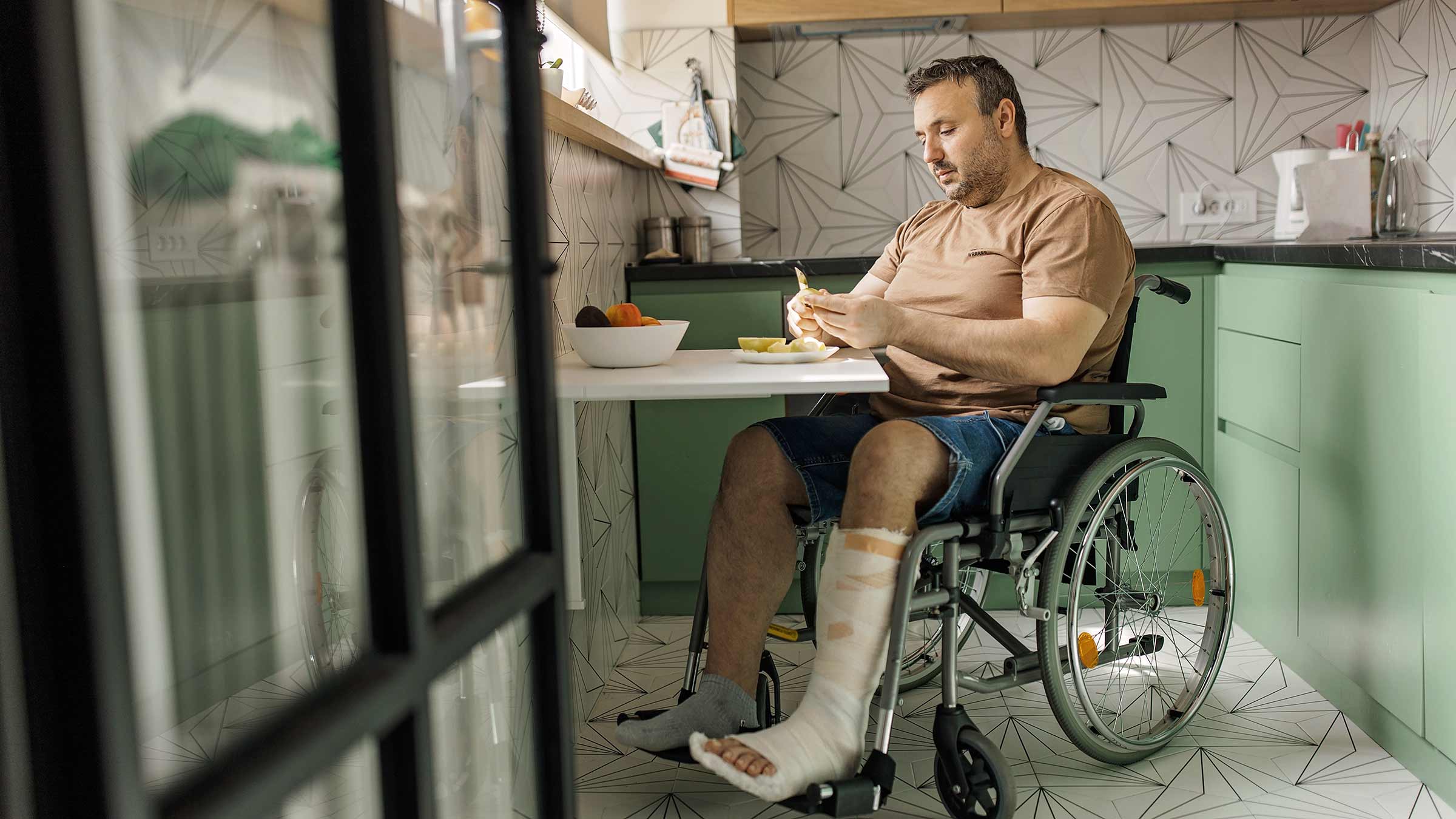
Nutrition plays a major role in healing, whether from surgery or a wound.
Eating right can help you heal faster and lower the risk of complications, such as infection. After surgery or a wound, you need more calories and more nutrients to support the recovery process.
If you know well ahead of time that you’ll be having surgery, you can get a head start on building nutrition and even increase your strength with exercise, such as walking and light resistance training.
Help your body recover
Staying hydrated and eating foods with a lot of protein and other vitamins can help you heal faster:
Fluid
Drinking enough fluid is one of the most important things you can do to help with healing. Water is needed for proper digestion, blood circulation, transportation of nutrients and regulation of body temperature. Tissue and skin can’t heal well without good hydration.
Many factors affect how much fluid a person needs. Ask your doctor or dietitian for the amount that’s right for you. An easy way to tell if you’re drinking enough is by checking the color of your urine, which should be clear or pale yellow.
Protein
Protein is the most important nutrient for healing. Protein provides the building blocks needed to rebuild tissue and repair skin. Eating enough protein will help you heal faster, fight off possible infections and keep you strong.
Your body needs more protein while you’re healing. Aim to have generous servings of protein at all or most meals. Animal products provide the highest quality protein, but you can find it in other foods as well.
Sources of protein include:
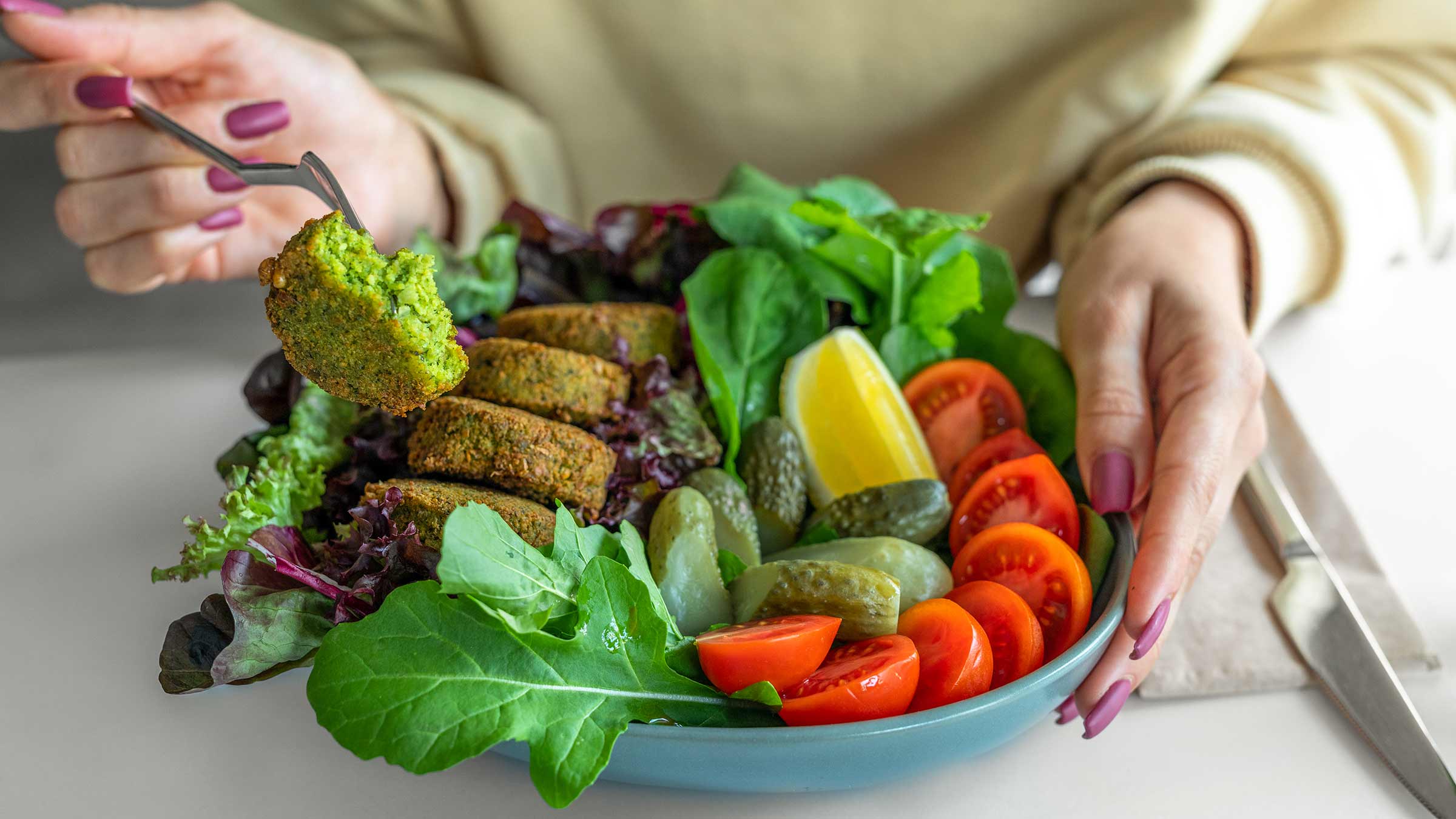
- Animal-based protein – chicken, turkey, beef, fish, milk, cheese, Greek yogurt, cottage cheese and eggs.
- Plant-based protein – tofu, beans, nuts, peanut butter, seeds, lentils, hummus, quinoa and soy milk.
Vitamins and minerals
Vitamin A, vitamin C and zinc play important roles in helping your body close wounds, build new skin cells, produce collagen and repair damaged blood vessels.
Vitamin D and selenium play important roles in supporting your immune system and regulating inflammation.
Sources of these vitamins include:
- Vitamin A – eggs, liver, salmon, clams, leafy green vegetables (spinach, kale, broccoli), orange and yellow vegetables (carrots, sweet potatoes, squash), red bell peppers, cantaloupe and mango.
- Vitamin C – bell peppers, broccoli, tomato juice, berries, kiwi and citrus fruits
- Zinc – red meat, turkey, shrimp, oysters, nuts, seeds, fortified cereals and whole grains.
- Vitamin D – sun exposure, fortified beverages (milk, milk alternatives, orange juice), salmon and liver.
- Selenium – Brazil nuts, mushrooms, tuna, meat and poultry.
If you’re overwhelmed with the idea of finding all of these nutrients every day, just follow these guidelines:
- Eat small, frequent meals (5-6 or more times a day) that include a protein source and fruit or vegetable at each meal to help meet increased nutritional needs.
- Choose healthy snacks such as cottage cheese with fruit, yogurt with granola, veggies with hummus, a hard-boiled egg, an ounce of cheese or homemade shakes/smoothies.
- Take a multivitamin with minerals to be sure you’re meeting your mineral and vitamin needs.
If you’re still having trouble getting enough protein or calories, ask your doctor or dietitian if you should use a nutritional supplement.
Other factors that can affect your body’s ability to heal:
- Nicotine should be avoided, because it reduces the flow of blood and oxygen to your tissues, which will delay healing.
- Chronically high blood sugar can be damaging to your nerves, blood vessels and immune system, which will cause slower wound healing and increase the risk of developing infections. Talk to your doctor or dietitian if you need help managing your blood sugar levels.

Healthy eating is within your reach!
Make an appointment with our dietitians or nutritionists.
Schedule an appointment