Vitamin B12 is an essential nutrient that helps your body make red blood cells, supports nerve function and produces DNA. When your body doesn’t get enough B12, it can lead to a variety of symptoms that affect both physical and mental health.
What causes vitamin B12 deficiency?
A vitamin B12 deficiency can occur for several reasons, including both lifestyle and medical factors, such as…
- pernicious anemia, an autoimmune condition where the body attacks cells in the stomach lining that produce a protein called intrinsic factor. This protein must bind with the B12 to be absorbed. Without it, your body can’t properly take in this vitamin, even if you’re eating enough.
- chronic stomach inflammation (atrophic gastritis), which may thin the stomach lining.
- other digestive diseases or conditions like Crohn’s disease, celiac disease, bacterial overgrowth or infections such as H. pylori
- a lack of B12 in your diet, which may be more common for those following a vegan or vegetarian diet without fortified foods.
- weight-loss surgery or removal of part of the stomach.
- chronic or heavy alcohol use.
- long-term use of certain medications, including acid-reducing drugs and metformin.
- age-related decreases in stomach acid, which make B12 harder to absorb.
- genetic conditions that affect how B12 functions or is metabolized in the body.
What symptoms are associated with a B12 deficiency?
Some people with mild deficiency may not notice symptoms at first. When symptoms do develop, they can include:
- Weakness, fatigue or lightheadedness
- Heart palpitations or shortness of breath
- Pale skin
- A swollen or red tongue
- Constipation, diarrhea or loss of appetite
- Numbness or tingling in the hands and feet
- Muscle weakness or trouble walking
- Vision changes
- Memory loss, depression, or difficulty concentrating (“brain fog”)
If left untreated, nerve-related symptoms can become permanent, which is why early detection and treatment are important.
What foods contain vitamin B12?
Vitamin B12 is naturally found in animal-based foods, including:
- Milk, yogurt and cheese
- Red meat, poultry and fish
- Eggs
B12 isn’t naturally present in plant foods, but many foods are fortified with it. These can be important sources for vegetarians and vegans and may include:
- Breakfast cereals
- Plant-based milks (such as soy or almond milk)
- Nutritional yeast
- Meat alternatives
Are there other ways to get vitamin B12?
Vitamin B12 is available in several supplemental forms:
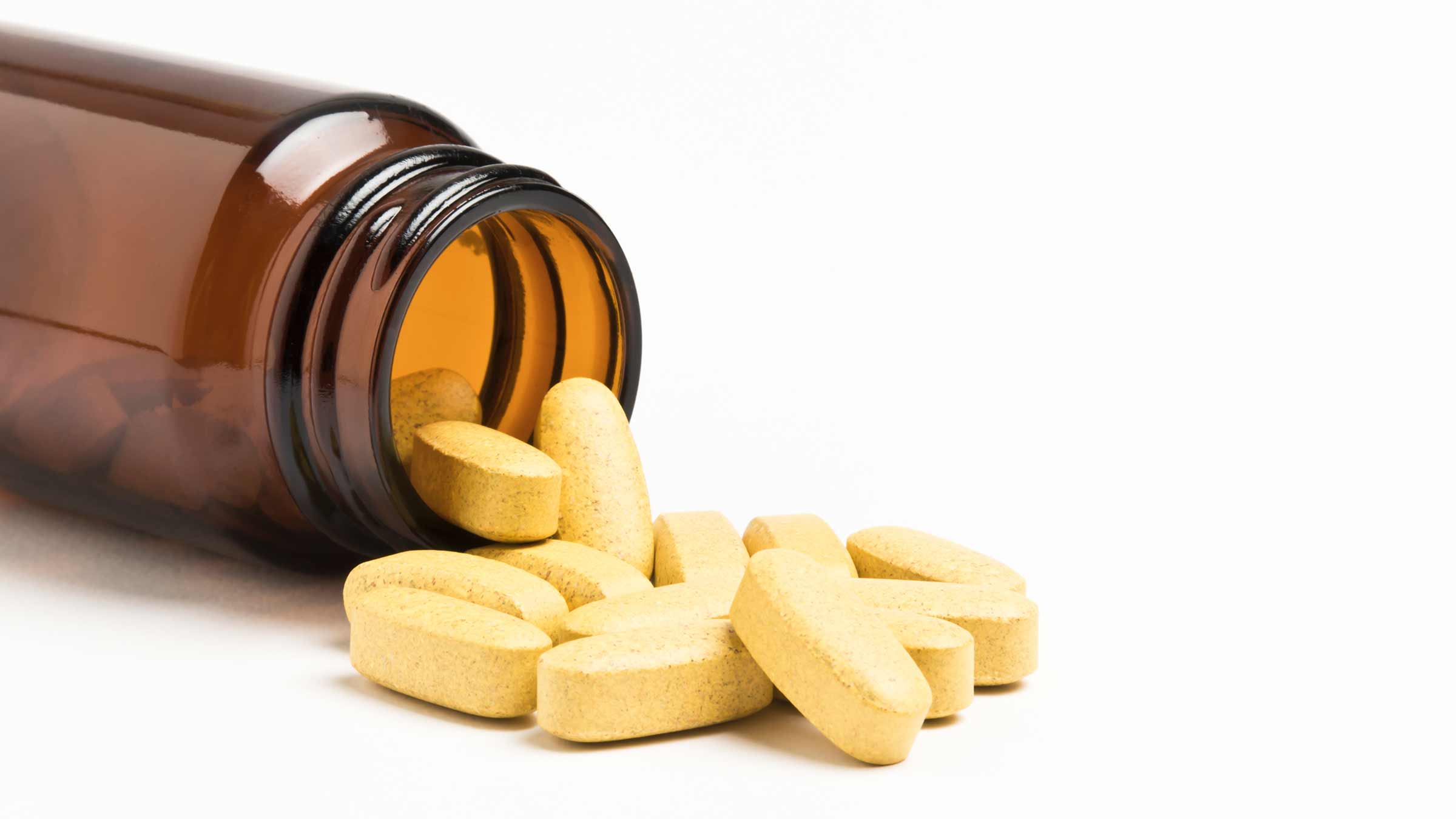
- Multivitamins or oral supplements
- Sublingual tablets (dissolve under the tongue)
- Prescription options such as injections or nasal sprays
High-dose oral supplements are effective for many people. However, injections may be recommended for more severe deficiencies or when nerve symptoms are present. Your healthcare provider can help determine what’s best for you.
How can you prevent a B12 deficiency?
The body doesn’t make B12, so it must come from food or supplements. The best way to prevent a deficiency is to eat a balanced diet that includes B12-rich or fortified foods, or to take supplements as recommended by your healthcare provider. Limiting alcohol intake is recommended, because chronic alcohol use can damage the stomach lining and reduce B12 absorption.
People at higher risk of B12 deficiency, such as older adults, vegetarians or vegans, individuals with gastrointestinal conditions, or those who have had stomach surgery, should talk with their healthcare provider about screening and whether a supplement may be needed.

Healthy eating is within your reach!
Make an appointment with our dietitians or nutritionists.
Schedule an appointment