You’ve been gung-ho into gardening these days, thinning perennials and planting annuals to add more color.
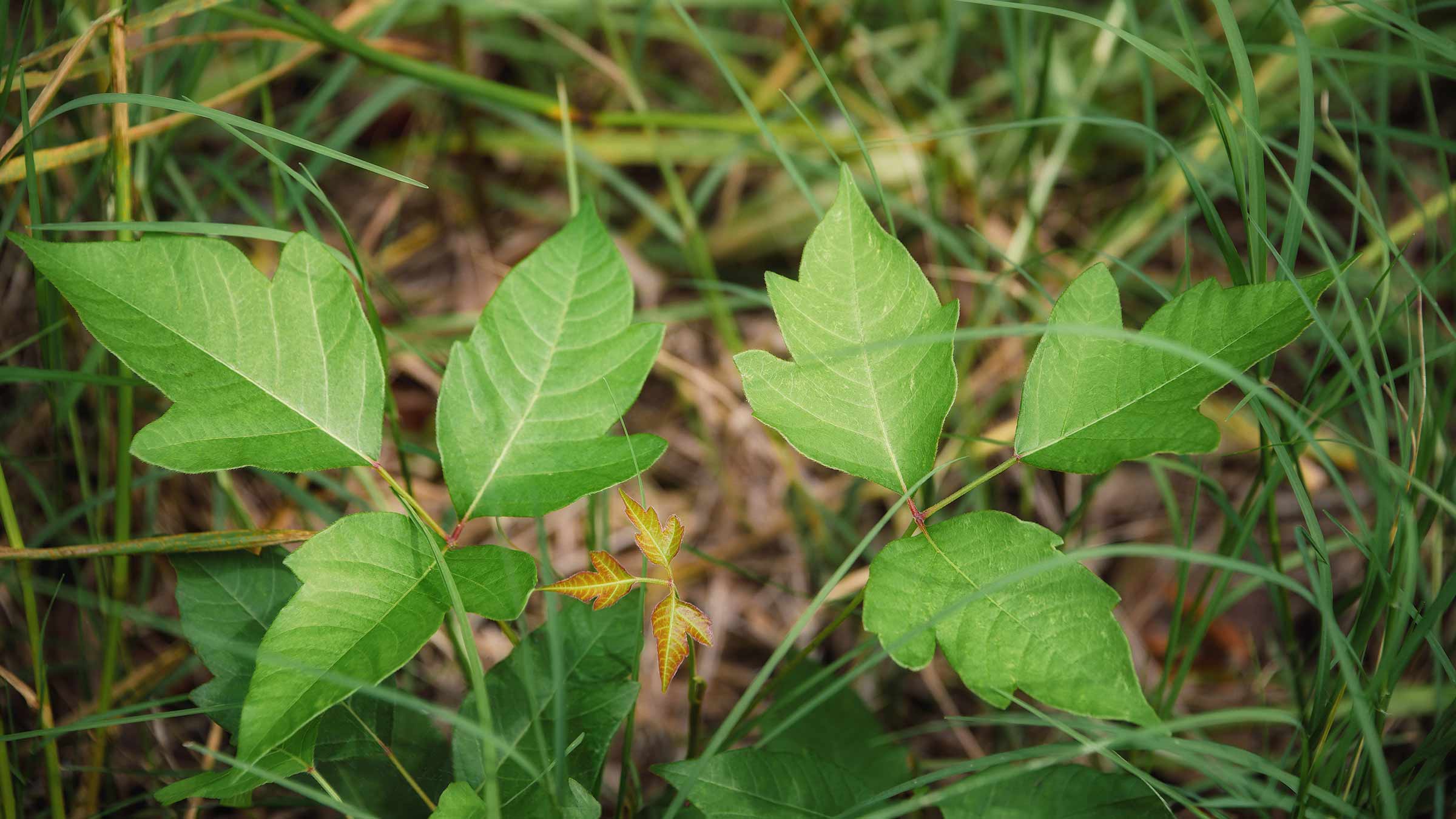
And then you notice red bumps or lines on your hand or arm. No big deal, until they itch, and you see more of them and realize they’re not bug bites. Poison ivy, oak or sumac can put a crimp on your gardening gusto.
It helps to understand how poison ivy allergic reactions happen − and to clear up a few myths − so you can treat your rash sooner and avoid getting it again.
Myth: The rash is contagious and by touching the blisters or the fluid from it, you can spread it.
Fact: The only way to get a poison ivy rash is if you come into contact with urushiol oil. That’s the oil found on any part of a poison ivy plant, including the leaves, stems and roots. Urushiol can stay on your clothes, so it’s possible to re-expose yourself to the oil by re-wearing clothes without washing them – even if you’re not in contact with poison ivy again.
Myth: If you’re exposed to poison ivy, you will see a rash right away.
Fact: The allergic reaction usually begins 12 to 72 hours after your skin is in contact with the plant. However, the rash can happen even one to three weeks after exposure. The rash and, in some cases, the blisters, can develop at different rates, with some appearing early on and others many days after you were exposed.
Myth: Your body will eventually develop immunity to poison ivy after you’ve been exposed to it several times.
Fact: You actually become more sensitive to poison ivy the more you get exposed to it, if you’re allergic to it. If you have a true allergy to poison ivy, you may have a greater skin reaction and react more quickly after each exposure, because you’re hypersensitive to the urushiol.
Myth: Everyone is allergic to poison ivy.
Fact: Many people are allergic, but not everyone is. Some people are naturally immune to the plant, so they never develop a rash from it, regardless of their exposure.
Myth: A good way to get rid of poison ivy from your garden is to pull it out and burn it with the rest of your yard waste.
Fact: Burning poison ivy causes the urushiol from the poison ivy to break up into tiny droplets and enter the air. This can be a problem for those who are allergic, because the particles can settle on skin or clothing and be inhaled. Even if you’re far away from the burning, you can get a severe, even life-threatening reaction if your lungs get irritated, making it difficult to breathe. For your safety and your neighbors’ safety, don’t burn poison ivy.
Signs of a poison ivy rash
Look for these symptoms of poison ivy reaction:
- Red, itchy rash that can turn into blisters any place where you were exposed − arms and legs are most common, but you can develop rash anywhere on your body, including your face, neck, and torso.
- Red streaks are common and reflect where the plant brushed against the skin.
How we get exposed to poison ivy
There are three main types of exposure to poison ivy:
Direct contact: Touching any part of the plant, including stems, leaves and roots of anything in the poison ivy family, which includes poison ivy, poison sumac and poison oak. Among the three plants, poison ivy is by far the most common in the Midwest.
Indirect contact: Touching something that has urushiol on it, which could be on clothing, gardening tools or an exposed pet dog or cat. Neither dogs nor cats get a rash from urushiol, but the oil can stay on their fur, and it can affect you when you pet them.
Breathing in ash or smoke from burning plants: When you burn the plant, urushiol enters the air, and if you breathe it into your lungs, that can cause the most dangerous reaction: inflammation both inside and outside your body. That can make breathing difficult.
How to avoid poison ivy
The good news is that prevention of poison ivy is straightforward:
- Wear protective clothing, such as long sleeves, pants, socks and work boots if you’re hiking or gardening.
- Wear gloves if you’re doing yard work. Thick vinyl is better than latex or cloth.
- Use pre-contact barrier creams to prevent your skin from absorbing the urushiol.
- Wash anything that could have urushiol, including yourself, clothes and gear.
What to do if you’re exposed to poison ivy
After you encounter poison ivy…
- Wash the area immediately with cool water, or shower completely.
- Clean anything that may be contaminated with the oils, including gloves and gardening tools.
- Wash clothing with warm, soapy water in the washer.
Poison ivy rash treatments
In addition to cool showers that can soothe the itch, the following medications can help:
- Oral antihistamines
- Over-the-counter hydrocortisone steroid creams
- Prescription-strength topical steroids or steroid pills prescribed by your physician for poison ivy
When to see a healthcare provider
Seek medical care if you develop:
- Severe rash that’s widespread or not improving after one to two weeks
- Severe swelling, particularly if the rash is on your face, eyes or genitals
- Difficulty breathing or swallowing
- Fever
- Rash that’s painful
- Skin infection – often related more to scratching due to intense itching, leading to a secondary bacterial infection. You may notice pus, purulent drainage, increased pain/swelling, crusting and worsening pain.

Worried about your skin, hair or nails?
Ohio State's dermatology team provides comprehensive care backed by one of the nation's leading academic health centers.
Expert care starts here