Did you know being grateful might improve your health?
If you’re not aware of the positive elements in your life, you’re losing out. It may sound corny to some, but recognizing even the small things that are going well in your life − perhaps having enough food or rent money − is the first step in mindfulness.
Becoming aware of the positive elements in your life − the “blessings” that occur daily − offers you the opposite of a scarcity mentality, in which you fear that you’re not going to have enough.
How stress affects the body
Living with a scarcity mentality can lead to chronic stress, which is a precursor to inflammation in your body. Inflammation is linked to a host of physical ailments, including some cancers, Alzheimer’s disease and diabetes. Some reports suggest that up to 80% of physician visits have a stress component. Being grateful won’t solve chronic stress, but it will interrupt it through recognition of positive things.
Mindfulness and gratefulness can improve your health
Mindfulness means paying attention in a particular way: on purpose, in the present moment and without judgment. Gratitude can lead to an increased state of mindfulness and help improve your health.
Rick Hanson, PhD, a mindfulness and neuroplasticity expert, highlights the idea that our human brains are wired toward a “negativity bias” to keep us safe by avoiding important threats. But by stopping to recognize the positives in our lives, we can actually create more positivity, as “neurons that fire together, wire together.”
Mindfulness can help reduce burnout
I’ve spent the past 22 years studying ways to reduce the risk of stress-related chronic illness through mindfulness and movement. We’ve conducted studies with nurses who work in the intensive care unit at The Ohio State University Wexner Medical Center. They showed a reduction in stress biomarkers of 40% via mindfulness programming.
Current research shows a 34% reduction in burnout for faculty and staff at the Ohio State Wexner Medical Center after eight weeks of the same Mindfulness in Motion program. Other faculty and students at Ohio State, employees at medical centers across Ohio and in Boston, and employees in the cities of Columbus and New Albany demonstrated similar results in our other studies.
The three phases of mindfulness through gratitude
- Noticing: We need to be aware of the moment in real time and offer gratitude.
- Flexibility: We need to consider viewing things differently. I love the story of The Chinese Farmer by Alan Watts. You can watch several versions of this story on YouTube. In the story, the farmer views the same events in his life from different perspectives. There are many possible outcomes in every situation that make it impossible to know if something is truly good or bad.
- Action: You take action by cultivating those things in your life that are positive and controllable. I’ve worked with healthcare professionals on mindfulness exercises. They learn to view their patients differently. They’re thankful to the patient who listens, for example. They’re inspired by their patients to be grateful for their own family and for bosses who understand family emergencies. Clinicians become grateful for team members and co-workers. They feel valued by one another, which positively impacts their lives and clinical practice.
How you can be a grateful person
There are many ways to incorporate a gratitude ritual into your life. I know some people who make a list of three items they’re grateful for in a daily journal. I’m not consistent with that, so let me share my gratitude exercise.
I regularly tell people why I’m grateful to have them as part of my life. With family members, I try to tell them in person. For longtime friends I don’t see often, I may send an email. Sometimes I send a message through social media.
When I had eye surgery at the Ohio State Wexner Medical Center six years ago, I noticed that the whole office was geared to patient-centered care. They made me feel “cared for” by making sure I had someone who could drive me to my appointment and take me home. This was a stressful event. I was able to identify steps that I could control to make things go more smoothly. I was grateful to have a fabulous physician and great office staff. I made sure to tell them so.
Share your gratitude
Communicating with people about gratitude has an extra benefit: Community connections are also good for your health. Sharing your gratitude has a cascade of positive benefits. We hear so much negative all around us. Expressing gratitude is something we can control. We’re all responsible for bringing it into our consciousness. And it’s free.
The power of expressing gratitude to those around us is undervalued. Look at your life through the lens of gratitude and move toward expressing it. Your overall health may improve.

Integrative health helps heal the whole person
Learn more about our programs and schedule an appointment.
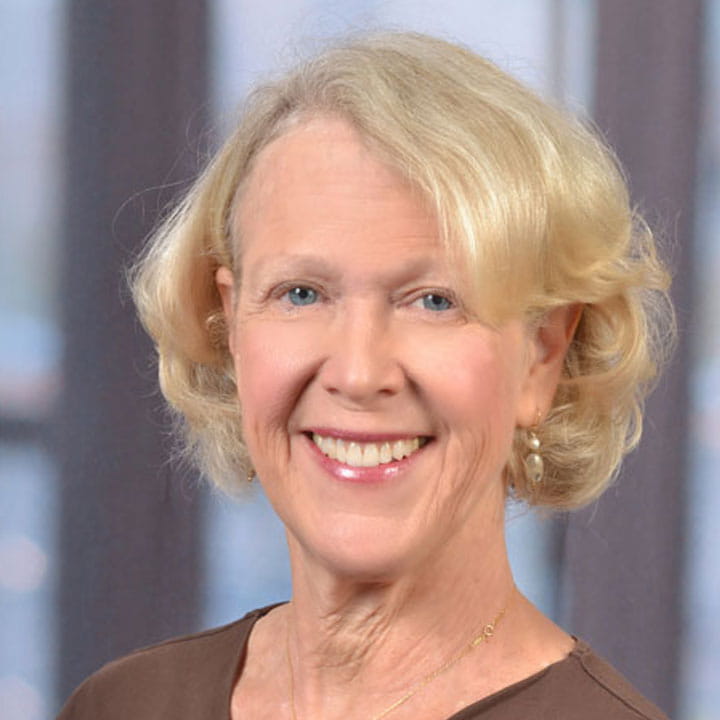
Learn moreMaryanna Klatt, PhD, is director of the Center for Integrative Health at The Ohio State University Wexner Medical Center and a clinical professor in the Department of Family and Community Medicine at The Ohio State University College of Medicine.
Dr. Klatt is the creator of the eight-week Mindfulness in Motion program and the lead author of a recent study analyzing outcomes for the program’s participants, identifying the long-term sustained benefits of mindfulness interventions to reduce stress and burnout.