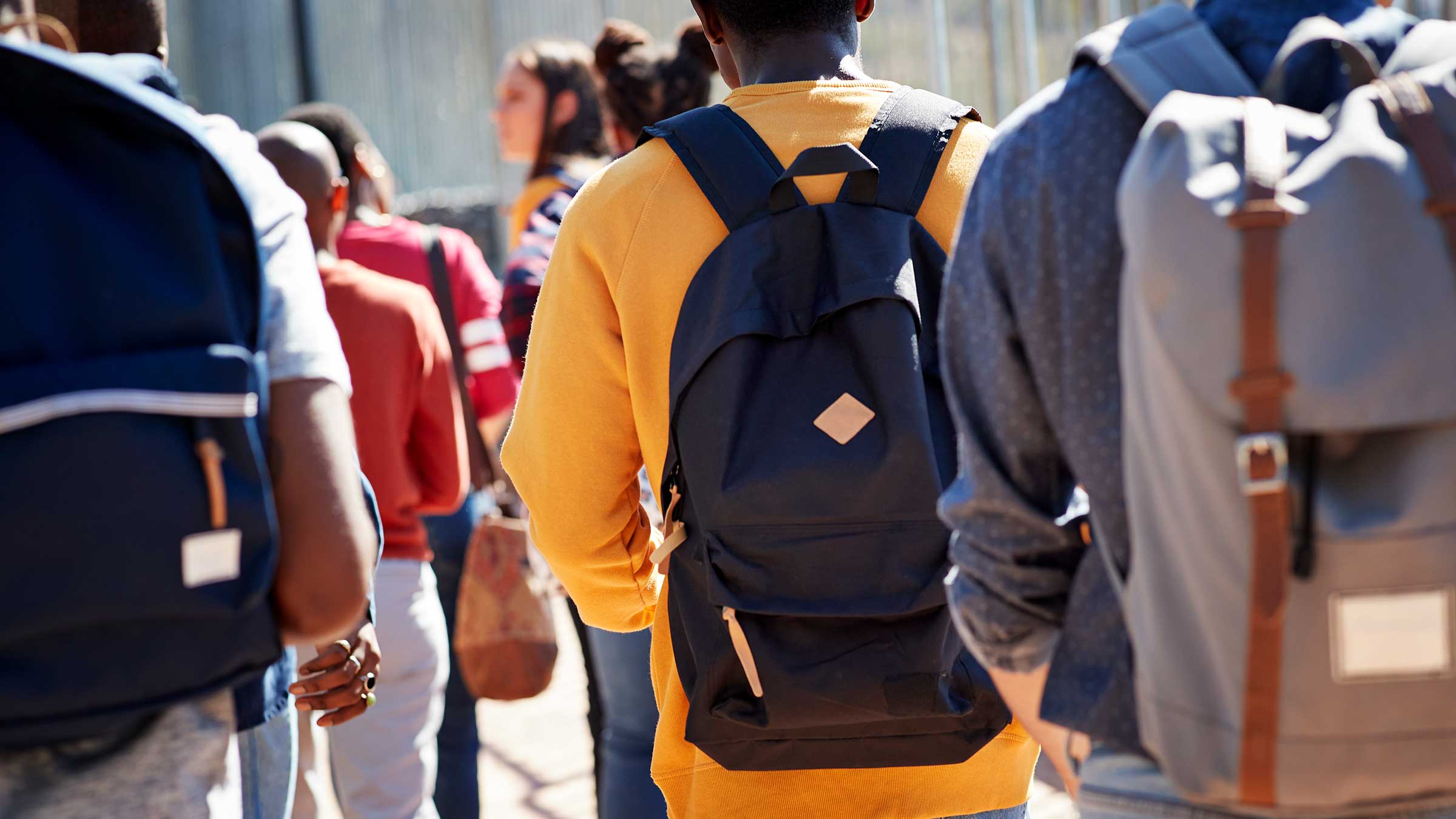
Whether you’re heading to school, the gym or work, a good-quality backpack or bag matters – and so does how you carry it. Textbooks, laptops, water bottles, sports gear and other daily essentials can add weight quickly, increasing the risk of musculoskeletal injury.
Choosing the right bag and using smart backpack ergonomics can help prevent muscle strain and reduce excessive pressure on your spine. When a bag is too heavy or not worn correctly, it can lead to poor posture and uneven weight distribution, which may contribute to back, neck and shoulder pain.
Here’s how to prevent these common injuries, choose a quality backpack and wear it properly.
Choosing and packing your bag
Your bag should have the weight is balanced and supported by your back and core, rather than pulling on your neck or shoulders.
When choosing and packing your backpack, keep these backpack ergonomic practices in mind:
Shoulder straps should be wide, padded and adjustable so the weight can be distributed evenly across your back. Adjustable straps also accommodate different clothing and can be loosened in the winter for sweaters and coats or tightened in the summer months when wearing lighter clothing.
Use the chest or waist strap that often accompanies a backpack to balance the load of the bag and disperse weight evenly.
Pack items correctly. Place heavier items, such as laptops and textbooks, closest to your back to make it easier to keep good posture.
Maintain good posture. Avoid leaning forward or to one side to counter the weight of the bag, which can change the natural curves of your spine and contribute to pain.
Lighten the load. Base the amount of weight you carry on your body weight. Children, teens and adults should generally avoid carrying more than 10% of their body weight. A backpack that’s too heavy can pull the body backward, causing a person to bend forward at the hips or arch the back to stay steady. Over time, that unnatural position can lead to shoulder, neck and back pain.
Bend at the knees. When lifting a backpack, bend at your knees and use your legs instead of flexing at your spine. This helps reduce strain on your back.
Wear it properly. Your backpack should sit securely on your back, with the bottom of the bag about 2 inches above your waist. The lower it hangs, the more weight your shoulders must carry, which can strain the muscles that support your neck and upper back.
What to do if you have back pain and have to carry things
If you have back pain, consider carrying only what you need, switching sides if you use a shoulder bag, or choosing a backpack that fits properly and provides the right support.
You can also split the load by dividing heavy items into two equal bags and carry one in each hand to keep your body balanced. Rolling luggage is also a good option if you have to transport heavy items for a long time.
If pain continues or worsens, talk with your primary care provider about a referral for physical therapy.

Ready to stop the pain?
Schedule an appointment with one of our orthopedic experts.
Get started