James Cancer Network brings expert cancer care to more Ohioans
Collaboration helps retired carpenter get treatment close to home, access to experts.
Dianne Walker remembers the time her husband, Tim, first brought up the idea of living on the 25-acre property he owns in rural Louisville, in northeast Ohio. She was open to the idea, although there was one caveat: There was no house on it.
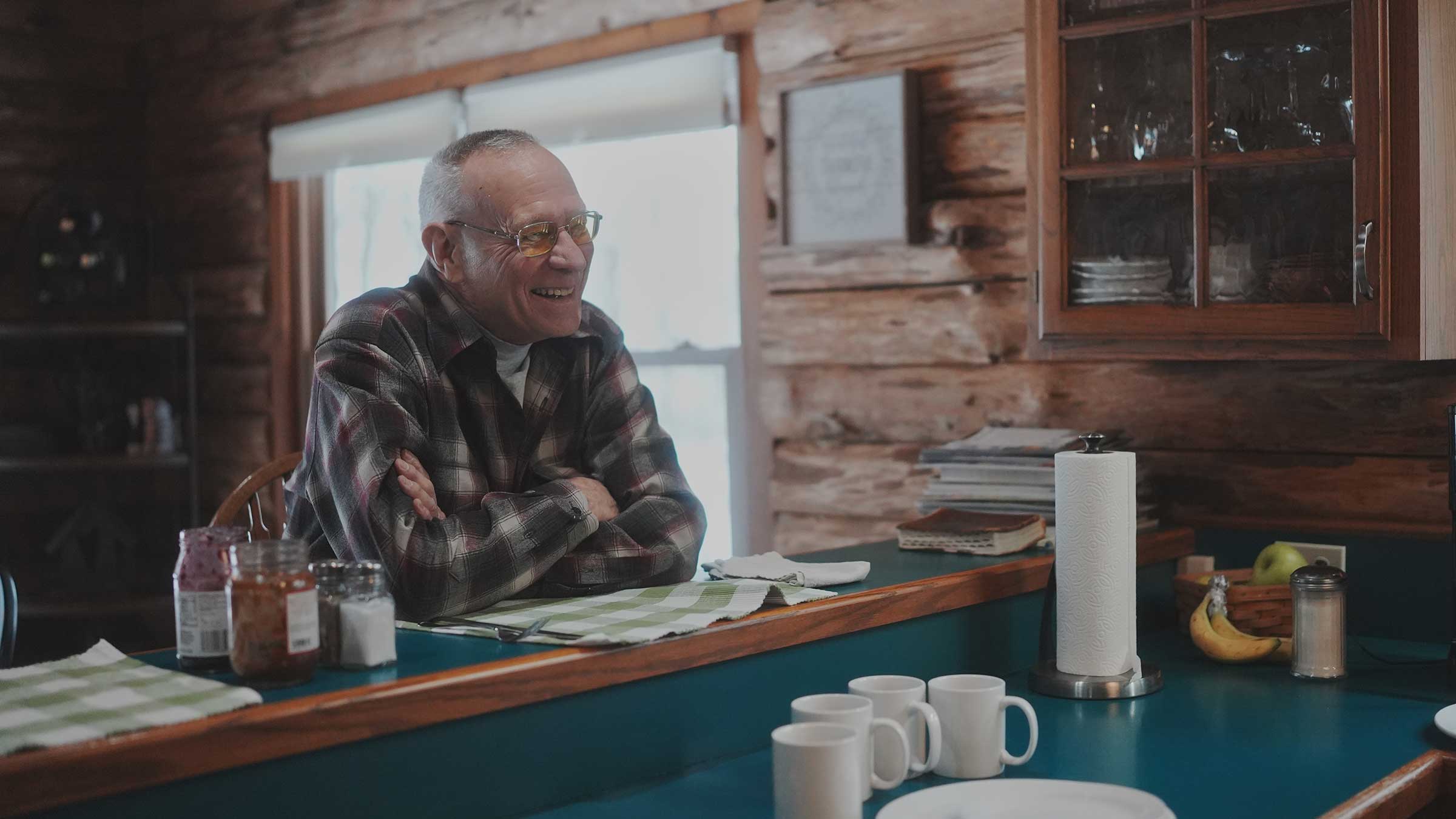
So, she and Tim spent a night in a tent among the trees that covered the land about 15 miles east of Canton. Today, it’s where they live in a lovely log cabin that her husband, a retired carpenter, helped build more than 30 years ago. Friends tell them it feels like a resort.
Living in such a quiet area brings a serenity that appeals to the Walkers. It also can create challenges finding care for serious health problems like the ones Tim started experiencing several years ago.
‘That’s stage three cancer’
For years, Walker would have pain in his back right after he took a bite of food. It was his only symptom. It was a puzzling problem, both to him and the doctors he first saw.
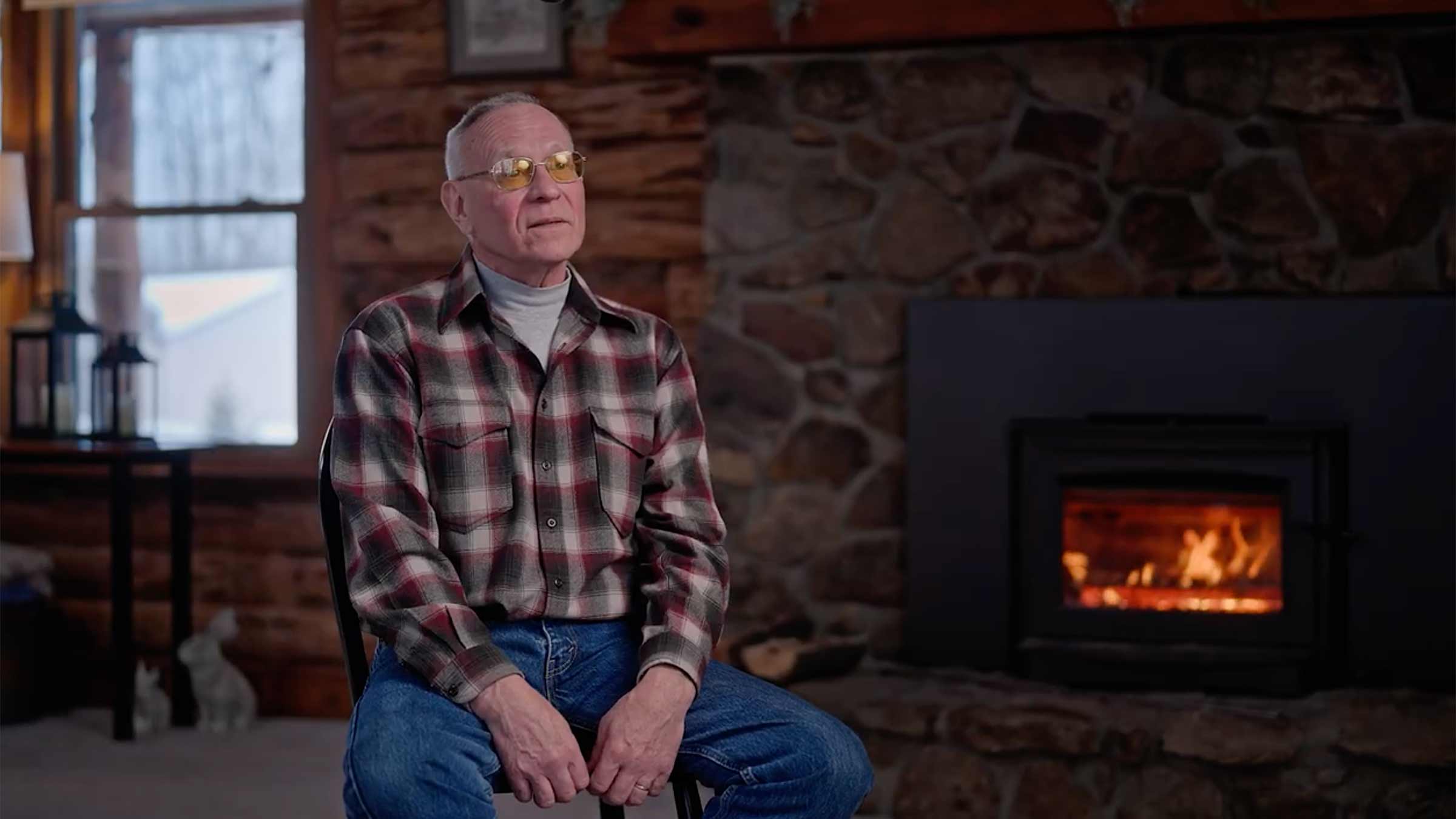
He sought help from his primary care physician, spine specialists, neurologists, gastroenterologists – nobody could figure out what was causing his pain. Finally, his nephew suggested he try a gastroenterologist at The Ohio State University Comprehensive Cancer Center – Arthur G. James Cancer Hospital and Richard J. Solove Research Institute (OSUCCC – James).
Somashekar Krishna, MD, MPH, who holds an Endowed Professorship in Internal Medicine Research, gave Walker the news: There was a tumor on his esophagus.
“He says, ‘That’s stage three cancer.’ But I was relieved at the fact that, finally, after four years back and forth with at least 12 to 15 doctors, they knew what was wrong with me,” Walker says. “And I was at a place that, in my mind, could fix it.
“And they did.”
Even after four decades of marriage, Walker’s response to the news stunned his wife.
“I couldn’t believe his positive attitude. It was like, ‘Well, let’s go celebrate! Let’s go out to dinner tonight!’” she recalls. “And I’m like, ‘You’ve got to be kidding me. You were just told you have cancer!’ But that just helped in so many ways, having that positivity.”
His treatment included a robotic-assisted surgery to remove the cancer, a minimally-invasive procedure that offered faster recovery. Thoracic surgeon and Adenil Day Designated Professor Robert Merritt, MD, performed the surgery at Ohio State in January 2024.
“Esophageal cancer is a very difficult disease to diagnose. It requires a lot of experience and skill in diagnosing this specific cancer.”Robert Merritt, MD, professor and director of the Division of Thoracic Surgery at The Ohio State University
Dr. Merritt notes that there are about 18,000 cases a year in the United States.
The expertise at The James was vital to saving Walker’s life, but there was a second crucial partner involved.
Cancer care close to home
Before his surgery, Walker was scheduled for chemotherapy and radiation. The treatments were every morning for five weeks, which would have meant about five hours in the car per day for the Walkers if they came to The James.
But a nearby hospital that collaborates with The James meant that Tim could have those treatments and stay close to home. Wooster Community Hospital, about 40 minutes from the Walkers’ cabin, is part of The James Cancer Network.

The network was created to make it easier for patients to access the expertise of the country’s third-largest cancer hospital. Since 2014, it has grown to encompass eight affiliates across Ohio:
- Dayton Physicians Hematology and Medical Oncology
- Madison Health
- Memorial Health
- Mercy Health – Springfield Cancer Center
- Mercy Health – St. Rita's Cancer Center
- Mount Carmel Grove City
- Wooster Community Hospital
- Zangmeister Cancer Center
After five weeks of daily treatments at Wooster Community Hospital, Walker’s outlook improved markedly.
“I went to Wooster, had my chemo and my radiation, and they are super people over there. Super people. I actually have a good friendship over there with these people,” Walker says.
Radiation oncologist Steven Walston, DO, was among the team in Wooster that helped Walker with his treatments before his surgery.
“Without the connection with Ohio State, it probably wouldn’t be possible for him to stay here and get the kind of coordinated care where we communicated very closely with his surgeon the entire time,” Dr. Walston says.
A return to normalcy
Now 67, Walker is back to enjoying retirement in the community where he has spent his entire life.
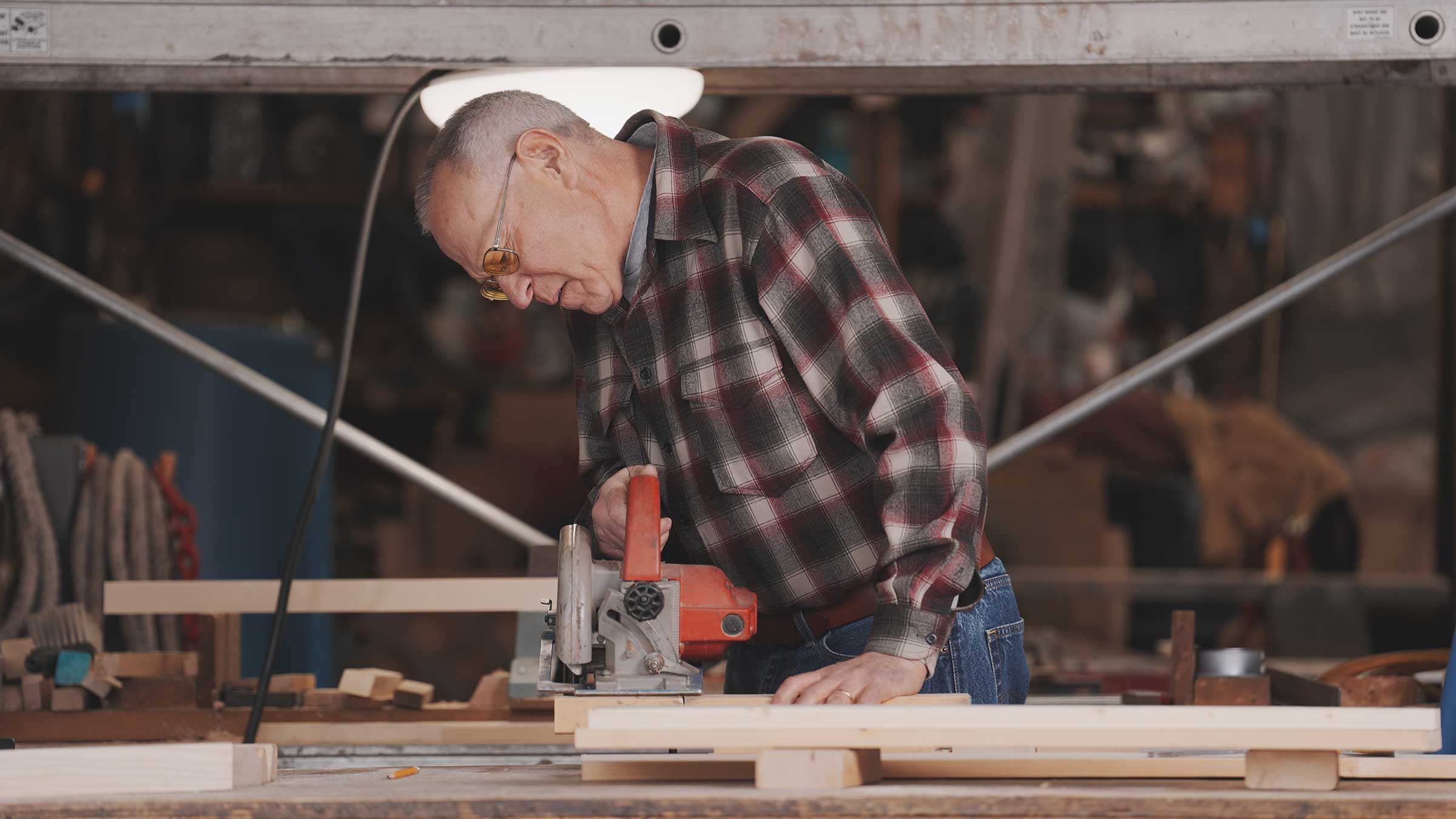
He rarely sits still long – always tinkering with woodworking projects in the large workshop on his property, cutting firewood, fixing things for friends. He proudly points to tables in his living room that he made, using some of the same wood for a recipe box for his wife.
Two years later, the Walkers are grateful for the care Tim received.
“We appreciated life before, but you really just get a different perspective of things, and every day you wake up and you just appreciate everything,” Dianne Walker says.