Traveling across the globe for a promising sickle cell anemia gene therapy at Ohio State
United Arab Emirates patient is ‘effectively cured’ of debilitating disease.
“It’s working. It’s working.”
Khaled Alsheebani kept hearing this phrase over and over again. While the United Arab Emirates native doesn’t speak much English, the meaning and significance of those words weren’t lost in translation. The gene therapy treating the sickle cell disease that had battered his body for years was working.
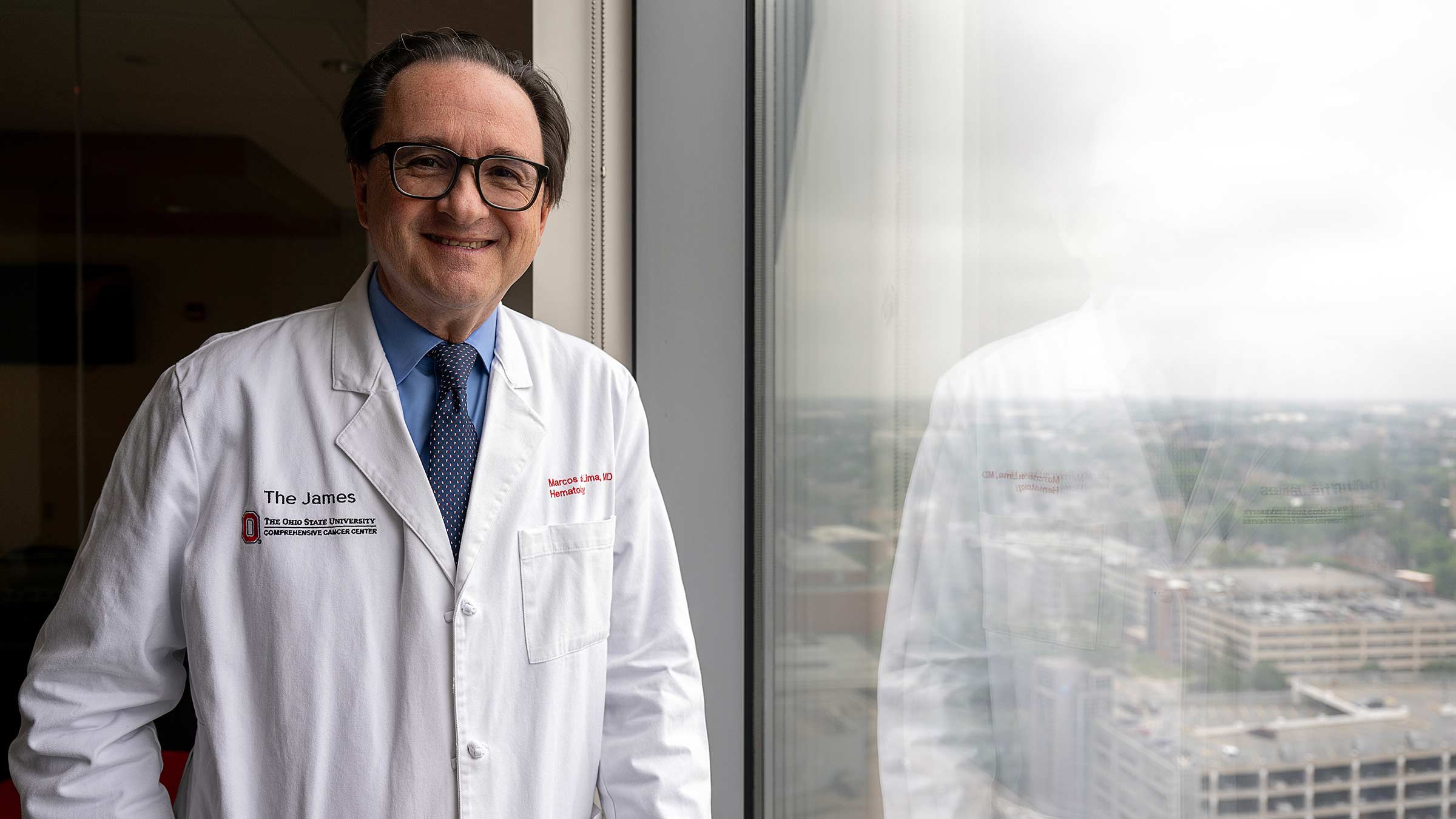
“A few years ago, if you would have asked me if this was possible, I would have said you’re dreaming,” says Marcos de Lima, MD.
“This is truly revolutionary. All indications are that he’s effectively cured,” says Marcos de Lima, MD, Alsheebani’s hematologist at the OSUCCC – James, which treats all forms of blood disorders.
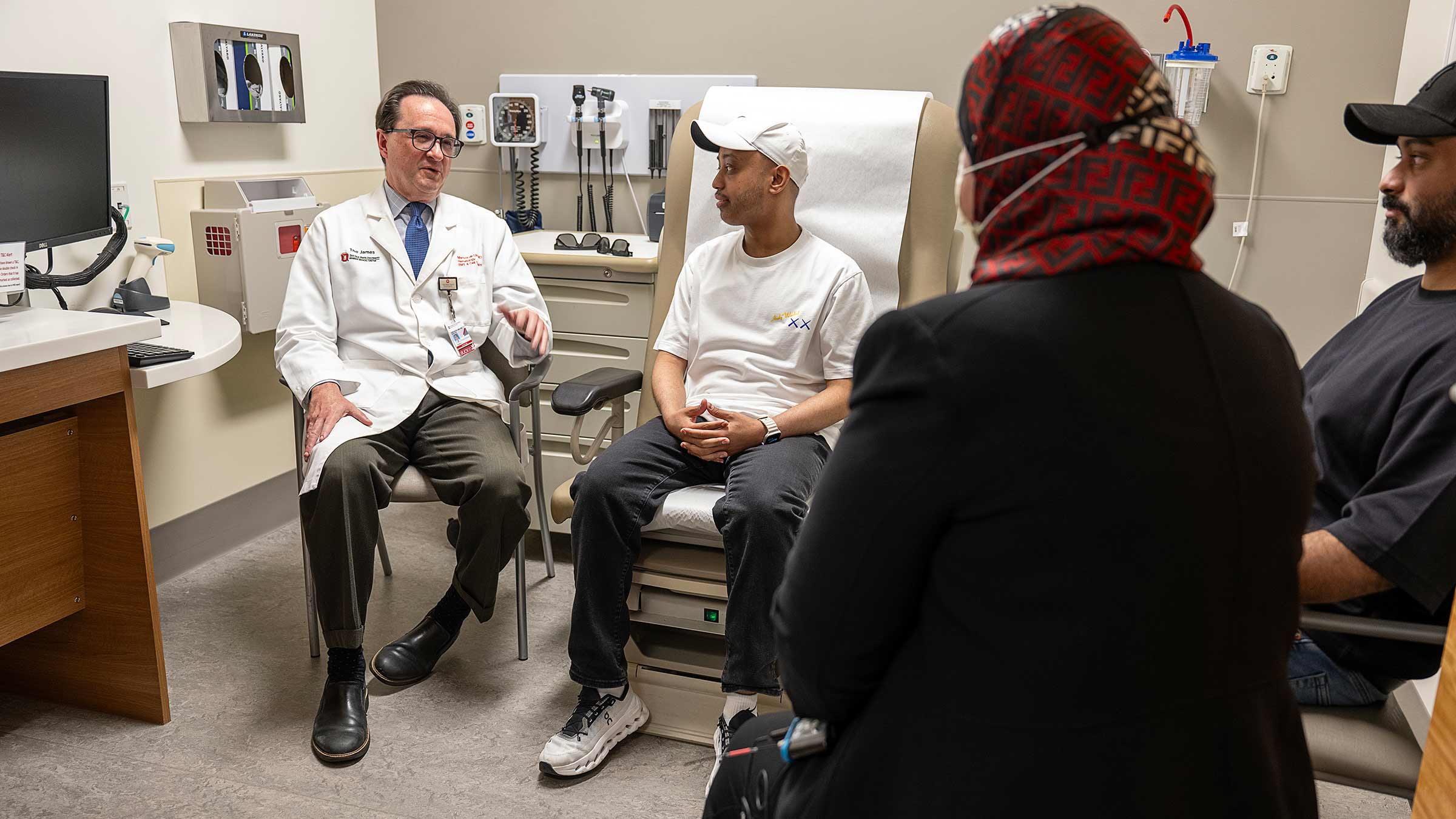
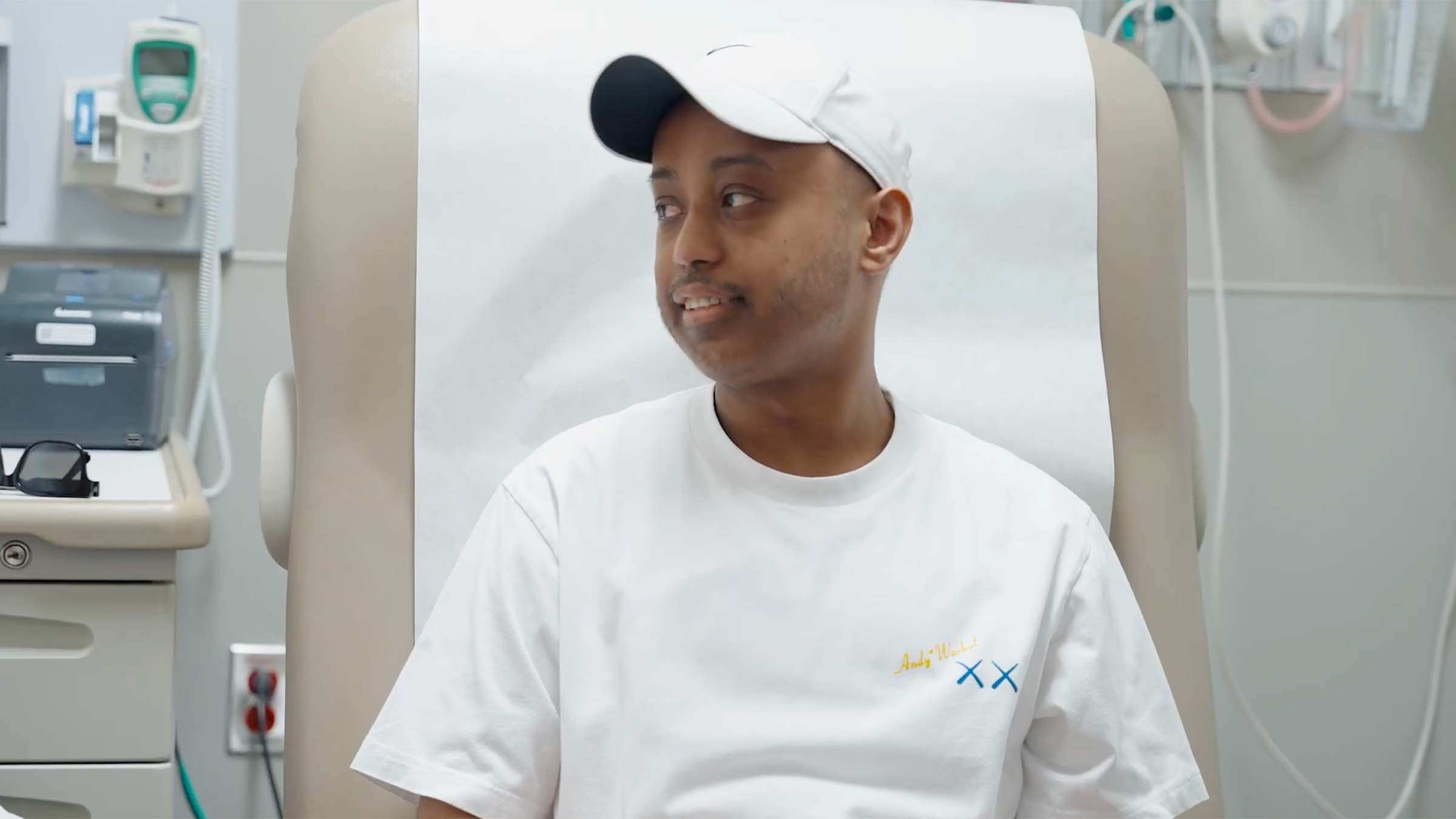
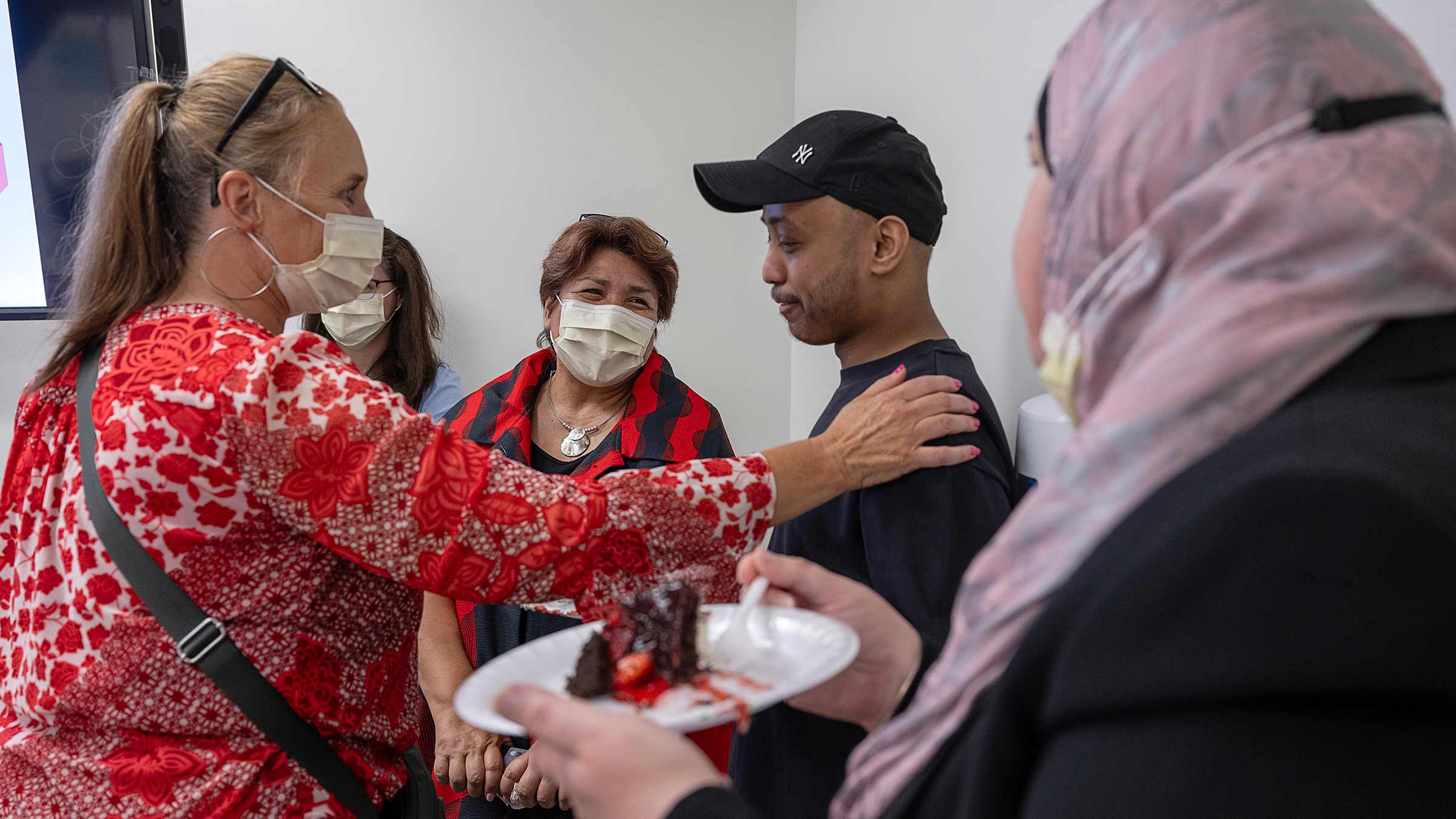
Alsheebani is the first patient to receive sickle cell gene therapy at the OSUCCC – James and one of the first adults in the world. It’s a huge milestone, and his care team is celebrating with cake, balloons and photos when the reality of it all hits the 30-year-old.
He’s going home to live the “normal” life he’s always dreamed about. His life has always been defined by debilitating pain and restrictions. A life of feeling left out. That’s all about to change. The room draws quiet when tears start streaming down his face.
“I became emotional looking at him because I had always seen him as serious and reserved. And now he was melting down in the moment, caught up in emotion. It was beautiful to see,” says Milly Valverde.
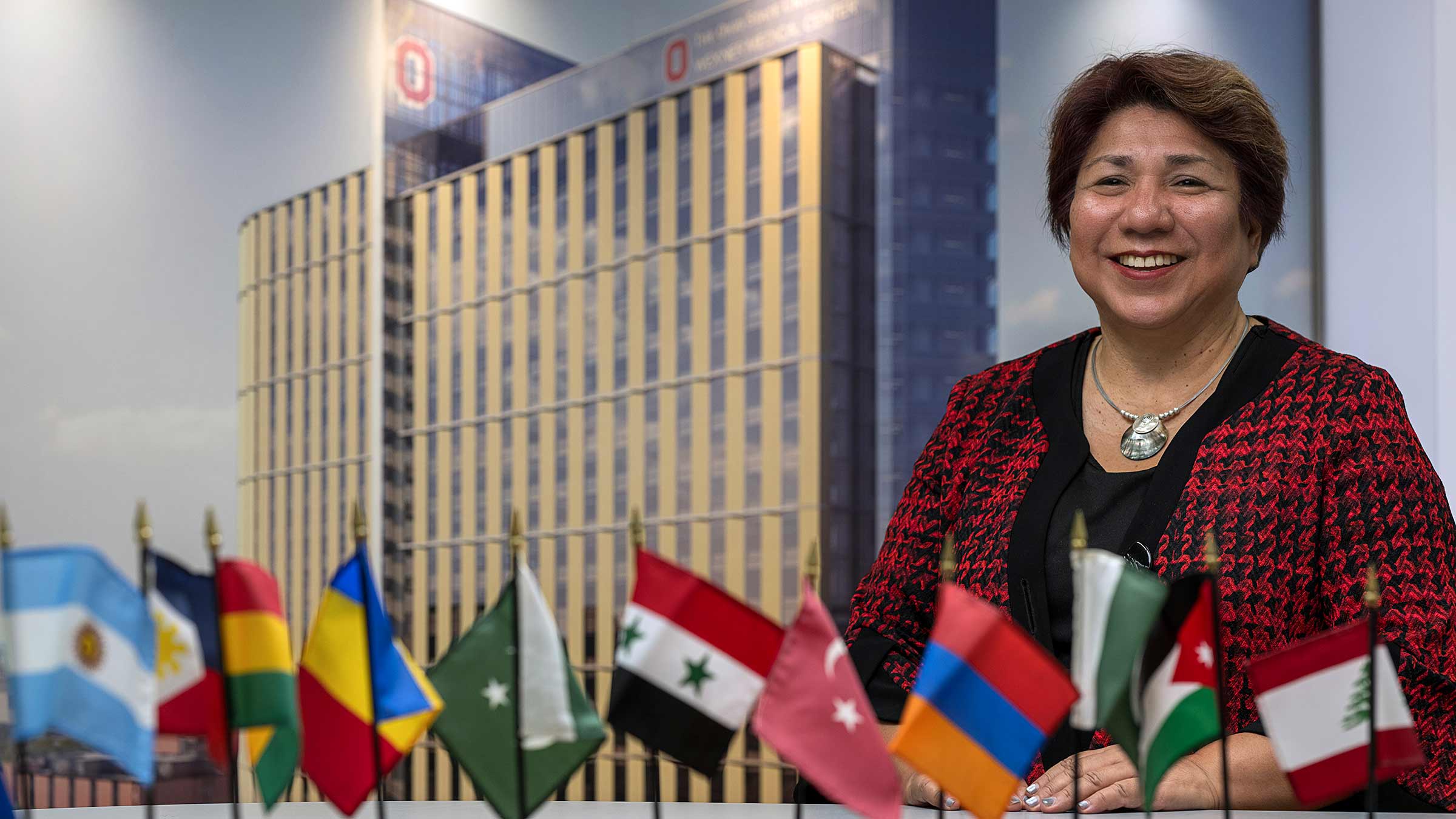
Milly Valverde, a director of Destination Medicine, was instrumental in bringing Alsheebani to Ohio State along with Rawya Abuhajleh, his care coordinator, who guided him and his family throughout the journey.
A second opinion leads to successful treatment
Alsheebani had spent a lifetime being shuttled in and out of emergency rooms and medical offices. He was diagnosed as a child with sickle cell anemia and suffered from bouts of extreme pain that could last for days, sometimes requiring hospitalization. For years, the only treatment options in UAE and surrounding countries were for the symptoms and not the actual disease.
Alsheebani was worn down by the pain that defined his life and was looking for a second opinion. He’d spent more than a year at a major U.S. health system, but the treatment for the disease wasn’t working. At the same time, Dr. de Lima was in Dubai and meeting with the UAE’s Department of Health in January 2024. It was there that he learned about Alsheebani and reviewed his medical history. It looked like he was a solid candidate for a recently approved sickle cell treatment that uses the gene-editing tool CRISPR, which is like tiny scissors for DNA. At the time, the OSUCCC – James was one of nine institutions approved by the gene therapy company for the treatment. Weary but hopeful, Alsheebani agreed to try the new therapy, traveling more than 7,000 miles to Ohio with two of his brothers.
Living in a country with a different culture and language can be overwhelming. From the beginning, Ohio State’s Destination Medicine team worked to make life easier for the three brothers, helping them fill out paperwork and setting up travel and housing. Interpreters ensured Alsheebani understood all steps of his care. When Alsheebani was strong enough, he and his brothers enjoyed outings set up by Destination Medicine, including attending a Buckeyes game in Ohio Stadium – their first football game ever.
“Khaled is such an amazing testament of resilience and strength. He’s very special to us, as are all the patients that we bring here,” says Valverde.
“Every patient is unique, and we work hard to personalize their stay here and make them as comfortable as possible,” says Valverde, whose team has helped coordinate the care of about 3,000 patients from around the U.S. and more than 120 countries over the past 14 years.
Gene therapy another option for sickle cell patients
Sickle cell anemia is one of the most prevalent genetic diseases in the U.S. and manifests as early as in utero. About 100,000 Americans are currently living with sickle cell disease, and the majority of those afflicted are Black. The disease affects millions worldwide, in particular in countries where malaria is or was common. In sickle cell patients, a gene mutation causes their red blood cells to become rigid and deformed, slowing or blocking blood flow.
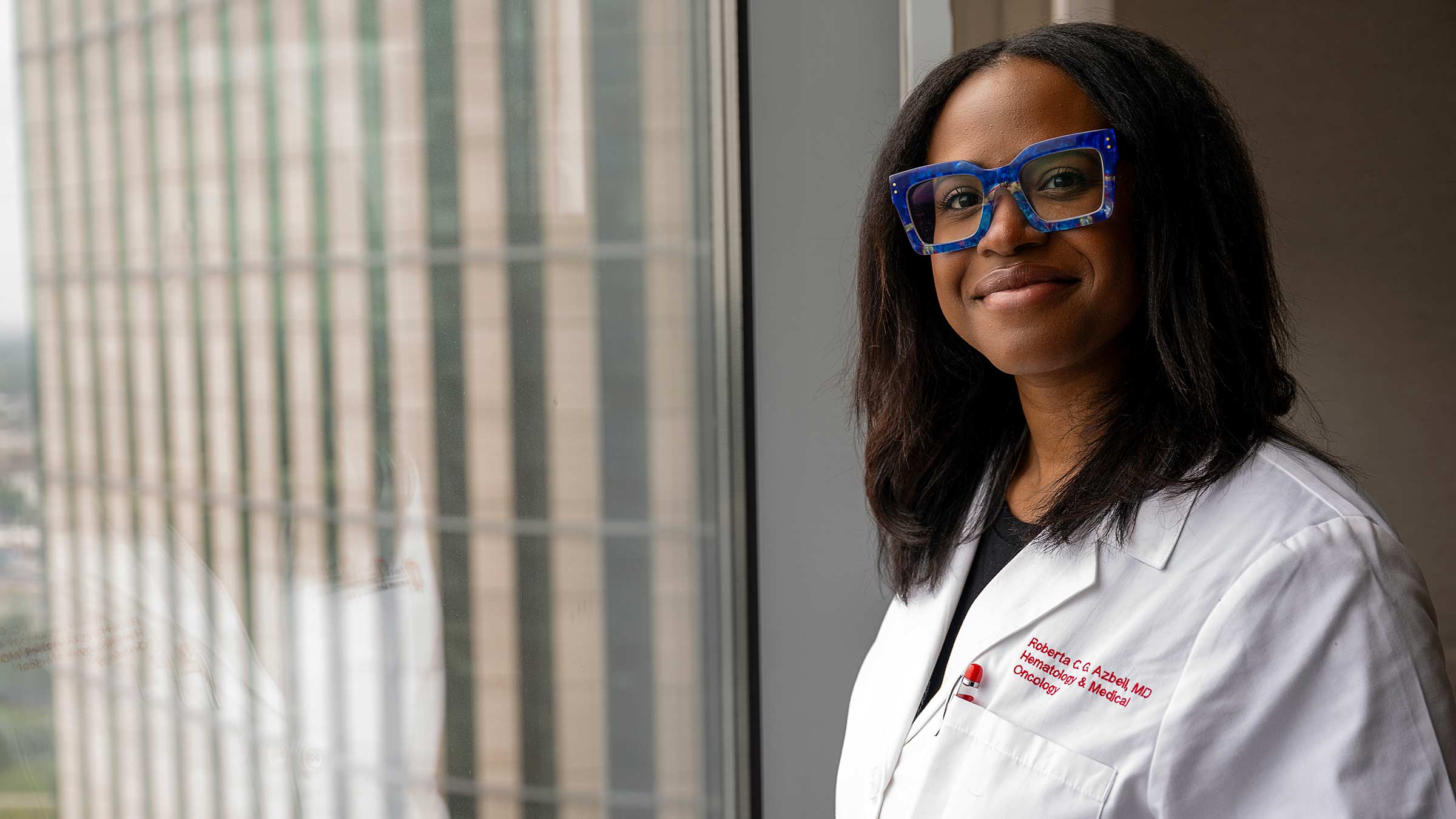
“The elongated or sickle shape of the red blood cell can get stuck in blood vessels and cause damage to the tissues. Pain is the hallmark of the disease and can be quite debilitating and lead to frequent hospitalization,” says Roberta Azbell, MD, a clinical assistant professor in the Division of Hematology who was instrumental in developing the curative therapies sickle cell program. Hematologist Regina Crawford, MD, leads Ohio State’s sickle cell program along with Azbell and Sherraine Della-Moretta, MD.
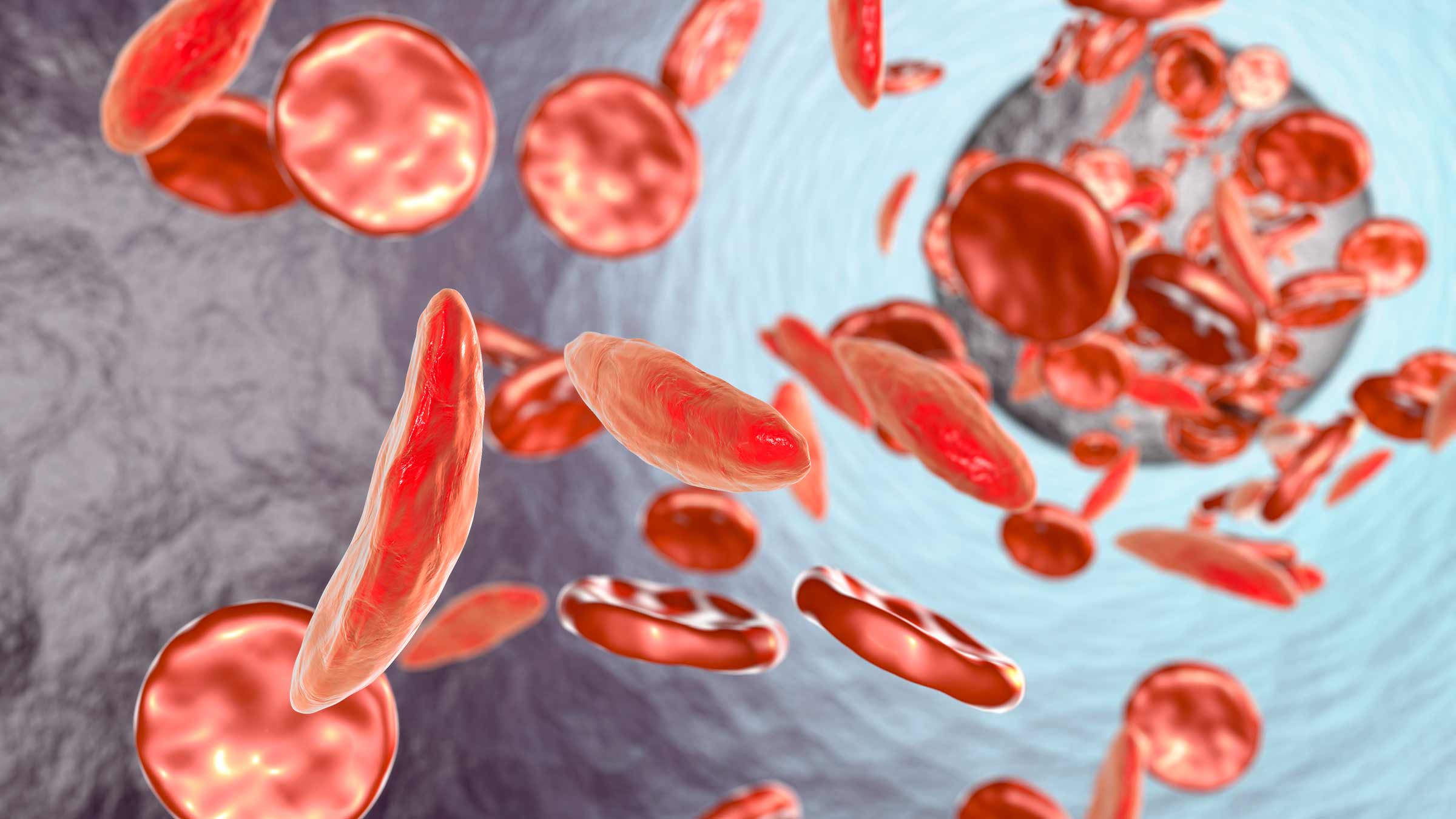
For the gene therapy procedure at Ohio State, Alsheebani’s medical team collected his stem cells by using a medication that moved them from his bone marrow into the bloodstream. The stem cells were sent to a lab and modified using CRISPR technology to produce more of the oxygen-carrying fetal hemoglobin protein. Increased levels of this protein can prevent the sickling of red blood cells. The edited stem cells were put back into Alsheebani’s body via an infusion after chemotherapy.
“Because of the chemotherapy that this treatment requires, you really need to have relatively healthy organs, which Khaled did because he was young. He also was a candidate because he didn’t have a closely matched donor available for a stem cell transplant, which is the only other option for a cure,” Dr. Azbell says. “While this therapy isn’t for everyone, there are many treatment options. We have a very robust adult sickle cell program and see 300 to 400 patients every year and offer comprehensive care as well as access to clinical trials.”
A lifelong illness that’s now manageable
“A proverbial village of care and coordination” is how Dr. de Lima describes the dozens involved in Alsheebani’s treatment at Ohio State and in the United Arab Emirates. Along the way, Alsheebani became close with his medical team and care coordinators, inviting them to his future wedding. When Dr. Azbell jokes she has a “lot of baggage” traveling with her young children, he insists they are all invited to stay at his house.
“He is just one of the warmest people I’ve ever met, and now he’s on the other side of this disease,” she says. “I get goosebumps when I talk about being involved from the beginning in the team that was able to deliver this potentially curative therapy to a patient.”
Alsheebani has a lifetime of missed experiences to catch up on, and he’s not wasting any time. He’s anxious to travel, play sports and start a family. Because he carries the trait for sickle cell, he and his future spouse will need to be screened to make sure they don’t pass the disease along if they have children. He’ll still need medical care because of the years of damage to his organs, but the frequent hospitalizations are a thing of the past.
Excited about the results of his treatment, Alsheebani has been sharing his journey with social media sickle cell support groups. He’s living proof that the therapy can work.
“I feel free and that I can have a normal life,” Alsheebani says.
“I received very good treatment from the medical team and supporting staff. They were with me every step of the way, and I can’t thank them enough,” Alsheebani says through Abuhajleh, his bilingual care coordinator.
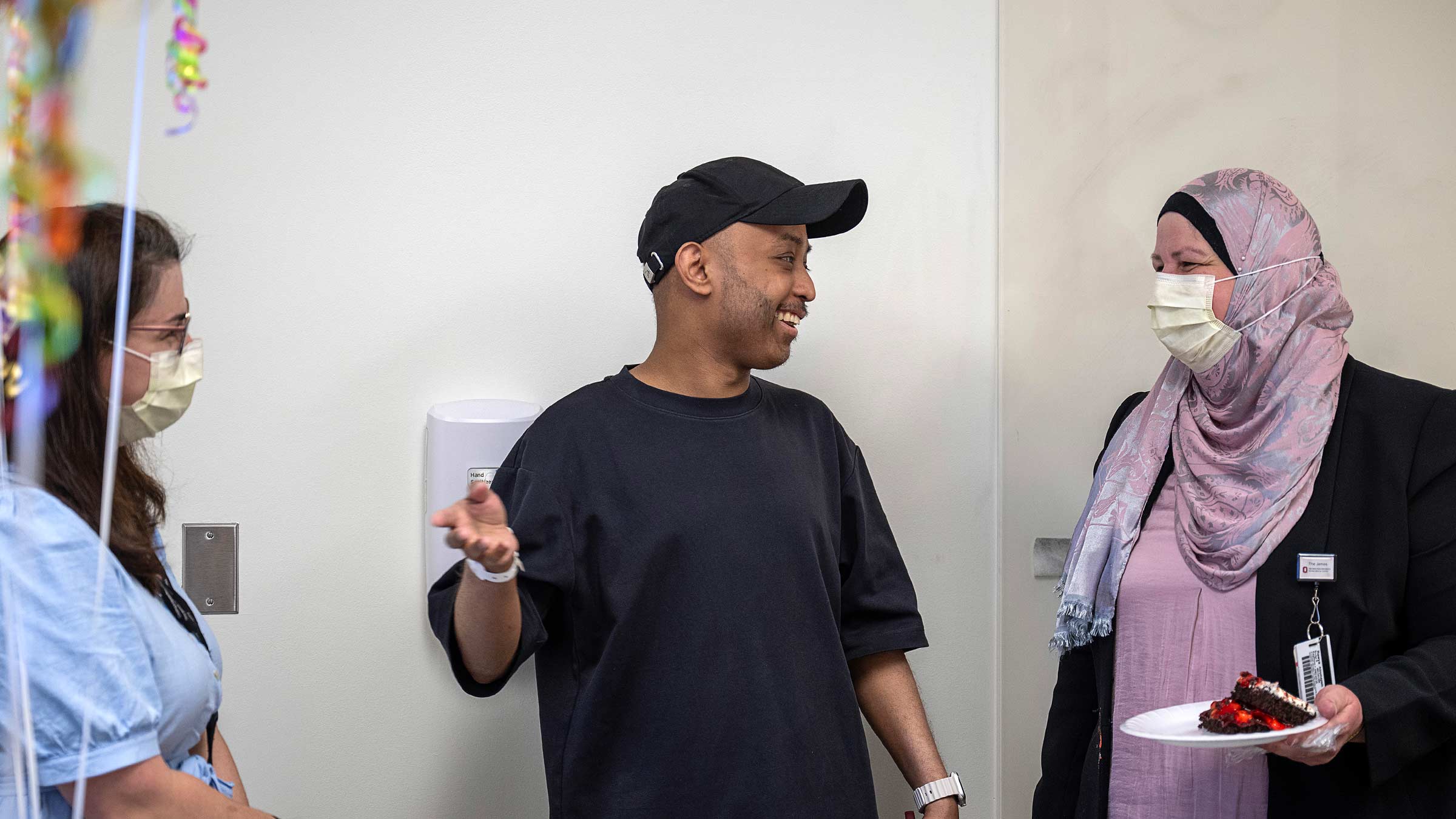
Alsheebani spent more than a year under the care of Ohio State, which continues to monitor his health a world away in partnership with the UAE’s Stem Cell Center and his medical doctors. His remarkable recovery has resulted in referrals to Destination Medicine for various medical care at Ohio State.
“Khaled is doing great, and now we’ve got more patients lined up for this new type of treatment,” Dr. de Lima says. “It’s so exciting to see these types of successes, which tap into Ohio State’s mission in academic medicine – to advance patient care, research and education.”

Pioneers in blood diseases and blood cancers
Experts at the OSUCCC – James are world-renowned leaders in blood disorders and cancers.
Learn more