They say the eyes are the windows to the soul.
They’re also often the first place that creates a fatigued look. For many patients, it may not match how they feel but it’s how they look to the outside world.
That's what leads them to consider a blepharoplasty – a procedure that removes excess skin around the eyes.
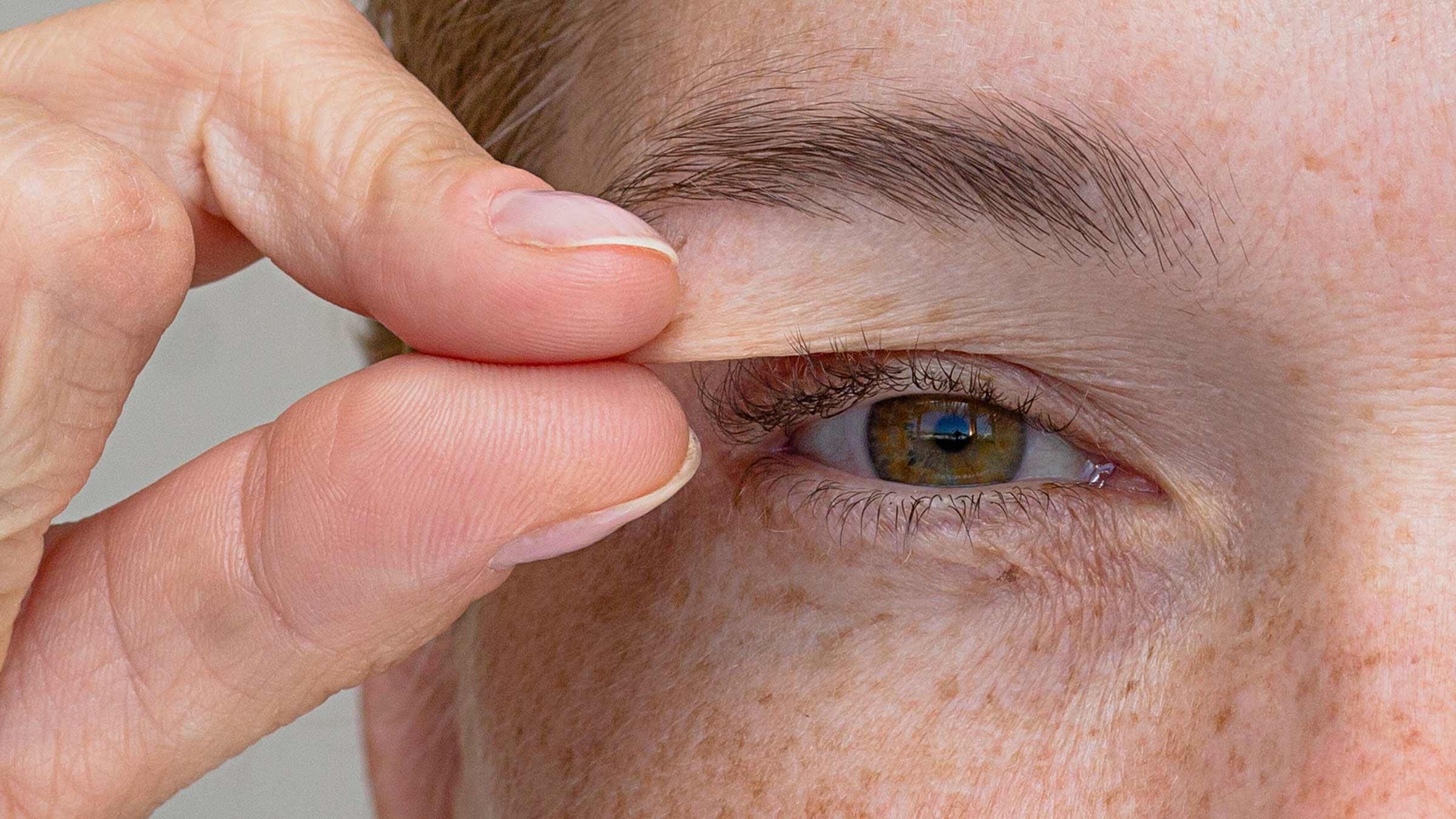
Most patients want to look rejuvenated – it’s not uncommon that over time as people age, they start to notice some excess skin causing upper eyelid “hooding” or “bags” under their eyes which make them look more tired.
Upper vs. lower blepharoplasties
There are two types of blepharoplasties targeting either the upper or lower eyelids. But it’s not uncommon for some people to have both types done.
Upper blepharoplasty involves removing excess skin in your upper eyelid and also sometimes removing some medial fat which may be protruding and contributing to the hooded appearance of your lids.
This procedure alone can be done awake in the office with just some local anesthesia. It takes about 30 minutes. The incision for an upper blepharoplasty is typically hidden in your natural eyelid crease. Sutures are removed five to seven days post op.
Lower blepharoplasty involves carefully removing excess fat in your lower eyelid that may be protruding and contributing to “undereye bags.” Sometimes it is also combined with skin removal if there’s significant excess skin. Not infrequently, this may also be combined with an ablative laser to tighten the skin in this area.
An incision for a lower blepharoplasty is typically made inside your eyelid, or your conjunctiva, so you will not see this incision at all. Sometimes, if excess skin needs to be removed, you will have a small incision right near your lash line.
Whether it’s an upper or lower blepharoplasty, the scars are nearly invisible once everything is healed. After about two to four weeks of recovery, the result is a more rested appearance that shows benefits for years to come.
What to expect at your first blepharoplasty consultation
When someone comes in and wants a blepharoplasty, your surgeon will perform a very detailed history and exam in order to determine what may be contributing to the “tired” appearance around their eyes.
A thorough exam can determine whether your concerns are related to excess skin, fat or another issue around the eyes. If excess skin or fat is the cause, a blepharoplasty can often improve it.
A surgeon should also take into account your overall eye health. If you have a history of dry eye, you may not be an ideal candidate because surgery can sometimes worsen it. If you’ve had LASIK, we typically wait at least six months before considering blepharoplasty.
During your consultation, don’t hesitate to ask questions until you feel fully informed.
Ask about the technique, where the incision will be placed and what your surgeon expects to remove. The details may vary somewhat from one surgeon to another.
Make sure you feel completely comfortable with your surgeon prior to proceeding.
What a blepharoplasty can’t fix
- Ptosis, or a droopy eyelid condition related to your upper eyelid muscles, cannot be repaired alone with a simple upper blepharoplasty. It might require additional surgical steps to repair the muscles.
- If your eyebrow position is low, that may also contribute to the appearance of upper eyelid hooding, so you may be a good candidate for a brow lift as well.
- The procedure can’t change the overlying quality of your skin – that is best achieved with a daily skin care regimen, and non-surgical treatments such as laser or microneedling may help with overall skin resurfacing as well. It's not uncommon that one of these factors may also be contributing to your concerns, so it’s important to get evaluated by an aesthetic clinician. You may need a combination of procedures to get the results you want.
More patients are seeking blepharoplasties at an earlier age, and that’s not necessarily a bad thing if the appropriate indications are there. Recovery is often easier when patients are younger and healthier. While the results may be more subtle, it’s a natural look that can make a meaningful difference in a patient’s overall confidence.
Avoiding a hollowed out look
It shouldn’t be obvious what kind of surgery you had done – the goal is for people around you to notice that you look more refreshed, but they don’t know what’s necessarily changed on your face. Results should not be overdone.
The key is to be mindful of how much fat in the undereye area you need removed – if a surgeon removes too much fat, you will look hollowed out.
If not enough is removed, you’ll still have bags. During surgery, I remove a little bit of fat at a time and constantly check to see how things look before removing more.
Types of doctors who perform blepharoplasties
There are doctors in different specialties who can perform blepharoplasties.
- Plastic surgeon – These are surgeons who often specialize in cosmetic or reconstructive surgery. Additionally, some specialize only in facial surgeries.
- Oculoplastic surgeons – These are often ophthalmologists – medical eye doctors – who also have specialized training in plastic surgery around the eyes.
- Dermatologists – Some dermatologists are skilled to perform blepharoplasties as well and often have additional surgical fellowships
Either type of doctor can perform blepharoplasties. As a patient, you can ask how often they do the procedure and whether their before-and-after results align with what you want.
A cosmetic blepharoplasty is not covered by insurance. But if excess upper eyelid skin limits your field of vision, the procedure may be considered medically necessary.
How long blepharoplasty recovery takes
You’ll likely have most of your bruising and swelling for one to two weeks after surgery. After that, mild swelling will still persist for several weeks and gradually improve over time
Immediately after surgery, you should ice the area to prevent swelling, and you may get eye drops and/or ointment to apply after surgery.
Relatively speaking, this is not a very painful surgery. Most pain management protocols involve non-narcotic medications.
For any facial aesthetic surgery procedure, the goal is to achieve natural results – most people don’t want to look different; they just want to look refreshed.

Refresh your look
At Ohio State, our expert plastic surgeons provide personalized care to help you achieve your goal of a more rested, refreshed and renewed appearance.
Learn more about eyelid surgery