If you’re over the age of 2, you’ve probably had respiratory syncytial virus (RSV) at some point in your life. RSV is a common virus of the upper respiratory tract that usually causes mild, cold-like symptoms, so you probably didn’t realize you even had it.
However, in young children, older adults and people with chronic health conditions, RSV can lead to serious illness and even death. According to the U.S. Centers for Disease Control and Prevention (CDC), RSV leads to 58,000 to 80,000 hospitalizations in children under age 5 each year in the United States. In adults 50 and older, that number rises to 110,000 to 180,000.
That's why it's important for older adults to get an RSV vaccine. The current recommendation from the CDC is that any adult 75 or older and adults ages 50 to 74 at increased risk of severe RSV receive a single dose of the vaccine. Pregnant people can also receive a vaccine to help protect their baby.
Available RSV vaccines
There are currently three RSV vaccines licensed by the U.S. Food and Drug Administration (FDA), from drug manufacturers GSK (Arexvy), Moderna (mResvia) and Pfizer (Abrysvo). They’re given in a single dose, and they can be given at the same time as other vaccines, such as the flu shot.
When to get an RSV vaccine
You don’t have to get the RSV vaccine annually, so if you got one last year, you don’t need another right now.
But if you haven’t gotten an RSV vaccine since May 2023, you’ve likely never gotten one, because that’s when the first of these vaccines was approved by the FDA.
You can get an RSV vaccine at any time of the year if you’re eligible for one. It’ll have the most benefit for your immune system, though, if you get one in late summer or early fall, just before RSV season.
When is RSV season?
RSV peaks during the colder months – it normally starts in September to November, peaking in December to February and ending in mid-April to mid-May.
Who’s at risk for more severe RSV
Risk factors that can increase your risk for severe symptoms from RSV include being 75 or older, living in a nursing home or assisted living facility, and having one of the following conditions:
- Chronic heart disease
- Chronic lung or respiratory disease
- Chronic liver disease
- Chronic hematological conditions, such as sickle cell disease or thalassemia
- Neurologic or neuromuscular conditions that can cause respiratory muscle weakness or impaired airway clearance
- End-stage renal disease
- Need for hemodialysis
- A weakened immune system
- Diabetes that requires insulin or an SGLT2 inhibitor
- Diabetes that’s complicated by chronic kidney disease, neuropathy, retinopahy or other end-organ damage
- BMI at or above 40
- Other moderate or severe immune impairment
RSV vaccines in pregnancy
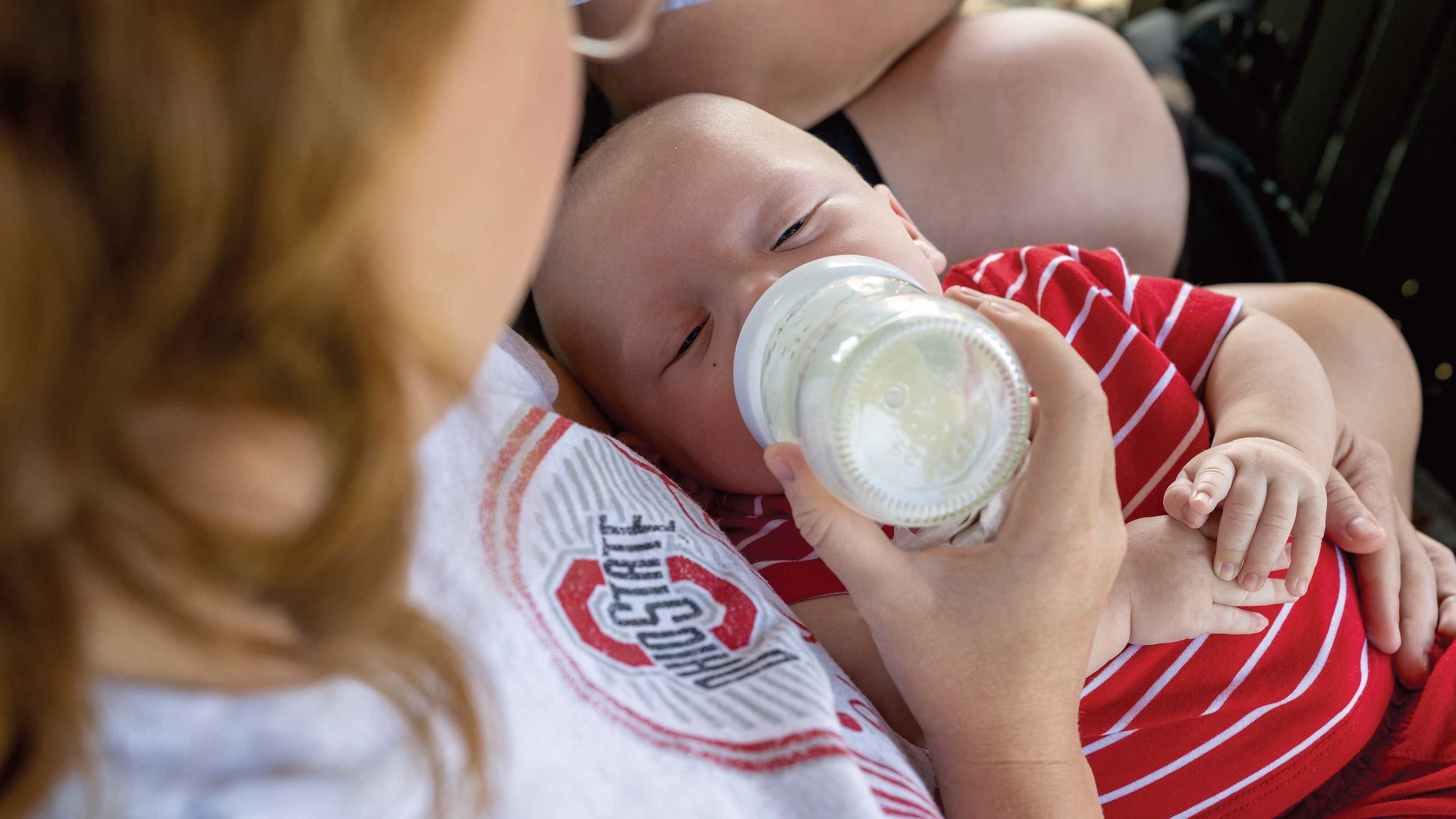
The CDC currently recommends that people who are pregnant get a maternal RSV vaccine (Abrysvo, from Pfizer) during weeks 32-36 of pregnancy to help protect the baby from RSV for about the first six months after birth. The maternal vaccine helps babies develop antibodies against RSV.
If the vaccine isn’t given during pregnancy, babies younger than 8 months can receive an RSV antibody (there are two options, called nirsevimab and clesrovimab) that can provide protection for at least five months.
If you’re pregnant and got an RSV vaccine in a previous pregnancy, the CDC doesn’t recommend another dose. Your baby would be given an RSV antibody after birth, instead. You can talk with your doctor or your baby’s pediatrician for specific recommendations for your family, because certain health conditions may affect which method of antibody protection is best for your baby.
RSV symptoms to know
Initial RSV symptoms are pretty nondescript. They include:
- Congestion
- Runny nose
- Dry cough
- Sore throat
- Low-grade fever
- Headache
- Wheezing
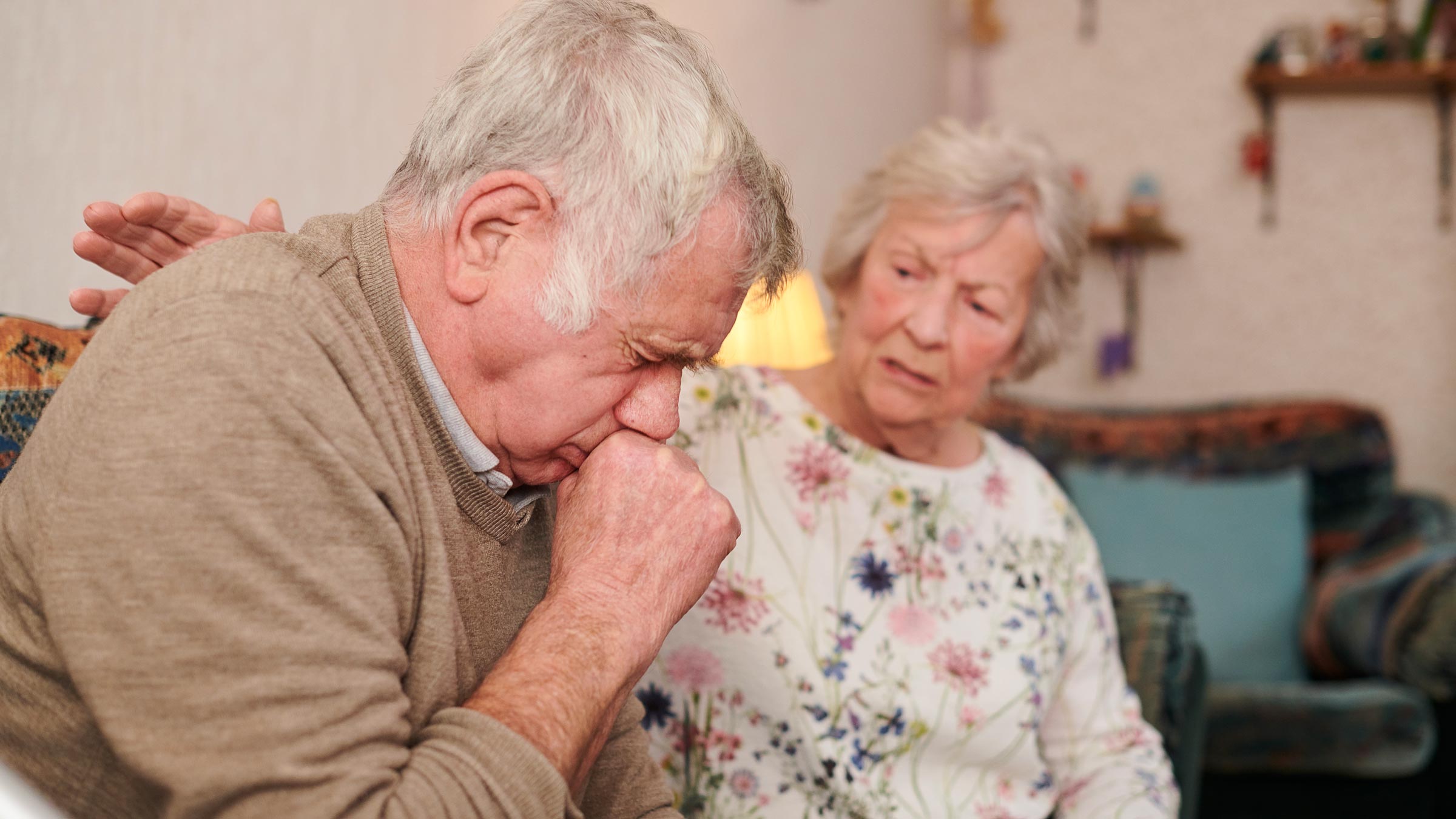
Most people with RSV think they have a cold or the flu. If you spike a fever, experience shortness of breath or have severe wheezing, you’ll need to visit your doctor.
RSV treatment options
Unlike with the flu, there’s no specific treatment for RSV in adults. Antibiotics and antiviral medications won’t help. But eligible adults can get an RSV vaccine now to prevent illness.
I usually recommend plenty of fluids to thin secretions, acetaminophen (Tylenol) to lower fever, and patience. Mild cases of RSV usually run their course in one to two weeks.
RSV can cause serious illnesses, especially in younger kids and older adults
RSV can lead to serious lower respiratory tract infections, such as bronchitis and pneumonia, because the virus causes secretions in the lungs. Young babies, older adults and people with suppressed immune systems or chronic illnesses, such as lung or heart disease, can develop more serious infections because they can’t compensate for the mucus or fluid in their lungs. In young children, their small airways narrow with bronchiolitis, making it hard for them to breathe. Adults may have difficultly coughing up the thick mucus. If hospitalization is required, patients may receive supportive care and be placed on oxygen or ventilation to help improve breathing.
How RSV spreads
Good hand hygiene can prevent RSV, because RSV is spread through coughing, sneezing and coming into contact with surfaces that have the RSV virus on them and then touching your eyes, nose or mouth.
To prevent RSV, wash your hands often, cough and sneeze into your elbow, avoid sick people, don’t share towels or toothbrushes, and routinely clean high-touch surfaces, such as doorknobs and countertops.

Need medical care quickly, but don’t need an emergency department?
Ohio State Advanced Urgent Care provides convenient, walk-in care for common conditions and serious, non-life-threatening illnesses and injuries — no appointment needed.
Find a location