Breaking the cycle of addiction in pregnancy
Ohio State program welcomes people without judgment, to improve the odds for pregnant patients and their babies.
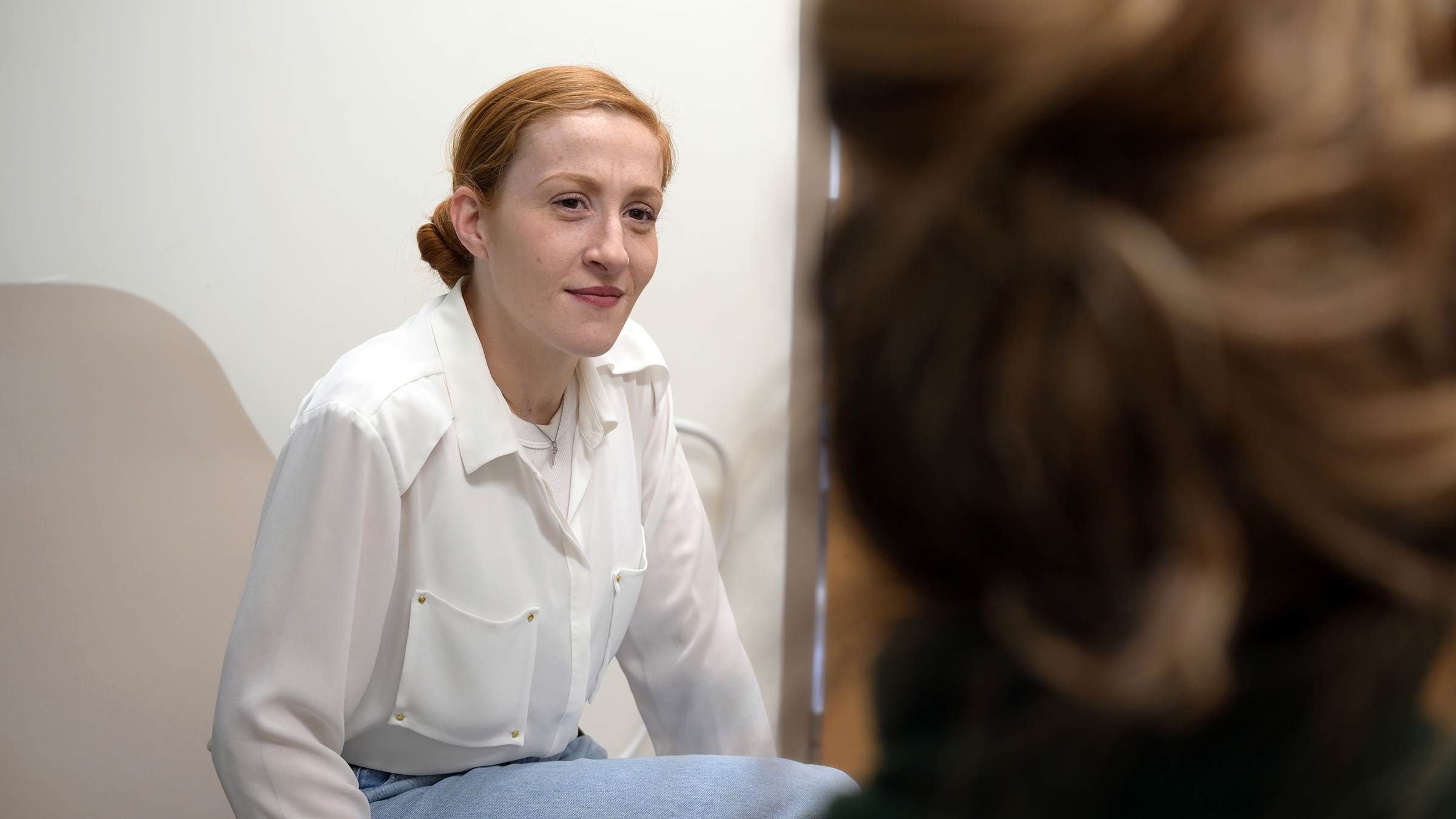
Chloe Lengle knew she needed help. She was six months pregnant with her second child, recently released from incarceration and gripped by a severe substance use disorder (SUD). Her story illustrated the relentless, devastating progression of the disease and the system’s failures – six residential treatment admissions and 14 involuntary withdrawal periods from crack cocaine and fentanyl in county jail. “I was a mess. I went to rehab, prison, and left town to stay with family, but there’s no geographical cure. You take your problems with you wherever you go,” Lengle says.
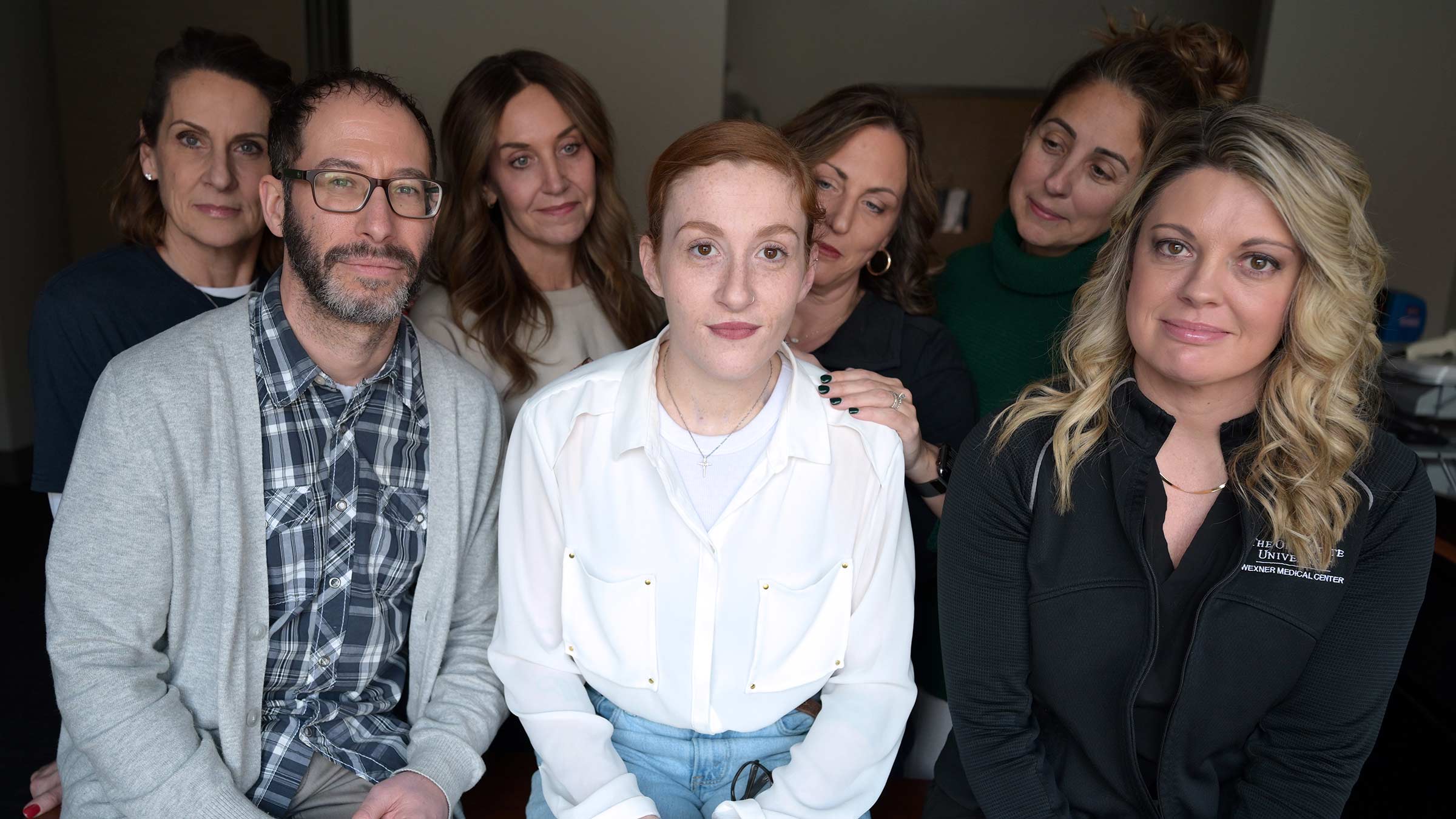
Shattered by years of chronic disease, Lengle arrived at The Ohio State University Wexner Medical Center Substance Abuse Treatment, Education and Prevention Program (STEPP) for prenatal care with nothing, not even a form of identification. “I was at a very low point, and they welcomed me with open arms. It was the strongest support system I could have ever imagined,” Lengle says.
STEPP was founded for pregnant women with addiction in 2013, shortly after Ohio hosted its first opiate summit to address the statewide epidemic. At the time, Ohio was an epicenter for substance use disorder, and reproductive-aged women weren’t exempt. “People were coming, whether we were trained to handle them or not. We embraced the opportunity to provide whole-person care instead of delivering the subpar, stigma-ridden, inconclusive, poor care they were used to,” says Kara Rood, MD, medical director of STEPP and associate clinical professor of Obstetrics and Gynecology.
The stakes were high, but Dr. Rood and her team saw no other choice. Overdose was the No. 1 cause of maternal death, either during pregnancy or in the first year postpartum, according to a 2018 report from the state of Ohio.
Combining prenatal care and addiction treatment
In pregnancy, even many controlled medications are off limits, due to possible harmful effects or inconclusive evidence. When a pregnant person actively uses opiates or is on medication for opiate use disorder, a general Ob/Gyn often lacks experience in addiction medicine. Meanwhile, addiction treatment centers often aren’t comfortable treating pregnant patients.
The clinical team at STEPP has dual training in prenatal care and addiction treatment. “We mesh these two disciplines together to have a co-located, one-stop shop to break down barriers to care in a judgment-free zone,” Dr. Rood says.
Addressing the root of the problem
Substance use in pregnancy isn’t new. Those coming to STEPP seeking prenatal care carry decades of stigma, beginning in the 1980s when the term “crack baby” first entered the lexicon. “People would talk about these poor babies and the billions of dollars it’s costing our healthcare system, and at Ohio State, we realized you have to go upstream to the mom if you truly want to make a difference,” Dr. Rood says.
By providing wraparound services during pregnancy and for one year postpartum, 2024 STEPP statistics show 66% of women don’t return to substance use.
For Lengle, the STEPP program mobilized every resource to eliminate barriers, as she began to heal from a complex clinical history shattered by years of disease progression. “You’re not running all over town trying to get care because that’s not doable. They really center it around the most at-risk population of our community,” Lengle says.
Removing barriers to prenatal care
Shame is one of the biggest barriers to seeking prenatal care. As the STEPP clinical social worker, Audra Jordan, MSW, regularly sees people try to quit using drugs when they find out they’re pregnant but then fail. “They’re afraid to get medical care because they know it’s wrong to use substances when they’re pregnant,” she says.
The team at STEPP keeps people coming back by accepting them as they are and by developing a safe relationship over time.
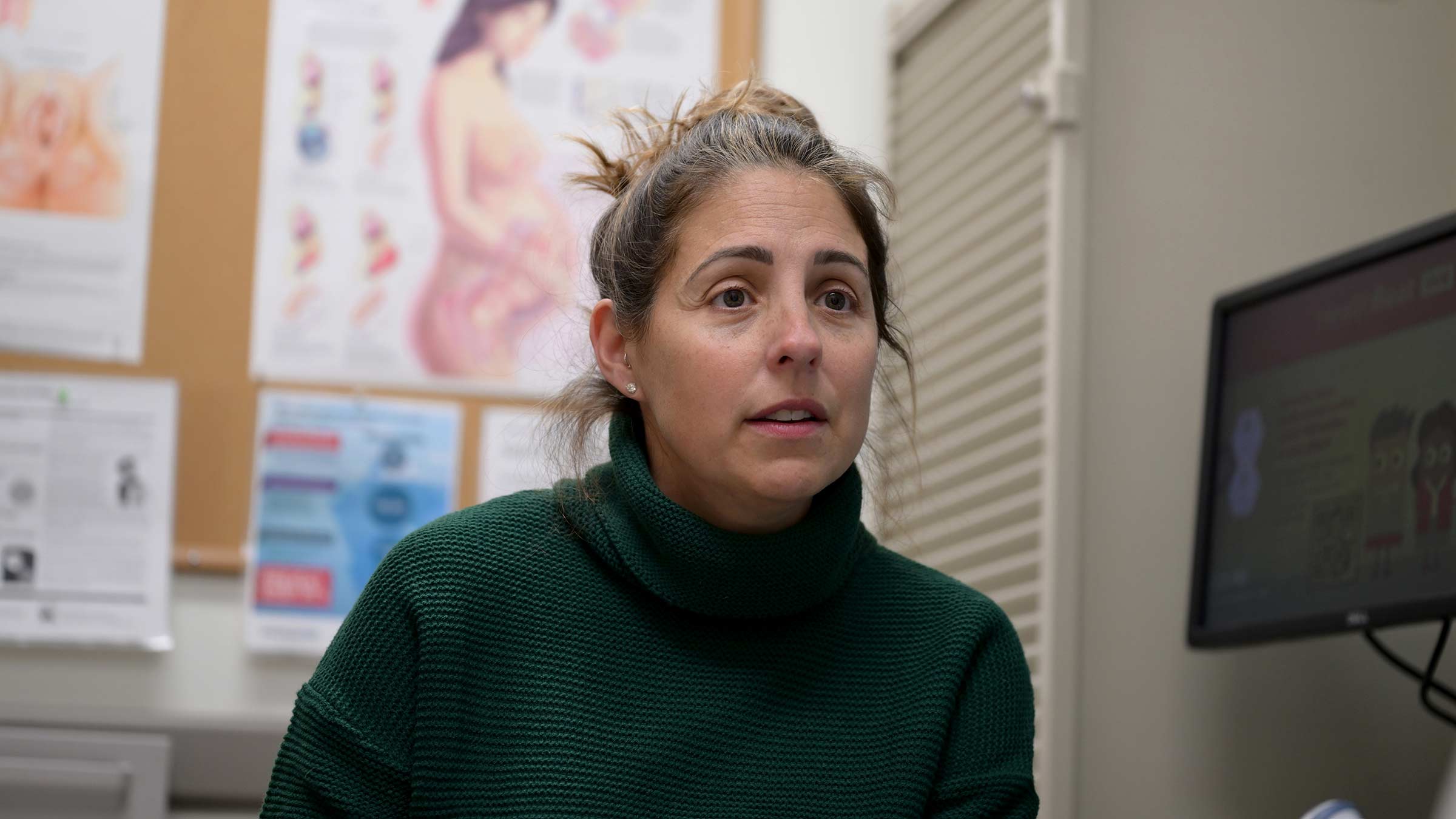
“We’re not here to judge; we’re here to provide care,” Dr. Rood says.
From the start, people who come to STEPP are congratulated for showing up to that first appointment, which is the hardest one. From there, no two journeys are the same. “When somebody has a chronic disease of addiction, return to use or relapse is part of the disease process, which we explain from the beginning, so people are less scared and resistant to engage in care,” Dr. Rood says.
Jordan’s job is to keep patients coming back. She calls them regularly and often becomes one of the most trusted, stable support people in patients’ lives.
How STEPP changes the odds for addiction in pregnancy
As part of the high-risk maternal-fetal medicine program, the STEPP clinic provides comprehensive prenatal care, from labs and screening tests to exams and birthing classes. Participants also access integrated healthcare, addiction treatment, mental healthcare and group therapy sessions.
To do that, the team starts by building trust in women who are so used to being marginalized.
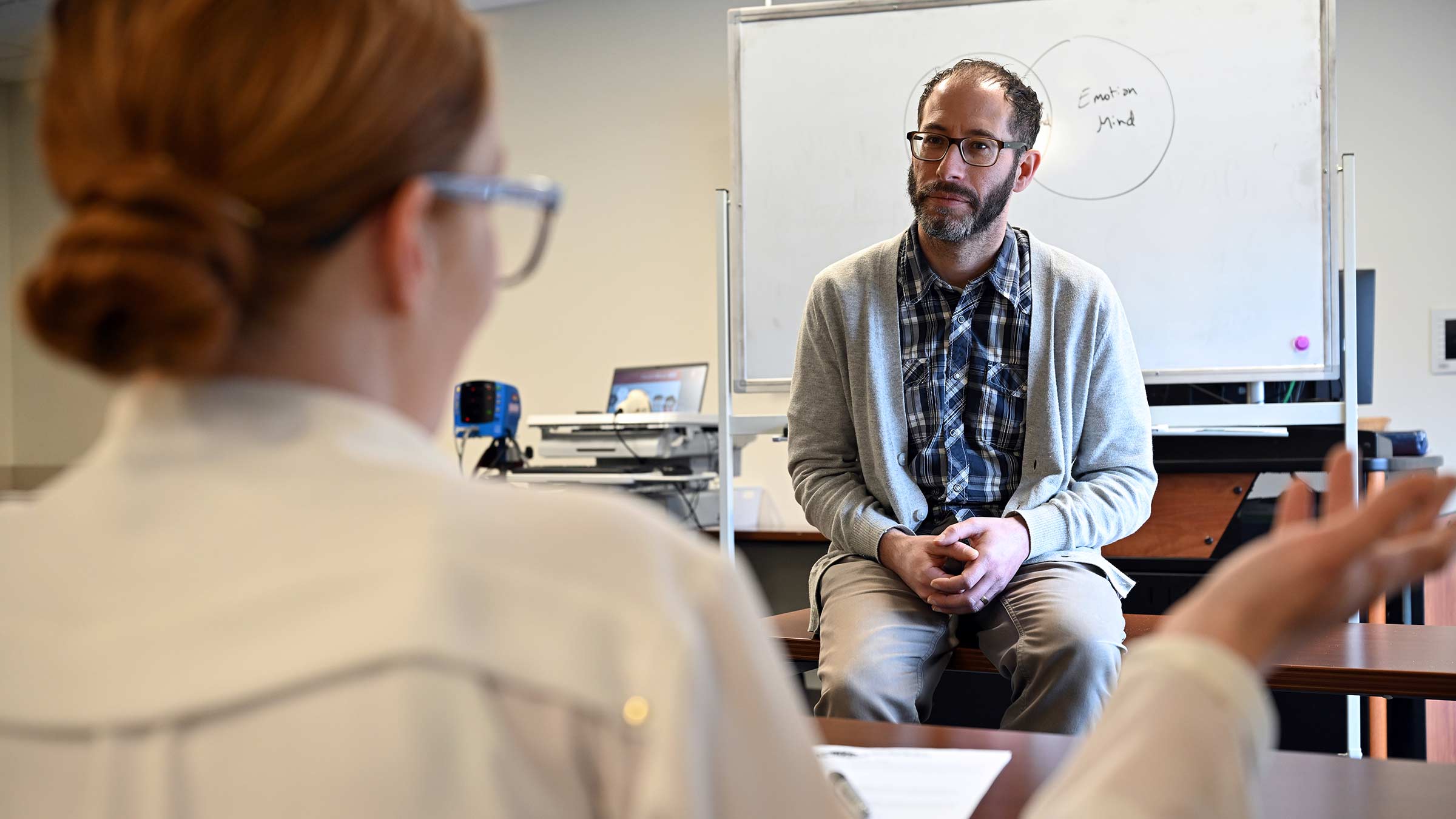
Today, the STEPP clinic supports 250 women annually from pregnancy through one year postpartum. Data shows participants in STEPP have:
- Decreased rates of preterm births
- Increased rates of breastfeeding
- Decreased admissions to the neonatal ICU for infant opiate withdrawal syndrome
- Improved rates of babies discharged home to their moms
- Increased rates of participants staying on prescribed medication for opiate use disorder
Addressing social drivers of health
The complex challenges faced by pregnant women with SUD are profound. So, too, are the ways the staff at the STEPP clinic help.
“They provided every resource, like car seats, high chairs, clothing, diapers and even job search support. They ensured I had the basic dignity of being able to provide for my baby,” Lengle says.
STEPP helps women manage everything that comes with the lifestyle of addiction, including post-traumatic stress disorder, trauma recovery, infectious disease treatment, navigating child protective services and even tattoo removal for victims marked by sex trafficking.
Finding a community of support
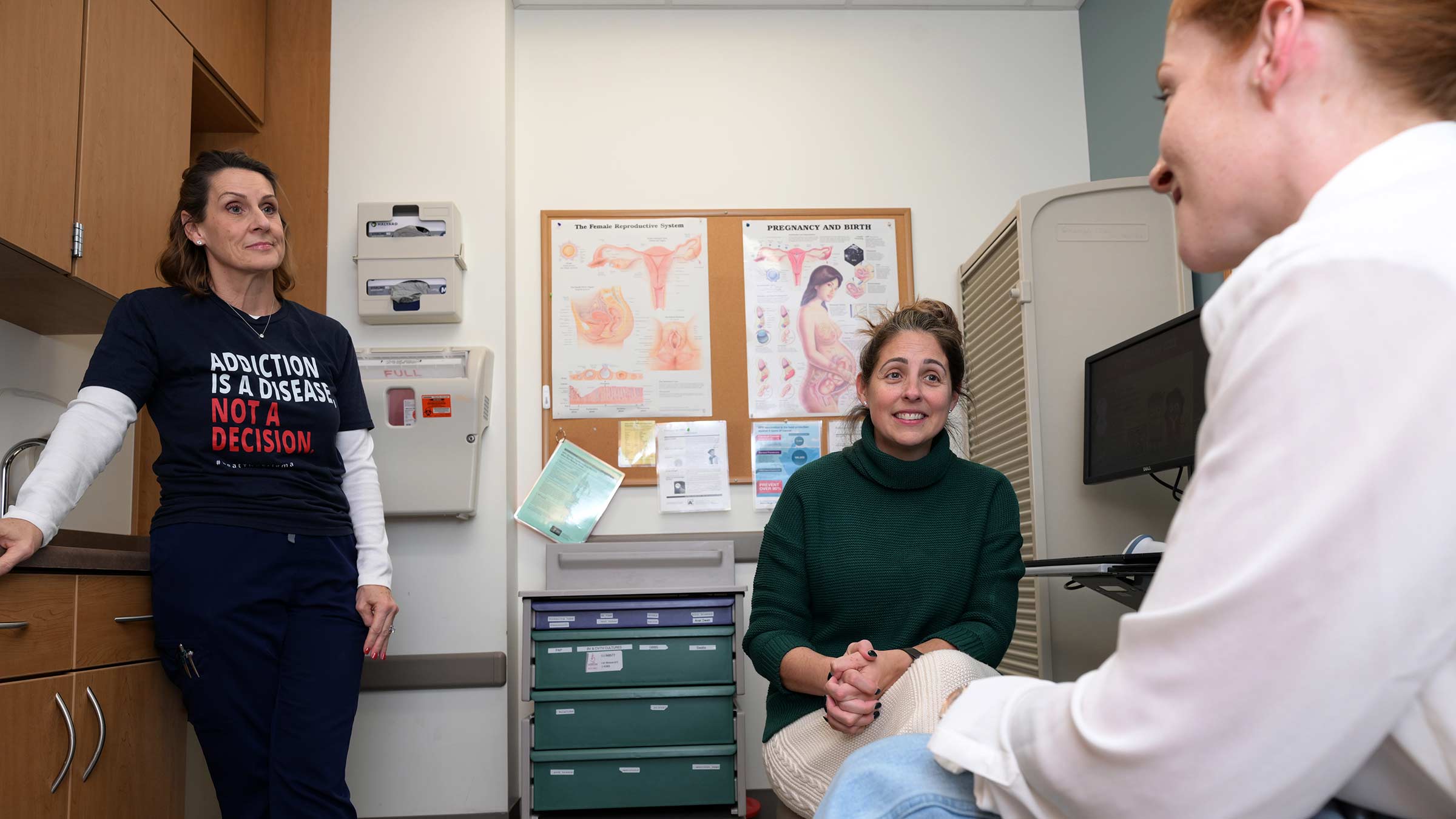
STEPP participants connect over weekly conversations in therapy groups and monthly education classes on everything from medications for opiate use disorder to baby milestones and managing a household budget.
“So many of our patients are isolated and lonely in their recovery, so the therapy is not just a treatment opportunity – it’s community building,” Dr. Vilensky says.
Postpartum continuity proves to be critical
As the STEPP program grew over the years, the clinical team found participants weren’t ready to leave shortly after the birth. At the same time, data in the United States showed the highest risk for maternal mortality and overdose was between 6 and 9 months postpartum. “We keep them for a year, because that’s the biggest time of risk of relapse, overdose and suicide,” Dr. Vilensky says.
In that year, participants continue to access addiction treatment, mental healthcare, pediatric care for their children and educational parenting classes.
“We try to set them up for success once they complete the program and then facilitate a warm handoff to a community provider,” Dr. Rood says.
Harm reduction saves lives
Not everyone who comes to the STEPP clinic overcomes substance use disorder. Dr. Rood and her team carry those they lose to overdose on their hearts. “It humbles you that this is such a horrible disease that’s just not predictable,” she says.
Still, everyone who visits STEPP benefits, even in small measure. Harm reduction in one visit might mean handing over Narcan with instructions on how to use it in case of an overdose, checking on the baby’s vital signs and ensuring a patient has food and a safe place to stay.
Eventually, that patient might return ready to make bigger changes, like Lengle did years after first visiting the STEPP clinic. “If we focused on anything other than harm reduction, we wouldn’t get them to come back,” Jordan says.
Even in the latest stage of pregnancy, it’s not too late to get support. “We’ve had patients come in at 39 weeks, saying they need help, and we’ve helped them detox, deliver and then stay with us. That’s very rewarding, because they literally came in at the last second, and made that decision for their baby,” says Heather Bowden, RN, STEPP nurse.
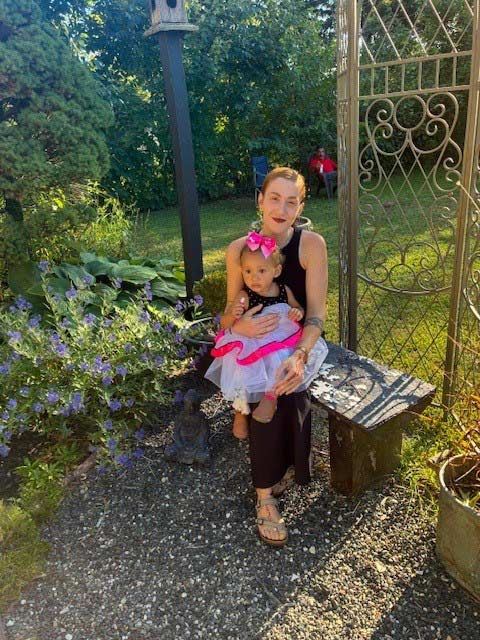 Today, Lengle works in harm reduction, supporting pregnant and postpartum women who are actively using or in early recovery. She was connected to her position through her therapist, Dr. Vilensky, and now uses her lived experience to inspire others. “I’m able to apply the knowledge and compassion I gained at STEPP every day. That education saved my life,” she says.
Lengle’s story isn’t unique, says Dr. Rood. Many people come to the STEPP clinic at the lowest point in their addiction journey. “When we meet them, they have nothing, and now they have their own house, a steady job, several of them have gone back to school and were able to regain custody of their kids. We just make a big difference for the whole family,” Dr. Rood says.
For Lengle, each day is about living intentionally in remission from a chronic disease. “I can’t afford to live on autopilot. Every moment is a deliberate choice to sustain my well-being and be present for my children. The intensity of that dedication is exhausting, but the clarity and peace I have now are worth it.”

Help and hope for addiction in pregnancy
Learn more about the STEPP program