Before a baby’s first breath, Ohio State gave him a fighting chance
Pregnancy experts help baby survive rare condition, alloimmunization, in which a mother’s blood is incompatible with her baby’s blood.
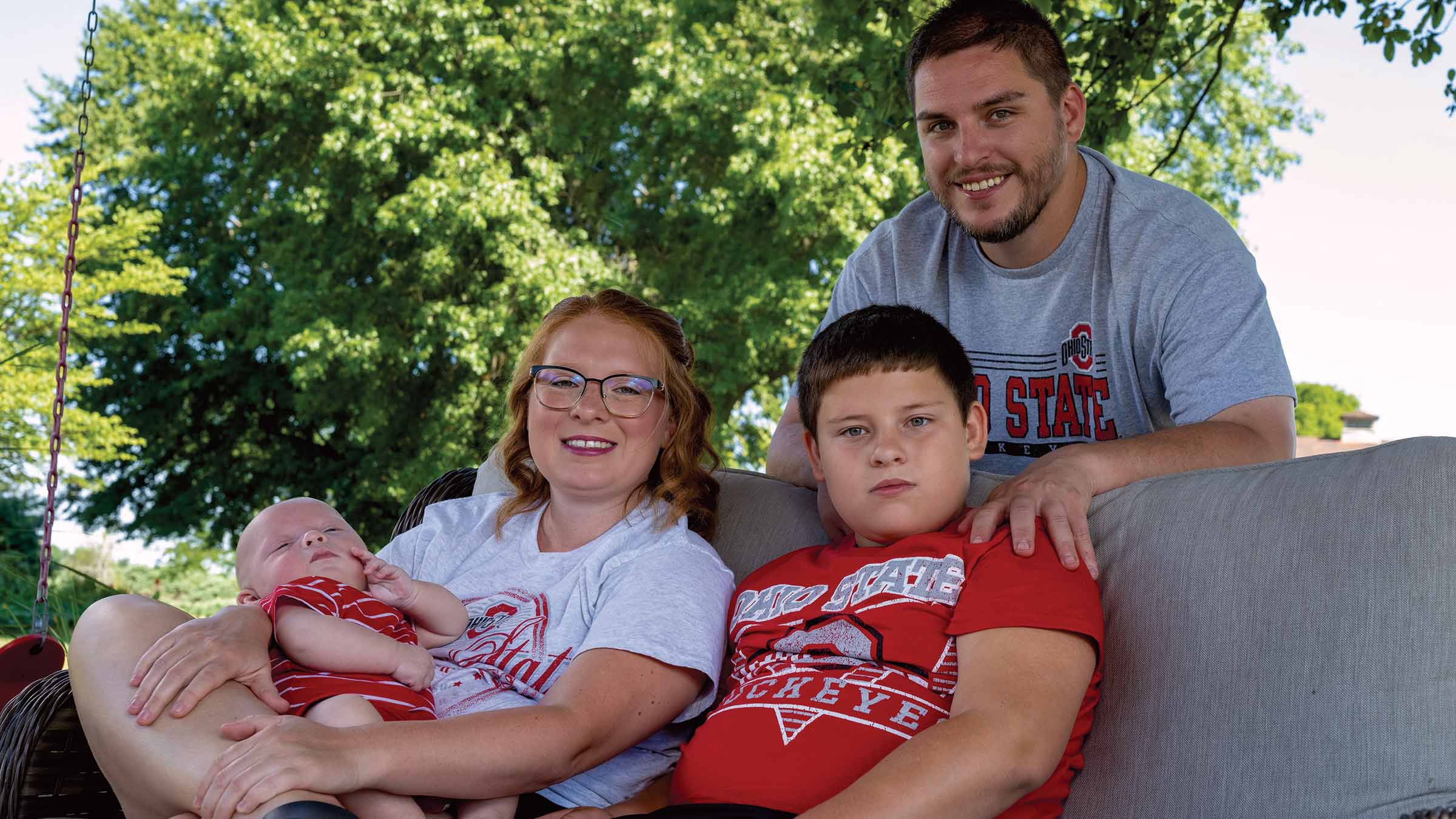
Isaiah naps in the crook of his mother’s arm as she talks about when he was born, just four months earlier.
After a pregnancy with seven blood transfusions to keep Isaiah alive, Tori McDaniel couldn’t quite believe she was holding him for the first time. He’s here. He’s OK.
For much of her pregnancy, no one could assure her of that.
Rare prenatal condition puts baby at risk
A rare condition caused McDaniel’s immune system to mistake her growing baby’s red blood cells as a threat and attack them.
Isaiah had inherited certain proteins on his red blood cells from his father that were incompatible with his mother’s red blood cells. As a result, his mother’s immune system produced antibodies, protective proteins, to attack Isaiah’s red blood cells, a condition called alloimmunization. Isaiah was at risk of anemia, heart failure, brain damage, even death.
It was painful for McDaniel to grasp: Her body was working against the baby it was meant to protect.
“I felt like I was the cause of it. No matter how much people kept telling me I wasn’t. My body was attacking his. There’s no way of getting around that,” McDaniel says.
When their first child, Issac, was born over a decade ago, after a problem-free pregnancy and birth, some of Issac’s blood came into contact with his mother’s blood. That triggered her immune system to make antibodies against red blood cells containing that foreign protein. Those antibodies would eventually react against baby Isaiah’s red blood cells.
Turning to Ohio State Maternal Fetal-Medicine specialists
A blood test within the first trimester had alerted McDaniel her blood was making antibodies that crossed the placenta and posed a threat to her second son.
The more she researched her condition online, the more she worried.
“Everything you google says if you don’t get proper treatment, it can be fatal for the baby,” she says.
In rural Hardin County, where McDaniel lives, a little over an hour northwest of Columbus, there are no specialists in alloimmunization. Her local obstetrician-gynecologist referred her to The Ohio State University Wexner Medical Center.
“At first, I didn’t really know what was going on,” McDaniel’s husband, Nick Temple, says.
Still, he says his experience as a night-shift police officer helps him remain calm in difficult situations, even when they involve his family.
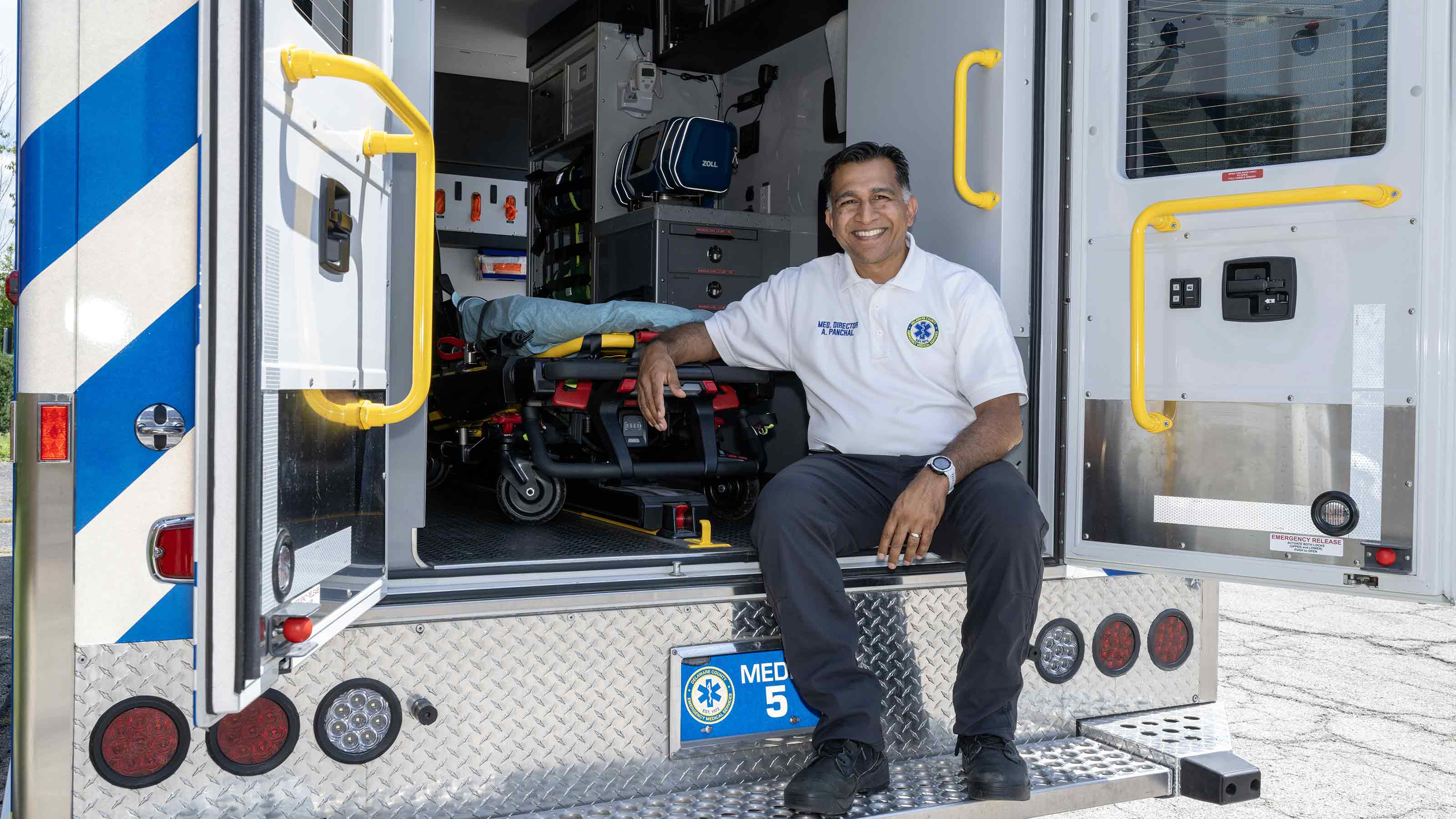
“I didn’t worry,” he says. “I knew we were going to the best place we could go.”
Ohio State Wexner Medical Center is the only hospital in central Ohio designated as a Level IV maternity center. It offers the highest level of care throughout pregnancy, delivery and afterward. The Maternal-Fetal Medicine team at Ohio State includes specialists in treating mothers with high blood pressure, heart conditions, diabetes, substance abuse and complications with their placenta, among other issues.
Keeping Isaiah alive through blood transfusions
Alloimmunization happens in only 1% to 2% of pregnancies nationwide. Sometimes a medication can be given to a pregnant woman to prevent their immune system from destroying their baby’s red blood cells.
But no medication would have stopped the type of antibody McDaniel’s immune system produced. Blood transfusions were the only way to keep Isaiah healthy. The blood would be delivered through the umbilical cord in a procedure where precision was critical to keep Isaiah safe.
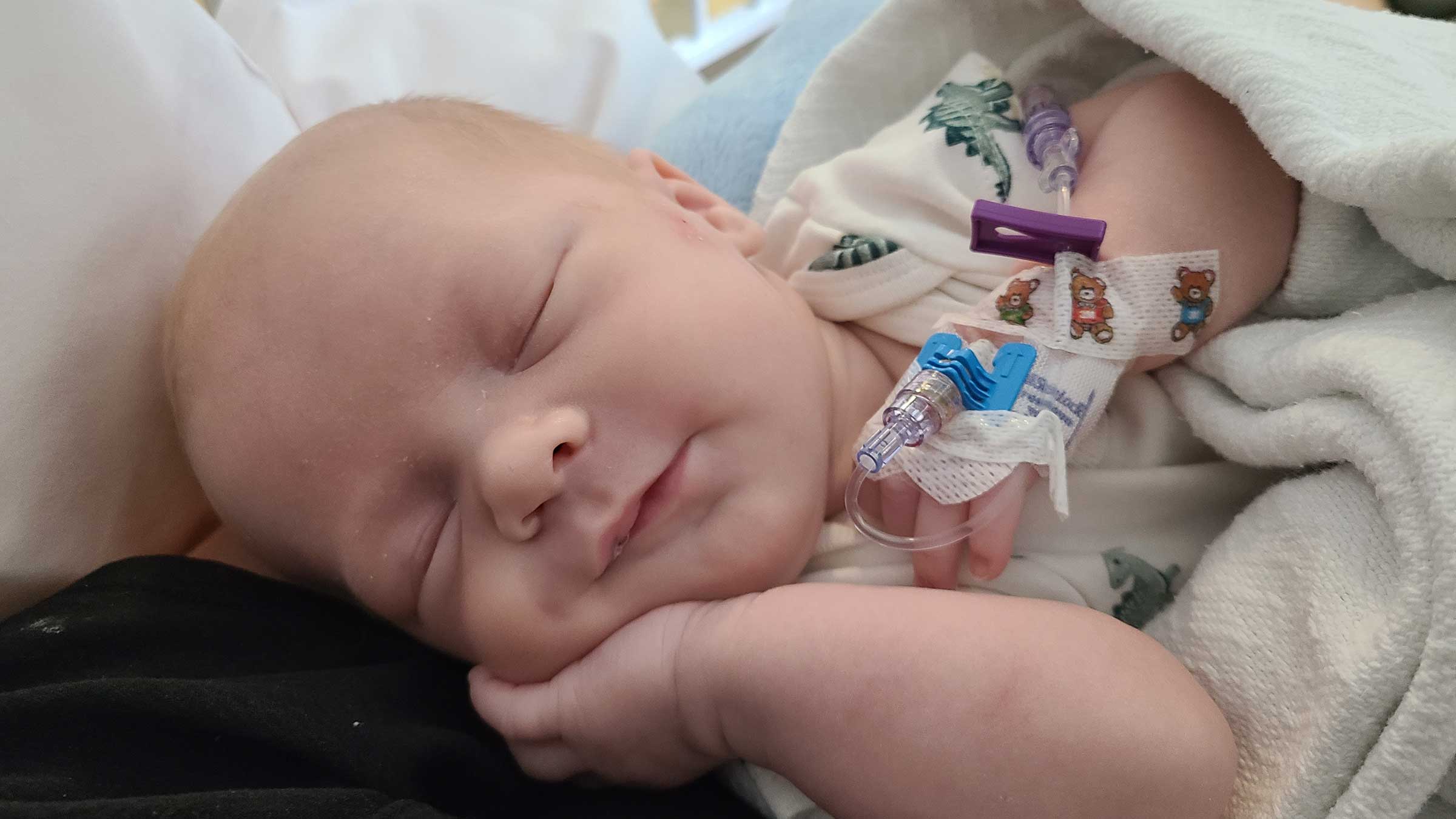
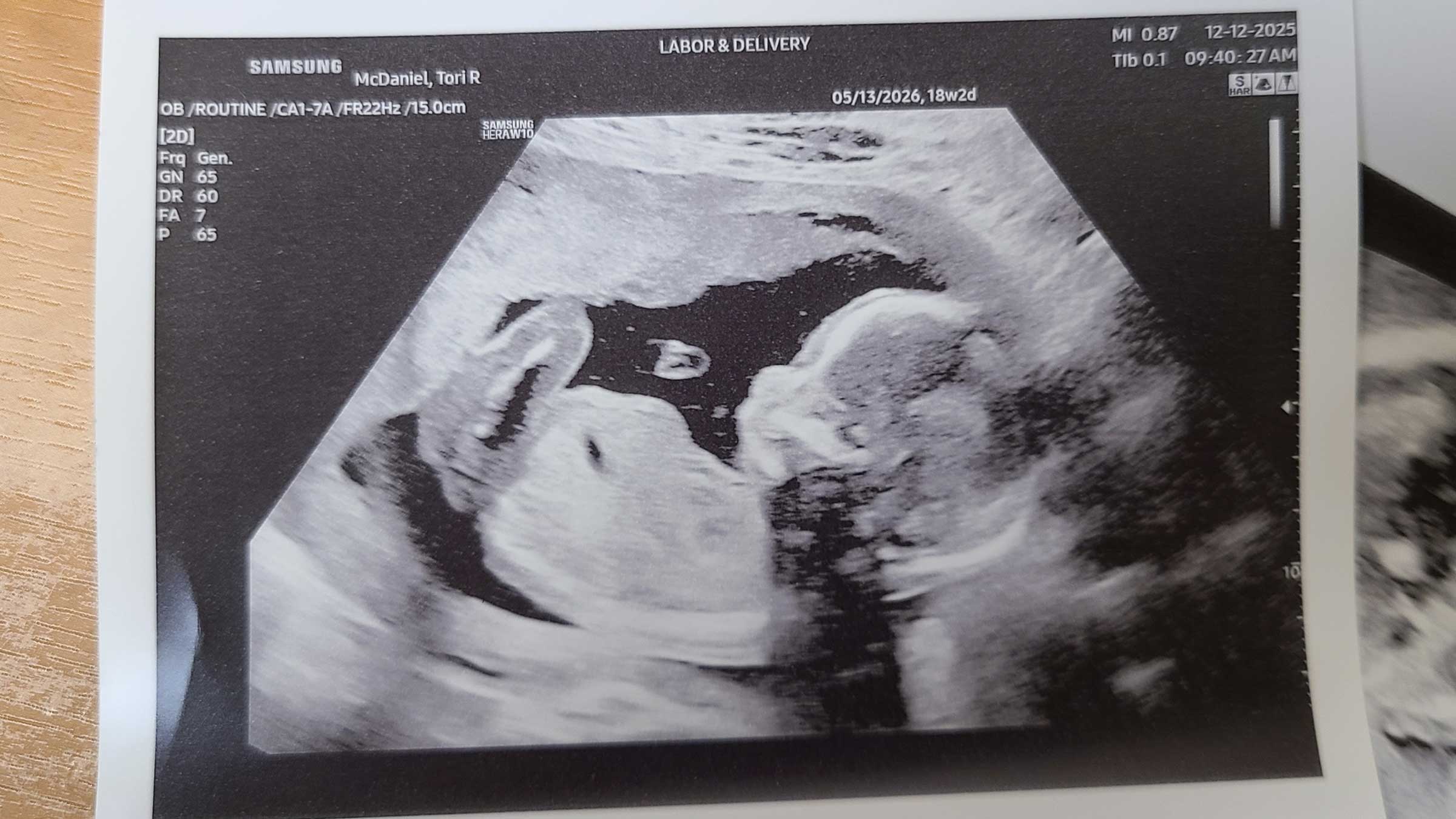
He received his first transfusion in utero when his mother was 17 weeks pregnant.
At the time, he had severe anemia, says Bethany Stetson, MD, a Maternal-Fetal Medicine physician and vice chair of Clinical Operations for the Department of Obstetrics and Gynecology at The Ohio State University College of Medicine.
“There was a lot of uncertainty regarding when she was going to need to deliver, and if her baby was going to be premature," Dr. Stetson says.
‘On stolen time’
Beginning at 17 weeks, every effort was made to keep Isaiah healthy with transfusions, so he wouldn’t have to be delivered too early. Babies born before 24 weeks face a low chance of surviving and a high risk of serious complications.
Using an ultrasound machine, a sonographer guided physicians where to insert the needle into a blood vessel in the baby’s umbilical cord. From there, the blood was given slowly, and in an amount calculated specifically for Isaiah’s stage of growth. A baby can move during the procedure, which can make it especially challenging.
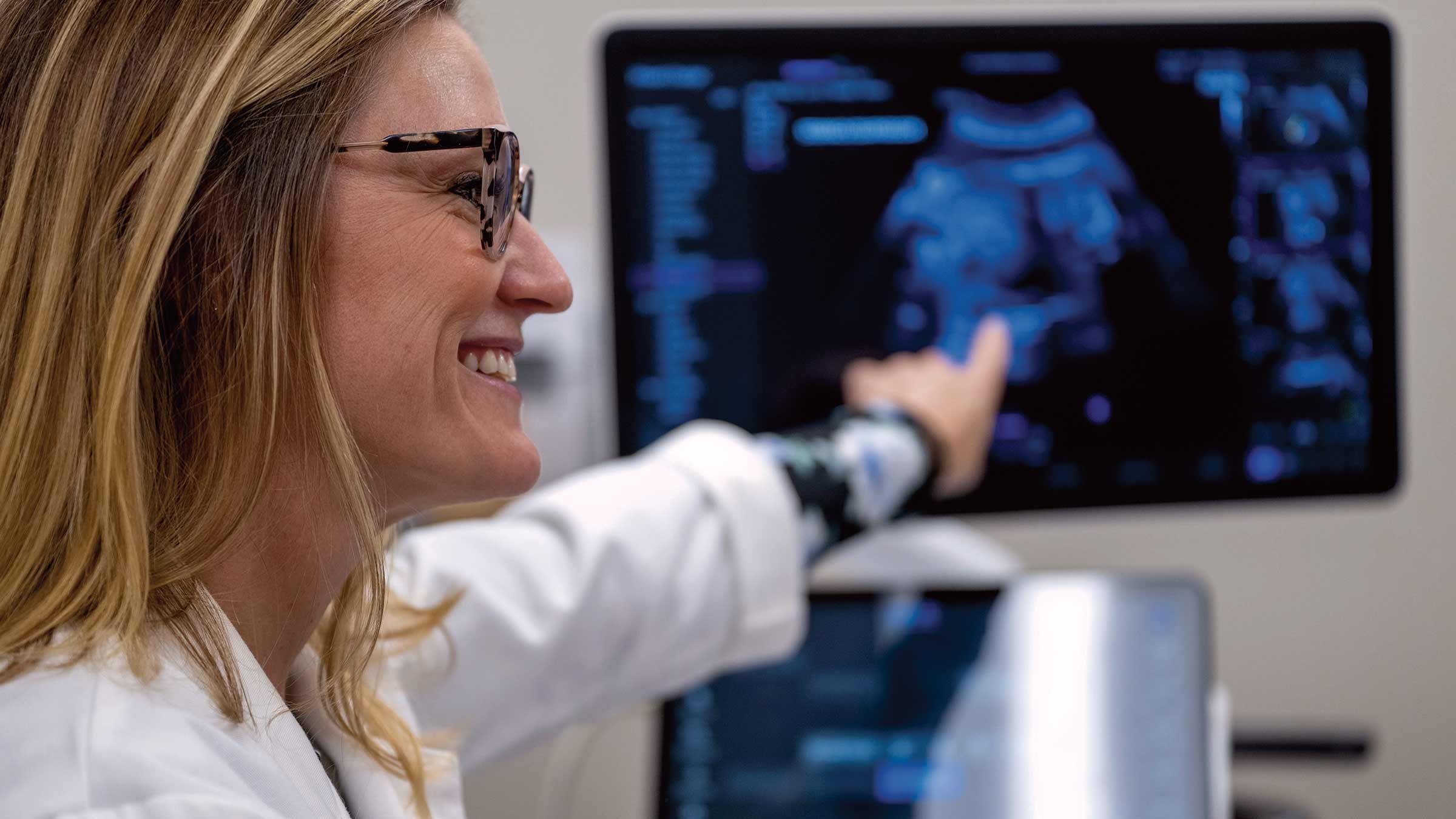
The transfusions come with risk: about a 1% chance that a baby won’t survive because of bleeding, a slow heart rate or other complications.
“The risk is low compared to the ongoing process that we know will kill a fetus if we don’t treat it,” says Miranda Kiefer, DO, a Maternal-Fetal Medicine specialist at the Ohio State Wexner Medical Center.
Two weeks after the first transfusion, Isaiah was severely anemic again. He needed another.
“For the first few transfusions, it was a do-or-die situation. It felt like we were on stolen time not knowing how far the pregnancy would advance,” Dr. Kiefer says.
Safe in his family’s arms
“Every blood transfusion we did was to relieve anemia,” Dr. Kiefer says. “We bought ourselves time.”
At 26 weeks in utero, Isaiah reached a hopeful point: He no longer became severely anemic between blood transfusions. At first, he needed a transfusion every one to two weeks, but eventually, that got extended to every three to four weeks.

“It was a relief to know he was OK,” McDaniel says. “He had the best team taking care of him.”
She and her husband got used to driving to Columbus frequently for checkups and blood transfusions until she was induced at 36 ½ weeks pregnant. Isaiah was born the next day, on April 20, 2026.
He’d had seven blood transfusions, one of the highest given to a baby in utero at Ohio State. More often, the babies of parents experiencing alloimmunization receive one to three blood transfusions, typically after 24 weeks into the pregnancy.
“We’re forever thankful for the team that helped give our son the best possible start in life,” McDaniel says.
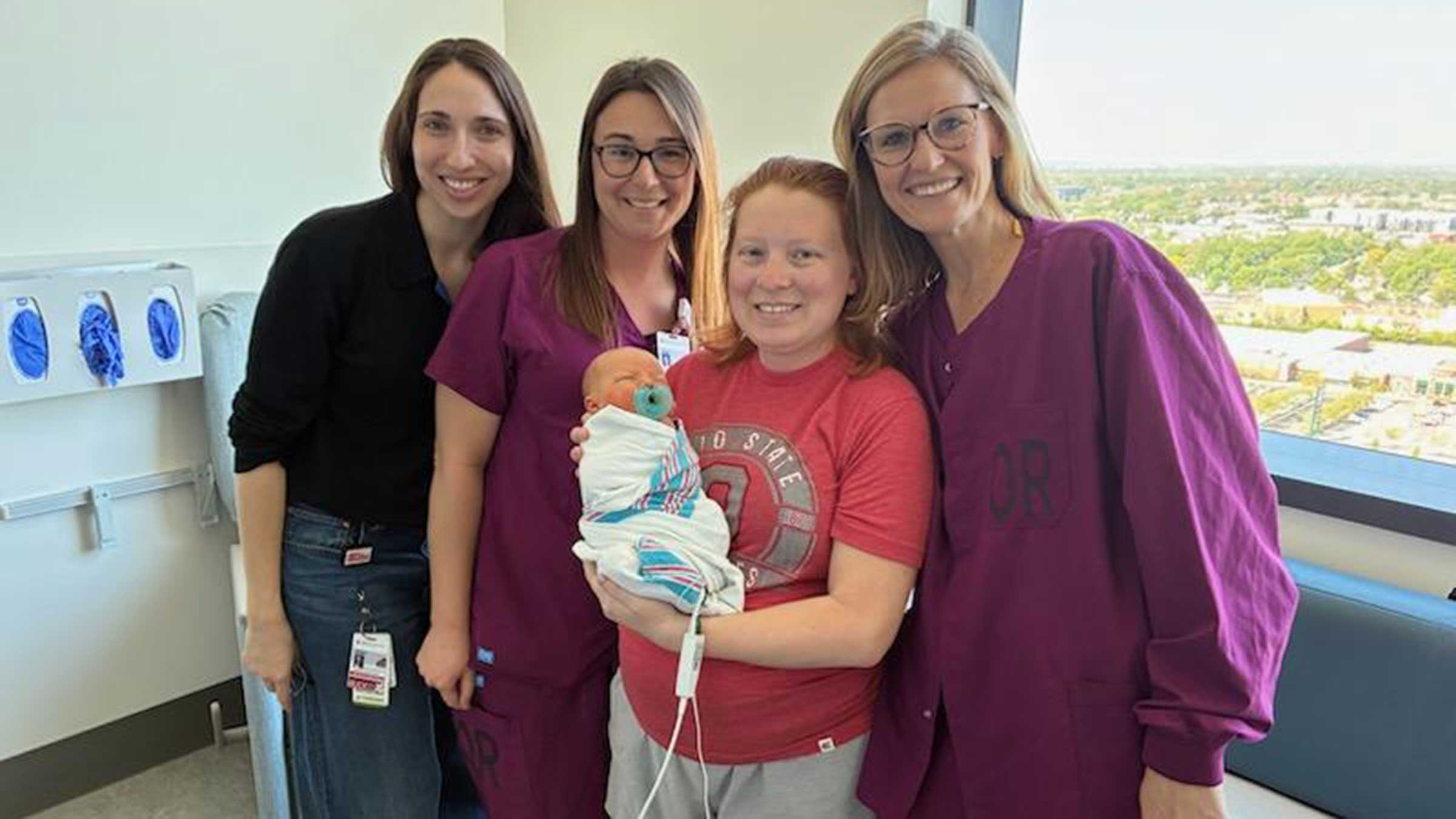
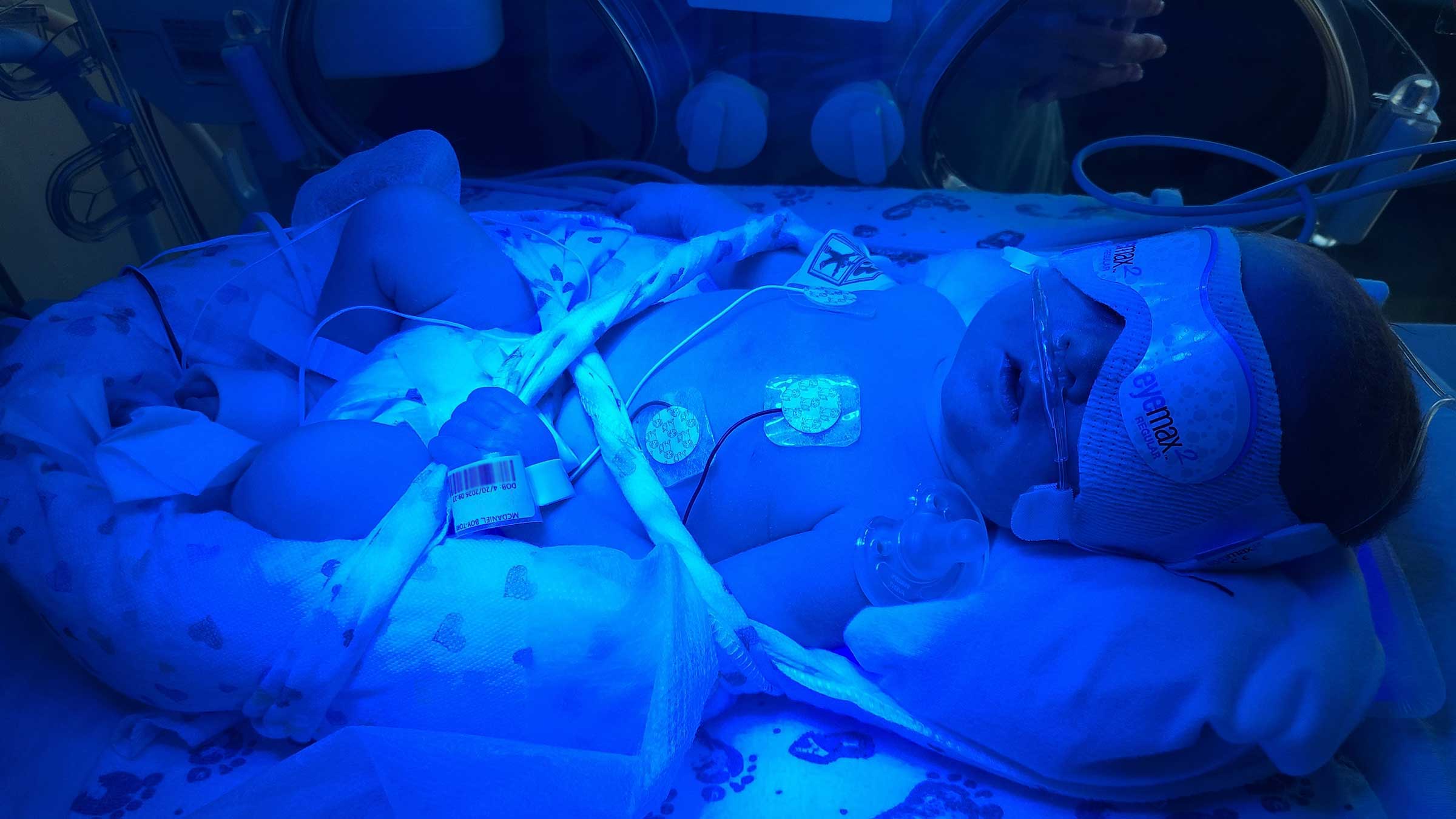
Isaiah spent his first few hours of life in the arms of his parents and his older brother before he was taken to the neonatal intensive care unit (NICU), as his doctors had planned.
A day after he was born, Isaiah needed a blood transfusion and then another when he was 4 ½ weeks old. The antibodies from McDaniel’s immune system that were harmful to him could stay in his body for up to three months after he was born.
A long-awaited homecoming
Often in the NICU, Isaiah had his blood tested for anemia – a poke in the heel of his soft, tiny feet. He always cried, even before the needle went in, just as his mom slid off one of his socks.
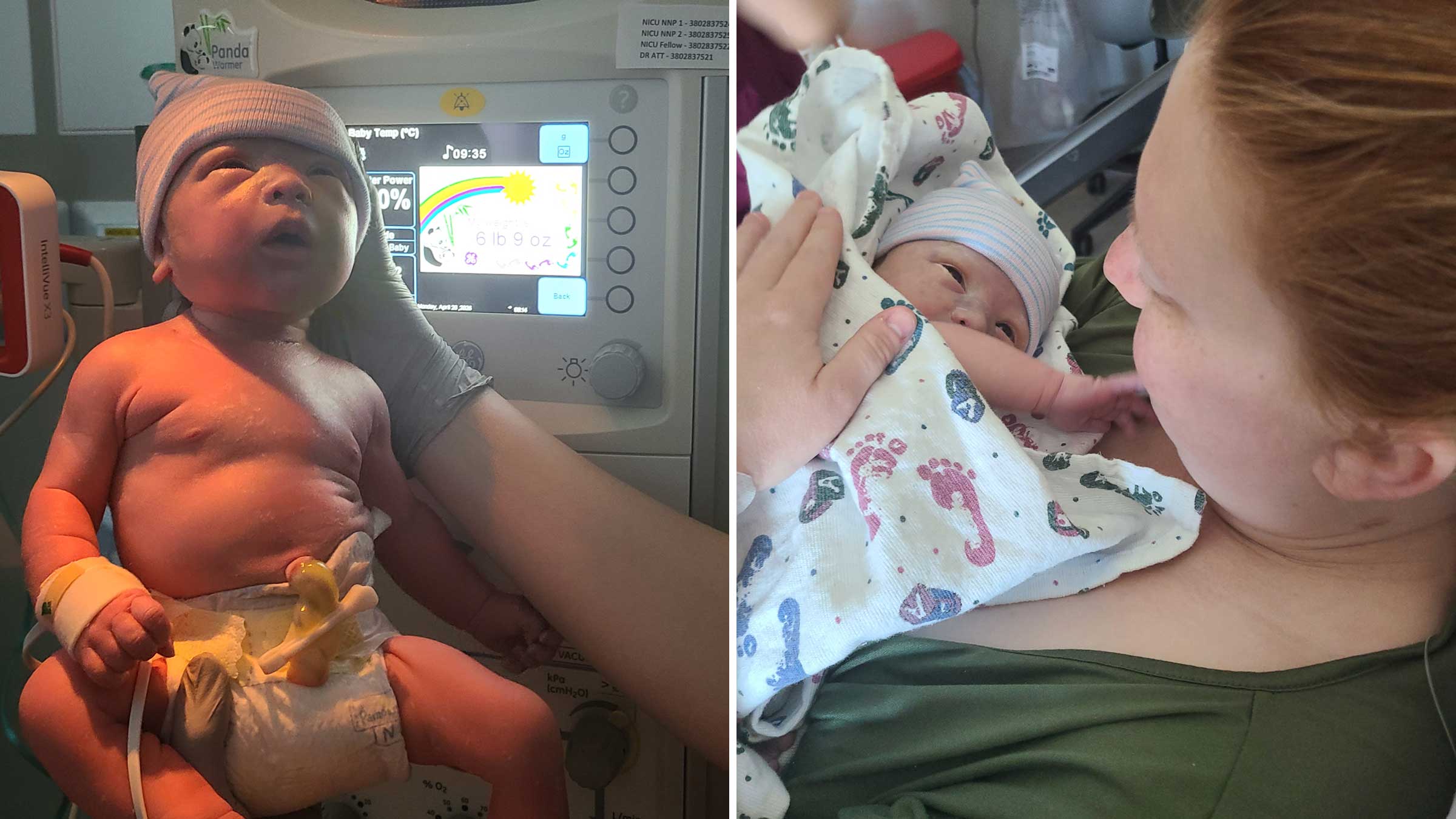
For 21 days, Isaiah stayed in the NICU where staff also kept close watch on his oxygen levels, which were low when he was born.
“There were several times when we thought we were getting close to going home, and then Isaiah would have a minor setback with his oxygen levels, and we’d have to wait a little longer,” McDaniel says.
On May 11, the family’s wait ended. Isaiah was finally able to go home to Kenton, where the celebration extended well beyond his family.
Temple’s fellow police officers and 911 dispatchers were eager to meet Isaiah, as were McDaniel’s co-workers at the special-needs classroom where she works as an aide. Everyone knew the many medical hurdles Isaiah had crossed, how uncertain the outcome had been.
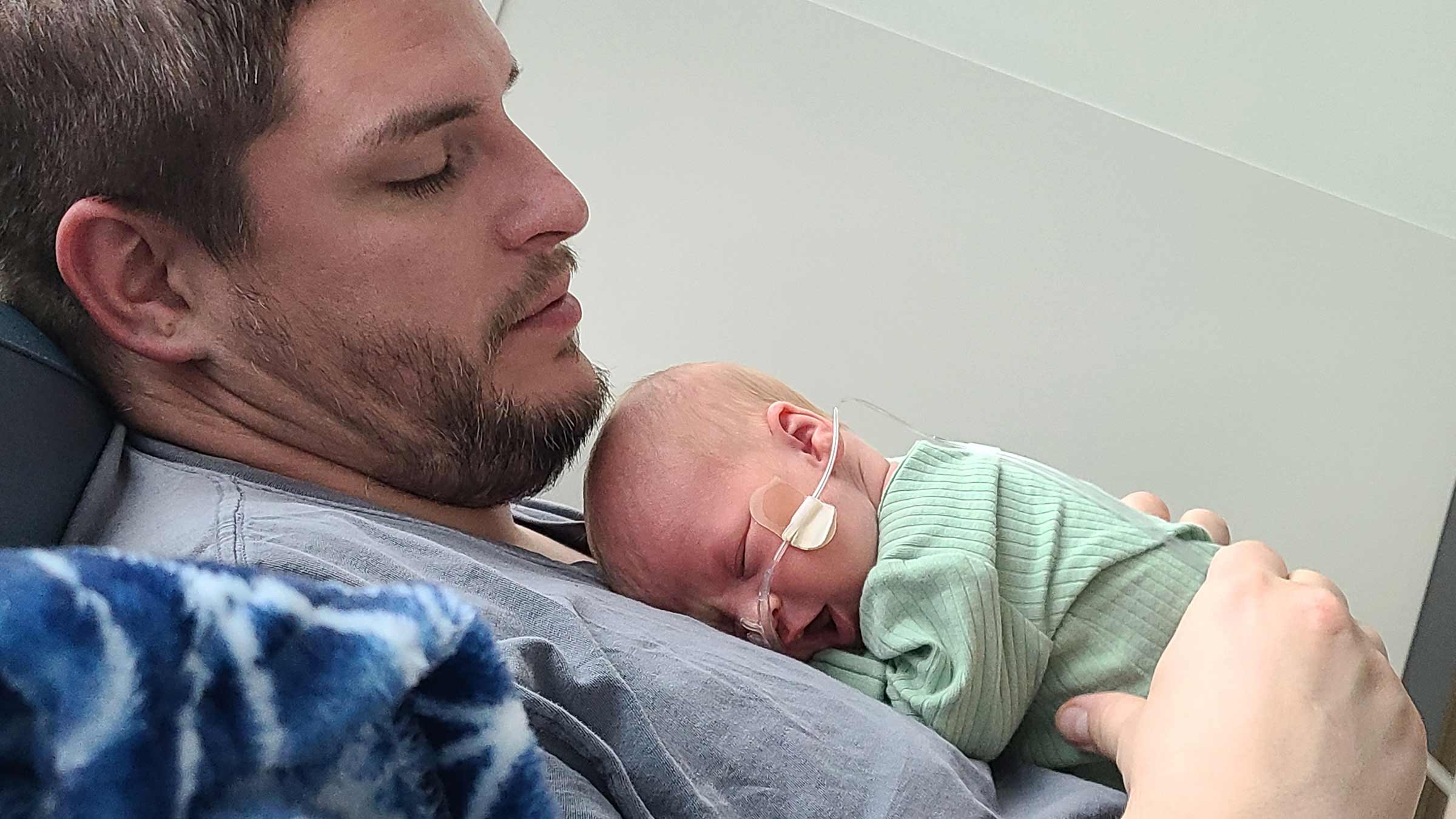
Looking ahead with gratitude
After such an uncertain start, Isaiah is showing every sign of being healthy. He’s growing well and gaining weight right on schedule.
He’s already been to many soccer practices. His father coaches. His brother plays. His mother is president of the local soccer league. During practice, Isaiah naps in the shade, unfazed by the noise around him.
He often turns his head to follow the sound of his big brother’s voice. Whenever Isaiah cries, he calms down if Issac talks to him. Their mother savors those moments, seeing how the brothers are already so close.
Although Isaiah’s first birthday is many months away, Issac is talking about themes for the party. The day will mark a milestone for the whole family, reminding them of Isaiah’s path from blood transfusions and weeks in the NICU with beeping monitors and the constant whir of an oxygen machine, to a healthy baby in his crib at home.

Join the family of Buckeye Babies
Learn about obstetrics and gynecology services from central Ohio's most experienced team.
Get started