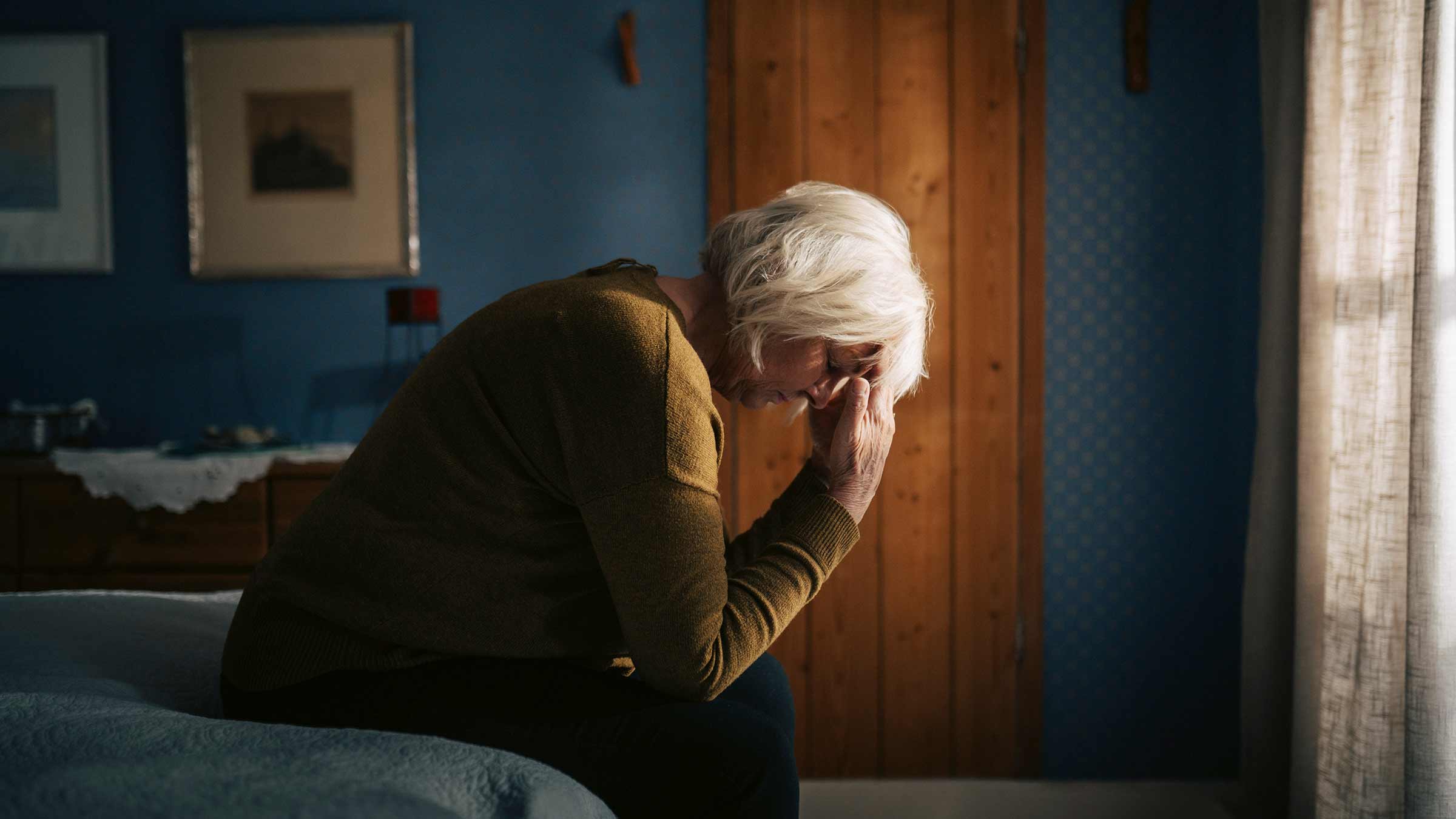
The prevalence of depression worldwide continues to grow, and it’s associated with significant impact.
Nearly 90% of people diagnosed with depression report interference with home, work or social activity.
Depression is also highly recurrent. If you have an episode of depression, there’s a 40% to 60% chance of having another episode. If you have two episodes of depression, the chance of recurrence is a 60%. With three episodes, the risk of more is as high as 90%.
Importantly, studies have shown that rates of adequate treatment are low, with only 22% of those seeking treatment actually seeing a specialist. This translates into huge public health costs in both healthcare and disability.
While the typical age of onset for depression is around 30, depression is one of the most common psychiatric disorders in older adults. As the geriatric population in our country grows, the problem of late-life depression will require increasing attention.
Life changes can bring on depression
Older adults may be more vulnerable to developing depression as they experience major life stressors, such as losing a spouse or friends.
In addition, their health concerns may limit their ability to engage with others, leading them to feel more isolated and more vulnerable to developing depression or depressive symptoms.
As their social circle starts to shrink, so does their support system. As a result, the impact of depression on this population can be even greater, as they may be less likely – or less able – to seek help.
Does depression worsen with aging?
There’s a lower prevalence of depression in anyone 60 or older (approximately 9%) compared to younger adults. But this may be due in part to early mortality in this vulnerable population, or discomfort with admitting to having psychiatric problems.
Even though mood disorders are less common, the consequences of late-life depression are severe, including increased healthcare costs, morbidity and mortality. Older adults are more likely to complete suicide compared to other age groups.
The mistaken idea that feeling sad is part of normal aging contributes to the underdiagnosis and treatment of depression in older adults.
Symptoms of depression
Symptoms that are persistent and interfere with daily life can include:
- Feeling sad, down or depressed
- Loss of interest or pleasure in activities the person used to enjoy
- Weight loss or change in appetite
- Difficulty sleeping or oversleeping
- Trouble with concentration and/or decision-making
- Energy loss and fatigue
- Feeling fidgety/restless or very slowed down
- Feelings of worthlessness or inappropriate guilt
- Thoughts of death or suicide
Causes of depression
Depression may be linked to a variety of causes, including factors that are:
- Genetic
- Environmental
- Psychological
- Biochemical
Do the causes of depression change as someone ages?
There is no evidence, to my knowledge, that causes of depression change with age. One exception, however, would be mood disorders specific to later in life, such as vascular depression or affective syndrome of Alzheimer’s disease.
What to do if you’re older and facing depression
With older adults, it’s important to diagnose and treat depression while ruling out other medical explanations that could be causing problems, such as symptoms of mild cognitive decline.
Treating late-life depression can offset the impact. In one study, older adults who responded to treatment lived an average of five years longer and had reduced healthcare costs.
There’s some evidence that older adults tend to prefer psychotherapy as a treatment option. The important thing is to get connected with a mental health specialist if you, or someone you know, is experiencing these symptoms.
The Depression Recovery Center at Ohio State offers a comprehensive assessment process to understand the complex factors contributing to depression in older adults and offers a range of treatment options.

Help for mental health conditions
Ohio State offers personalized, compassionate care for your mental health concerns.
Learn more