Each year brings news of a salmonella outbreak and instructions to toss out our cantaloupes and chicken and avoid affected sprouts and ground beef.
You know salmonella is nothing to mess with, but do you know what it is, or how you can avoid it?
From where it lives (spoiler alert: inside of you) to whether it can kill you, here are answers to some of the most commonly asked questions about salmonella.
Where does salmonella come from?
Salmonella are a type of bacteria found in our intestines and the intestines of many animals. Salmonella can cause salmonellosis, the infection by the bacteria that most people are familiar with that causes diarrhea, fever and stomach cramps.
How does salmonella spread?
Humans get salmonella infections usually by eating food that has live bacteria on it – undercooked chicken, for example – or by drinking contaminated water. We can also get it by touching animals that are infected with the bacteria or by coming into contact with their feces or where they live.
If we get it on our hands and then touch our mouths, the bacteria can get in our bodies. This is why washing our hands both after touching livestock and before eating is important.
What foods can spread salmonella?
Humans can get salmonella infections from many foods, including:
- chicken
- pork
- eggs
- fruit, such as cantaloupe and berries
- nut butter
- frozen foods, such pot pies and chicken nuggets
- alfalfa sprouts
Washing foods thoroughly and cooking foods to a safe temperature is important to avoid salmonella.
Some types of sprouts, like alfalfa, pose an especially high risk because washing them doesn’t always remove the bacteria.
What are the symptoms of salmonella infection?
- fever
- stomach cramps
- nausea
- vomiting
- diarrhea that can be bloody
- headaches
Symptoms usually start within several hours of infection but can take a few days to really appear.
How is salmonella diagnosed?
A healthcare practitioner can test a person’s stool or other body fluid for the bacteria.
How long does a salmonella infection last?
It usually lasts about a week. Four to seven days is typical.
Can salmonella be cured?
Most people recover just fine and don’t need antibiotics. High-risk groups, such as the elderly or immunocompromised, may need more treatment than the usual rest and fluids.
If you have really severe diarrhea or can’t stop throwing up, you should contact your healthcare practitioner since you may become dehydrated, or the bacteria can pass from the intestines into the bloodstream. Once it passes into the bloodstream, the infection is very serious.
Can salmonella kill you?
Salmonella can kill you, but it’s rare. The Centers for Disease Control and Prevention estimates that there are over a million cases of salmonellosis in the United States each year that result in roughly 400 deaths.
Is salmonella contagious?
Yes. It can be passed on through body fluids. It’s not airborne like COVID-19 and many respiratory viruses, but it usually spreads through stool or direct contact with live poultry and other animals.
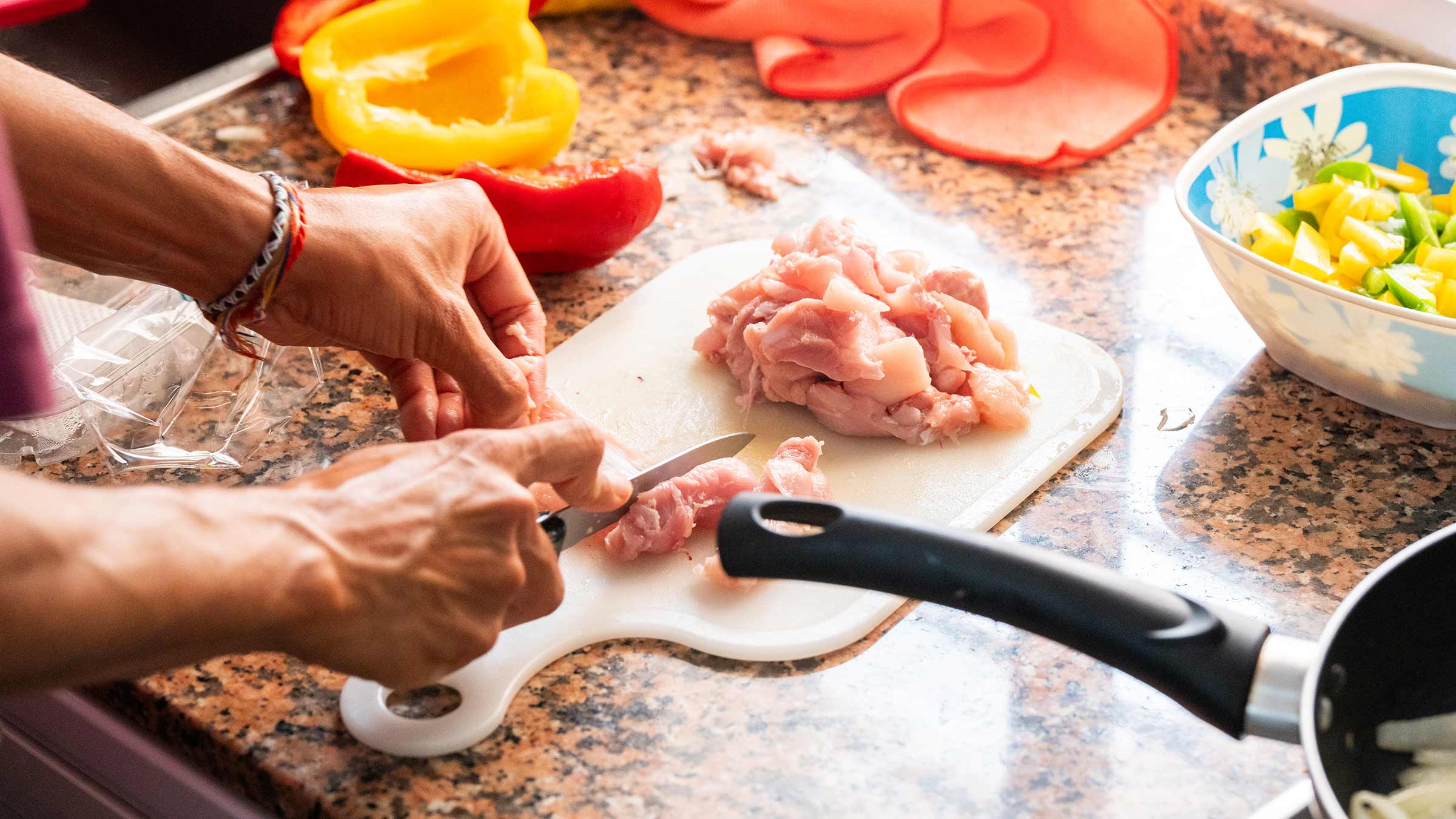
Cross contamination is also a major consideration. When cutting meat on a cutting board, make sure to thoroughly wash that board along with your hands and knives and any surface areas with hot soapy water to avoid the spread of the bacteria.
Who is at the greatest risk for complications from salmonella?
People who have a compromised immune system for any reason are at highest risk.
How can you prevent salmonella infection?
- Wash your hands: It’s probably no big surprise that washing hands is one of the best ways to avoid getting a salmonella infection.
- Cook foods to a safe internal temperature, usually 165 degrees, and use proper food safety. This includes cooking eggs through until they’re firm and no longer runny.
- Keep hot foods hot and cold food cold, especially at picnics and cookouts.
- Wash or at least sanitize your hands immediately after handling animals, especially livestock, birds, reptiles and amphibians.
- Be cautious when eating alfalfa or any type of sprouts, because salmonella can contaminate alfalfa seeds, causing high levels of salmonella in alfalfa sprouts. Alfalfa and other sprouts grow in warm, humid conditions, which also can encourage the growth of salmonella.
For more information on salmonella and other foodborne illnesses, visit the CDC website.

Healthy eating is within your reach!
Make an appointment with our dietitians or nutritionists.
Schedule an appointmentLiz Weinandy, MPH, RDN, LD, is a registered dietitian at The Ohio State University Wexner Medical Center.