Whether you follow the latest fashion trends or prefer to stick to well-loved wardrobe staples, what you wear and how you wear it can affect your health.
Here are some things people should keep in mind as they dress for the day.
Waist trainer
Promises of weight loss and smaller waistlines have led to the growth in popularity of waist trainers. Like a corset, the tightfitting undergarment is used to create an hourglass figure. The stretchy, yet firm material squeezes the midsection to make the waist look smaller.
“Waist shapers can often lead to difficulty breathing due to the inability to expand the diaphragm consistently,” says Barbara Bawer, MD, a family medicine physician at The Ohio State University Wexner Medical Center. “If used constantly, they can worsen our core muscle strength due to muscle atrophy and weakening. This can lead to poor posture and back pain.”
In extremely rare cases, waist trainers can cause internal organs to shift and could potentially lead to organ damage.
If you insist on using a waist trainer, Bawer recommends wearing it for short periods of time.
Belts
We use them to hold up our pants and sometimes adorn them with statement-making buckles, but if that belt is too tight, it can lead to numbness in the front part of the thigh.
“If you’re on the heavier side, tight belts can compress a couple of rather sensitive anatomic structures,” says Michael Jonesco, DO, an internal and sports medicine physician at the Ohio State Wexner Medical Center. “One is a sensory nerve called your lateral cutaneous nerve, and that one can cause a burning pain in the thigh, a condition called meralgia paresthetica.
“Another complication is the restriction of blood flow from the lower extremities back to the heart and lungs. If you can’t return that blood flow, you get swelling in the lower extremities, and that can contribute to blood clots in the thigh and lower leg.”
It can help to purchase a larger belt or a belt with elastic that has some give.
Sports bras
Whether you’re working out or meeting a friend for brunch, sports bras are becoming a wardrobe essential for some.
Sports bras offer support to minimize movement, reduce pain and wick away moisture during workouts, but they need to fit properly.
“If they are too restrictive, they can limit the ability to expand the diaphragm like a waist trainer,” Dr. Bawer says. “This may increase the risk of injury if the constricted muscles can’t function properly making others work harder to compensate for this effect."
Once the workout is over, Bawer says take the bra off. Wearing sweaty clothing can lead to rashes, most commonly yeast infections.
Skinny pants
Whether they’re out of style or back in, slim-fitting jeans, pants and trousers are a fashion do – but proceed with caution.
Dr. Jonesco says there have been some rare cases of skinny pants so tight that they compress the nerves of the lower leg.
If you’re hot and sweaty, tight pants can block the flow of air to the skin and could lead to clogged pores, rashes and yeast infections, Dr. Bawer adds.
“If you have to hop around multiple times to get into them or the top of the pant rolls down when you sit, they’re probably too tight,” she says.
Shoes
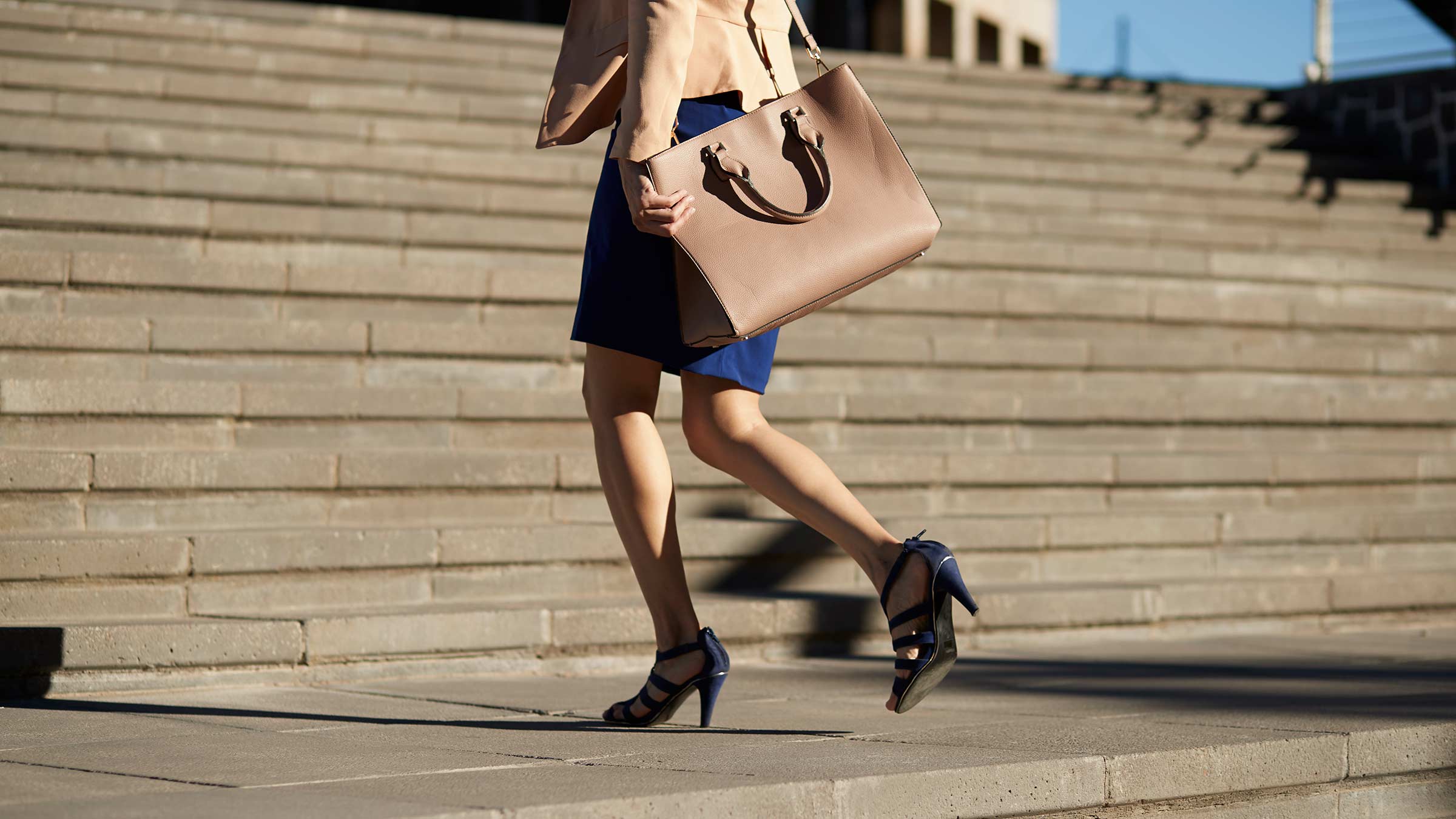
The extremes of footwear – flip flops, ballet slippers and high heels – can wreak havoc on the feet. Slides with minimal arch support or sneaker heels may make an outfit pop but prolonged use could cause issues.
“Flip flops don’t provide any support and high heels increase the pressure on the forefront of the foot,” says Randell Wexler, MD, a family medicine physician at Ohio State. “Anytime you change your natural gait artificially, you’re going to have vector forces and pressure on the knees, hips and back. Everyone is different, but over time people will develop discomfort.”
“Sneaker heels” may seem like a healthier option due to the cushiony sneaker material, but Dr. Bawer says the high heel aspect is concerning.
“Over time, high heels can lead to things like bunions, hammertoes and plantar fasciitis,” she says. “Wearing them from time to time can help minimize these risks. Alternating between heels and flat shoes with more support can help to avoid injuries and deformities over time.”
Backpacks and handbags
Whether you’re off to school or taking a hike, donning a heavy backpack can strain the back.
“The increased load on the musculature of the neck has the potential to lead to some upper back pain,” Dr. Jonesco says. “Heavy backpacks will also change your center of gravity and that can put some increased strain on your lower back and even change your posture.”
He suggests minimizing the weight by placing no more than 10 to 15% of your body weight in a backpack. Also use hip straps to shift some of the weight bearing capacity from your back to your hips.
Weighty handbags offer a similar change, depending on their size and how they’re carried.
“Holding a heavy bag in one hand may cause you to lean toward the other side to compensate for the weight,” Bawer says. “The improper walking stride can lead to musculoskeletal or joint injuries including, back, arm, shoulder pain, hip or knee pain.”
Bawer says consider purchasing smaller handbags to help avoid overloading them and alternate which side you carry the bag so the same muscles and joints aren’t consistently affected.

Concerned about your feet? Contact us today.
Ohio State's podiatry team provides comprehensive care backed by one of the nation's leading academic health centers.
Schedule Now