Elevating telestroke care for rural Ohioans
Hillsboro woman back home after lifesaving stroke care from miles away.
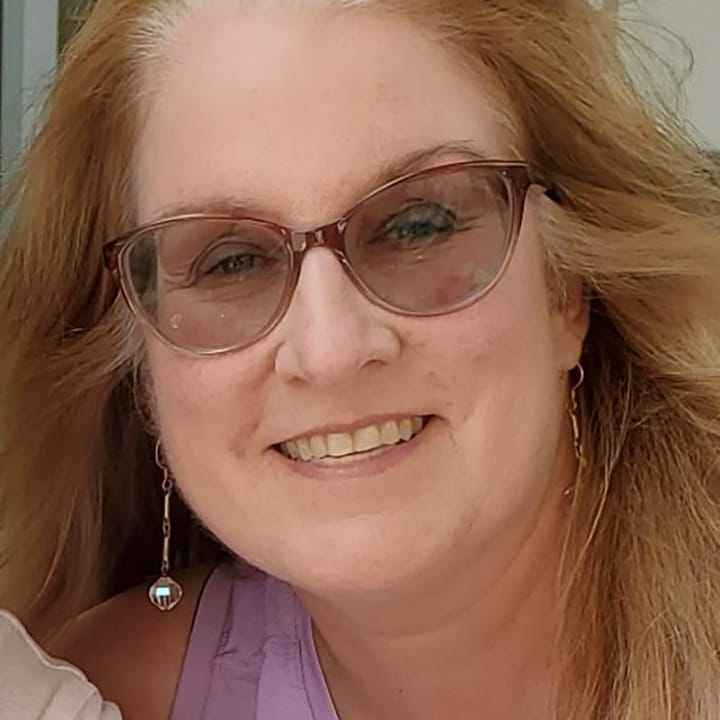
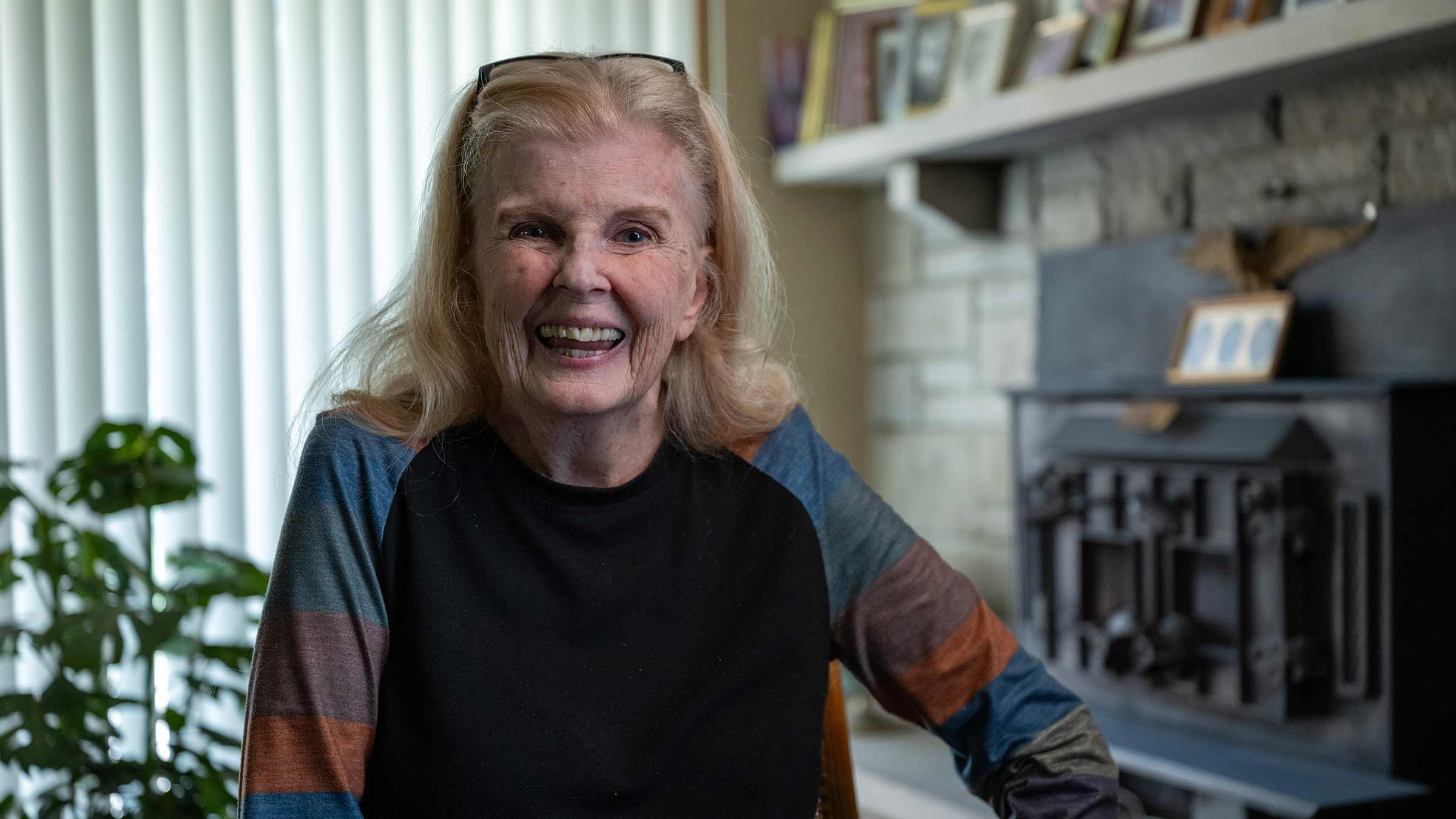
Luckily for her, Cynthia Bego is a night owl. During the early hours of Feb. 17, Bego, then 76, was still awake watching TV when she suddenly couldn’t move her left leg and started slurring her words.
Afraid that she was having a stroke, Bego first called her son-in-law. When she couldn’t speak, she called 911. The dispatcher recognized she needed help – now.
Within minutes, an ambulance arrived at her home in Hillsboro, Ohio. Lights flashing and sirens blaring, paramedics sped her to the nearest hospital, Highland District Hospital, to be evaluated for treatment for a stroke.
Fortunately, as part of The Ohio State University Wexner Medical Center’s Telestroke Network, Highland District Hospital has immediate access to the Ohio State Wexner Medical Center’s stroke experts, who evaluate patients with stroke symptoms.
“Stroke is a medical emergency that requires immediate attention. It occurs when blood flow to the brain is blocked, or when a blood vessel bursts,” says neurologist Deepak Gulati, MD, who oversees Ohio State’s Telestroke Network. “When someone is having a stroke, every minute counts. Within minutes, brain cells begin to die. That’s why we often say, ‘Time is brain.’”
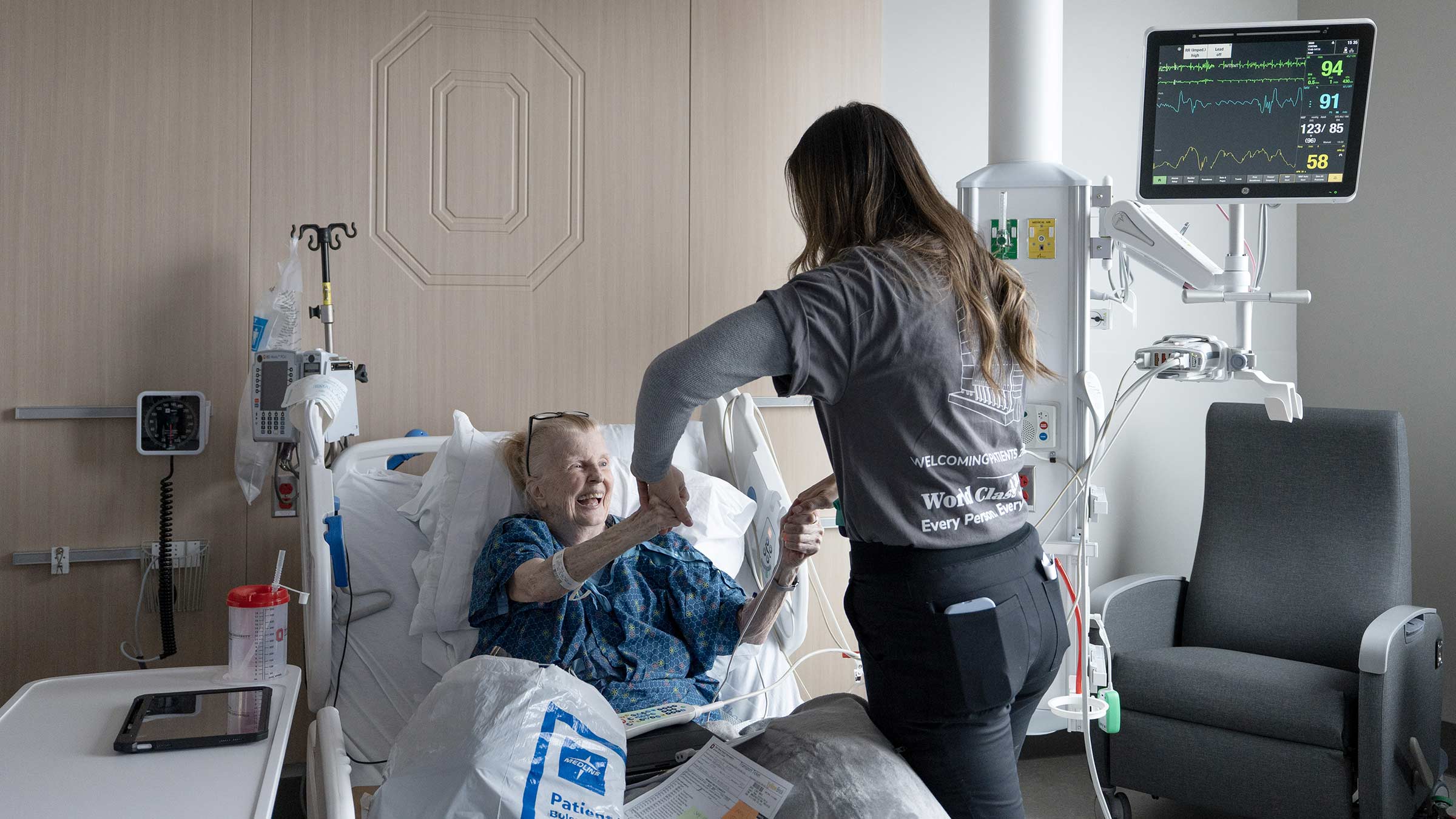
How the Telestroke Network works
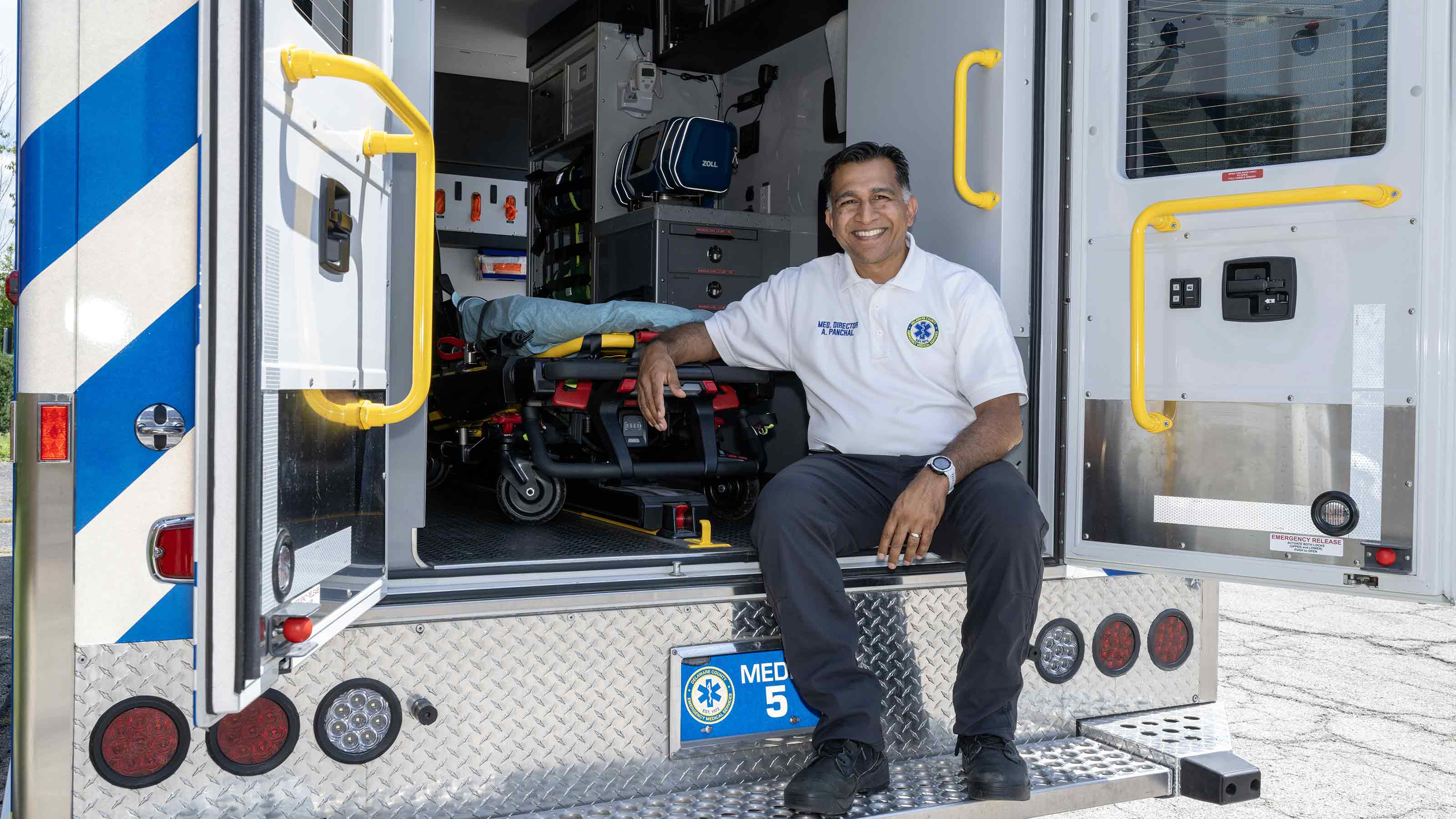
The Ohio State Wexner Medical Center is the hub for the Telestroke Network, which delivers Ohio State’s critical stroke expertise into 34 hospitals throughout 28 counties across Ohio.
Stroke expertise is a necessary resource in every region – nearly 800,000 people in the United States have a stroke each year – but these experts can’t physically reach every geographic area.
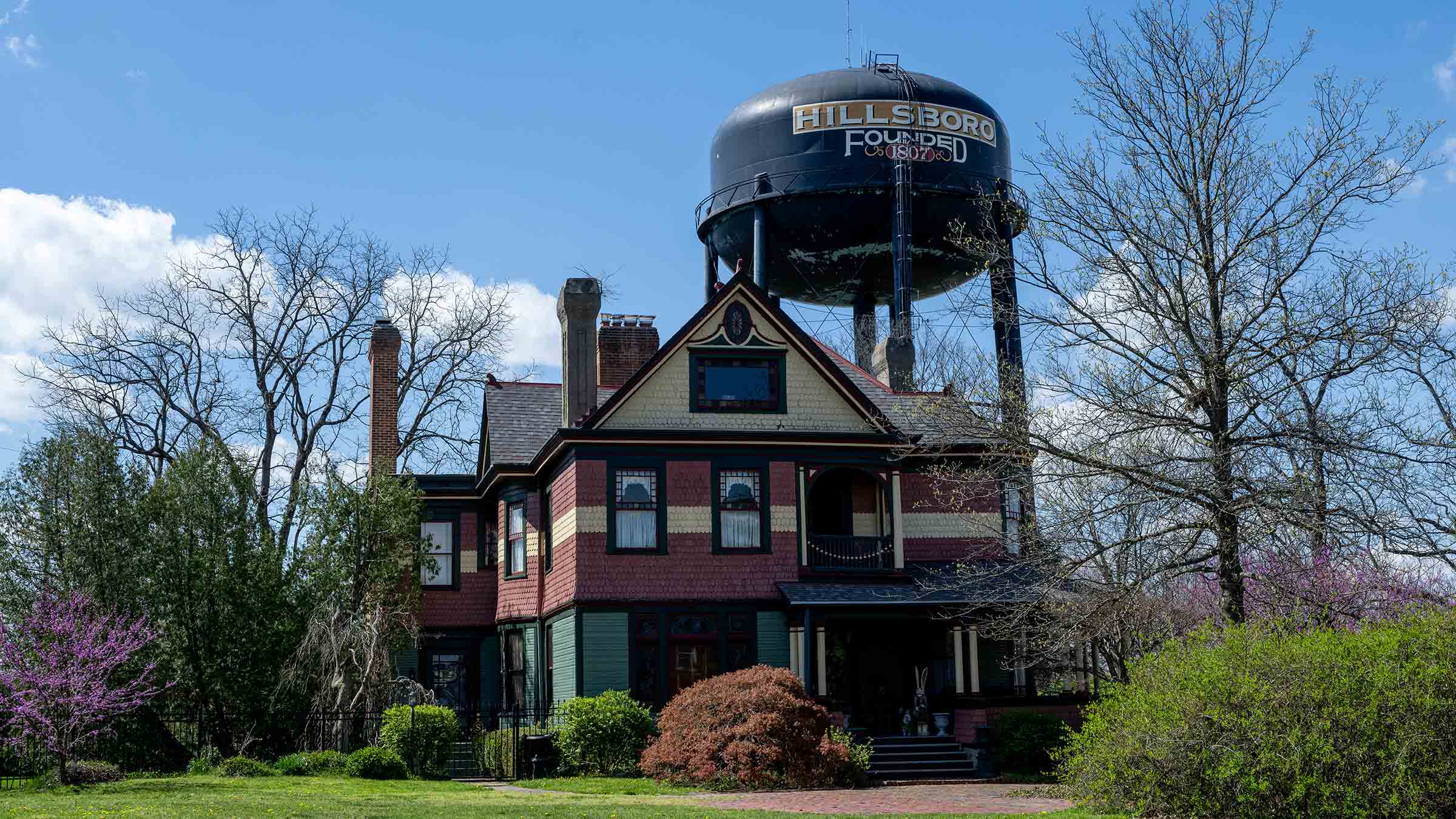
Once Bego arrived at Highland District Hospital’s emergency department, experts were mobilized both there and at the Ohio State Wexner Medical Center Comprehensive Stroke Center through a “stroke alert.”
Via video technology, Bego was immediately connected with Ohio State stroke specialists who helped decide on a treatment plan.
“Telestroke is a program where we use real-time audio and video to connect with patients arriving at hospitals where they don’t have that immediate access to a bedside neurologist or stroke expert,” says Dr. Gulati, an assistant professor of neurology in The Ohio State University College of Medicine.
“Through that interface, we can examine the patient, look at the images available to stroke experts remotely, and after gathering all the information, make a decision to provide the treatment in a timely fashion.”
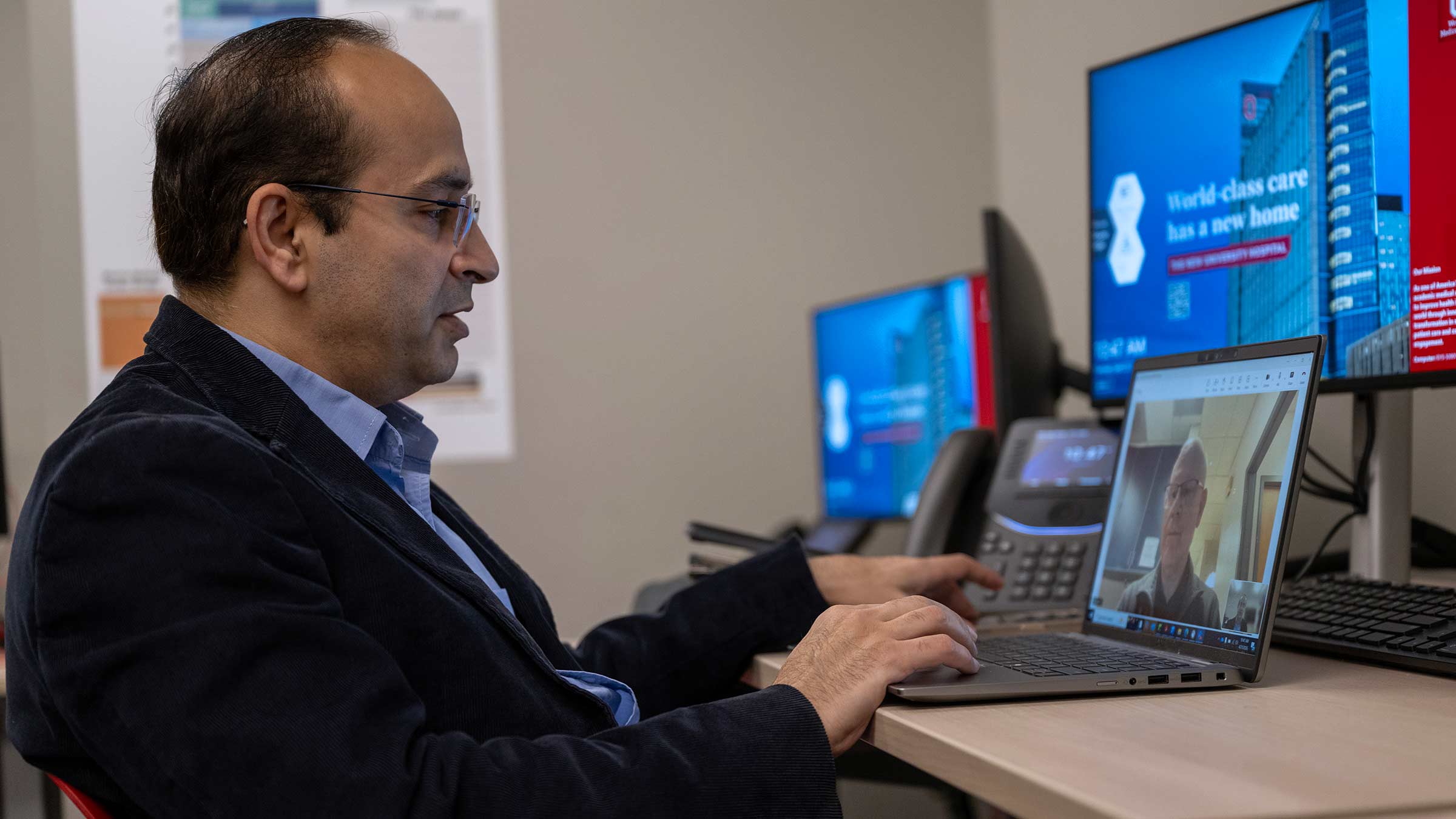
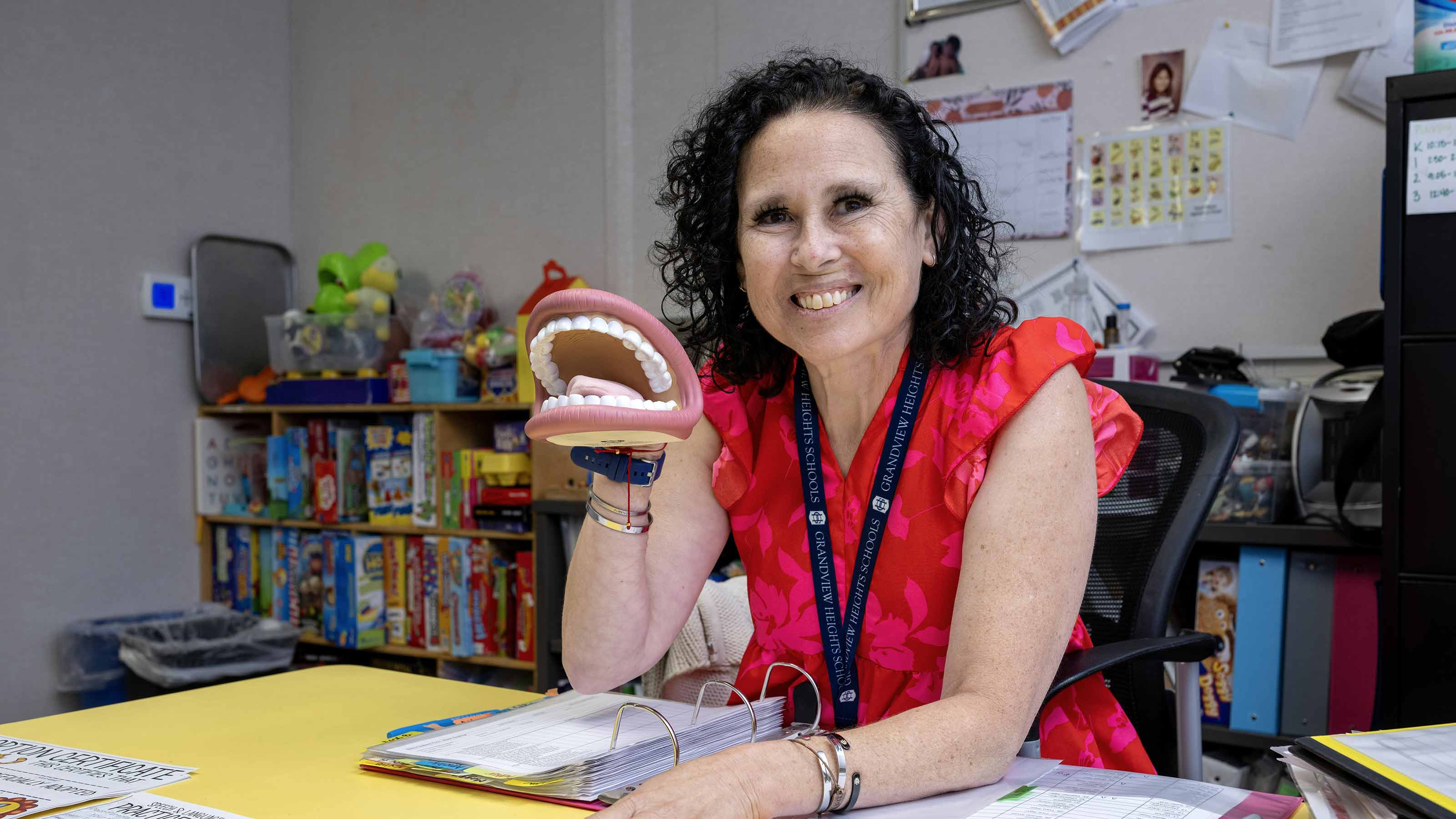
Back in Columbus at Ohio State, neurologist and neurocritical care specialist Vivien Lee, MD, quickly responded to the stroke alert. She interviewed Bego, noting her significant facial droop and difficulty speaking.
After looking at Bego’s test results and her vital signs, Dr. Lee prescribed the clot-busting medication tenecteplase (TNK). Within minutes, the Highland District Hospital emergency team administered TNK to treat Bego’s acute ischemic stroke and break up clots blocking blood vessels in her brain.
“We didn’t have to wait to get to Ohio State to get the shot. They could do it right there at Highland District Hospital,” Bego says.
Once she’d received the medication, an ambulance drove her the 78 miles to Ohio State for further treatment. Meanwhile, the medication worked to break down blood clots.
While in the emergency department, Bego had taken a selfie to see for herself how one side of her mouth was drooping. During the 90-minute ambulance ride, Bego took another selfie – no more drooping in this photo.
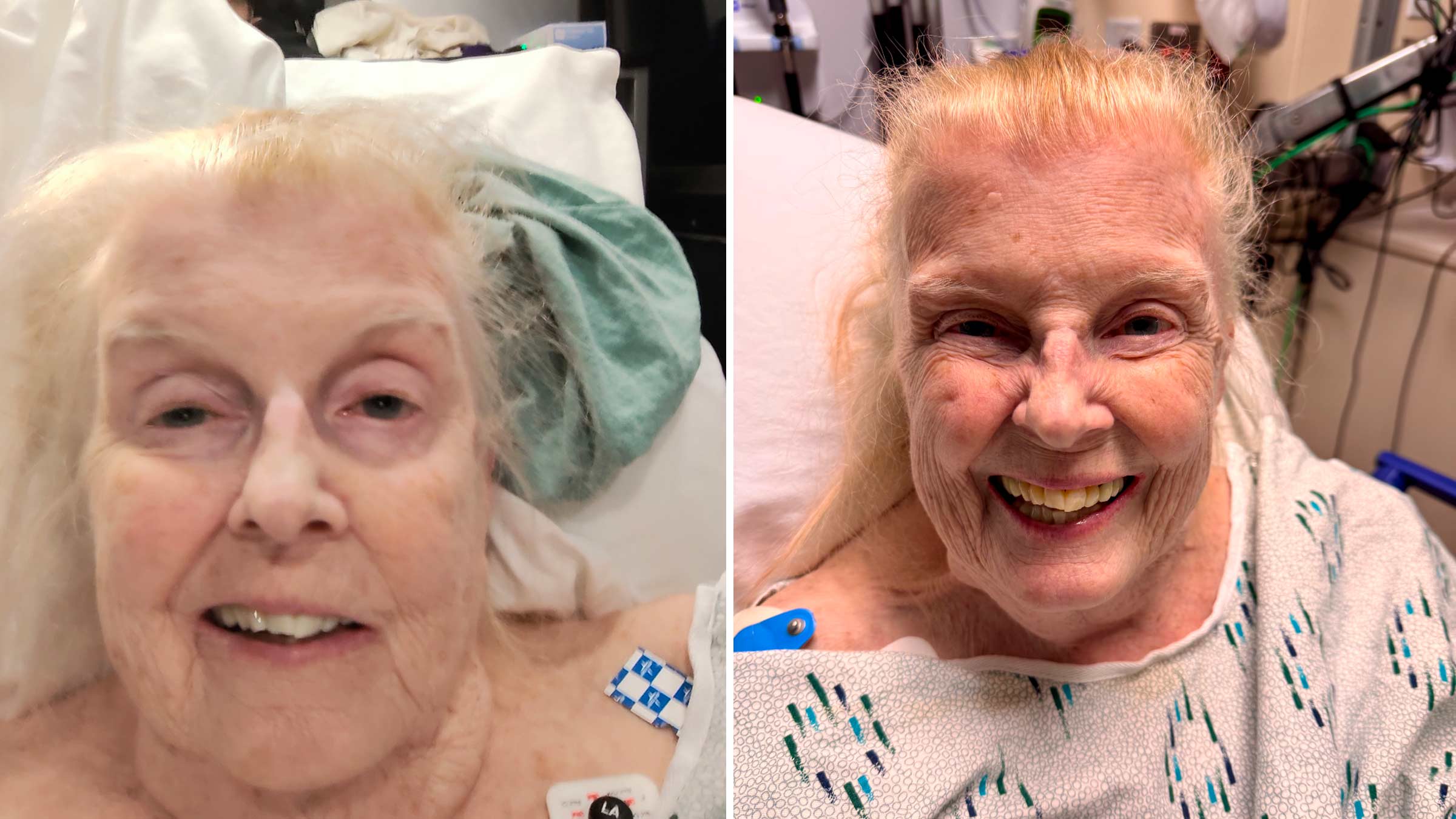
“In the ambulance, suddenly my voice was getting better,” she says. “My left hand hadn’t been working right, and all of a sudden, it started working. So, even going up in the ambulance, I was already getting some sort of recovery.”
Why this partnership matters
When Bego and her late husband, Gary, moved to rural Ohio 12 years ago, they never thought about access to quality healthcare.
“Choosing where to live, hospitals never crossed my mind. I mean, you just don’t think about it. You don’t think of yourself getting old,” Bego says. “You don’t think of strokes, heart attacks, any of that.”
Ohio State’s stroke team, which includes neurologists, neurocritical care physicians and endovascular neurosurgeons, is available around the clock for telestroke care.
“I was so fortunate that other people had thought about it in advance. They had systems in place where suddenly, I was transported to a large hospital. It was a miracle,” Bego says.
Patients needing surgery or specialized care are transferred to Ohio State’s Comprehensive Stroke Center, while others can receive treatment at their local hospital without traveling to Columbus.
Improving outcomes for stroke
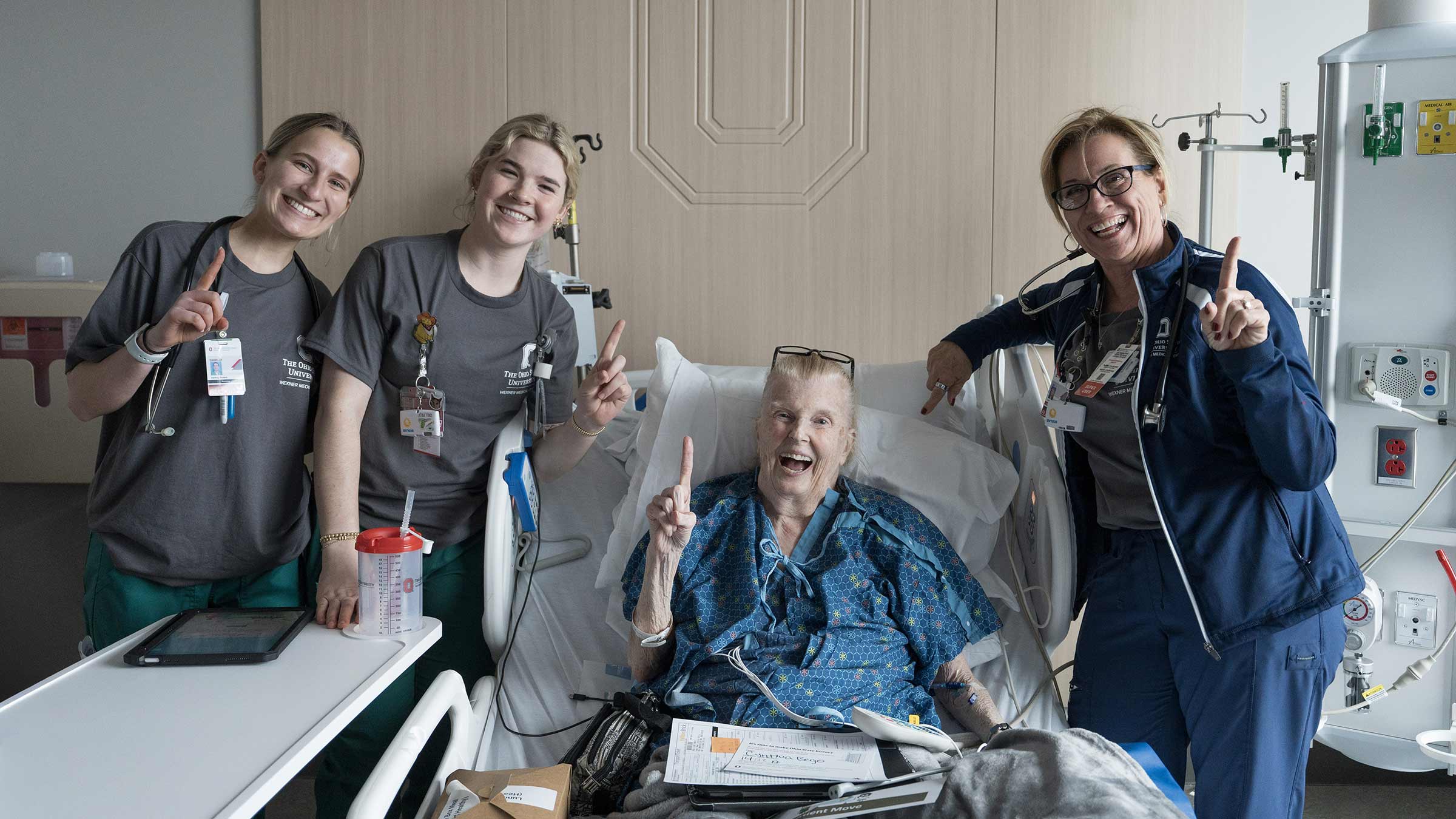
Bego counts herself lucky that she’s fully recovered from her stroke, thanks to speedy intervention from the telestroke team.
She’s still not sure what caused her stroke. While hospitalized at the Ohio State Wexner Medical Center for several days, additional tests were done. She doesn’t have any of the usual risk factors, such as high blood pressure, high cholesterol, smoking, obesity or diabetes. But she’s seen strokes in her family.
“My mother had had a major stroke. That was a horrible thing to witness,” Bego says. “She was a very independent woman, and her life was way less meaningful after that stroke.”
In 1999, at the time of her mother’s stroke, there were fewer treatment options.
Since launching in May 2011, the Ohio State Telestroke Network has provided more than 47,000 consultations, giving rural patients increased odds of getting timely treatment that’s right for them.
A new era for regional stroke care
During her hospital stay, Bego was one of the first of 425 patients transferred to the new, 26-story Ohio State University Hospital on its opening day, Feb. 22.
“This medical center is so amazing,” Bego says. “It deserves this new building.”
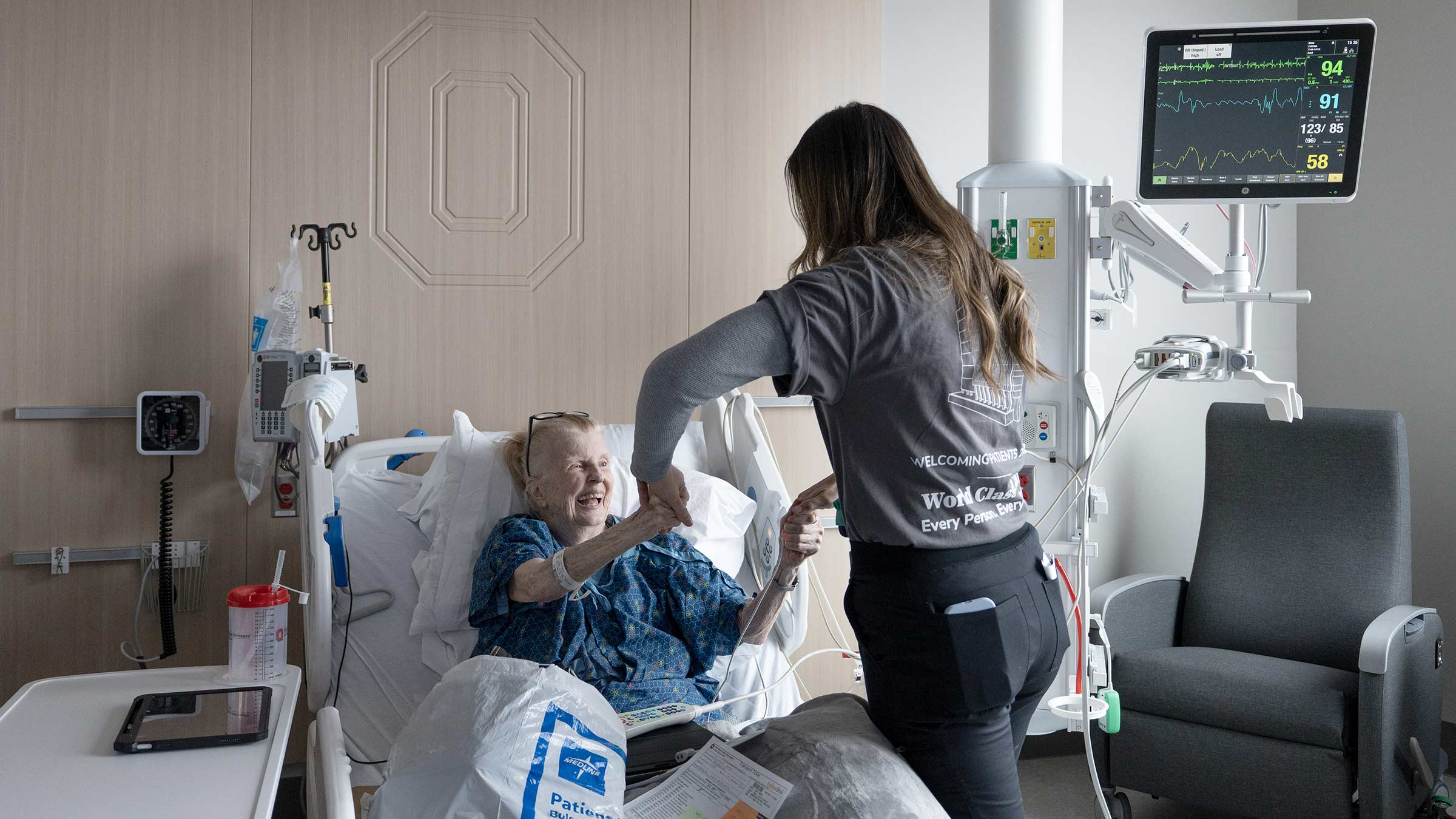
Among the new hospital’s features are 820 private rooms with 9-foot windows and advanced technology, 234 intensive care unit beds, and 24 operating rooms including two hybrid neurovascular suites for complex stroke care.
The hospital was designed to “match the caliber of expertise provided at Ohio State,” says John J. Warner, MD, chief executive officer of the Ohio State Wexner Medical Center and executive vice president at Ohio State. “It expands our commitment to deliver world-class care, advance innovative treatment breakthroughs and provide outstanding clinical education – allowing us to better serve our patients now and into the future.”
Bego could see the new building from her original hospital room, and says she was especially excited, once in the new space, to take advantage of the ample natural light and 75-inch video screen for room controls, care team details, video conferencing and entertainment.
“They had people coming from every department to help me. It was amazing. But it’s not just all of the services they provide. It’s also the people. The people are so kind and understanding,” Bego says.
Are you at risk for stroke?
Stroke is a leading cause of disability. Stroke risk increases with age, but it can occur in younger adults, according to the American Stroke Association.
National Stroke Awareness Month has been observed every May since 1989, aiming to educate people on identifying stroke symptoms and getting prompt medical attention.
Strokes come in two forms. The most frequent type, known as ischemic stroke, occurs when a blood clot blocks a vessel in the brain, leading to damage of the surrounding brain tissue.
A hemorrhagic stroke occurs when a blood vessel ruptures and bleeds into the brain. A transient ischemic attack (TIA), or mini stroke, happens when blood flow to the brain is briefly blocked.
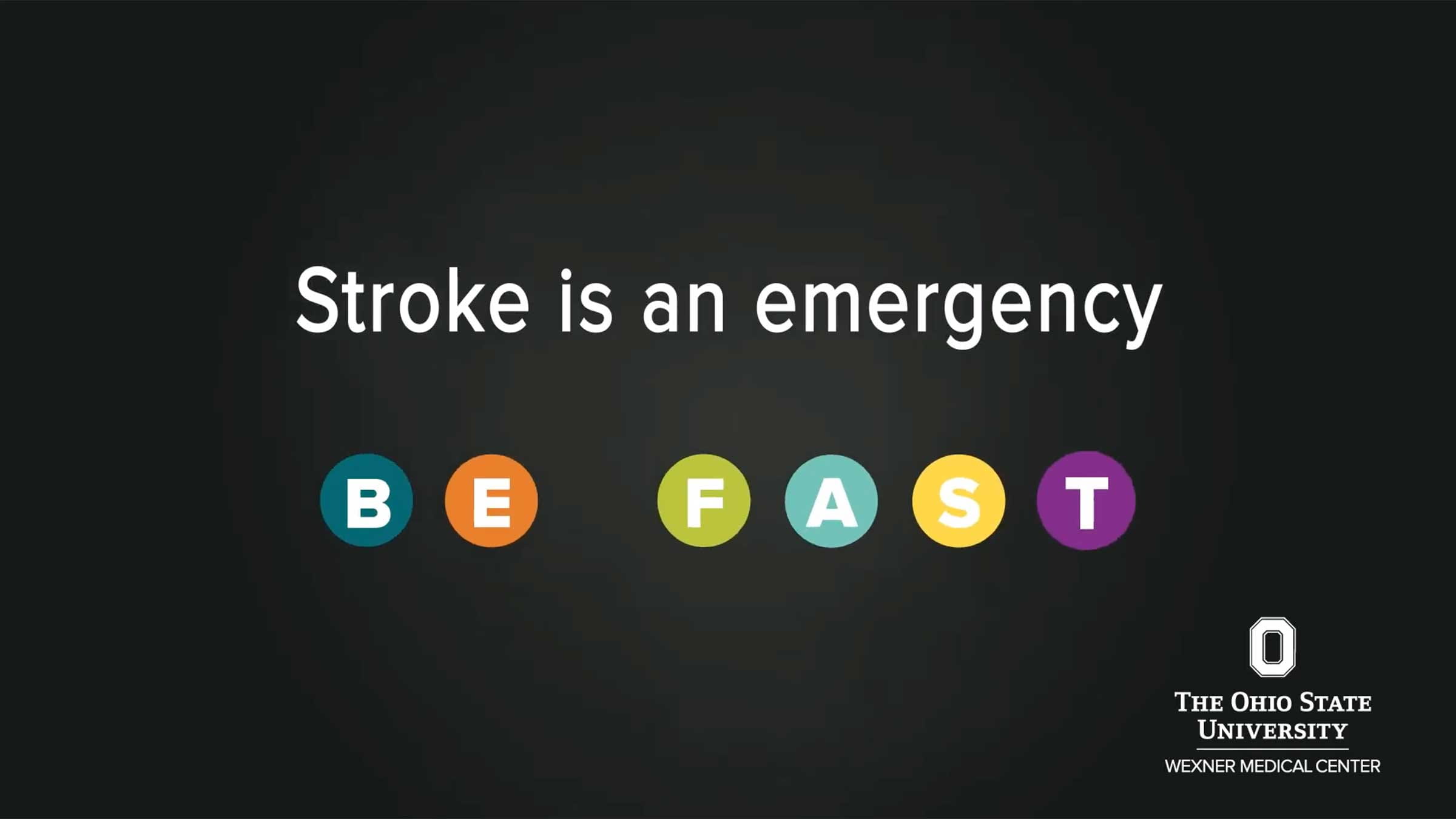
Stroke symptoms may include a sudden, severe headache without a known cause, difficulty walking or dizziness. Other symptoms can be easily remembered with the acronym BE FAST:
- Balance: Sudden loss of balance or coordination
- Eyes: Loss of vision in one or both eyes
- Facial droop or uneven smile
- Arm numbness or weakness, especially on one side of body
- Slurred speech – Difficulty understanding or listening
- Time – Call 911 and get to a hospital immediately.
Patient outcomes improve with prompt action in treatment and restoring blood flow. Therefore, it’s critical that treatment starts as soon as possible. For every hour’s delay in medical treatment, the brain loses 120 million cells.
If you or a loved one is experiencing stroke symptoms, call 911 and get to the nearest hospital immediately.

Every stroke is different, and where you go for care matters.
Ohio State’s Comprehensive Stroke Center is at the forefront of stroke care and our teams are developing and delivering the most advanced and innovative treatments.
Learn more