Two diagnoses at the same time: Breast cancer and pregnancy
A team approach helped an Ohio State nurse navigate treatment for breast cancer during her pregnancy.
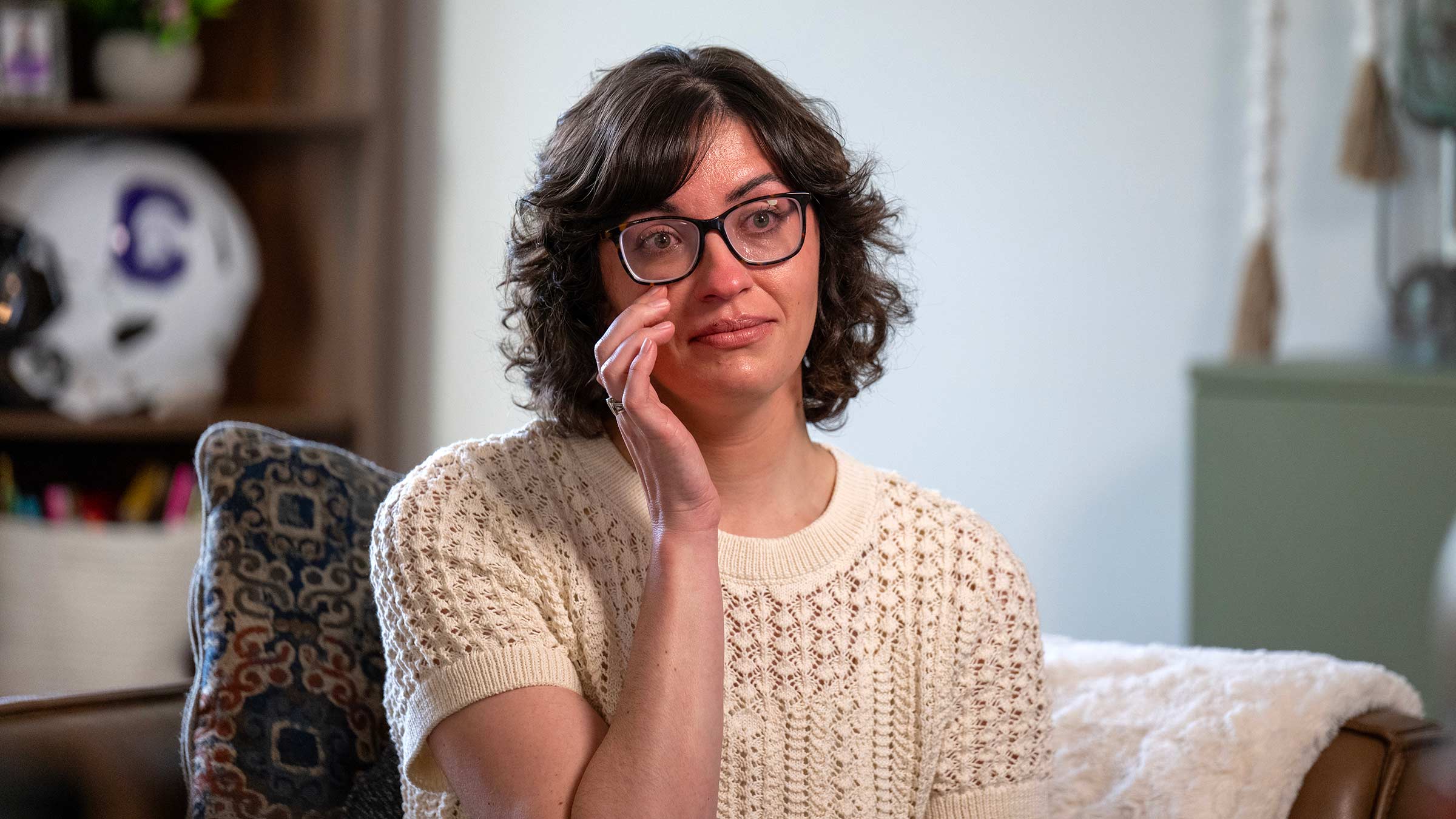
Caitlin Conner didn’t know it at the time, but she was four weeks pregnant when she was diagnosed with breast cancer.
She regularly performed breast self-exams and noticed an unusual lump in January 2024. Conner immediately went to her doctor for a mammogram and ultrasound. As a nurse at The Ohio State University Heart and Vascular Center, she knew it wasn’t good news when they told her she needed additional imaging.
“I was terrified. I was all alone because I thought this mammogram and ultrasound were just a routine check,” Conner says.
Conner met immediately with a provider at the diagnostic clinic at the Stefanie Spielman Comprehensive Breast Center to make a plan. She got a biopsy the next day and received her official diagnosis: stage II HER2-positive breast cancer.
While HER2 is an aggressive form of breast cancer, targeted treatment is very effective. Conner’s team planned an aggressive response to treat her cancer. The first step was lab work that included a pregnancy test.
That was when Conner got more news – this diagnosis was a welcome one.
“I conceived and developed breast cancer all at the same time, I guess,” Conner says.
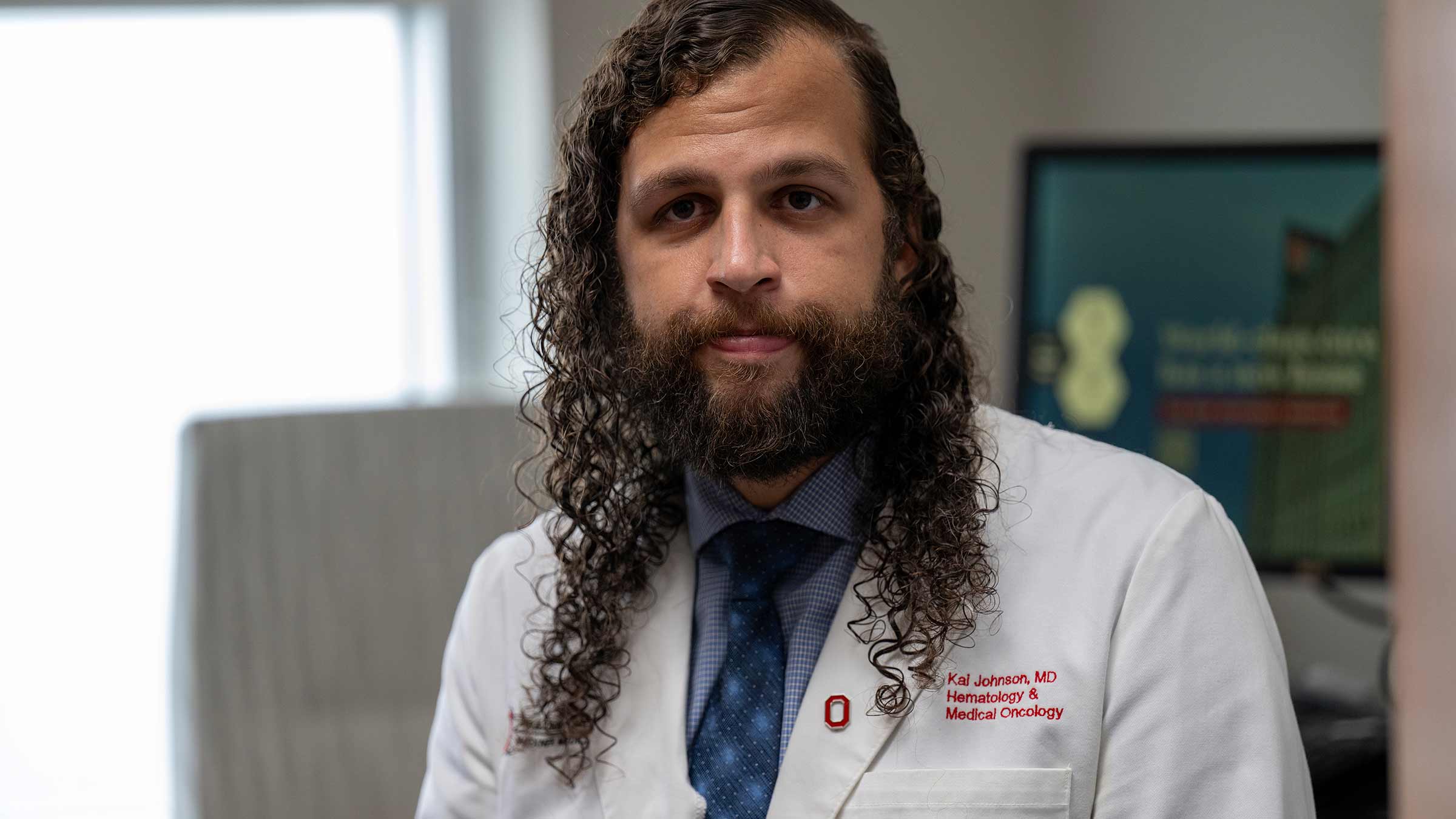
For Kai Johnson, MD, an oncologist at The Ohio State University Comprehensive Cancer Center – Arthur G. James Cancer Hospital and Richard J. Solove Research Institute (OSUCCC – James), it’s not common to treat someone for breast cancer while they’re pregnant, but it’s also not extremely rare. Each year, he sees one or two patients with cancer who are pregnant.
“What makes Caitlin’s case most unique is how early into her pregnancy she was when we first met her. Finding out she was pregnant turned our entire plan on its head,” he says.

Navigating breast cancer and pregnancy
The typical treatment course for HER2+ is to start with chemotherapy before surgery. Her pregnancy meant Conner started with a mastectomy instead. She began chemotherapy in her second trimester.
“We just know the first trimester is a critical time for organ development in the fetus, so we don’t like to introduce chemo during that time,” Dr. Johnson says.
Normally, oncologists treat HER2+ with a combination of chemotherapy and HER2-directed therapy, but HER2-directed therapy isn’t safe during any stage of pregnancy. Conner needed to wait until after her baby’s delivery to start the medication that was most likely to cure her breast cancer. This made her cancer treatment significantly longer than most people with HER2+.
“There are always ways to navigate cancer treatment even while pregnant, so don’t feel discouraged if you have your mind set on pregnancy. Even in the midst of a diagnosis, talk to your team, and we can work through it,” Dr. Johnson says.
High-risk pregnancy expertise supports patients with cancer
Studies have shown some types of chemotherapy are safe for use during pregnancy, but receiving them still meant Conner’s pregnancy was high-risk. “The safety standard for medication in pregnancy is a lot higher, so that gives us more confidence when we’re saying something is safe for someone pregnant,” Dr. Johnson says.
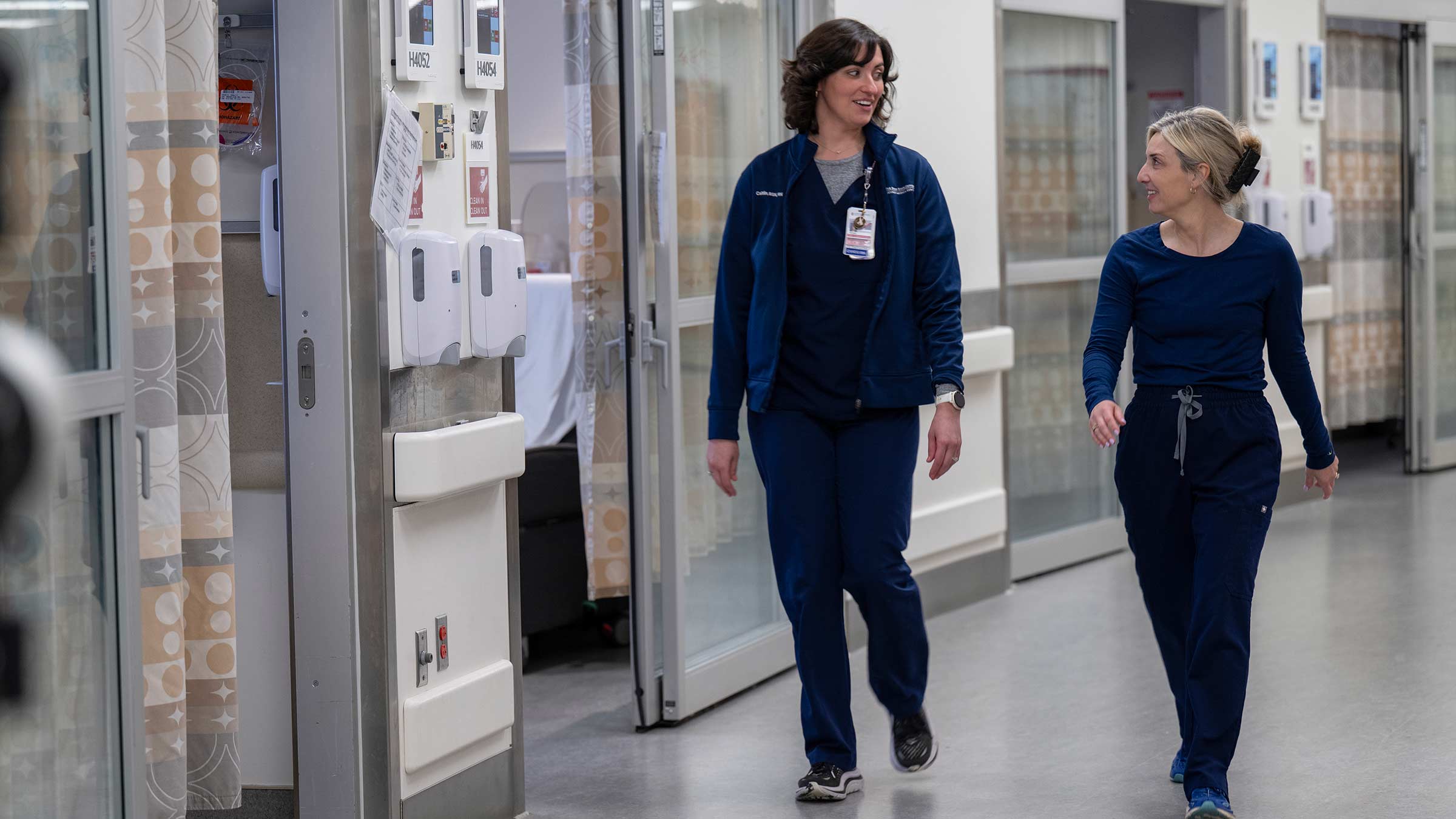
Despite the cancer, Conner had a healthy pregnancy. She even continued to work as a nurse in the cardiovascular intensive care unit (ICU) at The Ohio State University Wexner Medical Center Richard M. Ross Heart Hospital throughout much of her treatment, while pregnant and postpartum. “Her ability to navigate this and still show up for herself, for everybody in her life and for her patients was so inspiring,” says Chelsey Corroto, ANM, MSN, Conner’s nurse manager at the Ohio State Ross Heart Hospital.
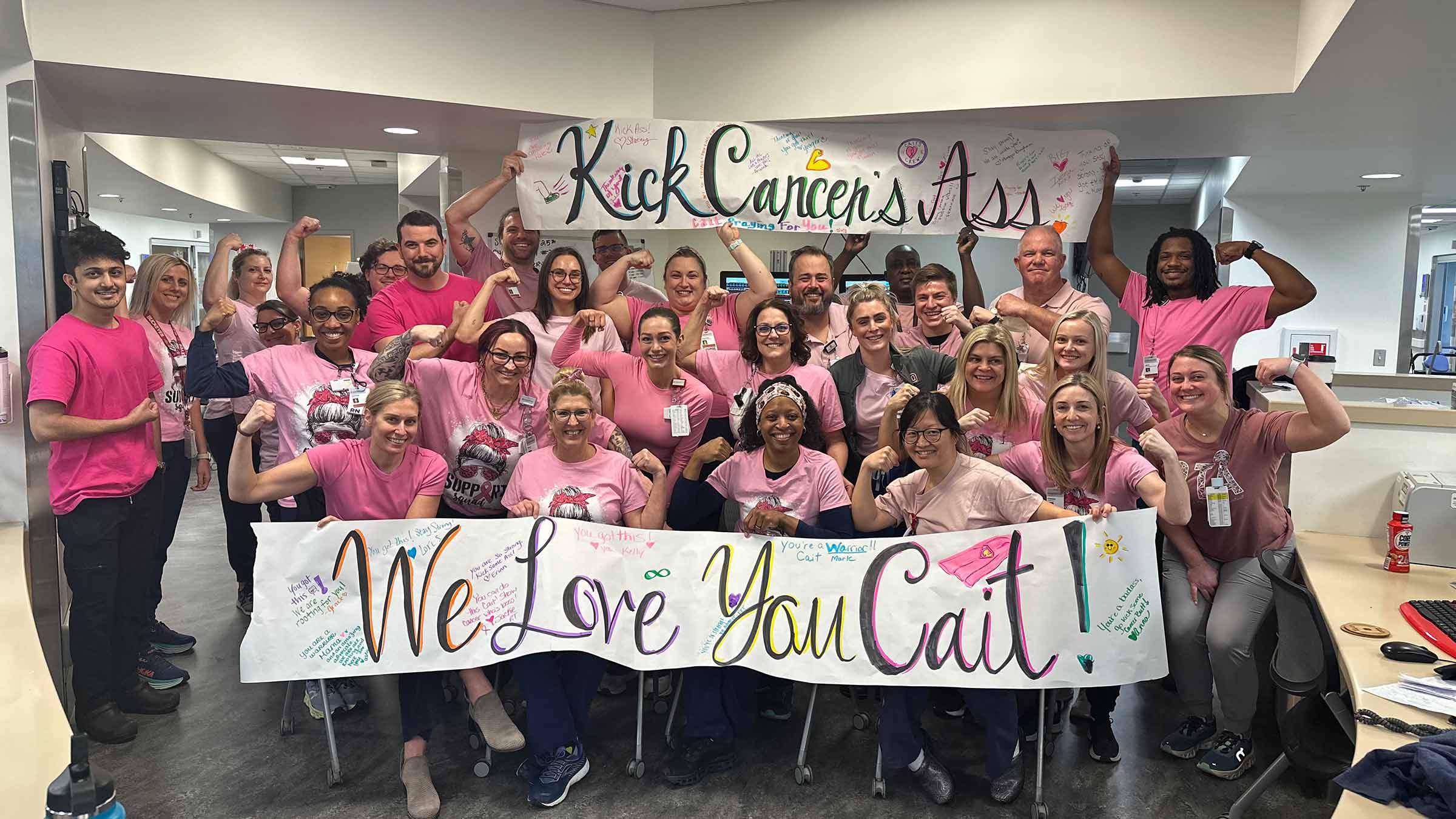
That Conner felt well enough to continue working was especially important and helpful, since many medications oncologists normally prescribe to address chemotherapy side effects aren’t safe during pregnancy. Ohio State Maternal-Fetal Medicine physicians closely monitored Conner and her baby and worked closely with Conner’s obstetrician and oncologists to prepare for the birth.
“Ongoing discussions with Dr. Johnson and the oncology team regarding Caitlin’s long-term treatment plan helped us develop the best approach to her delivery. Throughout it all, Caitlin’s strength and dedication to her family were truly inspirational,” says Heather Frey, MD, Conner’s maternal fetal medicine specialist and associate professor of Obstetrics and Gynecology.
“Maternal-Fetal Medicine did a great job of helping us determine the delivery timing because they didn’t want to deliver too early, but from our standpoint, we wanted to start the HER2-directed therapy as soon as possible,” says Amber Friedman, PA-C, one of the members of Conner’s oncology team.
In September 2024, Conner delivered a healthy baby boy.
Cancer treatment meant Conner wasn’t able to breastfeed from her remaining breast. “I was extremely upset and felt like breastfeeding was taken from me. That’s something I chose to do already with my first child, and I wanted to do again,” she says.
Another breast cancer treatment hurdle
One week after giving birth, when most people postpartum have yet to leave the house, Conner began a year of targeted therapy. Herceptin has a high success rate in curing HER2 cancer permanently. Conner was eager to start despite her fresh C-section scar and the newborn and toddler both waiting for her at home.
“Your body’s changes with pregnancy are shocking in itself, and then losing my hair over time, looking at my port and adjusting to my chest post-mastectomy was one of the hardest things,” Conner says.
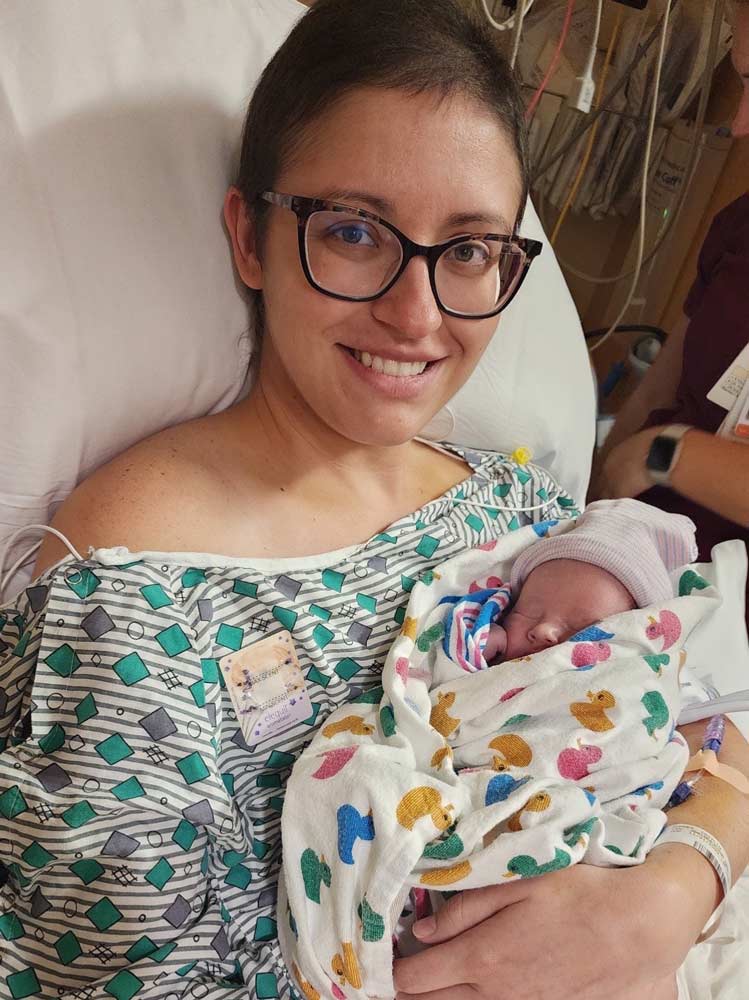 At the end of the two-hour infusion, Conner got a horrible headache and her face turned bright red. A nurse took one look at her and called in a whole team. They removed her clothes, took her blood pressure and did what Conner is also trained to do in case of an emergency. “My nurse brain was thinking this is not what should be happening to me at my infusion,” Conner says.
It was clear Conner was severely allergic to the treatment most likely to save her life. No one can be sure because there are so few cases of allergic reactions to Herceptin and rarely does one start treatment so close to after giving birth, but Dr. Johnson suspects postpartum status might be why Conner was hyperreactive.
Still, Conner was determined to get through the year-long treatment. Her oncologists troubleshooted, using steroids and anti-inflammatory medication before and during treatment. They delivered doses slowly and more frequently. “We had to find a way for me to get this medication, and my oncologists worked day and night to figure something out,” she says.
Conner persevered despite experiencing anaphylactic reactions where her throat closed, her lips swelled and she sometimes needed an EpiPen. “Mentally, I told myself I have to go to the infusion to be alive for my kids and my husband. That was my push – that I wasn’t only doing this for me, but I'm doing this for the people counting on me at home,” she says.
Conner’s symptoms abated with the help of a medication recommended by allergist and immunologist Casey Curtis, MD, and with exposure therapy to slowly receive the medication over 24 hours.
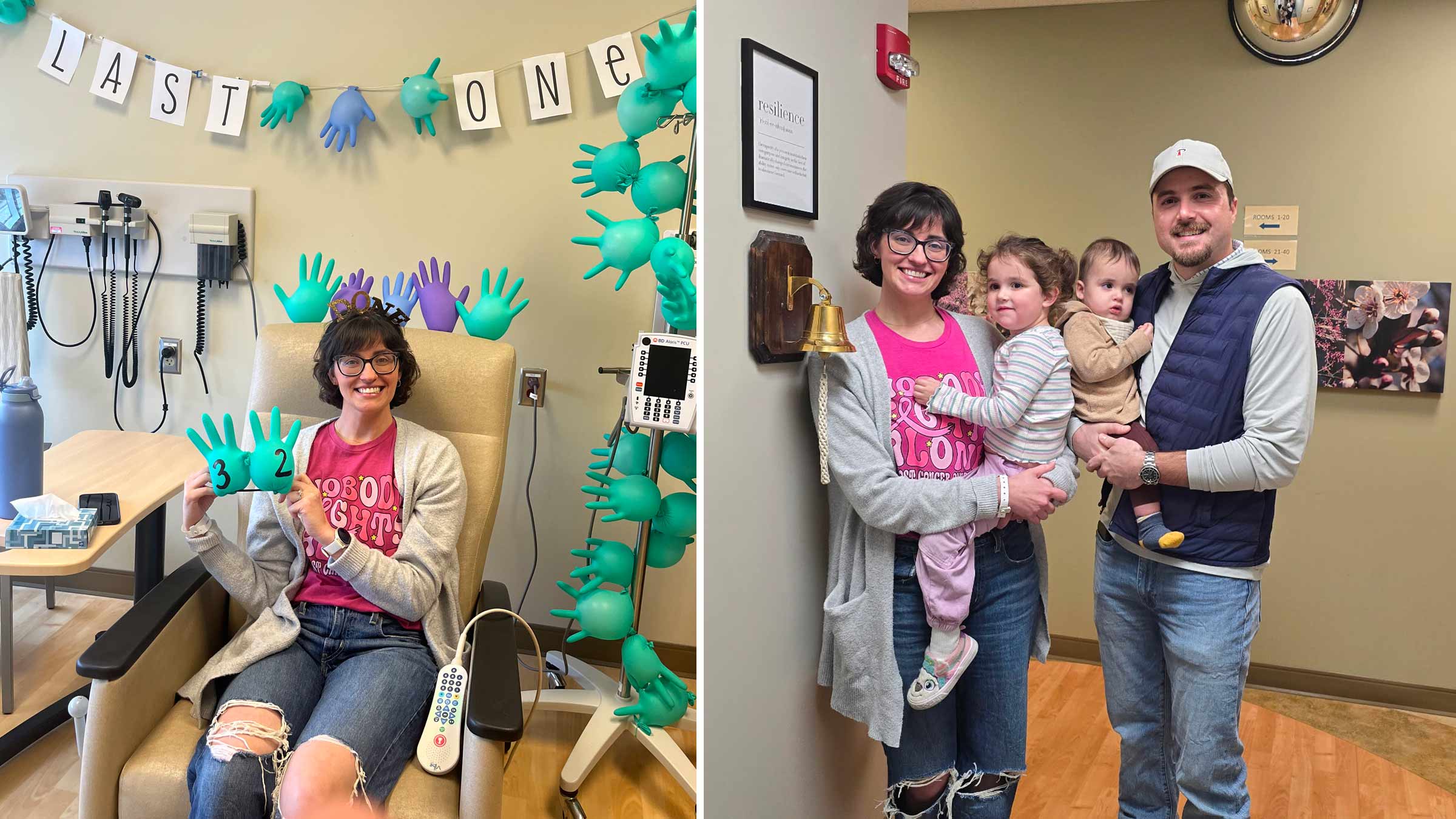
Instead of targeted therapy every three weeks, Conner received a smaller, weekly dose. “I was their first appointment in the infusion suite, and I was the last patient to leave. Those days were exhausting, but the support was amazing. My father attended every single infusion with me after the delivery of my son so my husband could be home with the kids,” she says.
Dr. Johnson and Friedman have since successfully used the same treatment for another patient who was severely allergic to Herceptin. They’re working on a case report to share the method with other oncologists.
Hero to her colleagues
When Conner tells the story of her treatment, she credits her team of oncologists, surgeons, infusion nurses and staff for all they did to get her through breast cancer treatment while pregnant and then postpartum.
“As a nurse, I know we give the top care possible at the bedside. Our physicians are so intelligent in the sense that they’re researching nonstop to make sure they’re giving the most evidence-based care possible,” Conner says.
“I had so much faith in my physicians that I was going to receive the best care possible, despite all my hurdles,” she says.
Friedman and Dr. Johnson claim that the credit all goes to Conner. “She was so resilient and went through the whole process with grace. She never complained and just stuck to it while also working, pregnant, with a toddler and in school. She’s a total inspiration,” Friedman says.

Conner shared her journey on TikTok and kept a journal. When she felt like she was always talking about cancer, she instead spent time with her family trying to feel normal. She’d go to the zoo with the kids on days she had a lot of energy and spent time cuddling on the couch with them when she had less.
In addition to continuing her nursing shifts in the Heart and Vascular Center ICU, Conner also managed to continue her education to become a nurse practitioner and will graduate in May. “Throughout the whole treatment, she was devoted to her family, patients, school and treatment,” Friedman says.
When Conner finished her last infusion a year and eight months after her breast cancer diagnosis, she gathered her oncology team and her loved ones in the lobby for photos, dessert and to ring the cancer-free bell. Everyone present was part of Conner’s motivation or her support team. All of them had something to celebrate.


Early detection saves lives
Schedule your mammogram with the experts at The James.
Schedule Now