Thoracic surgeon pays forward mentorship to inspire others to the field
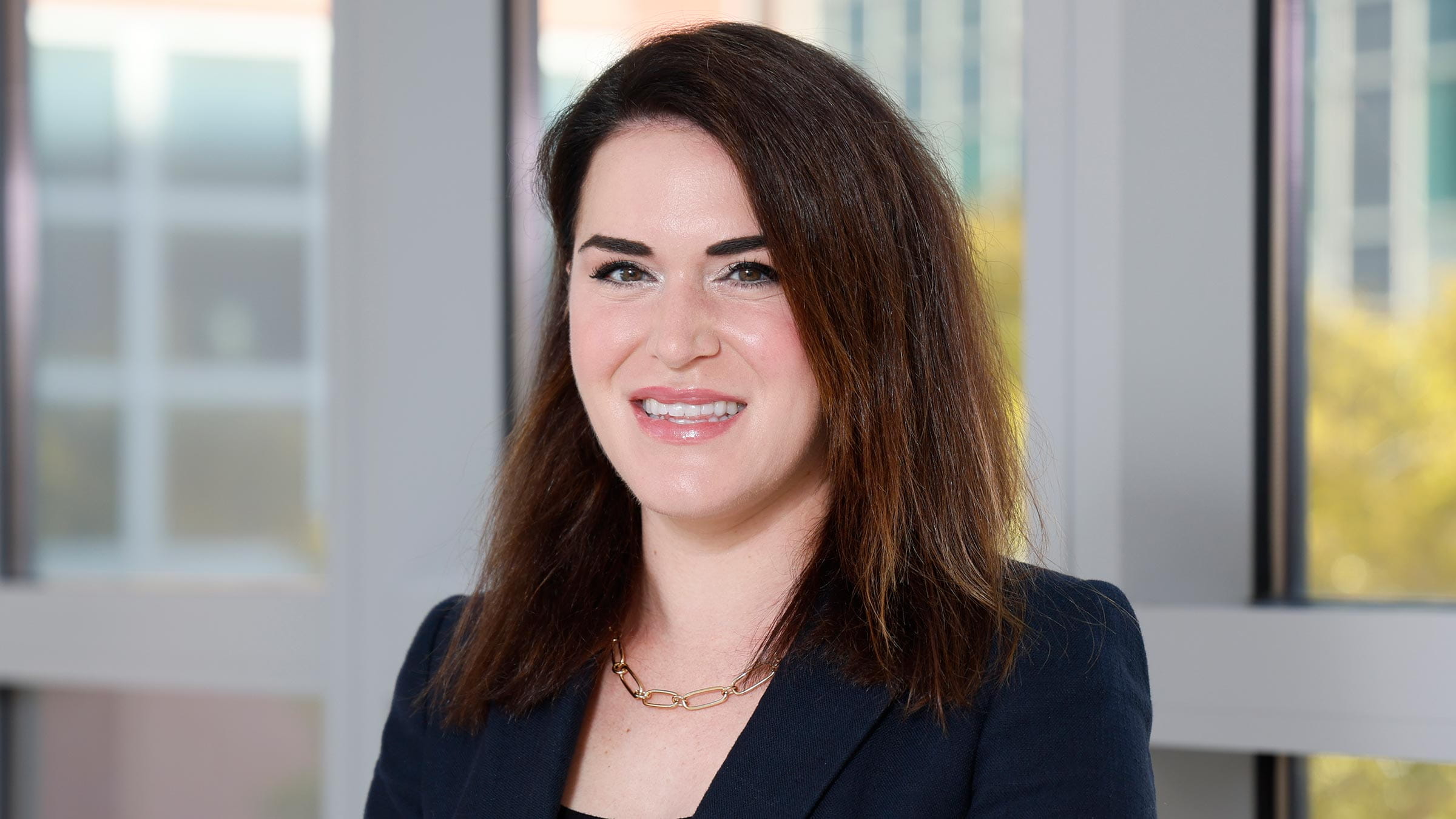
One of a small but growing number of women thoracic surgeons in the United States, Dr. Ioana Baiu applies her considerable skills to helping patients and mentoring others.
Ioana Baiu always knew that she would become a physician, just like her great-grandmother.
Her belief in the power of surgery, along with a desire to help others facing complex medical conditions, set her on a zigzag course that led to a career in thoracic surgery – treating patients with cancer and other disorders of the lungs, esophagus and chest wall.
When she decided at age 16 to pursue medical school, many people told her she first needed to volunteer at a hospital. Both of her parents worked at the University of Wisconsin – Madison, the home of UW Health University Hospital, so she began volunteering there in the operating room’s recovery area. It was a life-changing experience.
“One day I peeked into a room where a heart bypass was about to begin. The surgeon stepped out and said, ‘Come in, let me show you,’” she says. “I watched him perform the entire surgery. When the heart started beating again, I got goosebumps and thought, “This is what I want to do with my life!’”
Today, Dr. Baiu is among a relative few female thoracic surgeons in the nation and the only one at Ohio State, where her skills as a clinician, researcher and mentor benefit not only patients, but aspiring female thoracic surgeons as well.
A roundabout route to thoracic surgery
After high school and college, she entered Harvard Medical School with the initial intent of becoming a surgeon; however, her medical training was not in thoracic surgery.
“In medical school, I didn’t really have any female surgeon mentors, so I swayed from surgery and trained in pediatrics instead,” she recalls. “Also, women becoming surgeons was discouraged. I was told that if I wanted to have a life, a family, kids or anything like that I should stay away from surgery, so I thought I would do pediatric cardiology and fix little kids’ hearts.”
But she yearned for a surgeon’s ability to sometimes “cure” a patient in one day through a single procedure, “providing the immediate gratification of doing something that’s hugely impactful on a patient’s life.”
With her Harvard medical degree in hand, she reconsidered her career path and went to Stanford Medical School, where she first pursued a residency in general surgery and later in thoracic surgery – a decision largely influenced by three women surgeons on the Stanford faculty “who showed me that it’s possible.” She admired their ability to operate anywhere in the chest and abdomen. “It was the most comprehensive type of surgery, and what I ultimately wanted to do.”
Finding fulfillment as a thoracic surgeon
In 2024, Dr. Baiu was recruited to Ohio State, joining her thoracic surgery colleagues in operating on patients with chest cancers and benign disorders – “anything in the chest other than the heart,” she explains, adding that they also perform abdominal surgeries for benign conditions such as hernias.
Although female thoracic surgeons are still a significant minority in this discipline, data indicate slow but steady growth in their numbers. Dr. Baiu recognizes her important role in nurturing that growth.
“I feel a responsibility to mentor other aspiring female surgeons, to not let them sway away as I did, to show them it’s possible to do this and be fulfilled,” Dr. Baiu says.
Heightening awareness, reducing disparities
As a researcher, Dr. Baiu focuses on strategies to enhance short- and long-term outcomes for patients with thoracic conditions, as well as gender disparities in cancer care. She’s also interested in improving early detection of lung cancer and increasing awareness about the importance of screenings.
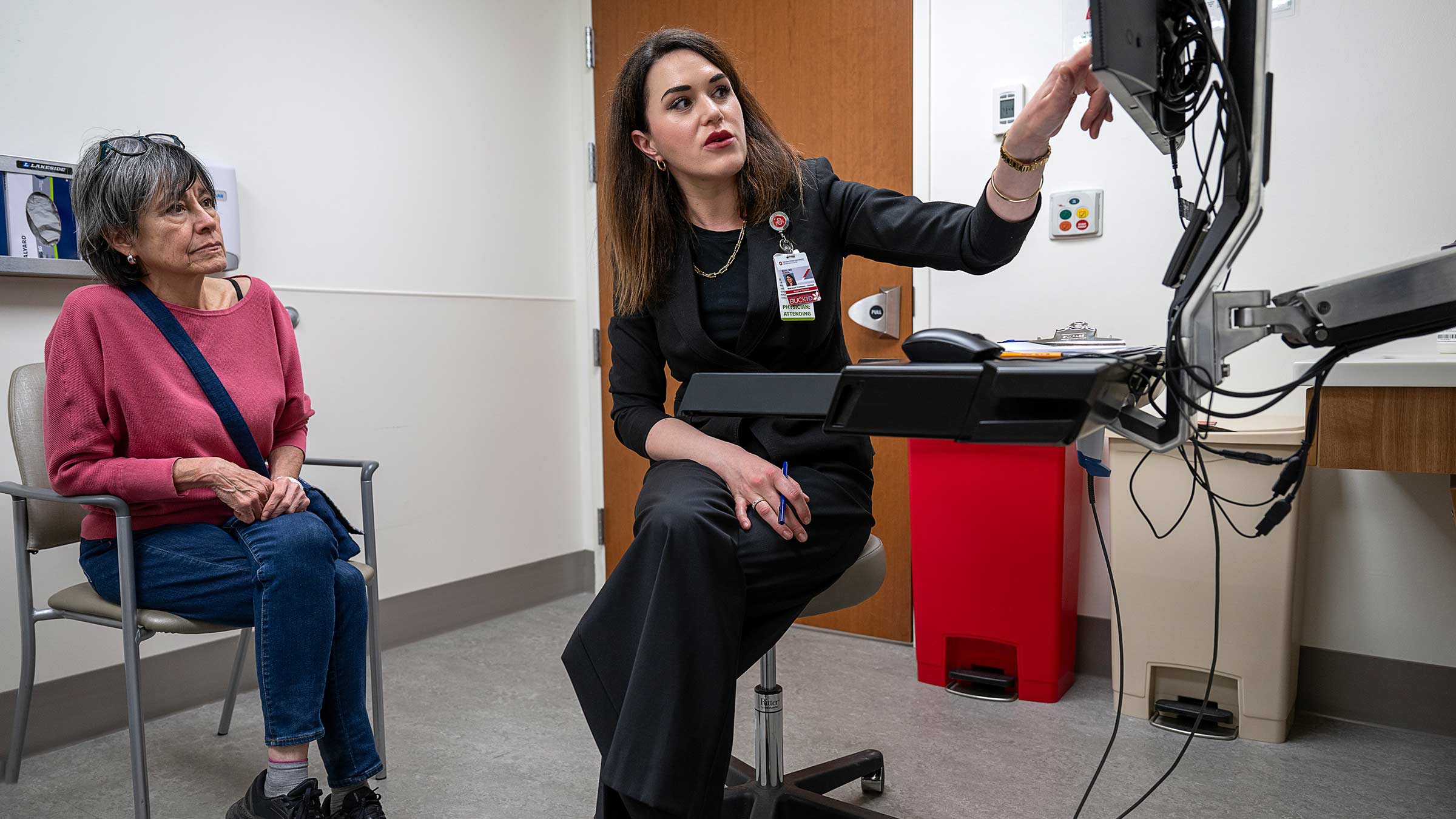
Dr. Baiu says there is still a public misperception that women and young people generally don’t get lung cancer. She notes that, although most cases do occur in people over 65, clinicians are seeing more women and young people present with this disease. The American Cancer Society projects that slightly more women (118,500) than men (110,910) will be among the 229,410 estimated new cases in the United States in 2026. Dr. Baiu also points out that about 20% of lung cancers occur in patients who are never-smokers, adding that this proportion is increasing as fewer people are smoking. She says researchers attribute lung cancer among non-smokers to several factors, including exposure to radon gas and second-hand smoke, as well as air pollution and genetic mutations in the tumor types of never-smokers versus smokers.
“I think it’s important for physicians and the public to be aware of this and to understand that patients should be screened for lung cancer whenever there’s a concern for it,” she says, adding that relatively few people know about low-dose computed tomography (CT) screening for lung cancer, a method that has been well-studied. “It’s been shown that mortality decreases when this screening is used for patients who are eligible for it, or for whom there is a concern for possible lung cancer.”
Dr. Baiu says research led by the Division of Thoracic Surgery “is focused on patient outcomes – using pooled patient data, AI programs and national databases to help identify risk factors and predictors of complications and success so we can advance the field of thoracic surgery.”
Excelling in challenges in and out of the operating room
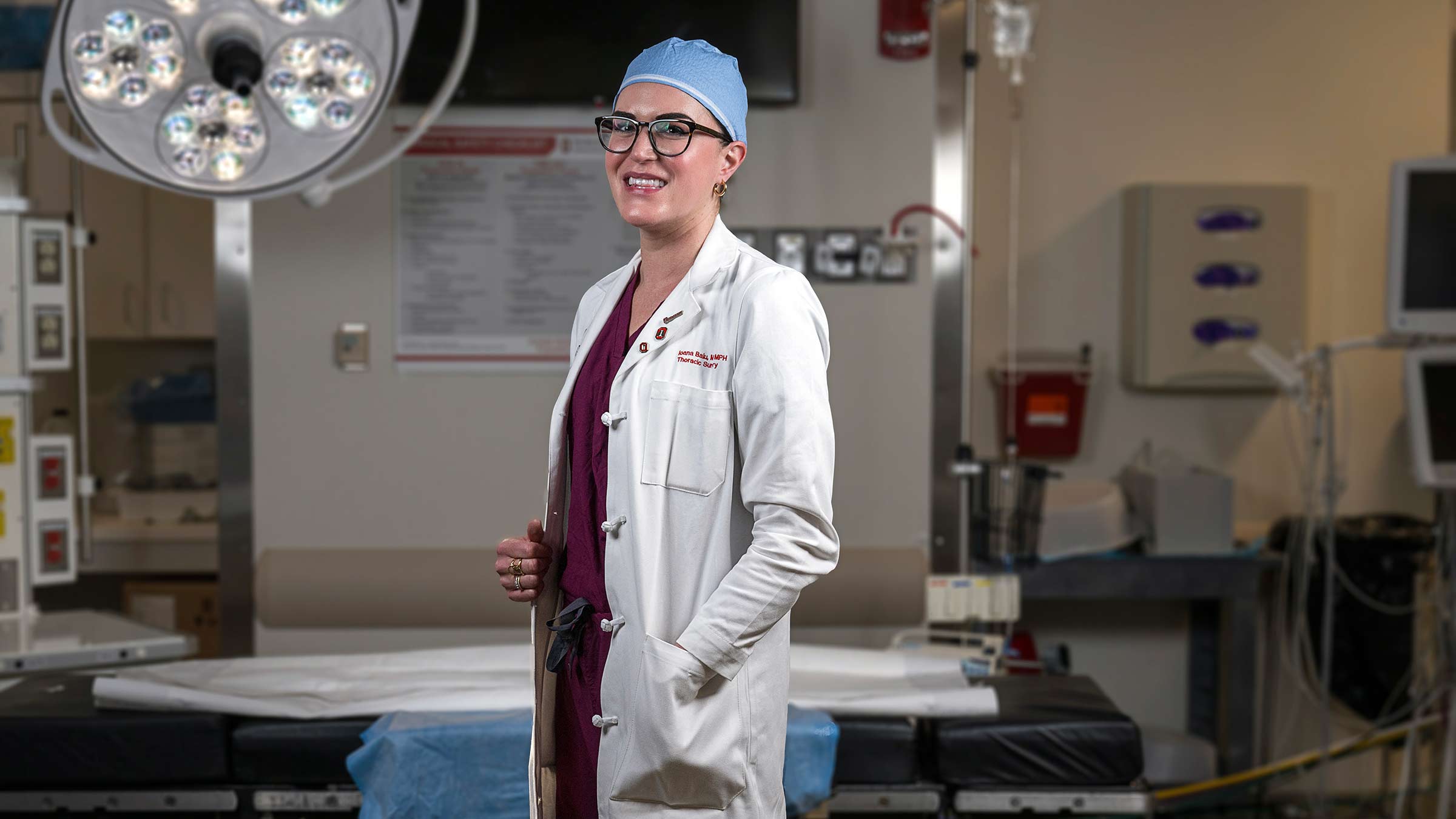
As a clinician, Dr. Baiu strives to improve her patients’ lives and is exhilarated by “the ability we have to quickly create a trusting relationship where they literally say, ‘I’m going to put my life in your hands.’ There’s nothing else I could do that’s so mutually impactful and rewarding.”
An inspiring example, she says, is one of her patients, a 36-year-old woman who had never smoked and who, as a runner, had a very healthy and active lifestyle but developed lung cancer that was diagnosed early “because she spoke up about unusual chest discomfort. She underwent a robotic lung resection with me and had an amazing recovery. Not long after her surgery, she returned to running.”
Dr. Baiu admits that surgeons “can’t always fix everything, but we can help diagnose and expedite treatment,” as in the case of an 83-year-old woman who suffered from weight loss and fatigue. After Dr. Baiu performed a robotic biopsy, the patient was diagnosed with metastatic lung cancer.
“But during one hospital stay,” she says, “we were able to diagnose and stage her cancer, help her regain weight and energy, start her on chemotherapy and immunotherapy, and connect her with all the teams that were involved in her care, including oncology and palliative care.
“One of the things I love about working at a comprehensive cancer center is our multidisciplinary approach to treatment,” Dr. Baiu says.
“I often operate together with ENT surgeons, cardiac surgeons and surgical oncologists to provide highly specialized care that is tailored to each patient.”
She admits her work can be stressful, but she considers that to be an asset when blended with confidence and skill. “I think it’s good to have a healthy anxiety where you’re stressed enough that you’re going to be very focused on your patient and not take anything for granted.”
One thing that helps her is being a successful triathlete.
“Doing triathlons is comparable to being a surgeon because it pushes you beyond your limits and requires intense focus,” she explains. “When you jump into freezing water and high waves with many other people and sharks and boats, you concentrate on surviving – a mental exercise of mind over body.”
Dr. Baiu believes her triathlon training also will help her when she participates in the 2026 Pelotonia, the annual community and cycling event series that raises millions of dollars for cancer research at the OSUCCC – James. “I’ve heard so much about Pelotonia and am excited to take part in it,” she says.
Abundant appreciation
Also a skilled educator, Dr. Baiu hopes her love of teaching will help her enlighten students and the public alike about lung cancer screening and disparities, along with other aspects of thoracic surgery.
“I like getting people excited about learning,” she says. “I think you can teach everybody a little about many different aspects of medicine. That’s the importance of mentorship, and I feel incredibly grateful because the only way I could get to where I am today was with the help of my family and all my mentors who saw something in me and supported me.”
She offers an enthusiastic message for all.
“If you want to do something, follow your heart and go for it. It doesn’t matter whether you’re a woman or a man, or what your background is, just find and follow your path. Once you’re doing what you love, you’ll wake up every day and feel the excitement.”

Accurate, early cancer diagnosis matters
The James Cancer Diagnostic Center gives patients direct, expedited access to diagnostic testing and consultation with Ohio State cancer experts.
Schedule an appointment today