A new pathway for patients living with chronic pain
When pain can’t be eliminated, a unique program at Ohio State changes the approach to improving life for those with chronic pain.
Chronic pain causes people to struggle as they watch their function and mobility decline. They seek pain relief from medications, injections and even surgeries. While these approaches may be useful for recent pain concerns, they often offer little relief for chronic problems.
An innovative program at The Ohio State University Wexner Medical Center called Pain Rehabilitation and Education: Values and Actions that Improve Life (PRE:VAIL) is tailoring care to change the dynamic of pain management for those with chronic pain.
A team of doctors, physical therapists and pain psychologists collaborate to help patients with osteoarthritis, fibromyalgia, hypermobility syndromes, chronic regional pain syndrome and other chronically painful conditions stay afloat.
“We don’t have a life ring to pull them out of the pain, but we do offer swimming lessons,” says Steven Krause, PhD, an assistant professor of Rehabilitation Psychology in The Ohio State University College of Medicine. “They undergo high-quality therapies to become more active and stronger despite chronic pain, so it doesn’t destroy the person they have been and wish to be.”
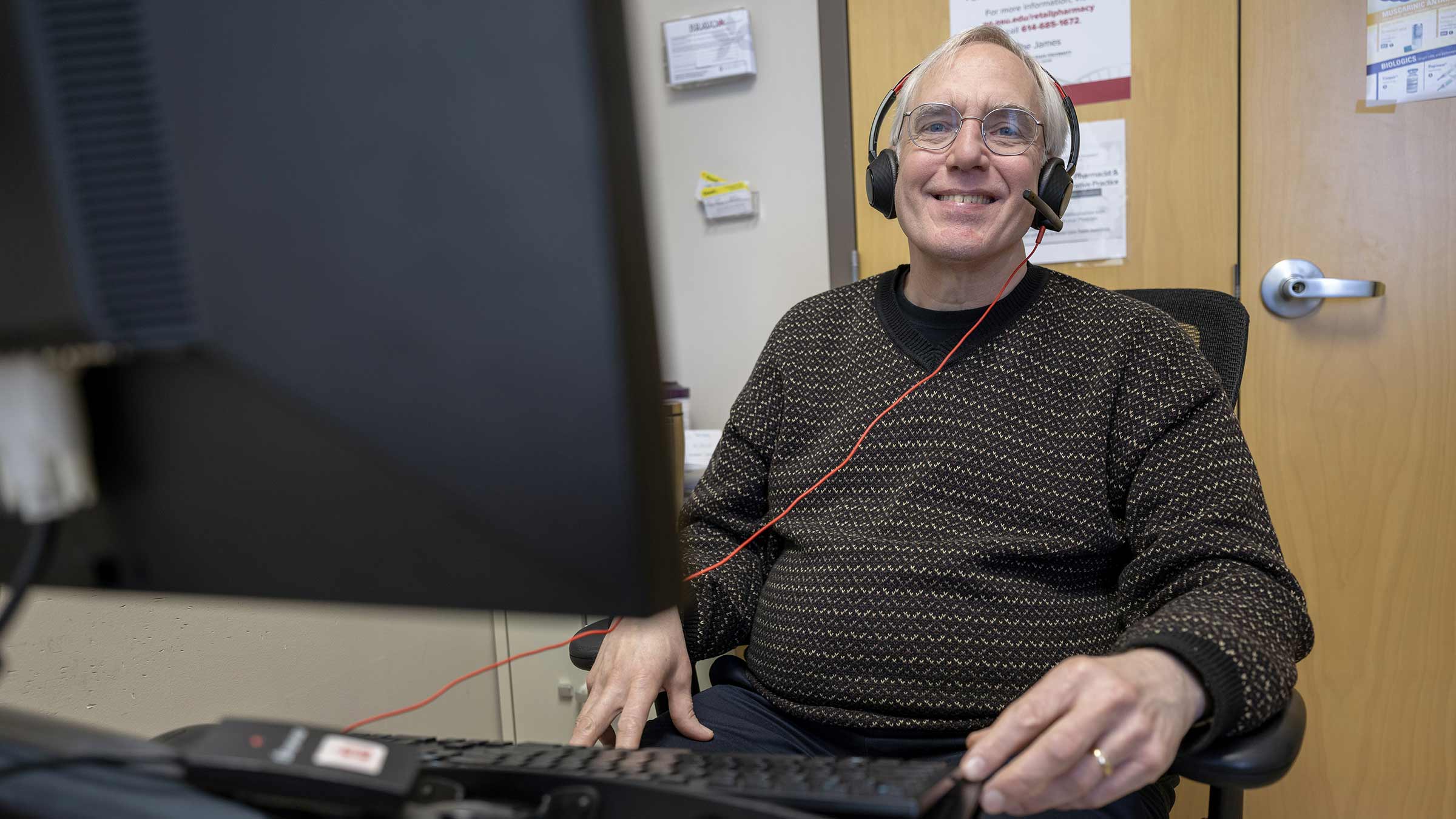
Shawn Corcoran, MD, who works with Dr. Krause on the team, says their approach differs from traditional pain management, which offers medications and procedures with the goal of reducing or removing pain. By contrast, PRE:VAIL aims to help patients live fuller lives in the setting of pain, says the assistant professor of Internal Medicine in the Ohio State College of Medicine.
The program offers methods and treatments to improve four key areas:
- Function
- Coping
- Mobility
- Quality of life
“It’s built on a philosophy of pain rehabilitation where we help them accept that it’s not going to go away, but we can help them build strength and coping skills to manage it,” Dr. Corcoran says.
“We might explore opioid-sparing medication to address biological causes and nutrition approaches to increase range of motion and reduce systemic inflammation, but we also address psychological, physical and social consequences of pain.”
Combating a stigma of chronic pain
Lauren Tiemeier, DPT, PT, a physical therapist and outpatient rehabilitation chronic pain team lead for the program, says patients often come to them discouraged and skeptical that anyone will believe that their continuing pain is real. They’re surprised when their pain is validated, so they feel safe enough to engage in the process.
“The goal isn’t to convince them to push through it,” Dr. Tiemeier says. “It’s to help them discover that movement and participation are safe again, so they’ll collaborate with us to help their nervous system become less sensitive over time.”
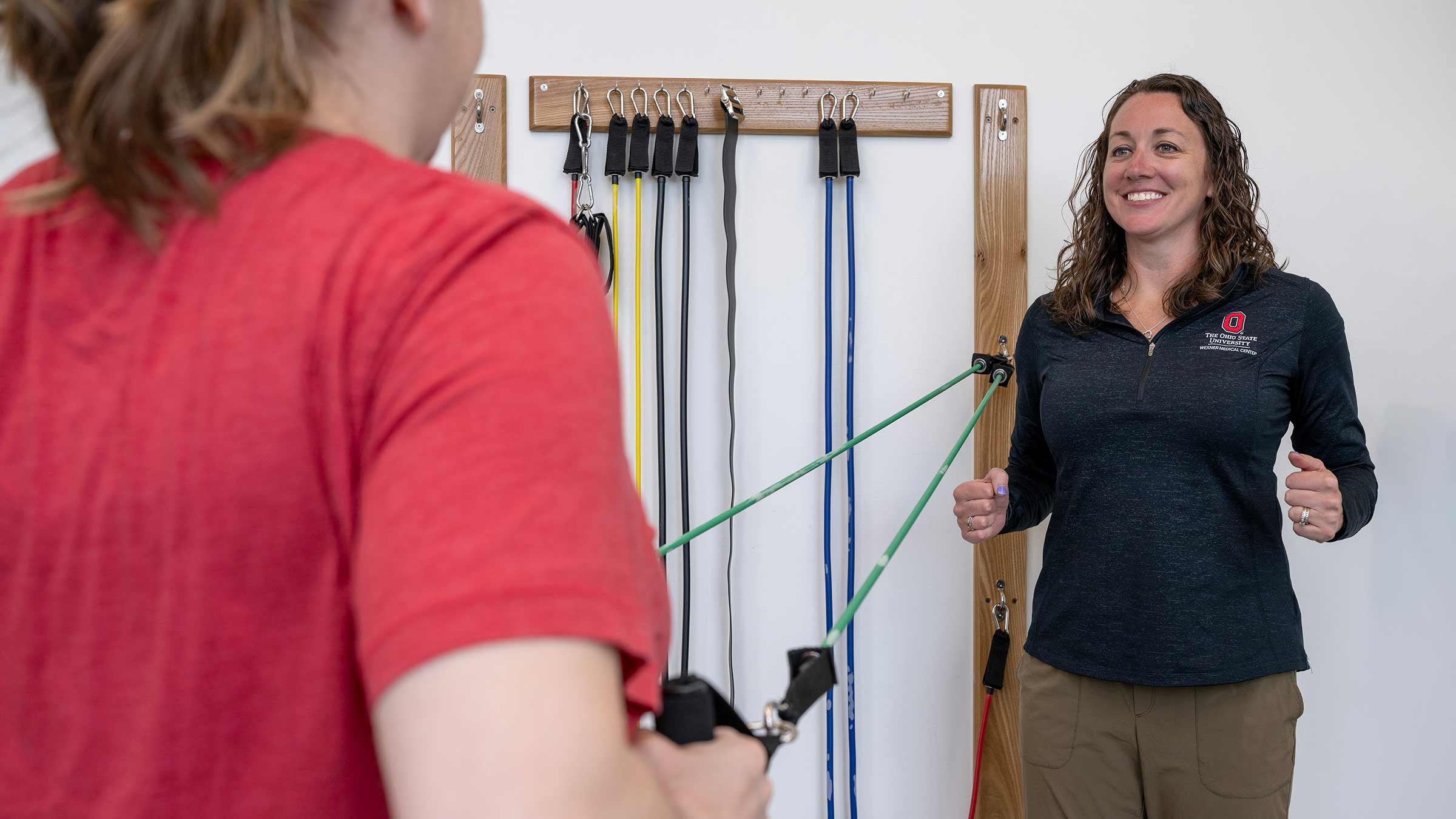
A multisystem lens to view and manage chronic pain
To build confidence and trust, patients begin with manageable steps and achievable movements that don’t trigger major flare-ups. They’re guided through three to six months of pain-focused physical therapy, psychotherapy and even occupational therapy, along with nutrition classes and medical care. The staff reviews cause of pain as well as past treatments, but they focus more on collaborative goal-setting, because the team has learned patients are more willing to engage when therapy is tied to what matters to them.
“Playing with their kids, gardening, returning to work or walking without fear. Framing treatment around meaningful goals makes the effort worthwhile,” Dr. Tiemeier says.
Dr. Krause starts by educating patients on the relationship between pain and their own choices, so that they understand that their response to pain can either amplify or diminish its impact. He asks them a group of specific questions: Does it change your activity level or ability to function? Your mood or your relationships?
“We review an inventory of needed skills, such as goal-setting, mindfulness, pain tracking and balancing activity with rest,” he says. “We determine which ones they have and which ones need to be developed.”
Persistent pain causes the brain to start interpreting normal movement or sensory input as threatening, which can lead to protective behaviors like guarding and avoidance, which reinforce those pain pathways.
“By helping patients understand pain is produced by the brain as a protective response – not always a sign of damage – the need to reduce threat perception makes sense,” Dr. Tiemeier says. “Lower threat means the brain is less likely to amplify pain signals and makes the treatment plan feel more logical.”
Understanding how differing pain types affect the brain
“The purpose of the nervous system is to communicate and transmit sensory information from the body to the brain,” Dr. Krause says, “and then send motor information down from the brain.”
When nerves function properly, this triggers a rapid response. You touch a hot stove with your hand; skin receptors transmit a signal to your spinal cord, then it goes to your brain for processing. It reacts to the pain signal, tells your hand to contract and you pull it off the stove, sustaining a minor burn and nociceptive pain, the common pain type after injury or inflammation.
For many, this is the only pain they’ll experience. For others, nerves themselves may be injured and may transmit signals inaccurately or still send pain signals even after healing has ended. This results in neuropathic pain, a form of pain resulting from nerve malfunction.
Finally, the repeated experience of pain may itself create nociplastic pain, an alteration in the way the brain processes future pain signals in a small brain region called the insula, where it takes in sensory signals, including both pain and non-pain inputs, and integrates them together. Chronic pain can change the insula’s structure and function, especially in patients who’ve experienced it long-term.
“Picture an activated insula as a volume knob on a speaker that’s turned way up,” Dr. Krause says. “This often plays a major role in the chronic pain disorders we treat.”
They work with patients step-by-step to reduce pain by slowly addressing and changing what triggers the insula. These changes create new signals that help the brain update its predictions.
“By helping our patients change their thinking and behavior around pain,” Dr. Corcoran says, “it can rewire the brain and reverse maladaptive neuroplasticity into adaptive pathways that support greater function.”

Improve life with chronic pain
The PRE:VAIL Program changes the approach to chronic pain management.
Learn more about the program