Changing lives for people coping in isolation with colorectal conditions
Partnership between hospitals fills a treatment gap with team trained in both pediatric and adult care.
Whenever Laura Kindelt pulled into the parking lot for a day of skiing, the anxiety would hit.
Her mind focused on one question: “Where’s the bathroom?”
The same unease overtook her thoughts whenever she’d go out to dinner with friends, whenever she’d go hiking or running, whenever she’d go to the grocery store.
Born with a rare physical abnormality that made it difficult to control her bowels, Kindelt had learned that coping meant always scoping out the quickest route to the restrooms.
She also had learned to live with it, as doctors offered few solutions over the decades.
“I never knew anything different,” Kindelt says. “If I had an accident, I would just clean myself up and move on. No one ever gave me an option or anything that gave me hope.”
After living nearly 56 years with the issue, she finally found a glimmer, and it came via an email that would change everything.
Treatment for avoidable colorectal symptoms
Kindelt received the message from colon and rectal surgeon Alessandra Gasior, DO, less than 24 hours after she had first reached out to the doctor to explain her challenges.
Dr. Gasior leads the Colorectal Transitional Care Clinic, a unique program designed to treat people who were born with colorectal defects whose needs haven’t been met due to a gap in care.
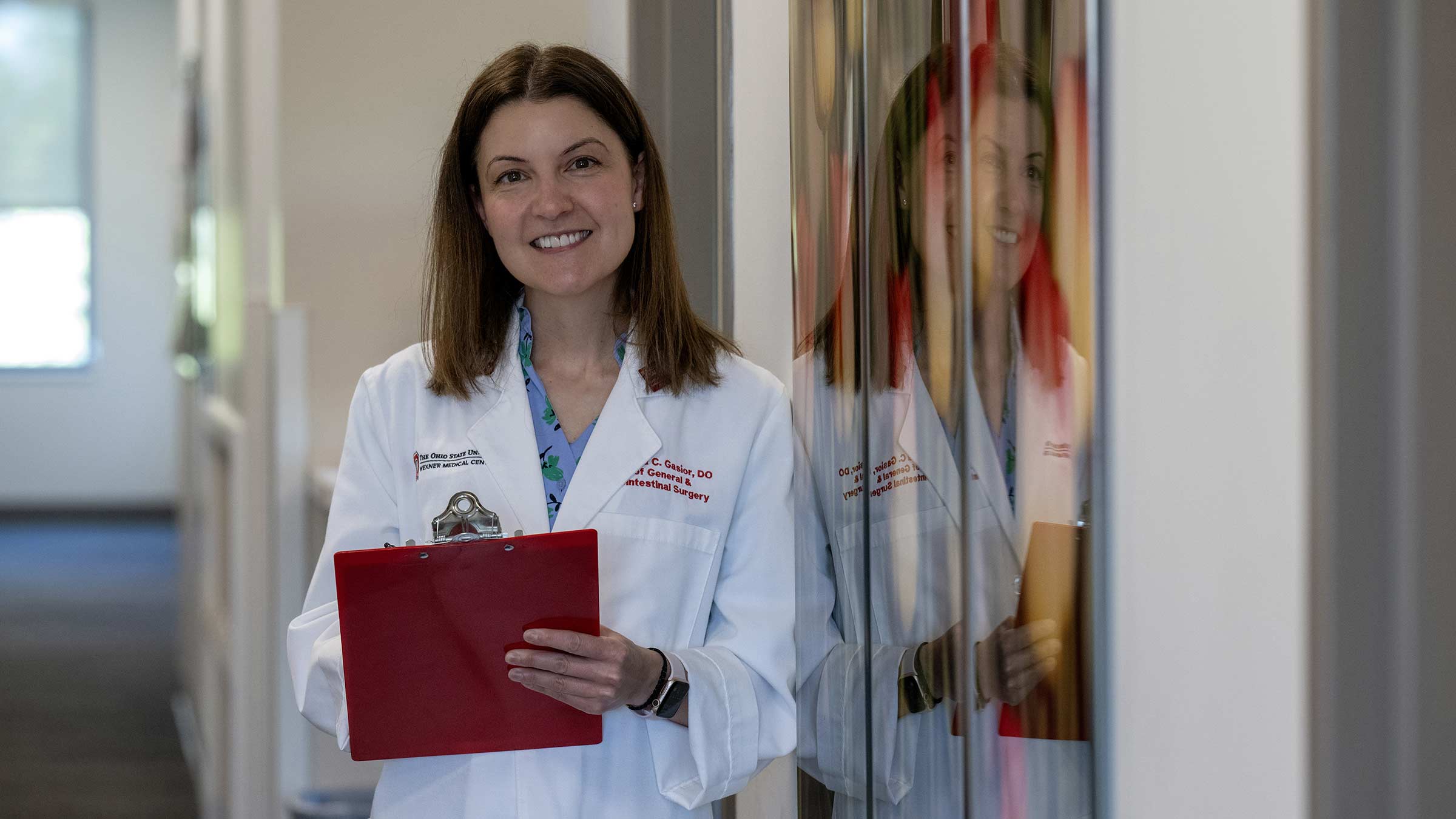
A partnership between The Ohio State University Wexner Medical Center and Nationwide Children’s Hospital, the clinic also seeks to ensure that young patients avoid those gaps by connecting them with continued specialty care as they become adults.
Soon after her email, Dr. Gasior made a phone call to discuss options with Kindelt, who has an anorectal malformation, in which the anatomy of the anus and rectum are not properly formed.
It was during that call in November 2025 when Kindelt knew she’d found someone who understood and cared.
She was eager to pack her bags and travel the 2,000 miles from Truckee, California, in the Lake Tahoe area, to Columbus, Ohio, to meet Dr. Gasior.
“I pretty much dropped everything, and I was like, “How soon can I come?” Kindelt says.
She scheduled her visit for January.
Closing the gap in care for adult colorectal patients
While resources and support for children with these colorectal conditions tend to be robust, medical expertise often dries up when they become adults, Dr. Gasior says.
Such patients are born with varying degrees of abnormalities that might involve the intestinal, urinary, genital and reproductive tracts, and they often receive reconstructive surgery as infants or children.
Patients may cope with fecal incontinence, urinary incontinence, constipation, sexual dysfunction, poor body image or difficult pregnancies and deliveries. These issues are often accompanied by anxiety or depression.
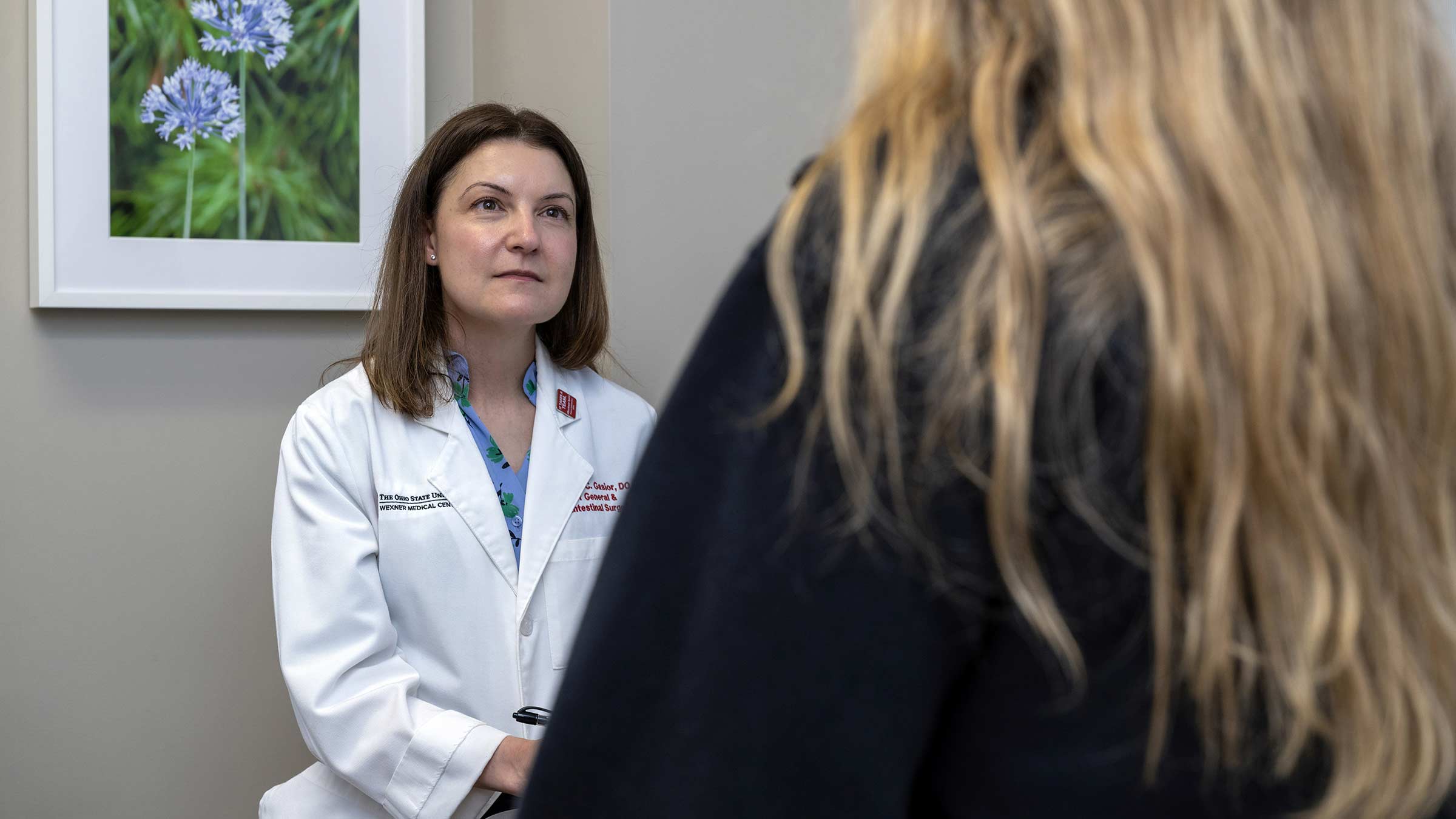
The Colorectal Transitional Care Clinic is unique in that Dr. Gasior has training in both child and adult colon and rectal surgery, allowing her to foster a seamless transition and continue seeing her pediatric patients as they become adults.
It’s also unique in that it provides a team of experts for older patients who feel unheard.
“I have patients in their 60s and 70s who say that they’ve never told anyone these things before. It’s almost cathartic for them,” Dr. Gasior says.
“It’s a lost patient population that no one wants to take care of because of the complexity, because they don’t understand the anatomy,” she says.
Coping in isolation with colorectal symptoms
Kindelt had undergone surgery to address her malformation when she was just 10 days old, and her family believed she was “fixed,” she says.
Embarrassment meant the issue was rarely mentioned. Kindelt grew up unclear about the nature of her condition, but very clear that it wasn’t socially acceptable.
“It’s such a personal problem, especially as a child, and in middle school, high school, college, it’s really isolating. I never really talked much about it,” she says.
When Kindelt would go running, she’d have to hit the bushes. Out to dinner with friends, she’d excuse herself multiple times, telling them her stomach was acting up. She often canceled plans and avoided certain activities altogether.
She visited urologists, gynecologists and colorectal specialists over the years, once being offered surgery that ran the risk of leaving her with a colostomy bag – a risk she just didn’t want to take. The only other solutions provided: Eat more fiber. Take probiotics.
As Kindelt got older, the condition worsened and she dreaded the possibility of a homebound future.
The bowel management boot camp
She eventually opened up, sharing her story with a woman who had rectal cancer. “There is help out there,” the woman told her. “There are other people like you.”
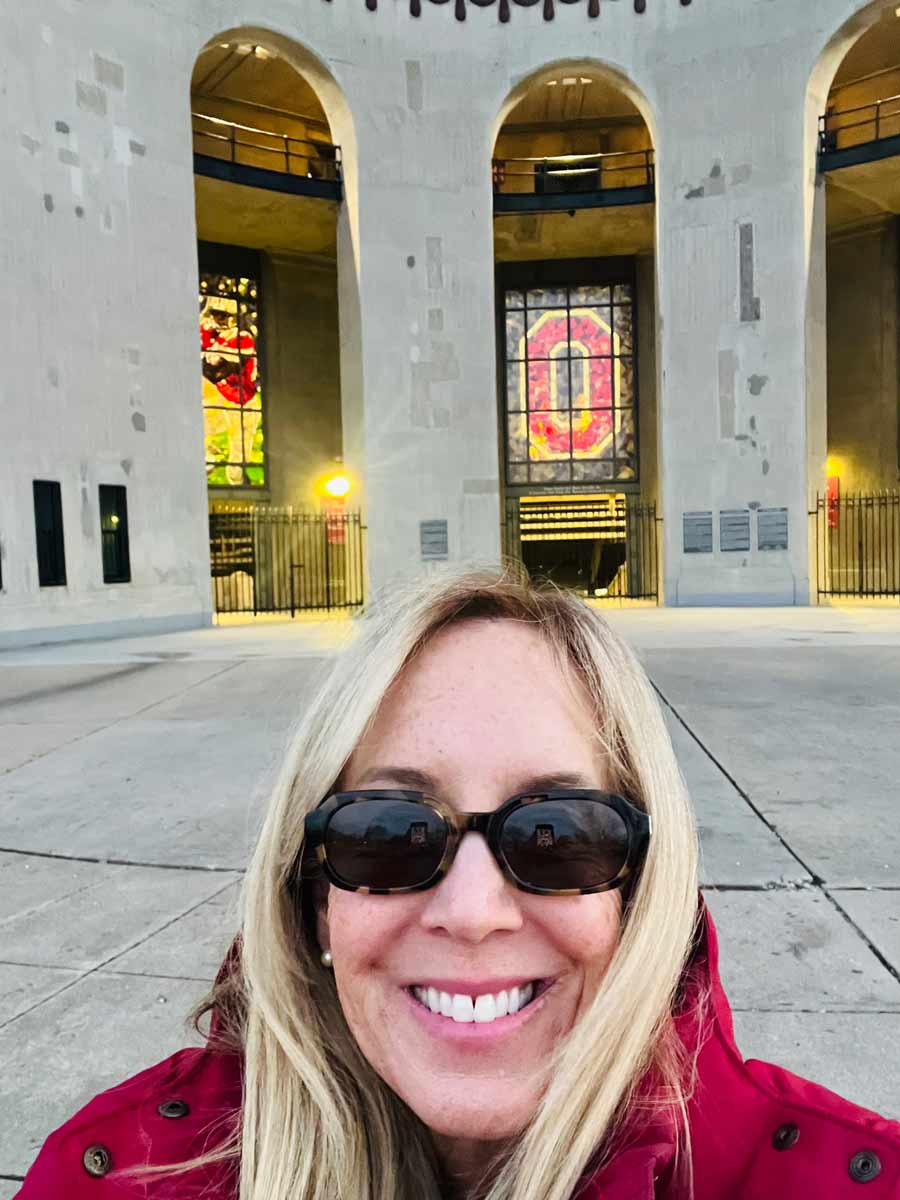 For Kindelt, it was something of a revelation – and a relief.
“I knew that I was born a little bit differently, but that’s just the way it was,” she says. “I never, ever even considered that there were other people like me.”
Kindelt learned that anorectal malformation affects about 1 in every 5,000 infants, finding new support from social media groups of people who lived with the same condition. They directed her to Dr. Gasior.
The fact that Dr. Gasior was in Ohio wasn’t a roadblock: “With the amount of trials and tribulations I’ve had, I was like, ‘I’ll go wherever I can,’” she says.
The type of care provided by the clinic means many patients share the same sentiment, often traveling great distances from across the United States as well as other countries, Dr. Gasior says.
Kindelt’s treatment also involved staying in Columbus for 10 days to attend multiple appointments at both Nationwide Children’s Hospital and the Ohio State Wexner Medical Center.
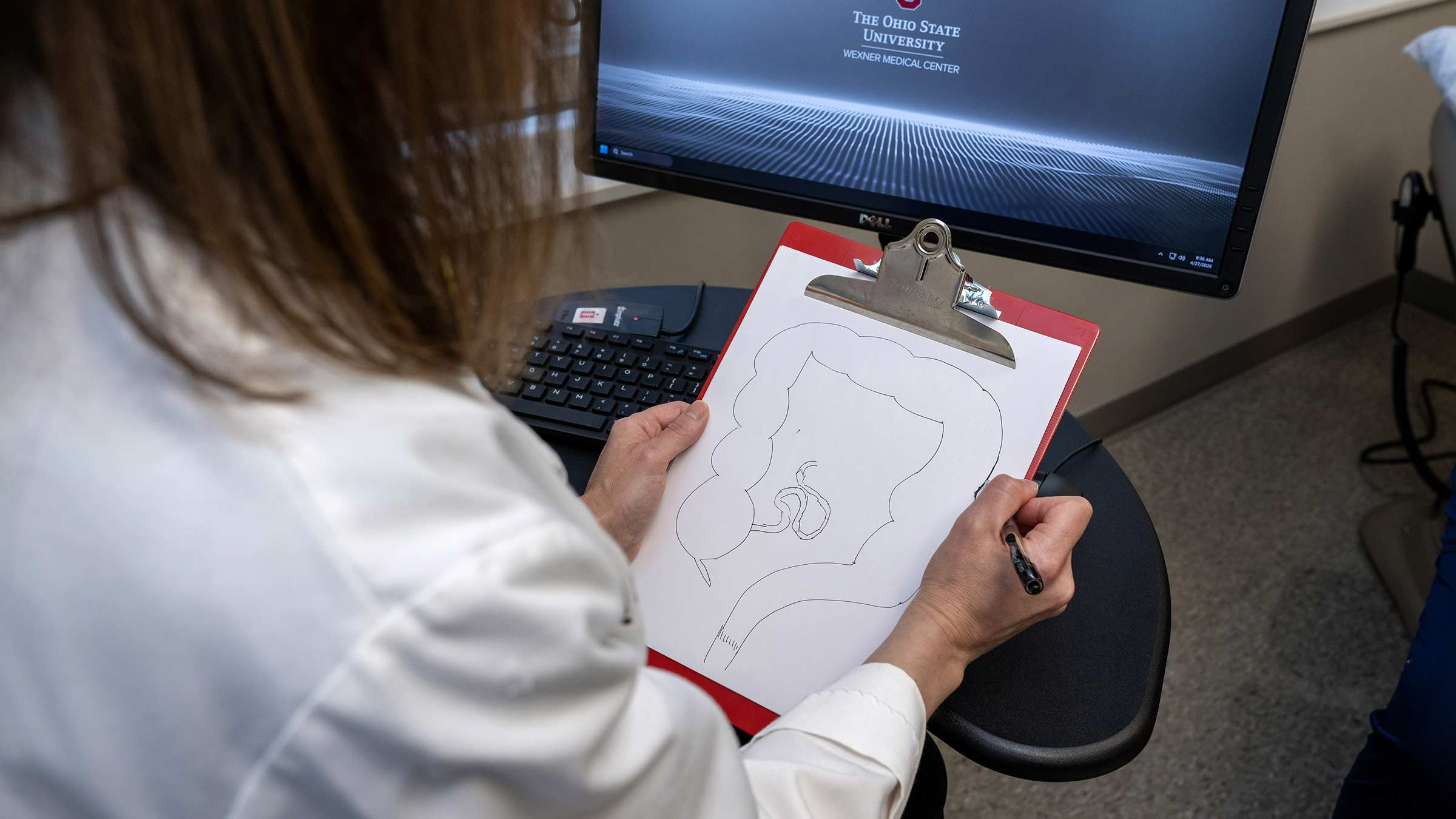
The goal was to create a daily regimen that achieved scheduled bowel movements. Dr. Gasior likens the specialized treatment plan to a bowel management “boot camp.” It has an 85% success rate.
For Kindelt, doctors adjusted the “recipe” of a daily solution delivered by enema until X-rays showed it would result in the complete emptying of the bowels, Dr. Gasior explains.
Once the solution was finalized, Kindelt was able to continue treatment at home, using the solution each morning so she doesn’t have to go to the bathroom for the rest of the day.
A full team of colon and rectal specialists
The Colorectal Transitional Care Clinic specializes in treating congenital colorectal patients who have anorectal malformation or Hirschsprung’s disease and also treats other bowel issues, such as Crohn’s disease, ulcerative colitis and functional constipation.
Along with access to Dr. Gasior, the clinic provides urology reconstruction surgeons and obstetric/gynecologic surgeons trained in treating congenital malformations that may also affect the urinary and reproductive tracts in both children and adults. Psychiatrists and other specialists are consulted as needs arise.
Obstetrician/gynecologist Geri Hewitt, MD, met with Kindelt during her stay to discuss the possibility of pelvic organ prolapse – in which organs drop from their normal positions. Dr. Hewitt gave Kindelt peace of mind, answering gynecologic questions in the framework of her anorectal condition.
“She found it very comforting to talk to a gynecologist who understood her congenital condition, understood the surgeries that she’d had performed and understood how her postsurgical anatomy may impact her current level of function,” Dr. Hewitt says.
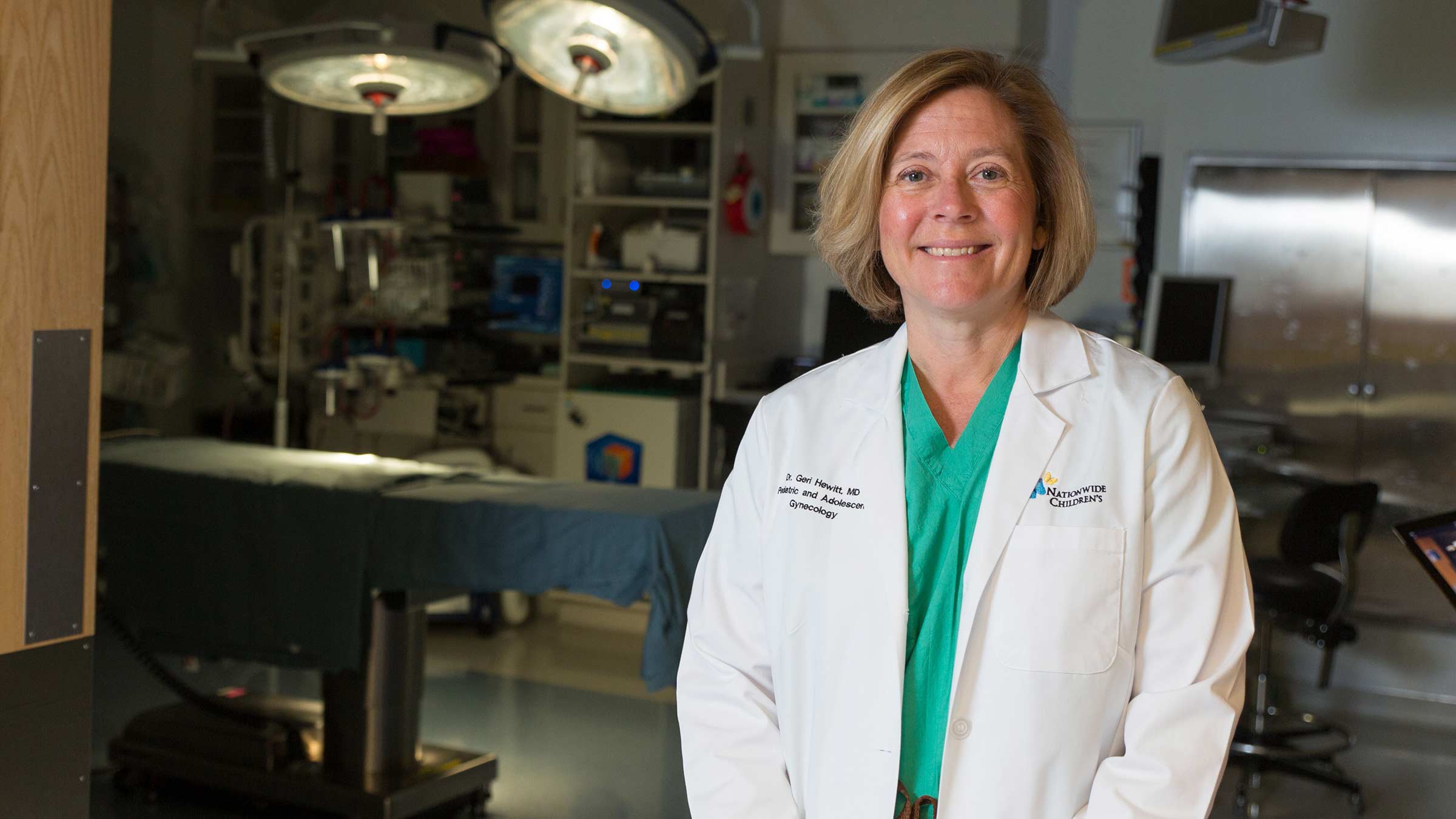
This type of multidisciplinary, holistic approach is key to achieving success, with treatments tailored to each patient, Dr. Hewitt says.
“Dr. Gasior and her team worked seamlessly together in a way that is truly remarkable,” Kindelt says. “They were so kind. They didn’t just treat my symptoms – they genuinely cared about me as a person.”
Inspiring improved care for congenital colorectal conditions
Kindelt’s experience is an example of what inspired Dr. Gasior to start the clinic. Created in 2018, it grew from the concern that adult patients were forced to seek help at the children’s hospital.
“A lot of these patients had surgeries done as children and were told, ‘You’re fixed, you’re fine,’ and had no follow-up,” Dr. Gasior says. “Many thought they were the only ones in the world who had this condition. They lived in isolation and were so grateful and so appreciative of the care that we were able to offer.”
Through her work, Dr. Gasior has inspired others who’ve sought out Columbus for training in both pediatric and adult colon and rectal care. Her hope is that the future will bring more dedicated transition clinics.
Dr. Hewitt says she’s witnessed the way Dr. Gasior meets patients where they are and tries to improve their lives.
“Dr. Gasior is someone who not only has the knowledge and the skills to provide excellent care, but she’s highly committed and motivated and passionate about serving these patients,” Dr. Hewitt says.
Freedom and gratitude without anorectal symptoms
Kindelt says she now has a quality of life she never dreamed of and wants others living in silence to know that there’s someone who can help.
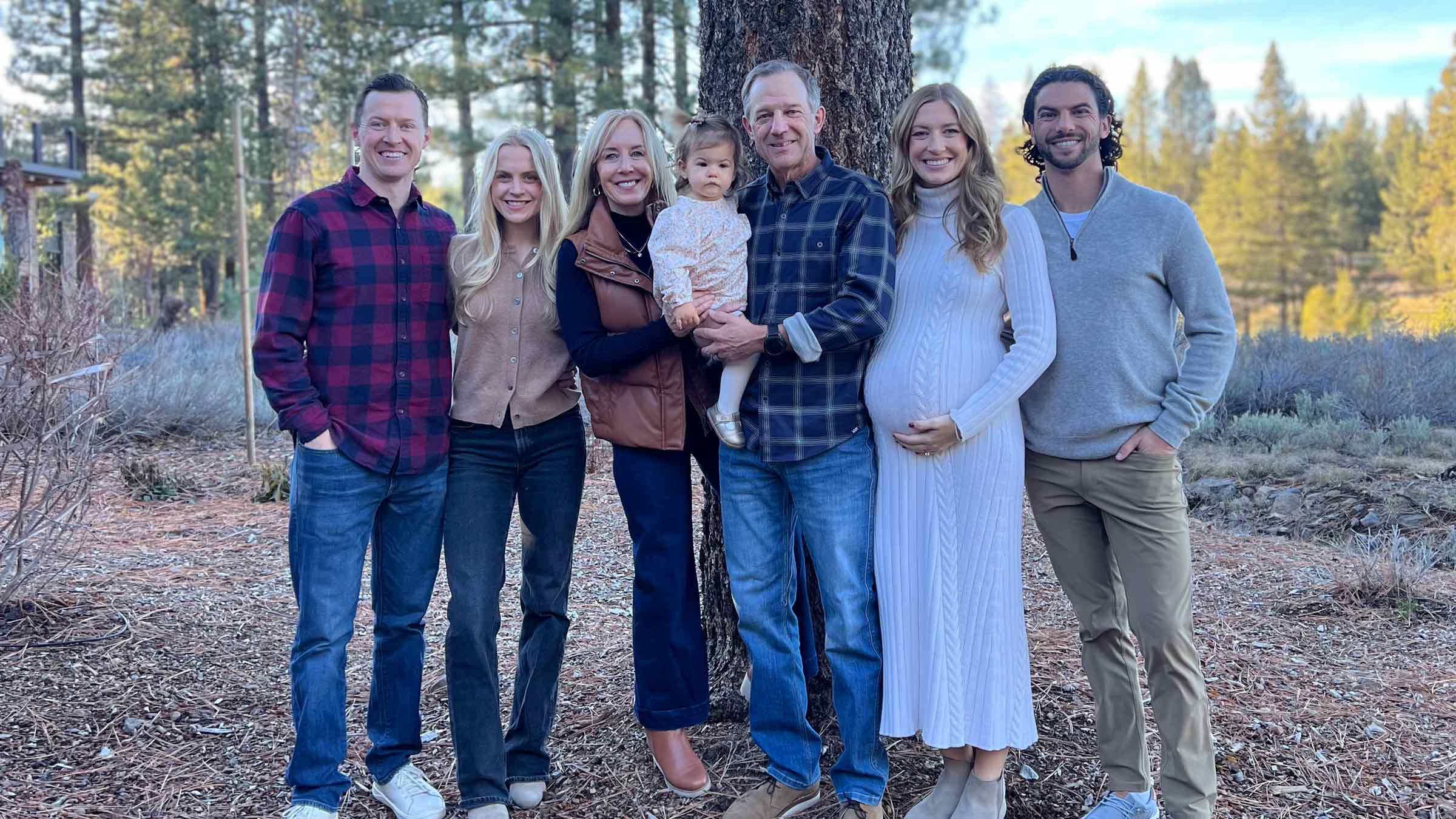
Alongside her in this success and gratitude are her husband, her grown children and the close friends who’ve witnessed what she’s endured.
“I want to run and shout from the rooftops, but they want to shout from the rooftops with me. Everybody is just like, ‘Oh my gosh, this is the greatest thing ever for you,’” Kindelt says.
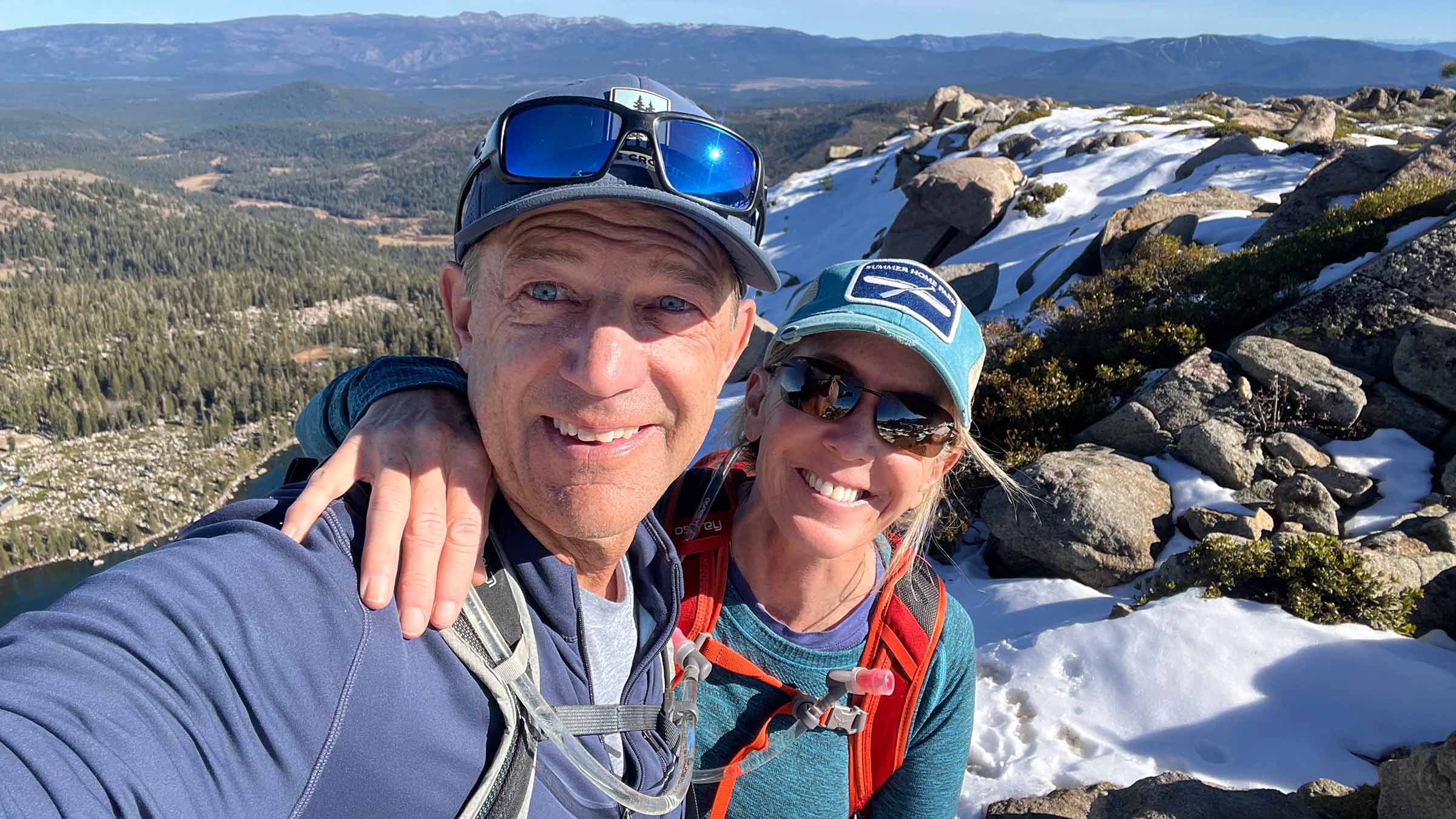
Now, Kindelt skis, jogs, hikes, travels, goes to work – all without the threat of an accident and without having to frantically scan around for the bathroom.
“The freedom I feel is indescribable,” she says. “I’m overflowing with gratitude for Dr. Gasior and her team. They truly gave me the gift of living.”

Find help for congenital colorectal conditions
The Colorectal Transitional Care Clinic offers a lifetime of care for people born with colon diseases.
Learn more about the clinic