An urgent lifeline to mental and behavioral health support
How a new model of urgent care is bridging the gap for mental health.
In the midst of a mental health crisis, there was a moment in the waiting room at The Ohio State University Wexner Medical Center’s Behavioral Health Urgent Care clinic (BHUC) when Alex Toomey knew he was in the right place.
There on the wall was a photo of Danielle Leedy, Toomey’s former high school classmate, who died by suicide in 2019. The nonprofit her family started in her name, 33 Forever, generously supports BHUC.
“I felt a lot of emotions in that dark moment. One of them was that I was definitely in the right place,” says Toomey, who's from Lancaster, Ohio.
From an isolated struggle to ongoing support
Toomey struggled with anxiety and depression for decades before seeking urgent care at BHUC. With no official diagnosis, he attempted to ignore his struggles throughout most of his adult life. “I thought the problems I was dealing with were just me being mentally or emotionally weak, and I could tough it out,” he says.

Eventually, Toomey sought prescribed medication from his primary care provider and sporadically spoke with a therapist. None of it was enough, but getting more help proved too overwhelming without an obvious, simple path.
That remained the status quo until 2024, when Toomey’s anxiety and depression bubbled over. In the midst of his struggle, his wife told him about the Behavioral Health Urgent Care clinic at The Ohio State University Wexner Medical Center Harding Hospital. It was exactly what he needed.
“I definitely felt an immediate sense of hope just hearing this existed, because I was familiar with the concept of urgent care,” Toomey says.
That first visit with urgent care practitioners was the first time Toomey spoke with a psychiatrist. At 39, he was officially diagnosed with generalized anxiety disorder and depression – two diagnoses he already suspected. He quickly got the help he needed, including a new medication and a pathway to continued care. “The medication alone was like a miracle drug. I immediately felt better and could handle things differently,” Toomey says.
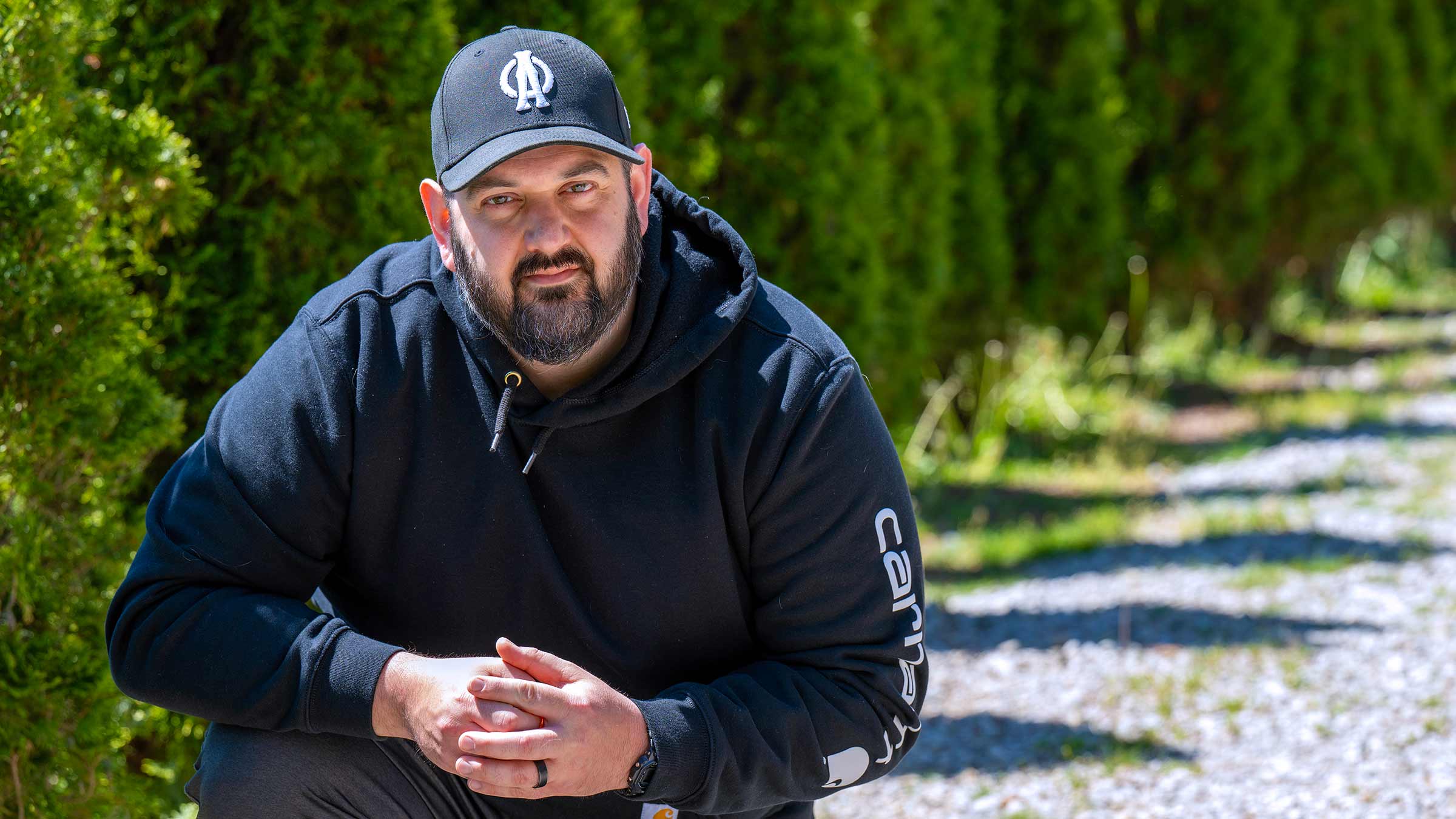
Looking back, Toomey credits BHUC with saving his life. “I don’t want to be hyperbolic, but at worst, I wouldn’t be here. At the best, I’d still be fumbling around, pretending like I’m OK,” he says.
Significant barriers to mental healthcare
In the United States, 23% of adults live with a mental health condition. Nearly 1 in 18 has a serious mental health disorder, such as schizophrenia, bipolar disorder or major depression, according to a 2023 National Survey on Drug Use and Health from the Substance Abuse and Mental Health Services Administration (SAMHSA).
Despite the needs, access to mental healthcare is limited – especially in rural areas. Even among those with insurance, barriers include inadequate coverage, limited providers, long waitlists, high deductibles and fragmented care. Access to psychiatrists for prescribed medication is particularly limited.
“If you walk into any community across the United States right now, it’s incredibly difficult to get an appointment with a psychiatrist or even with a counselor, much less to have that be within a reasonable period of time,” says Katherine Brownlowe, MD, a neuropsychiatrist at Ohio State’s Neurological Institute and clinical associate professor of Psychiatry and Neurology in The Ohio State University College of Medicine.
Like Toomey, many people with mental health conditions try to muddle their way through with a patchwork of care or receive no support at all.
Origin story
BHUC grew out of a pressing need for urgent mental healthcare to prevent a greater crisis. Supported by funding from The Jeffrey Schottenstein Program for Resilience, the program is the first mental health urgent care center in the country, opening shortly after the pandemic. Today, it’s a model for similar programs nationwide.
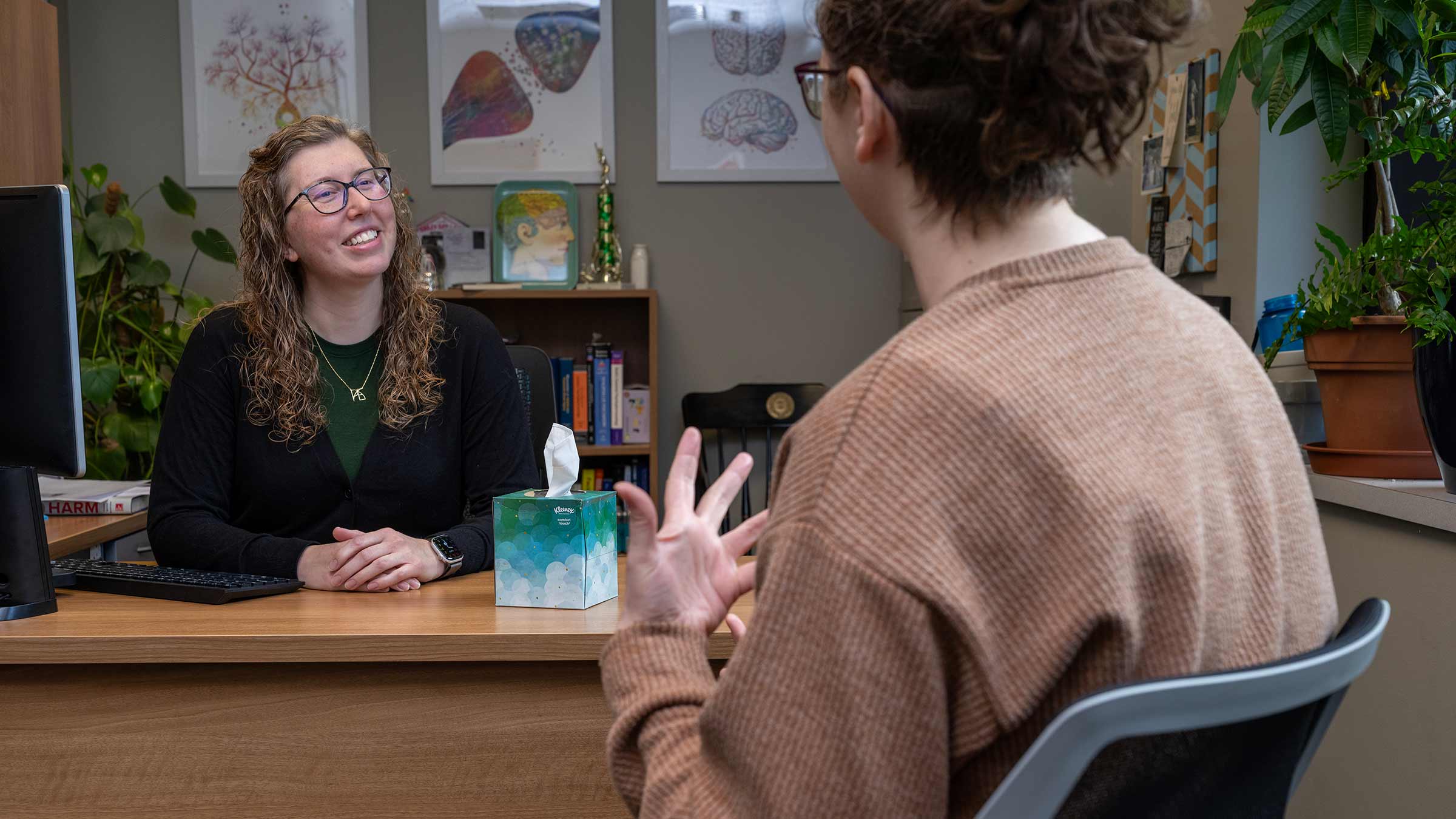
An urgent behavioral healthcare clinic fills two previously unmet needs. One is to provide immediate support for anyone discharged from a psychiatric inpatient stay. The highest rate of suicide risk is immediately after an inpatient psychiatric hospitalization, so immediate follow-up is crucial. Before BHUC was created, community follow-up after inpatient discharge was around 43%. Currently, clinicians at BHUC have seen 70% of people, in person, within one week of their discharge from Ohio State Harding Hospital.
“We’ve consistently provided timely support to individuals who may have otherwise remained at risk for suicide.” Matthew Onorato, LISW-S, director of Behavioral Health for Ohio State’s Behavioral Health and Addiction Services, and an assistant professor of practice in the Department of Psychiatry and Behavioral Health
“Without this follow-up care, patients might face a few weeks to see a provider, representing a significant period of elevated risk,” Onorato says.
The other previously unmet need was supporting those with urgent mental healthcare needs that aren’t severe enough to require an inpatient hospital stay. Typically, someone with urgent mental healthcare needs has to go to an emergency department for immediate care. They’d find help in that moment of crisis, but didn’t necessarily access an ongoing treatment plan. Some would be admitted for observation in inpatient psychiatric care, only to wait to be seen by a provider. “They were admitted to the hospital away from their home and their supports, just to get medication management or talk to somebody for an hour the next day,” Dr. Brownlowe says.
BHUC fills the same role in mental healthcare as a general urgent care center does for physical needs. Just as patients visit urgent care centers for minor stitches or an X-ray, BHUC helps people with urgent – but not emergency – mental health issues.
Walk-in and scheduled visits support thousands each year
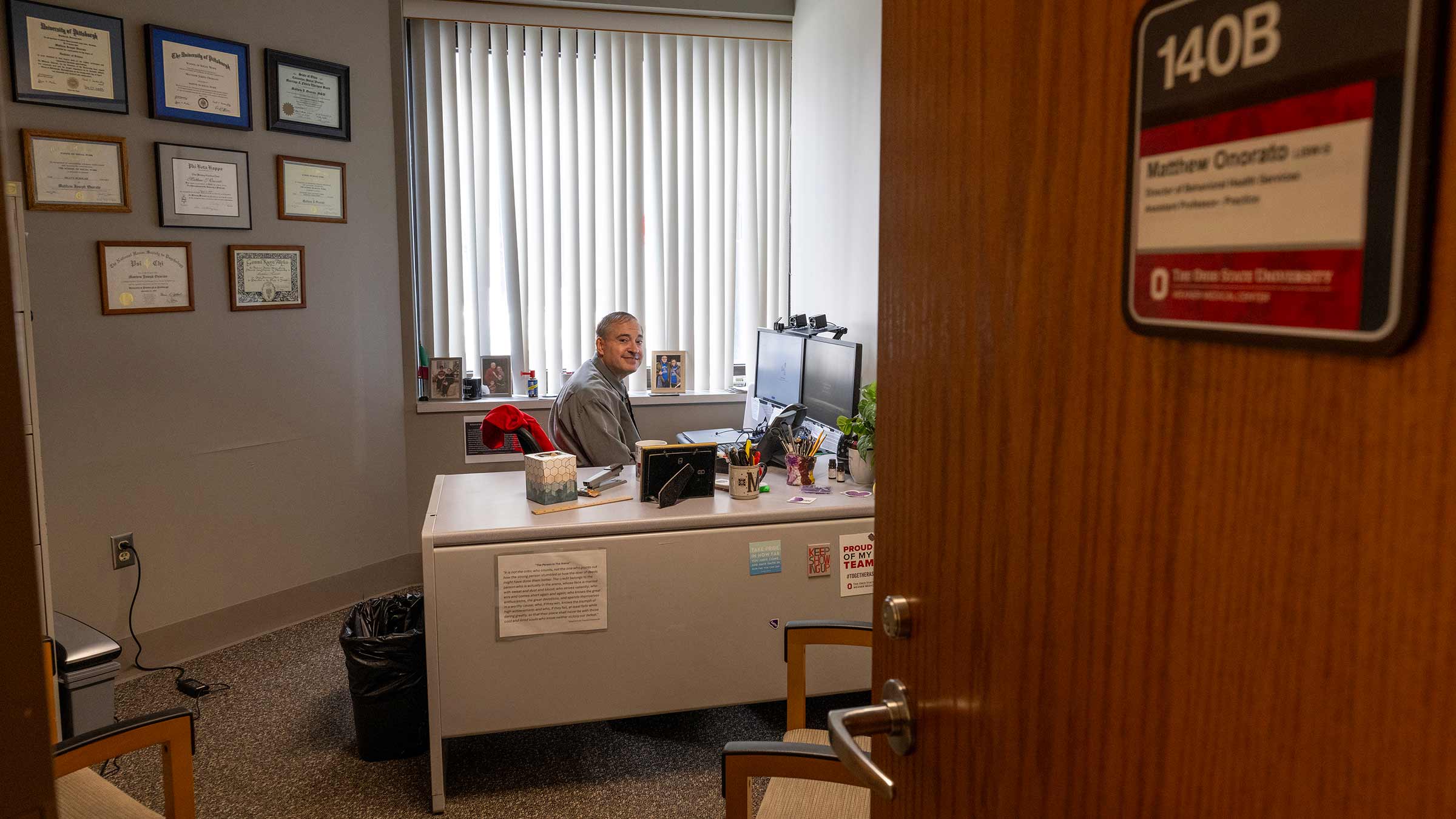
Anyone can visit BHUC on a walk-in basis or by appointment, five days a week. Patients meet first with a nurse for an initial triage assessment to determine the right level of care and evaluate any medical issues causing mental distress.
From there, patients are seen immediately if necessary, or within a day or two if appointments are already full. Those who are more acutely ill are sent to the emergency department.
What distinguishes BHUC from other urgent or emergency mental healthcare options is its built-in follow-up program. The program provides ongoing care for up to two months, including therapy, psychiatric care, medication management and a care plan. “We feel so strongly that the bridging experience is really important, so we can see patients for up to two months and then link them with an ongoing care provider,” Dr. Brownlowe says.
The difference behavioral health urgent care makes in the community
In a typical day, BHUC providers see 10-12 walk-in patients in addition to their scheduled appointments. This year, they expect to see over 7,000 unique patients.
The act of simply returning phone calls has a seemingly small but massive impact on those seeking help.
“There’s such a need for mental healthcare in our community that people tell us they can’t believe we called them back. The bar is that low,” Dr. Brownlowe says.
Many people visit BHUC as their first point of contact for behavioral healthcare. “The fact that we’re so engaged with them in the beginning means we’re the ambassadors of behavioral healthcare for many individuals and their families,” Onorato says.
Future of urgent mental healthcare in central Ohio and beyond
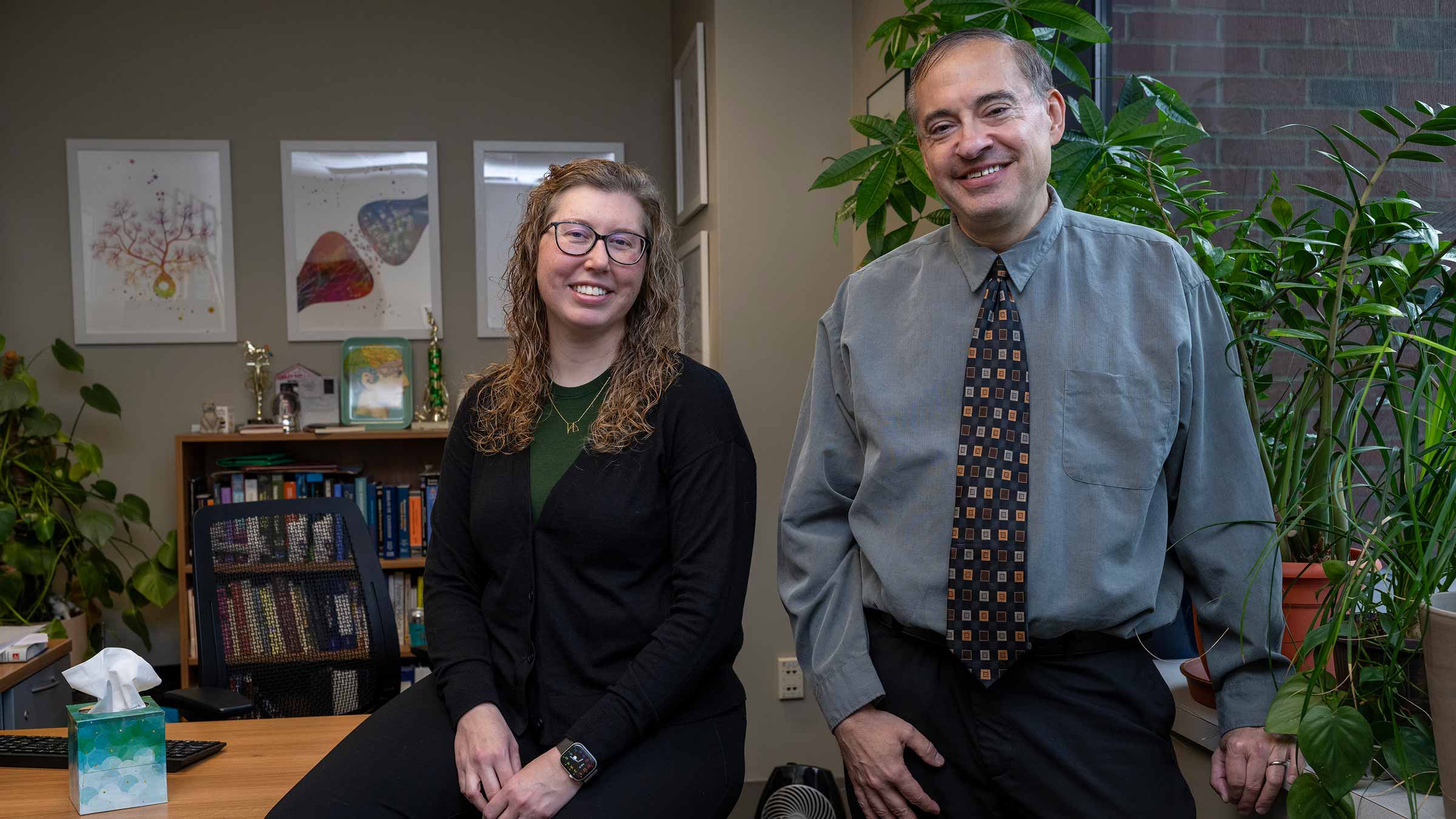
BHUC is attracting attention across the state and nationally. The staff developed a road map for other institutions seeking to establish similar programs.
The BHUC team presented their care model to the Ohio Hospital Association work group to help other psychiatric hospitals meet ongoing community needs, as well as high-risk patient needs after hospital discharge.
At Ohio State, BHUC is expanding beyond Harding Hospital with plans to open at Ohio State East Hospital and Ohio State Outpatient Care Powell, providing integrated addiction treatment services and mental health, which commonly co occur.
For anyone like Toomey with mental and behavioral health needs, the BHUC team proves that simply being available and ready to help makes a massive difference. “When you’re feeling bad and you don’t know where to turn, and somebody says, ‘Come on in, we can help you.’ Just that in and of itself is something patients really appreciate,” Dr. Brownlowe says.

Walk-in care for mental health concerns
Call 614-293-8295 to learn more.
More info and directions
Support a brighter future for mental health
Your gift supports innovative mental healthcare that transforms lives.
Give today