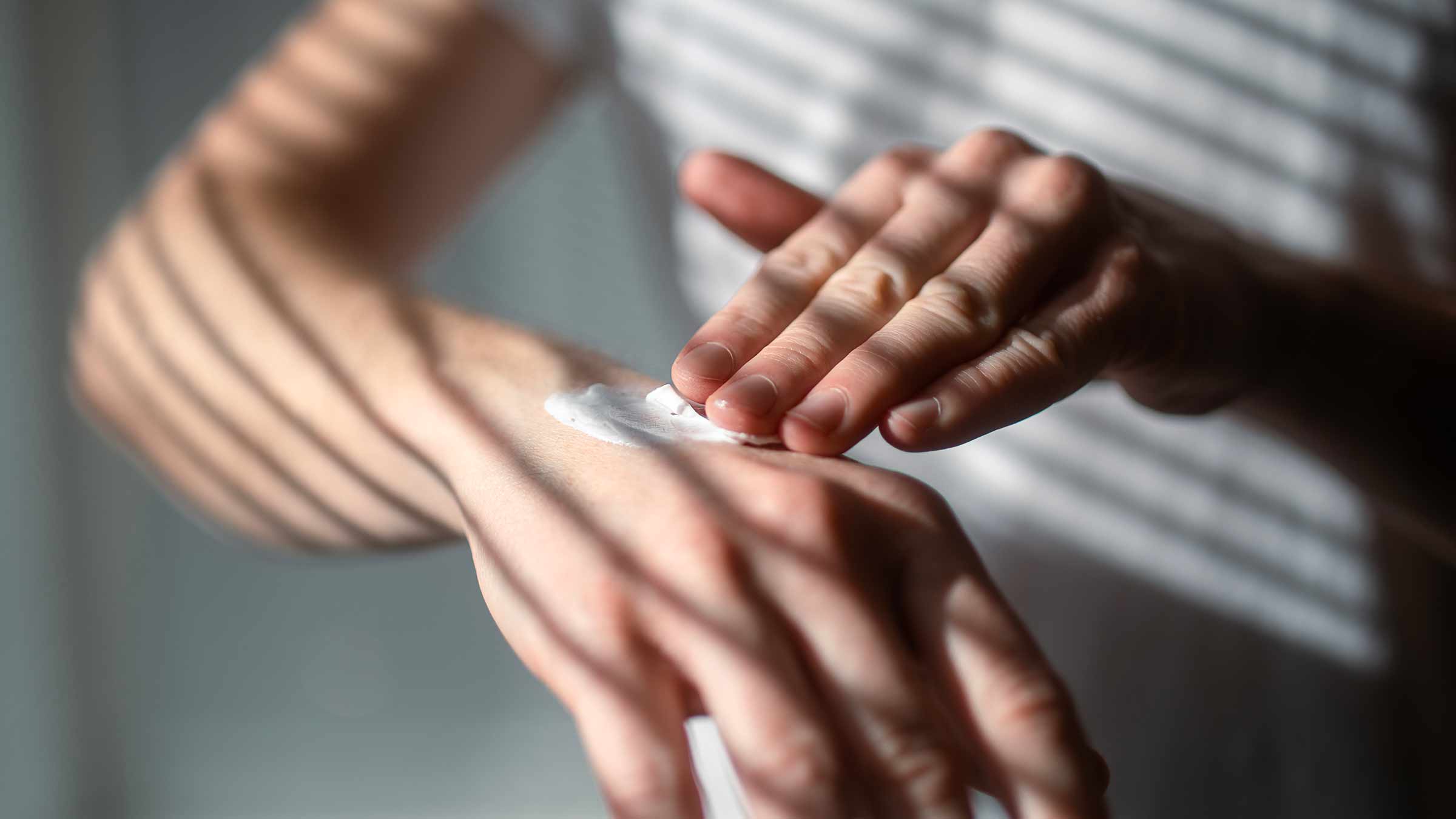
Your hands are at the forefront of daily life.
They’re exposed to environmental elements and often bear the brunt of dryness, discomfort and neglect.
Low humidity, frequent handwashing, cold temperatures and exposure to harsh chemicals can strip your skin of natural oils and leave your hands uncomfortable.
If you’re proactive and attentive in your hand care, you can help prevent discomfort, irritation and more serious issues – no matter the season.
Why do hands become dry and cracked?
Think about your skin like a brick wall – the skin cells are the bricks, and things like the adhesion molecules, lipids and ceramides act like the mortar/glue that holds the skin cells together.
Cold temperatures with temperature extremes, low humidity and elements like wind can strip moisture from the skin.
Just like our bodies can get dehydrated, so can our skin. Our skin is the barrier that protects us from the environment. When your skin barrier is compromised, moisture escapes and small cracks form, leading to dryness, redness and even painful fissures.
Frequent handwashing removes sebum, the natural oil that keeps skin healthy, further aggravating dryness and irritation. These cracks can bleed, itch and increase the risk of infection.
Common conditions caused by dry hands
Dry, cracked hands can lead to hand dermatitis and can worsen chronic skin issues, such as eczema and psoriasis.
Certain chemicals in soaps and sanitizers may trigger contact dermatitis, causing rashes and irritation. Persistent dryness may also make hands more prone to infections through breaks in the skin.
In the winter, frequent handwashing and hand sanitizer use combined with dry air/low humidity leads to cracked, painful hands. Redness, dryness on the webspaces between the fingers, and itching on the tops of the knuckles are some common signs of a compromised skin barrier.
How to prevent and treat dry, cracked hands
- Moisturize early and often: Start using consistently before your skin gets dry and cracked. Apply moisturizer after every handwash and throughout the day. Choose creams or ointments with a high oil content to seal in moisture. Apply a thick layer before bed to help repair skin overnight.
- For extra hydration, generously apply a thick ointment such as petroleum jelly or a heavy cream to your hands, then cover with white cotton gloves or socks. The occlusion helps maintain moisture and allows the product to penetrate deeply, leaving hands softer and more moisturized by morning. This routine can be repeated several times a week or whenever your hands need a boost of moisture.
- Choose the right ingredients: Look for products with ceramides, colloidal oatmeal, hyaluronic acid, glycerin, petrolatum or dimethicone to restore the skin barrier and keep hands hydrated.
- Use fragrance-free products: Opt for gentle, no-scent, fragrance-free moisturizers to minimize irritation and irritation from a possible contact allergen, like perfumes and fragrances.
- Protect your hands: Wear gloves outdoors to guard against cold and wind and use protective gloves when cleaning or working with harsh chemicals.
- Keep handwashing gentle: Use lukewarm water and mild, unscented soap. After washing, pat hands dry and apply moisturizer immediately.
- Add a humidifier: Maintaining indoor humidity at 40–50% can reduce water loss from your skin, helping prevent dryness and cracks.
- Maintain a well-balanced diet: Good nutrition and adequate hydration are always keys to healthy bodies and healthy skin.
What to look for in a hand moisturizer
- Barrier agents: Ingredients like petrolatum, mineral oil and dimethicone form a protective layer to lock in moisture.
- Hydrating ingredients: Glycerin and hyaluronic acid draw moisture into the skin.
- Skin softeners: Shea butter, ceramides and natural oils smooth and soften the skin.
- Fragrance-free and hypoallergenic formulas: These reduce the risk of allergies and irritation, making the moisturizer suitable for sensitive skin.
- Thicker consistency: Creams and ointments are often more effective than lotions for very dry or cracked hands.
Other treatment options for dry hands
- Prescription creams: If over-the-counter options aren't effective, a dermatologist may prescribe topical steroids or non-steroidal anti-inflammatory creams for persistent eczema or dermatitis.
- Barrier-restoring therapies: Specialized creams and ointments designed to rebuild the skin barrier can be recommended by skin care professionals for severe cases.
- Antibiotic treatments: If cracks become infected, medical attention and oral antibiotics may be necessary.
Who might need extra steps for hand health?
Some people should be extra careful and be more proactive with preventive measures such as using mild soaps, frequently applying emollients/moisturizers and avoiding temperature extremes.
Some examples include:
- People with sensitive skin or underlying medical conditions (e.g., atopic dermatitis/eczema, psoriasis and contact dermatitis when it primarily affects the hands).
- Age, including other changes such as menopause, poses more challenges. For older skin, it’s the loss of collagen/elastin in our skin. It’s more difficult to keep skin hydrated. The thinning of the skin makes it more difficult to maintain a healthy skin barrier. Young infants and children may also have sensitive skin, so you need to be careful of products that can irritate the skin (perfumes, scented soaps/moisturizers).
- People who must wash their hands frequently for work (healthcare, food industry, etc.). These workers should moisturize more, consider barrier creams and consider more skin care when off-duty.
When to seek medical advice for dry hands
If your hands become so dry that they crack, bleed or cause persistent pain, consult a board-certified dermatologist – especially if you’ve tried some of the measures above with no improvement.
Severe cases may require prescription creams, topical steroids or other treatments to restore skin health. Signs of infection, such as crusting or scabbing, should also prompt a visit to your healthcare provider.
By following these expert tips and staying moisturized, you can maintain soft, healthy hands throughout the year. Consistency and early intervention are key to preventing dryness and cracks from becoming more serious.

Worried about your skin, hair or nails?
Ohio State's dermatology team provides comprehensive care backed by one of the nation's leading academic health centers.
Expert care starts here