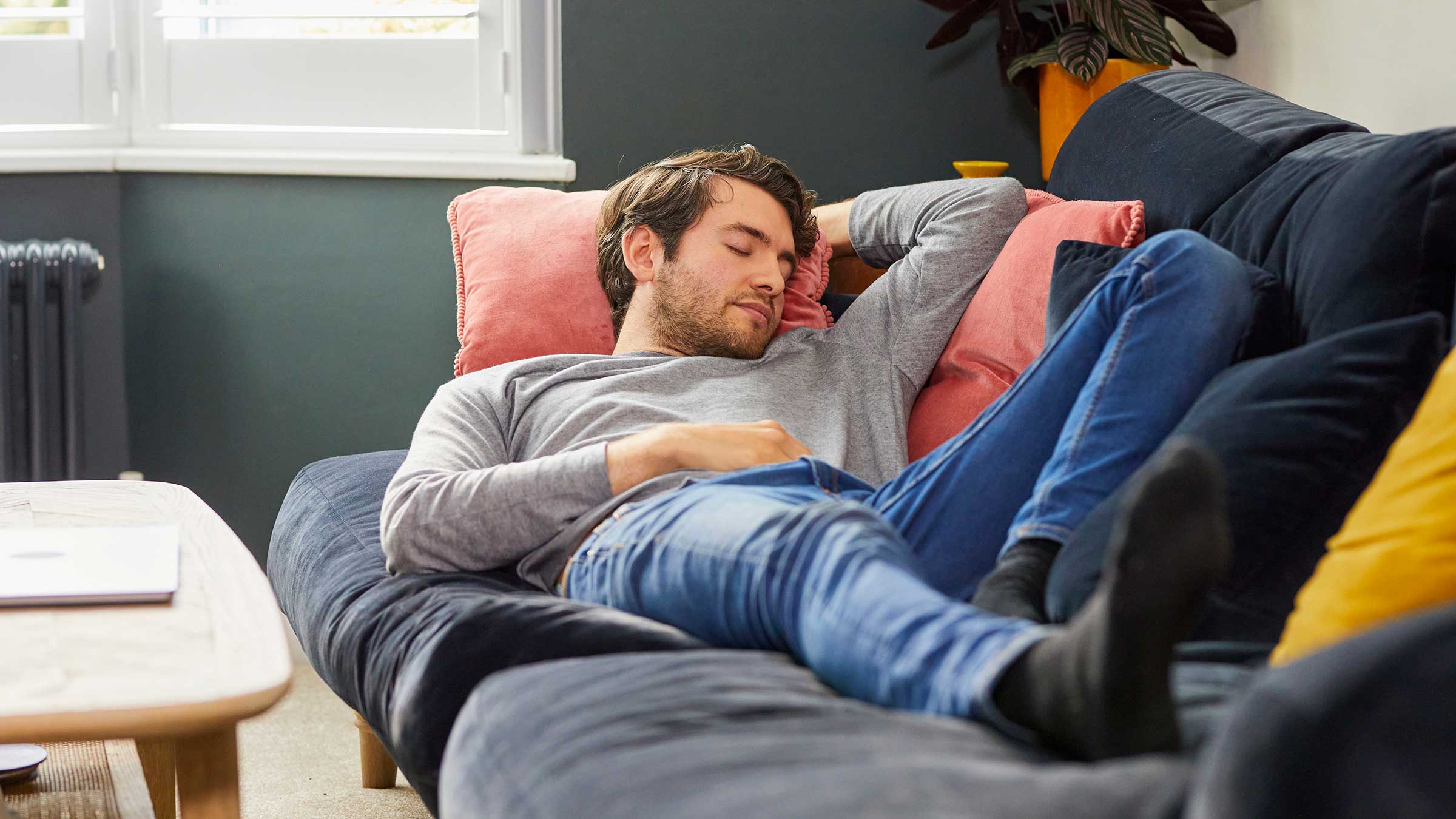
When the late afternoon hits, it’s easy to start feeling sleepy and in need of some extra energy. If you can, taking a short nap will save you from reaching for another cup of coffee and give you a boost to help you finish out your day alert and energized.
The benefits of sleep
Ideally, adults should get seven to nine hours of sleep per night. While this can vary a bit between people, try to aim for this range.
During this time, your body flushes out brain chemicals that make you tired, and the same happens during a nap.
We typically try to get all our sleep at one time during the night, but if we’re unable to do so, a brief nap may be helpful when it’s the right length.
How long to nap
Power naps can work wonders for your alertness, but many people are unaware of just what constitutes a power nap and how to get the most out of one.
Your nap should be 20 to 30 minutes. This will help you reenergize without affecting your nighttime sleep.
If you nap longer, you run the risk of drifting into a deeper, slow-wave stage of sleep and being jolted out of it too soon. If this happens, you’ll likely feel groggier than before you fell asleep.
Additionally, this can affect the homeostatic drive, which makes us more tired the longer we’re awake, and you may find it more difficult to fall asleep at night.
Napping and night driving
If you become sleepy when driving, it’s a good idea to stop and take a 30-minute nap if possible. Research shows that this can improve road safety by making drivers feel more alert to be able to get home.
Exceptions to the 30-minute nap rule
Working the night shift
If you’re trying to transition into working at night, you may benefit from napping a few hours in the afternoon until you adjust.
Insomnia
If you’re struggling to sleep at night, skip the nap altogether. It could make it even harder to fall asleep when you go to bed.
Napping warning signs
If you find a need to frequently nap throughout the day, it could be a sign of insufficient nighttime sleep or a sleep disorder. Reach out to your doctor for an evaluation or referral to a sleep specialist.
Additional napping tips
Once you’ve decided to take a nap, there are a few measures you can take to get the most out of it.
- Find a cool, dark, quiet place to nap.
- Don’t nap too late in the day; between 2 and 4 p.m. is the body’s preference.
- Set an alarm so you don’t drift off longer than you want.

Take charge of your sleep
Learn more about the causes of sleep disorders and treatment options available at Ohio State.
Take charge today