Lifesaving shoulder surgery helps woman return to her craft
An unchecked infection after a joint replacement surgery required a skilled team of orthopedic specialists to save Deanna Partlow’s life.
Deanna Partlow was sure she was dying. She called a funeral home and began selecting music she wanted to be played at her service.
She celebrated Christmas with her youngest son‚ expecting it to be her last.
She was too weak to walk. She had lost 30 pounds.
Nine months earlier, she’d had shoulder replacement surgery after years of wear and tear. Now her right arm suddenly was useless. She could no longer craft – her favorite pastime.
She didn’t know what was wrong. She just knew she was getting worse.
Despite her attempts to get answers from doctors near her home in Marengo, Ohio, about 30 miles north of Columbus, there was no definitive diagnosis.
But on Dec. 26, 2024, Partlow made a last-ditch effort to get help. She told her sister‚ “Take me to Ohio State.”
Once Partlow arrived at The Ohio State University Wexner Medical Center, the source of her decline was finally uncovered: a severe staph infection in her shoulder that had spread to her bloodstream.
Her case would require more than one operation and a team approach – first to control the infection, then to rebuild her shoulder and help her return to the life and hobbies she feared she had lost.

“The infection likely was present for quite some time and was making her whole body sick‚” says Gregory Cvetanovich‚ MD‚ an orthopedic surgeon who specializes in shoulders at the Ohio State Wexner Medical Center.
“By the time we met‚ she was very sick. She was dealing with dropping blood counts‚ required transfusions and was looking for answers,” Dr. Cvetanovich says.
Partlow says the visit marked the first time since she lost the use of her right arm in October that someone had truly listened to her. She was admitted shortly afterward.
“It starts with listening to what the patient’s concerns are and trying to see if there’s something that you can address and if there are things going wrong‚” Dr. Cvetanovich says.

Racing to stop the prosthetic joint infection
Shoulder infections are rare, occurring in about 1 out of every 100 to 200 shoulder replacements‚ Dr. Cvetanovich says.
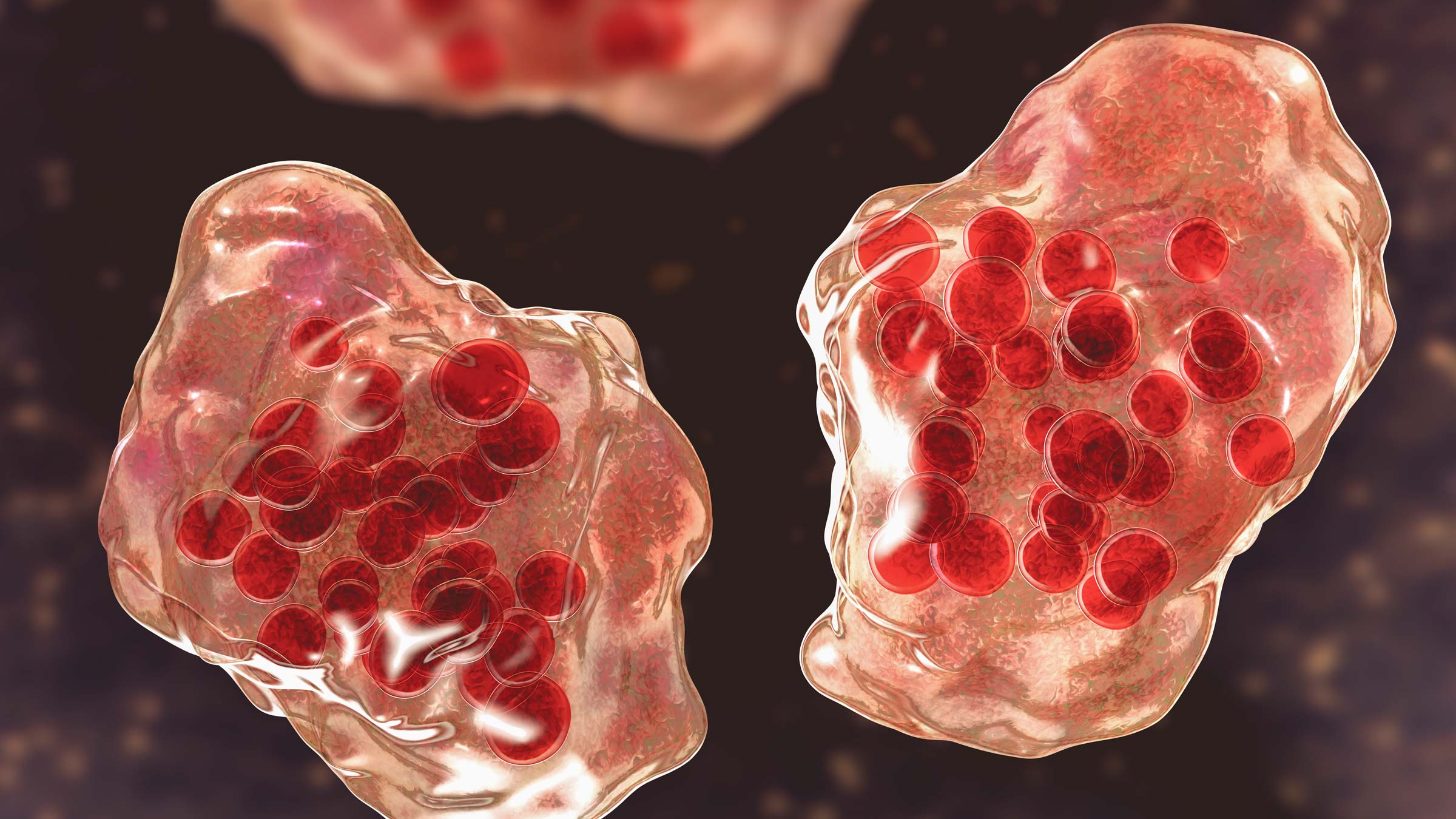
But when infections develop around orthopedic replacement joints‚ they can become deadly. The body can struggle to fight the infection because a slimy substance called biofilm can build up on implanted hardware.
Left untreated‚ these infections can lead to limb loss or death. In Partlow’s case‚ the infection developed into sepsis‚ which can affect multiple organs‚ including the kidneys and heart.
Most of Dr. Cvetanovich’s patients are retirees with worn-out joints who want to return to an active lifestyle or injured younger athletes who want to return to sports.
When Partlow met Dr. Cvetanovich‚ she depended on him not only to save her shoulder, but also to eliminate the infection that had consumed her body.
The day after Partlow’s arrival‚ Dr. Cvetanovich opened up her swollen right shoulder.
“Hers was one of the more aggressive joint infections‚” he says. “We had to remove all the hardware‚ thoroughly clean the shoulder and place a temporary device called a spacer.”
A spacer‚ which is made of cement‚ doesn’t make a shoulder fully functional‚ but it serves as a placeholder filled with powerful antibiotics that fight the infection in the bone. It remains in place for weeks to give the antibiotics time to work.
After months of declining health‚ Partlow awoke after surgery feeling better immediately.
“I didn’t have pain and I wasn’t in misery. I thought‚ ‘I’ve been given a second chance. I know I can get better‚’” Partlow says.
Working with infectious disease doctors‚ Partlow received additional rounds of antibiotics and was sent home with a special catheter, or PICC line‚ that allowed her to receive more medication.
Rebuilding a shoulder after joint infection
More than six weeks later‚ Partlow’s bloodwork and joint fluid from her shoulder showed that the infection had waned. Once healthy enough, Partlow underwent a second surgery for a reverse shoulder replacement. The surgery is specially designed to restore shoulder function despite a damaged rotator cuff, a group of tendons and muscles responsible for holding the upper arm bone, the humerus, in place.

Before she was wheeled into the operating room‚ she held a gray cape with scarlet stitching around the border and a prominent Block O at the center.
Even with a temporary spacer holding her shoulder together‚ she had been able to use her right arm again and started crafting.
She gave the hand-stitched cape to Dr. Cvetanovich.
“I call him a superhero because he fought to save me like a hero does. He has the ability and the heart to make people better,” Partlow says.
He briefly draped the cape over his shoulders before heading to the sterile core to scrub in.

Teamwork drives recovery
Partlow’s care brought together orthopedic surgeons‚ infectious disease specialists and internal medicine specialists, as well as postoperative recovery and rehabilitation experts. The team coordinated Partlow’s care for each stage of the process.
“Open communication among all members of the care team was essential every step of the way,” says Elizabeth Christ, PA-C, an orthopedic physician assistant at the Ohio State Wexner Medical Center. “That consistent multidisciplinary collaboration helped ensure continuity of care and ultimately contributed to her successful recovery.”

As a large academic medical center‚ Ohio State is uniquely poised to tackle the challenges of shoulder infections‚ Dr. Cvetanovich says.
“These infections require expertise to diagnose‚ a carefully designed treatment plan and a multidisciplinary team to cure the infection and restore shoulder function‚” Dr. Cvetanovich says.
Partlow deserves part of the credit too.
“While the medical and surgical aspects of her treatment were complex, her commitment to following recommendations, staying engaged in her care and maintaining a positive attitude made a meaningful difference,” Christ says. “Cases like hers remind us how powerful the combination of expert, coordinated care and a motivated patient can be.”
Crafting gratitude
Since Partlow’s last shoulder surgery‚ she has regained full use of her right arm. She has returned to crafting‚ even tackling new mediums.
“I build dollhouses‚ I build miniatures‚ I do beadwork. You name it‚ I’ll try it‚” she says. “I can do all of that now. It’s been fun being able to do that again.”
Her appreciation for Dr. Cvetanovich hasn’t stopped at the cape.

“The gifts aren’t needed‚ but they show her hard work and how much it means to her to use her abilities again‚” Dr. Cvetanovich says.
“It’s wonderful to see her doing what she loves. Each patient has their own story, and I like to help to get them back on that journey,” Dr. Cvetanovich says.
Partlow decorated a wooden box with a sketch of an anatomical shoulder covering the lid. She created a large decorative book covered in his alma mater’s colors. Inside, she created a miniature library of books. She also made T-shirts for her and Dr. Cvetanovich to wear during a recent visit.

In orthopedics‚ Dr. Cvetanovich often hears patients thank him for being able to play sports‚ return to work or sleep without pain.
“Most of the time I’m not treating life-threatening conditions. It’s especially gratifying that we were able to identify the problem‚ treat it in a way that saved her life and restore her shoulder so she can do what she loves‚” Dr. Cvetanovich says.
Partlow says she’ll never stop being grateful.
She thinks back to when she was at her sickest and almost gave up.
“I just tell people‚ ‘Go to Ohio State‚ where they have teams of doctors. Everybody works together. Keep fighting and keep asking questions until you find somebody who’s going to help you and listen to you‚’” she says.

Ready to stop the pain?
Schedule an appointment with one of our orthopedic experts.
Get started