Addressing pain management when cancer and substance use disorders meet
Innovative clinic creates care plans for patients with current or past substance use disorders during cancer treatment.
A 40-year-old woman who had been in recovery for an opioid use disorder for 10 years now faced cancer and was worried that, since opioids are commonly used to treat pain in patients with her type of cancer, controlling her pain might risk a return to her earlier addiction.
“But our team devised a plan to safely manage her pain by emphasizing non-opioid pain management options and using opioids only when needed, as well as offering her counseling, close follow-up and team-based care,” says Sachin Kale, MD.
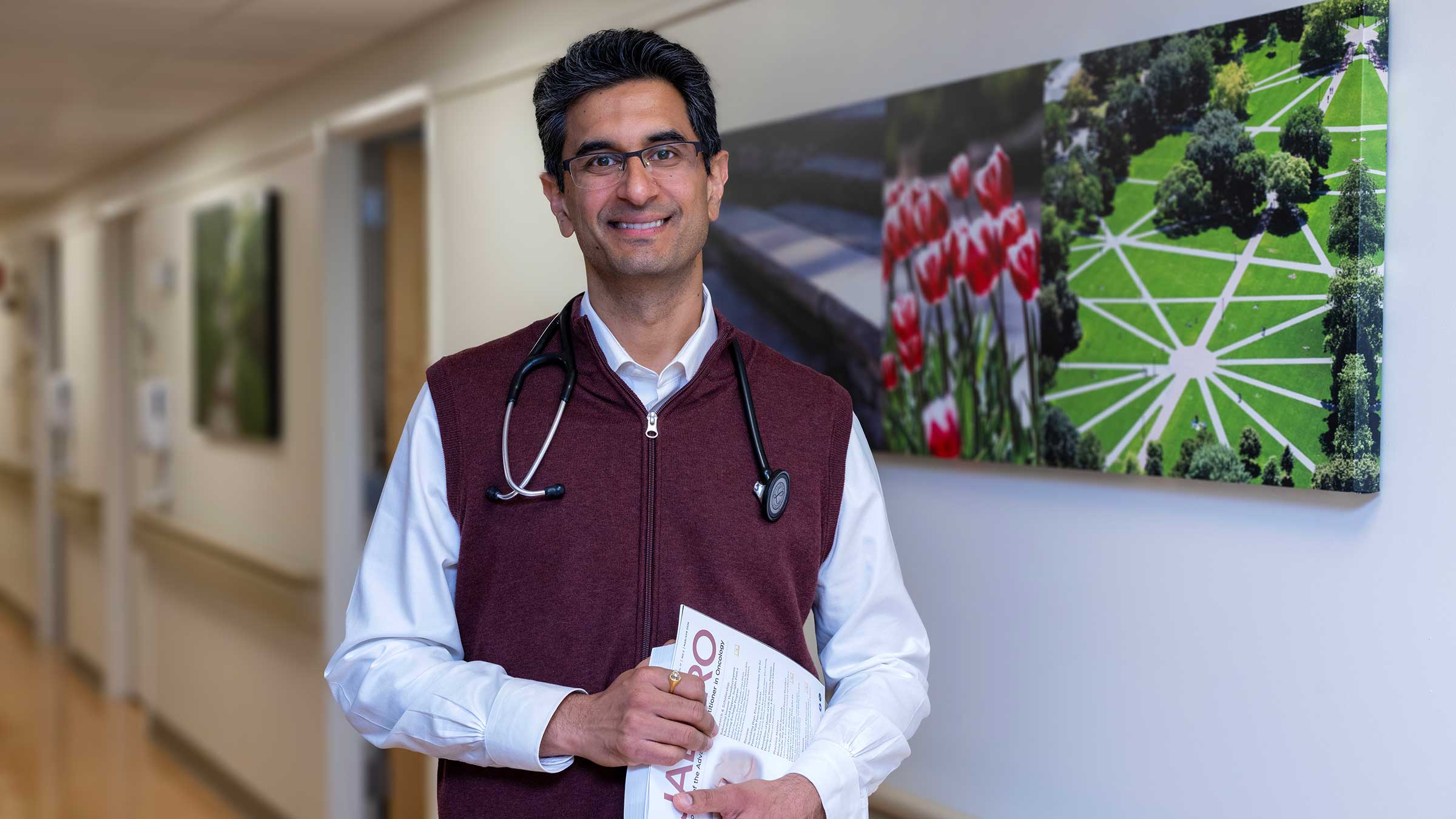
What distinguishes Dr. Kale’s PHRR Clinic is that it focuses not only on palliative care, or care that relieves symptoms associated with serious illness and its treatment, but also on substance use issues.
“We worked closely with this patient’s oncology team, and we were able to get her through her treatment and manage her symptoms successfully while helping make sure she wouldn’t relapse into opioid addiction,” Dr. Kale says.
Novel clinic fills ‘gap’ in cancer care
The PHRR Clinic, which he believes is the first of its kind, was established in 2020 after palliative care physicians at the OSUCCC – James recognized a gap in care for patients with past, current or potential problems with substance use involving opioids, alcohol or other substances.
“Opioid medications such as morphine or oxycodone are commonly used and can be very effective for treating cancer-related pain,” Dr. Kale explains. “However, for people with a history of substance use, these medications can sometimes increase the risk of addiction or other harms.”
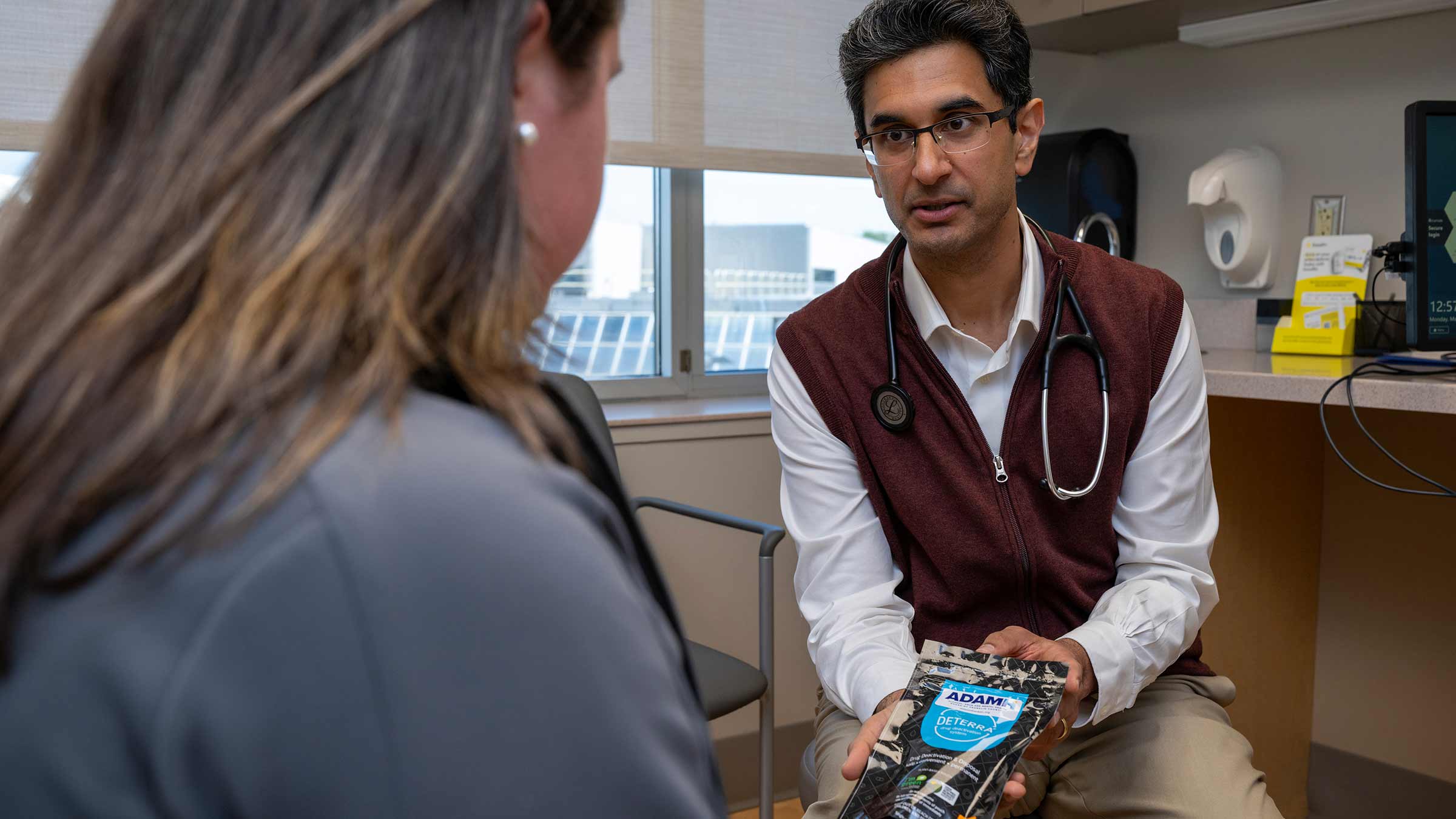
So much so, he says, that many clinicians hesitate to prescribe opioids even when they may be medically needed “due to concerns about the risk of overdose in patients with a substance use disorder. However, this can leave patients suffering from undertreated pain during their cancer treatment.”
Before 2020, he says, the OSUCCC – James had traditional substance addiction and pain management models of care, “but they were separate and not designed for the unique needs of patients with cancer.
“After recognizing that some patients with cancer needed an integrated approach to managing their pain and symptoms while also ensuring their substance use was addressed and treated, we started this innovative palliative clinic.”
Dr. Kale says the clinic started as a pilot program at The James and grew further with the help of a Medicaid-sponsored Community Improvement and Care Innovation Program (CICIP) grant that enabled it to expand from being open once a week to almost four days a week. When the grant expired, he adds, “The James committed to fully supporting the clinic, allowing us to provide this specialized care to patients for years to come.”
“We take a careful, step-by-step approach. We first address any underlying substance use concerns,” Dr. Kale says.
“At the same time, we focus on non-opioid options to manage pain. If opioids are still needed, we determine the safest opioids for the patient, and we prescribe them thoughtfully and provide close support to help patients use them safely and effectively,” Dr. Kale explains.
Dr. Kale says the PHRR Clinic wouldn’t exist without a strong interdisciplinary team that includes pharmacists, a nurse practitioner and other nurses, a social worker, a chaplain and a counselor. “Our colleagues on the inpatient side also provide great continuity of care for our patients if they’re admitted to the hospital.”
Sparking an interest in palliative care
Establishing and directing the PHRR Clinic is the culmination of a career journey that began for Dr. Kale in the early 2000s when he was an undergraduate majoring in biology at Swarthmore College near Philadelphia, about 65 miles from where he grew up in Allentown, Pennsylvania.
It was there that he read a 2000 memoir by Swarthmore alumnus Peter Selwyn, MD, MPH, titled “Surviving the Fall: The Personal Journey of an AIDS Doctor.”
“Dr. Selwyn began practicing during a time when there were not good treatments for HIV and AIDS, so a lot of his patients essentially had terminal illnesses, and he provided palliative care for them toward the end of their lives,” Dr. Kale says. “Because he was an alumnus of Swarthmore, I reached out to him and was able to spend a week shadowing him in my junior year during winter break.
“He witnessed the impact his care had on patients who were suffering, and that got me interested in palliative and hospice care,” he continues, adding that after college, he received a fellowship that enabled him to explore hospice programs in South Africa, Uganda, Thailand and India for a year – an experience that inspired him to enter medical school and pursue palliative care.
After earning his medical degree at the University of Pittsburgh, he completed his internal medicine residency at the Ohio State College of Medicine and completed fellowship training in palliative care at the Icahn School of Medicine at Mount Sinai in New York City, before joining Ohio State’s medical faculty in 2015. He and his wife are now settled in Columbus and raising two young daughters.
Favorable feedback from oncology teams and patients
To gauge the effectiveness of the PHRR Clinic, Dr. Kale and his colleagues recently interviewed oncology teams at The James to gain their perceptions of its usefulness. They reported that, according to the oncology teams, patients treated at the clinic experience better pain control and symptom management, which helps them develop stronger therapeutic relationships with their providers and respond better to treatment.
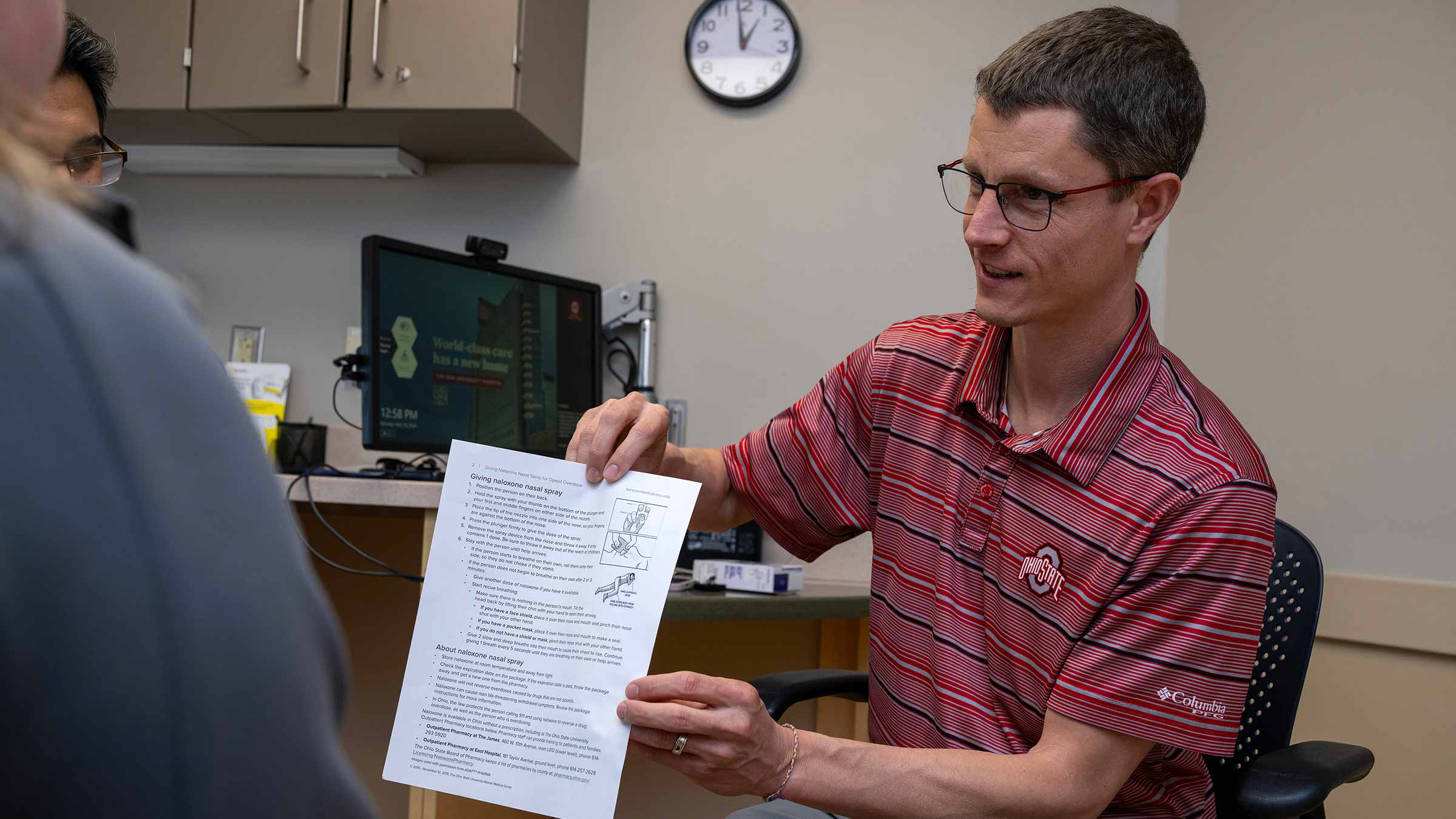
“Oncologists were very enthusiastic about it,” Dr. Kale says. “They noted that patients seen in our clinic have more trust in their medical teams. Patients often come to us in severe pain, and once that is addressed, they feel closer to their medical caregivers and can get through their treatment more successfully. Our work in managing pain and addressing substance use also gives oncologists greater confidence in safely delivering cancer treatments.”
Dr. Kale and colleagues have published about their innovative clinic in the peer-reviewed Journal of Pain and Symptom Management.
The PHRR Clinic also collaborates with the OSUCCC – James’ Center for Research Excellence in Supportive Care (CREST), whose mission is to develop the nation’s premier cancer-focused supportive care research and training program.
“Our PHRR clinic provides supportive care for patients, and CREST is a center focused on advancing supportive care science, including pain and symptom management, substance use disorder treatment and overall quality of life for patients with cancer,” Dr. Kale explains. “We are fortunate at The James to have such tightly aligned clinical and research programs, which allows us to generate clinical innovations, study them and then bring what we learn back into the clinic.”
The PHRR Clinic’s pioneering approach has generated much interest among medical professionals nationwide; Dr. Kale has been invited to make over 25 presentations about the clinic at conferences or institutions. “Our approach has become a model for cancer programs around the country,” he says.
Finding fulfillment in supporting others
Dr. Kale and his colleagues gain immense gratification from their work.
“Our clinic has spearheaded great advocacy within The James for this patient population, providing them with coordinated care, whether they’re in the clinic, seeing their oncologist or in the hospital,” he says.
“It’s a privilege to serve patients at times when they feel most vulnerable and uncertain about their cancer, and to be able to reassure them that their pain and symptoms can be safely managed,” Dr. Kale says.
“We also support them emotionally, helping them deal with the many stressors that accompany a serious illness, including concerns about sleep, depression and communicating with their care team and family members,” Dr. Kale says. “Being able to shepherd them through the cancer treatment process and make them feel supported is very rewarding to us.”

Your support fuels our vision to create a cancer-free world
Your support of cancer care and pioneering research at Ohio State can make a difference in the lives of today’s patients while supporting our work to improve treatment and reduce cases tomorrow.
Ways to Give