Brain health: Lighting the path through cognitive decline
At Ohio State, neuropsychology testing turns memory concerns into clear next steps.
On the living room table, Diane Jackson’s daily newspaper helps remind her what day, month and year it is.
She no longer drives to areas she doesn’t know because it’s only with “crossed fingers and God” she’ll find her way back.
“It was such a gradual thing,” she says about her memory loss, “and then all of a sudden, it was just like stepping off a cliff.”
Jackson is 79 and was recently diagnosed with a neurocognitive disorder. She’s having problems with memory and thinking, more than what’s typical for people her age. It’s uncertain why. She still needs more testing to find out what, if any, disorder is causing her memory loss.
The diagnosis doesn’t surprise Jackson, who retired about 15 years ago as a buyer and contract specialist for the U.S. Department of Defense. Her mother had Alzheimer’s disease. Her grandmother had dementia.
“I’ve been hoping I don’t get it,” she says.
Identifying the source of memory loss
While most of the people tested at The Ohio State University Wexner Medical Center’s Neuropsychology Clinic are older adults like Jackson, the clinic tests anyone over 18 whose memory or thinking has shifted in troubling ways.
They could have had a stroke, a traumatic brain injury or a series of concussions. Or, they may have schizophrenia or another disorder that limits their memory and attention. At the clinic, athletes, including retired NFL players facing problems with their mood, memory or ability to solve problems, can be tested to see if the cause is linked to repeated head injuries.
Besides testing for and diagnosing brain conditions, neuropsychologists at the clinic are researching ways technology such as smart pillboxes can help people stay on track with their medications.
Another study looks at how a person’s thinking skills, technology habits and social connections may make them more vulnerable to being misled by false information online.
Normal aging versus dementia
Beginning in your 30s and 40s, your brain starts to shrink slightly. After 60, the rate increases. Over time, thinking speed slows and it’s harder to learn new information.
Sometimes that decline is much steeper.
Mild cognitive impairment (MCI) is a common diagnosis at Ohio State’s neuropsychology clinic. Having MCI does not necessarily mean you’re going to get dementia eventually.
Most people diagnosed with MCI don’t develop dementia. On average, only 30-40% do, says Christopher Nguyen, PhD, ABPP, director of Ohio State’s Neuropsychology Clinic.
Declines in brain health may be reversed if they’re caused by:
- Vitamin deficiencies, such as of B12
- Poor sleep from untreated sleep disorders
- Side effects or interactions from medications
- Infections or other acute medical illnesses
- Mood disorders
If those conditions improve, sometimes people with MCI are retested, and the results are encouraging. Instead of getting worse, their brain health gets better.
“The good news is that sometimes it’s not dementia. It’s because of factors that people can change,” Dr. Nguyen says.
If the memory problem is not linked to dementia, Dr. Nguyen and his team offer advice to see a sleep doctor, a specialist in chronic pain or a therapist to ease depression or anxiety.
Changing routines to improve memory loss
Jackson is trying to change, but routines are hard to break. She’s working on getting better sleep and not falling asleep in a chair in front of the TV.
She knows that getting together with people regularly would help her mind, but she says most of her friends have passed away or moved away.
Even if she does spend a lot of time alone, she’s found a companion in Sam, a poodle she adopted about a year ago. It makes her feel good to pet him, to have him close by.
“He’s with me all the time,” she says.
Toll of repeated head injuries on cognitive health
A decline in memory and thinking ability can not only be linked to aging or disease, but also to injuries from earlier in life.
Athletes who’ve had numerous head injuries over the years may have trouble with their memory later in life. They may have trouble planning or making decisions. They might deal with depression or fits of anger.
Laura Boxley, PhD, a neuropsychologist at Ohio State’s Neuropsychology Clinic, tests and diagnoses professional athletes and retired NFL players who are having trouble with their mood or memory.
Most former NFL players she tests have at least one chronic condition that, if not managed, could increase their risk of dementia, Dr. Boxley says. Often, that’s high blood pressure. Managing that can help keep their minds sharp. Other activities help as well, she says.
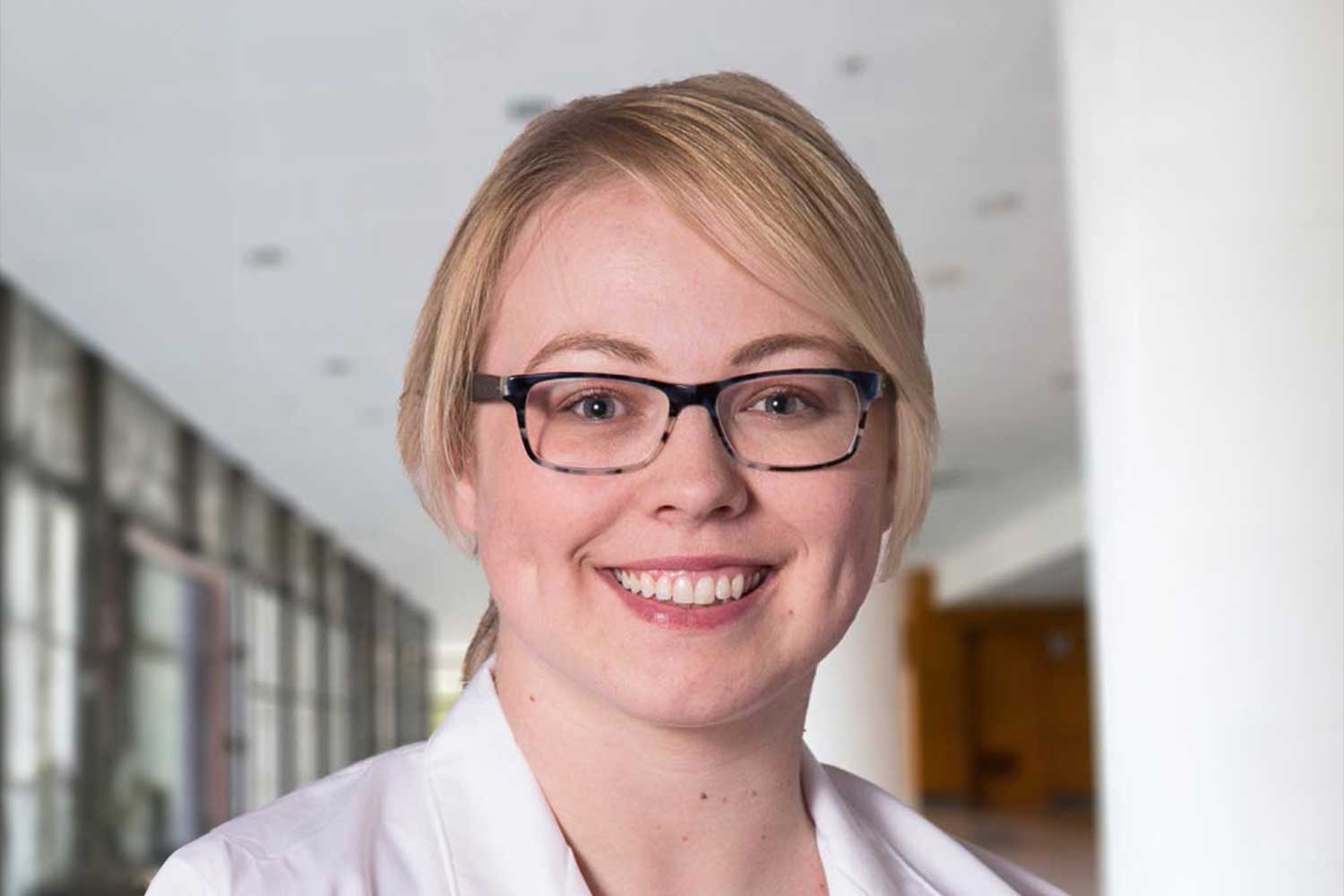
“I encourage current and former players to play an instrument, learn a new card game, join a book club or learn a new language,” says Laura Boxley, PhD.
Brain clues point to mild cognitive impairment
Inside the patient exam room, Jackson looks at the MRI images of her brain.
“See these white areas in there, they’re abnormal,” says Douglas Scharre, MD, director of the Division of Cognitive and Memory Disorders at the Ohio State Wexner Medical Center.
The damaged tissue could be from high blood pressure or diabetes, says Dr. Scharre, who is a professor of Clinical Neurology and Psychiatry at The Ohio State University College of Medicine.
Jackson says she has neither. Dr. Scharre scans her medical records, then asks if she smokes.
“I cut way back to one cigarette a day,” she says.
“Your hippocampus, where your memory circuits are, looks good in size,” he says about the portion of the brain responsible for memory and learning.
He points to a small black spot on the scan, a hemorrhage, which he says most likely stems from high blood pressure.
On the memory tests, Jackson drew a clock perfectly, but she had trouble repeating a series of numbers and words. One recall test she politely refused. She has more tests to take. But no more today. By the time the appointment ends, Jackson is drained. She and her daughter drive home to Sam − and to the comfort of what’s still familiar.
Speaking up for older adults
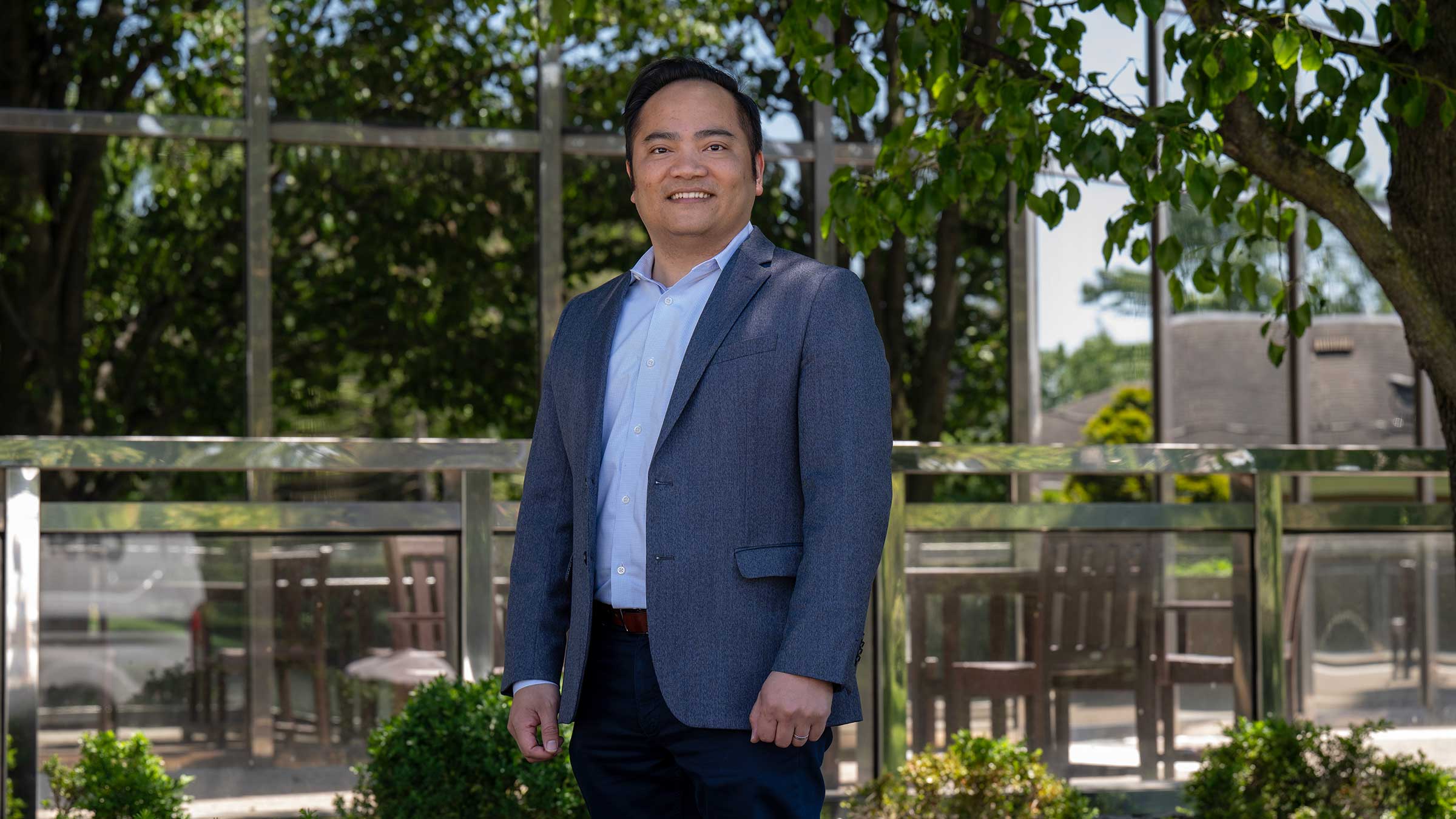
Working with older adults, Dr. Nguyen has seen how their health can be affected by society’s fear and bias against getting older.
“Aging is something we as a society don’t like to think about and don’t want to talk about,” Dr. Nguyen says.
He keeps speaking up for seniors because he’s concerned about what’s ahead for them. By 2030, for the first time in history, more of the United States’ population will be over age 65 than under 18.
“We, as a society, are not ready for this shift in the population,” he says. “One of my roles is to bring attention to this, so we’re prepared as a healthcare field.”
Dr. Nguyen is not just sounding the alarm − he’s helping lay the groundwork for change. He created a program that offers therapy to older adults in Franklin County with low incomes while training the next generation of psychologists who specialize in caring for older people.
He’s also working to bring more aging and brain health experts to Ohio State and to teach medical students more about caring for older adults.
That effort starts with helping change the way people think about getting older.
“It’s common to think with aging comes decline,” Dr. Nguyen says. “Ageism is assuming that older adults are frail and weak and incapable. Some are. But not everyone. We need to see each senior as an individual and not think if they’re old, they’re weak.”
That perspective is rooted in his Vietnamese culture, where older adults are often viewed with wisdom and respect.
Early detection is key for dementia and related conditions
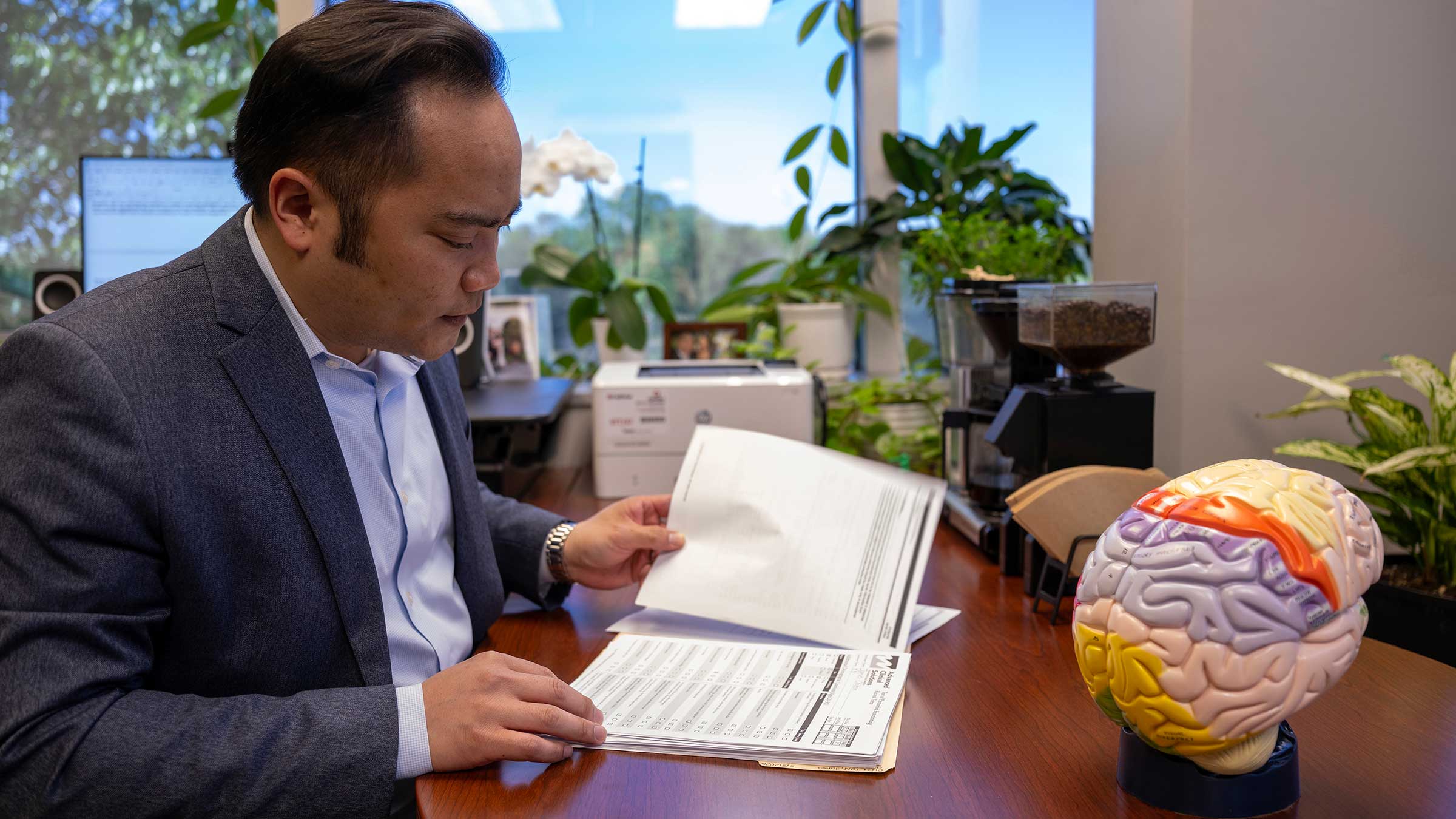
Finding a brain disorder early can make a big difference in what happens next.
That’s why Dr. Nguyen and his team are making cognitive testing available to more people who need it.
For patients whose first language isn’t English, medical interpreters work alongside neuropsychologists to tell the difference between memory problems and language barriers.
The team has tested doing online appointments for those who live too far away from the clinic.
The clinic is also exploring whether smartphones and other digital tools could track memory, mood and behavior throughout the day, and detect subtle changes sooner.
A diagnosis is only the beginning.
“People come to us looking for answers, but they also come looking for hope and direction,” Dr. Nguyen says.
“We don’t just identify what’s been lost. We recognize what’s still there, build on people’s strengths and give people practical strategies to remain independent for as long as possible.”

Is it normal aging or something else?
Ohio State’s Neuropsychology Clinic provides comprehensive evaluations for adults with concerns about attention, memory and other neurocognitive abilities.
Learn more