From dismissed to diagnosed: A complex hernia that mimicked heartburn
Her symptoms were blamed on anxiety and reflux – until skilled doctors identified a paraesophageal hernia.
Jennifer Brautigam couldn’t be happier than when she’s sharing a banana split with her husband, Jeff, at their favorite ice cream spot.
It’s something she once believed she’d never be able to do again.
For years, the simple pleasure of enjoying food had been replaced by relentless acid reflux that was eventually accompanied by chest pains that doctors couldn’t explain. Brautigam learned to live without meals she loved, without dinner dates and without the comfort of understanding what was going on with her body.
She experienced years of conflicting diagnoses, and specialists eventually blamed her condition on anxiety, leaving her discouraged and shaking her trust in the medical system.
But everything changed in 2025 when she found The Ohio State University Wexner Medical Center doctor who listened, understood her symptoms and helped her reclaim her life.

Expert care for complex reflux and esophageal conditions
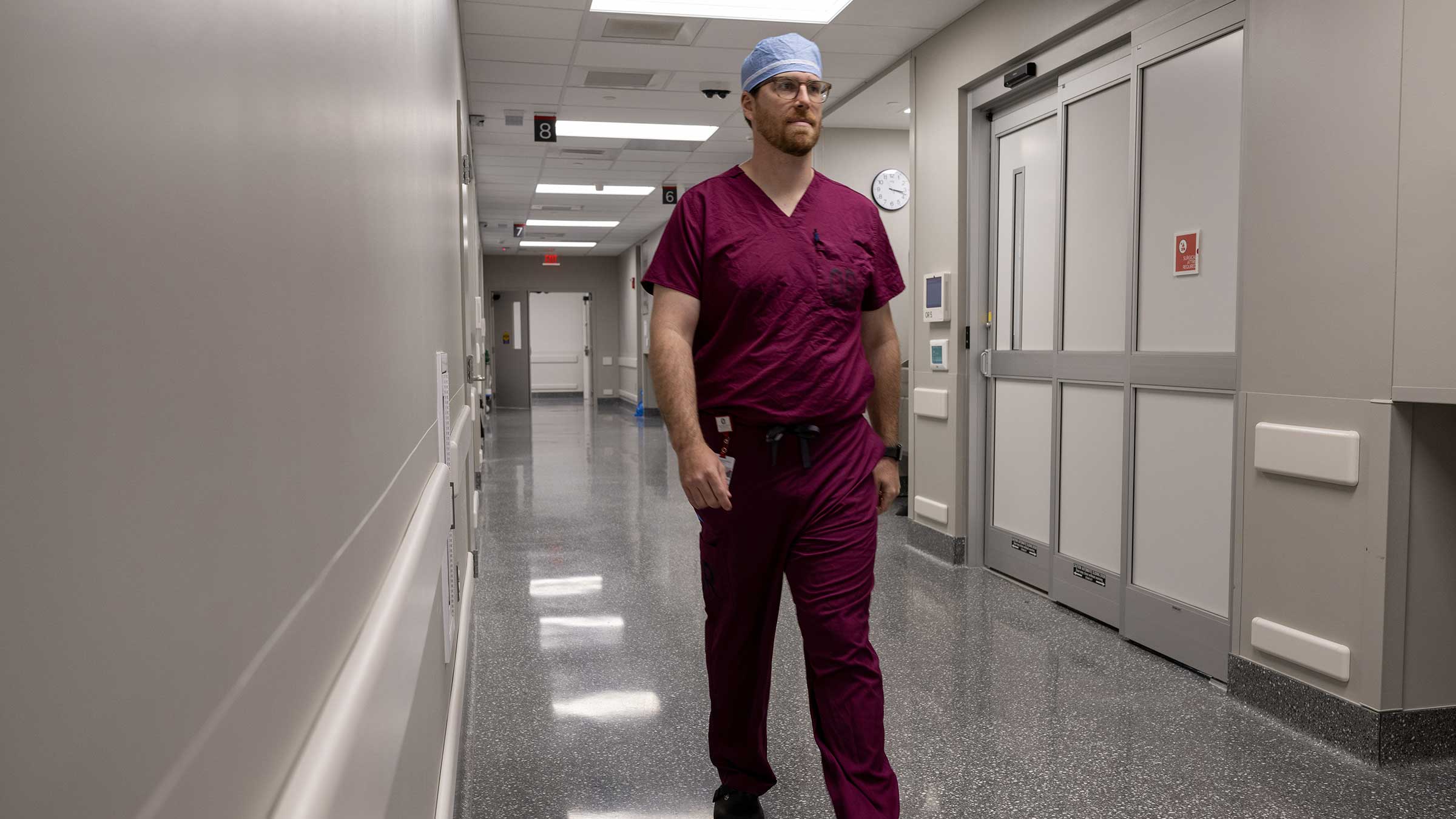
Surgeon Patrick Sweigert, MD, operated on Brautigam to repair a paraesophageal hernia, a type of hiatal hernia. Part of Brautigam’s stomach had moved into her chest after pushing through the opening in the diaphragm, called a hiatus, which had become enlarged.
Dr. Sweigert is one of several physicians at the Ohio State Wexner Medical Center’s Comprehensive Esophageal Health Center, where experts from various fields come together to help patients with even the most complex conditions.
By working together, Dr. Sweigert says, doctors are better able to “match the treatment to the patient,” providing thorough and personalized care.
“We really take a multidisciplinary approach to evaluating the entire patient and understanding their disease process and how to tailor therapy directly to them,” he says. “Most patients do great with medications and lifestyle changes. Surgery is for people whose quality of life is severely impacted or who are at risk of hernia complications.”
Kyle Perry, MD, who oversees the center, spearheaded its creation after considering that there might be a better way to help patients gain access to multiple experts.
“We were looking at how we could serve our patient population better, and this was the answer,” says Dr. Perry, a surgeon at The Ohio State University Comprehensive Cancer Center – Arthur G. James Cancer Hospital and Richard J. Solove Research Institute.
“Ohio State is big, and we were trying to make sure that we had relationships and pathways built to make our practice better.”

Hernia symptoms so severe she feared a heart attack
For more than 20 years, Brautigam, now 52, had been coping with acid reflux symptoms using medication and avoiding certain foods at certain times.
There’d be an occasional flare-up – once, she went to the hospital gasping for air when acid scalded her throat – and doctors would adjust or change her medications.
 But, about three years ago, Brautigam’s condition became unbearable.
She couldn’t eat more than a few bites at once without feeling uncomfortably full. Friday night dinner dates with her husband stopped.
She lost more than 15 pounds.
Feeling a twinge of guilt when he ate in front of her, her husband would sometimes sneak snacks, but he also lost weight.
Brautigam began having intense chest pain that kept her walking the halls of her Sidney, Ohio, home in the dead of night. She eventually had trouble breathing – it felt like she was having a heart attack.
As she and her family doctor searched for answers, frustration became a constant companion. The doctor ordered several tests to rule out heart disease, but he suspected a hiatal hernia and referred her to gastroenterologists for further assessment.
The specialists left Brautigam with conflicting diagnoses and ultimately told her that her symptoms were likely the result of anxiety.
She felt dismissed and exhausted.
“It was so frustrating. I just could not believe that no one could understand the symptoms that I was talking about,” Brautigam says, referring to the specialists. “Nobody could really tell me what was wrong and nobody knew what to do.
“It was a nightmare. I seriously had no hope.”
When the stomach moves where it doesn’t belong
Brautigam’s search was complicated by the fact that symptoms of paraesophageal hernia can mimic symptoms of other conditions, such as gastroesophageal reflux disease (GERD) and heart issues.
This makes it critical to get accurate testing and a clear diagnosis, Dr. Sweigert says. Symptoms can include:
- Heartburn/acid regurgitation
- Trouble swallowing
- Early fullness upon eating
- Vomiting
- Chest pain
- Shortness of breath
- Anemia, due to bleeding from possible ulcers
Diagnosis is often made with imaging, such as a CT scan or an upper endoscopy, during which a special scope is placed through the mouth into the esophagus and stomach to give doctors a view inside the body’s anatomy.
Along with a significant portion of her stomach herniated into her chest, Brautigam had signs of chronic inflammation that had been going on for some time, Dr. Sweigert says.
A diagnosis and a turning point
Even in her hopelessness, Brautigam continued looking for answers with her family doctor, the one physician she still trusted.
Online research led her to Dr. Sweigert. She was hesitant at first, thinking a surgeon would recommend surgery even if it wasn’t needed.
“I really didn’t think I could take any more specialists looking at me saying, ‘It’s just your nerves, there’s nothing wrong with you,’” she says. “But he was patient and, I swear, I really felt like I was the only patient he had. That was just how he made me feel.”
Dr. Sweigert validated her concerns, shared with her the CT scan images that showed the paraesophageal hernia and helped her develop a plan.
“I sat down with him, and he showed me on the screen the hernia and how it was behind my heart. And I was like, ‘Oh, my God,’” Brautigam says.
Dr. Sweigert explained that without surgery, Brautigam would eventually end up in the emergency department in need of emergency surgery. She scheduled the surgery for October 2025.
But by September, she was struggling to breathe normally. She messaged Dr. Sweigert and he called her personally to tell her he’d move her surgery to the following week.
“I felt like, ‘He does want to help me. Maybe it’s not that he’s just a surgeon. I really feel that he cares,’” Brautigam says.
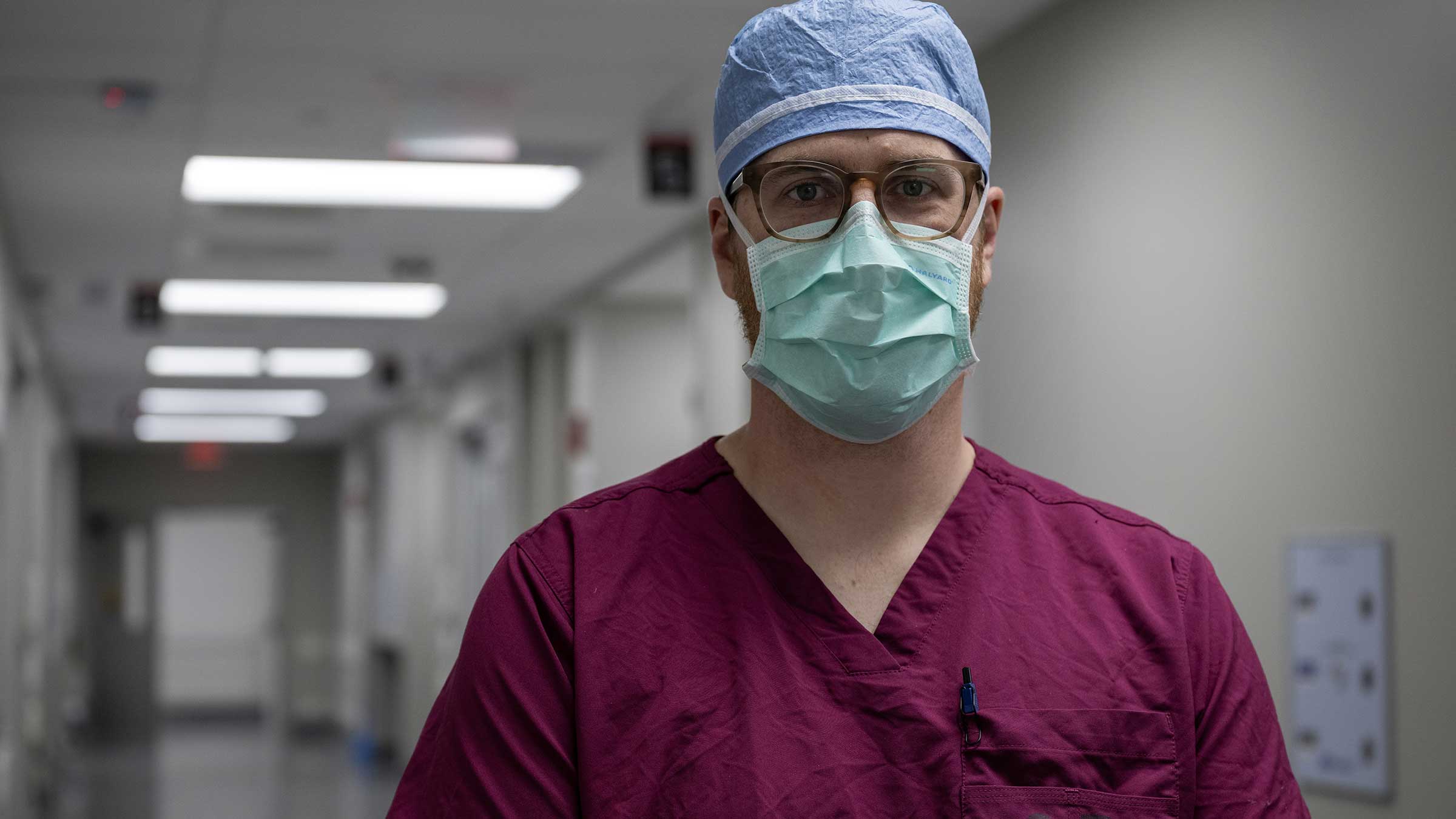
The surgery was done laparoscopically. Dr. Sweigert moved the stomach, repaired the enlarged hole in the diaphragm and reinforced the base of the esophagus with stomach tissue, to help prevent further acid reflux.
Dr. Sweigert, Brautigam says, has continued to help alleviate her concerns. He personally visited her in the hospital after the procedure and quickly responded to her messages in the months after the surgery.
Team helps determine if surgery is the answer for hiatal hernias
Dr. Perry calls Dr. Sweigert a terrific surgeon and partner.
“We have a group that just does a tremendous job taking care of these patients and bringing attention to their problems,” Dr. Perry says.
A patient at the Comprehensive Esophageal Health Center has access to advanced testing and surgical technologies, and may see specially trained surgeons, as well as gastroenterologists who treat the digestive system, otolaryngologists who treat the ears, nose and throat, and dietitians.
This team-based approach simplifies care, reduces delays and leads to personalized therapies aimed at improving what matters most: day-to-day quality of life, Dr. Perry says.
While Brautigam’s severe condition called for surgery, not all patients with hiatal hernias end up in the operating room, Dr. Sweigert says. Many people do well with medication and lifestyle changes focused on reflux control.
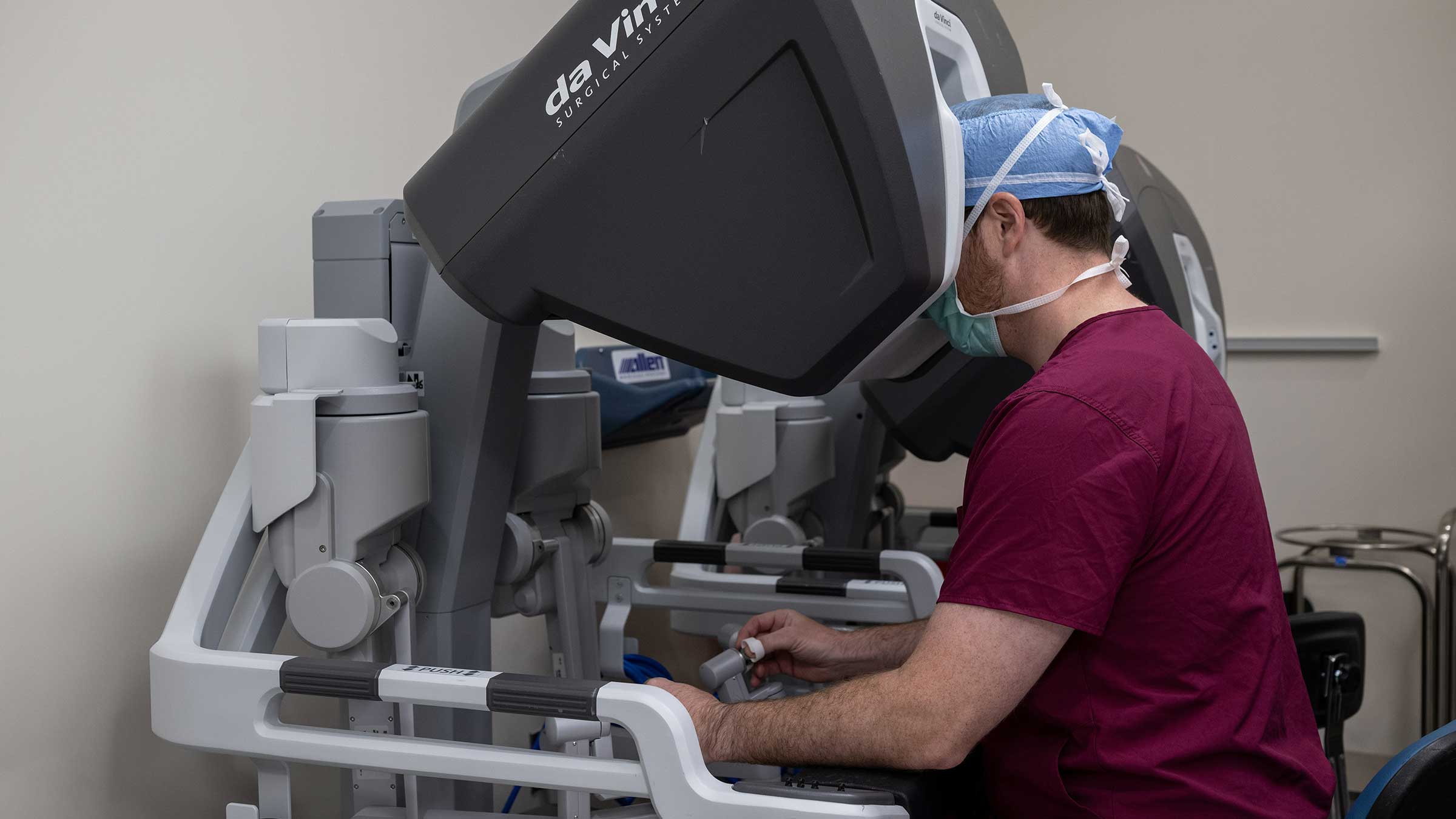
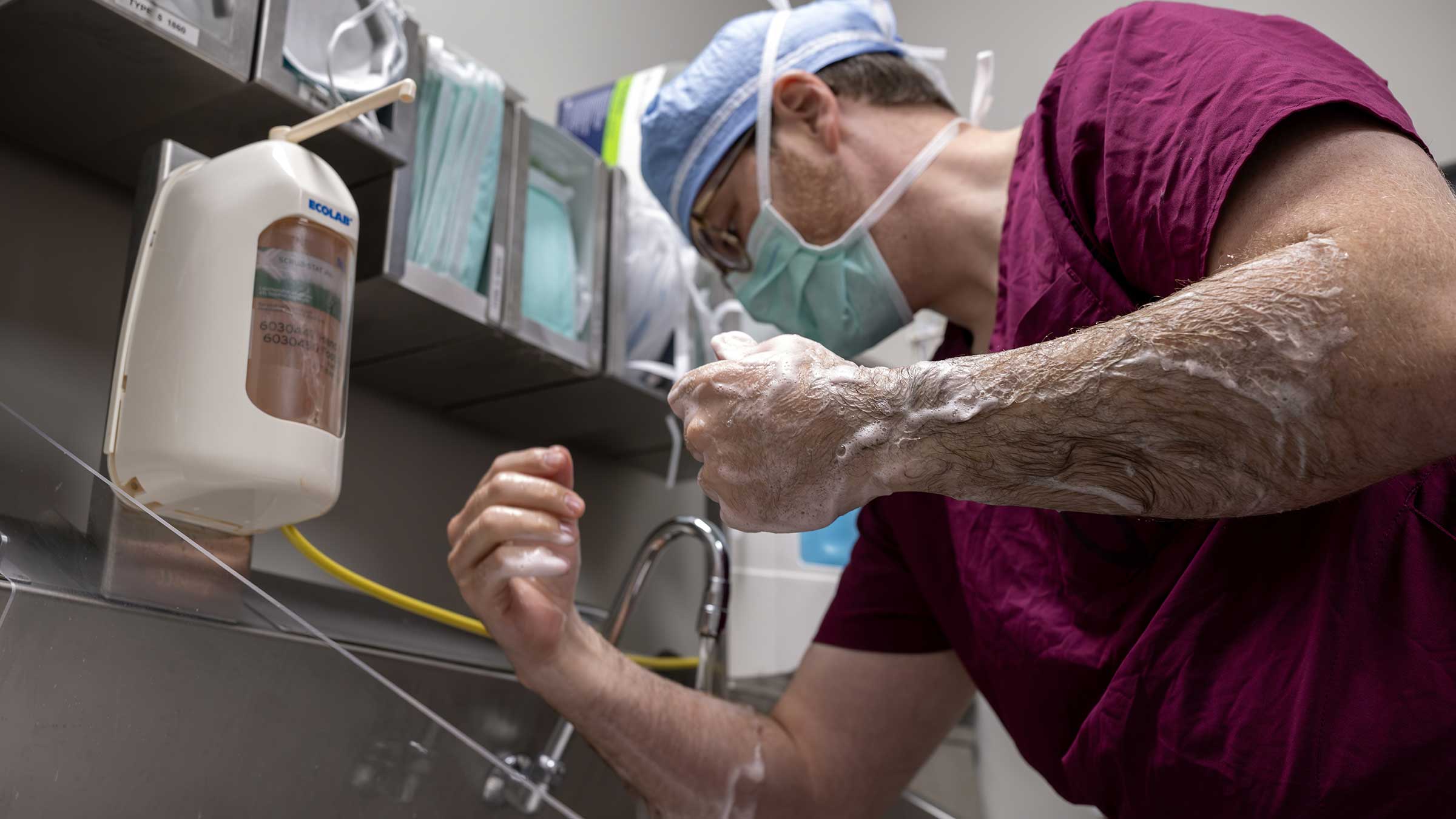
The team has a detailed discussion about how surgery, laparoscopic or robotic, will impact any given patient. Surgery is most helpful when symptoms significantly affect quality of life or when there is risk of complications, such as a twisting of the stomach or intestines that limits blood supply to the organs.
“We are not surgical salesmen, we don’t suggest surgery for everyone,” Dr. Sweigert says. “But there’s a significant population of people whose quality of life is dramatically improved after doing these procedures.
“In patients who are struggling with issues that may be related to hernia, I would encourage them to at least have a conversation with a provider.”
A message for others still searching for answers
About six months after her surgery, Brautigam says she’s symptom-free, has more energy and is no longer held hostage by fear of what eating might bring.
“I’m totally, 100% different,” she says. “I’ve had no problem whatsoever with anything.”
She enjoys full meals, including things like pizza, which she’d had to avoid. And she cooks again.
Brautigam no longer has to stick to kids’ meals, and the weight is slowly returning – for both her and her husband.
“Every time I go out to eat now, I think, ‘I can eat. I can pick whatever I want.’ It was three such long years of not knowing if what I ate was going to make the night miserable,” Brautigam says.
In April, the couple took their first vacation in more than three years, to Arizona, where they started each day at a favorite breakfast place, enjoyed every dinner without worry and explored with Brautigam’s newfound energy. They plan to take a family trip to Tennessee, where Brautigam will be able to return to something else her illness had taken away – nightly dinner shows.
On social media, Brautigam shares her story in support groups, advising others to trust themselves, find a doctor they feel comfortable with and search until they find answers.
“Don’t give up,” she tells them. “You really can get better. This changed my life – it truly changed my life in the best way.”

Find personalized care for esophageal issues.
Specially trained doctors at Ohio State’s Comprehensive Esophageal Health Center offer expert diagnoses and innovative treatments to help patients achieve their best quality of life.
Learn more