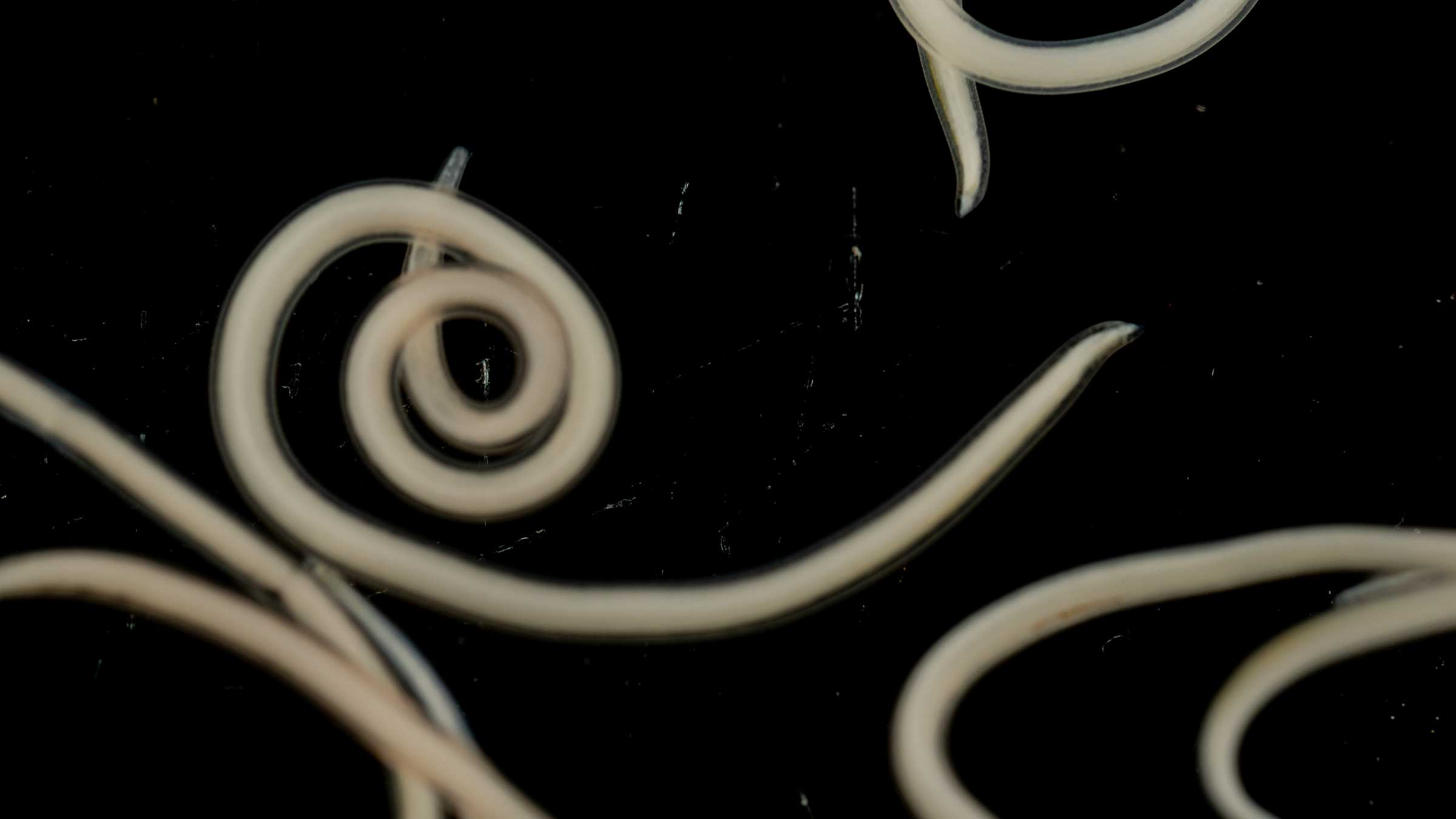
Parasitic infections can affect many of us, but they’re often not noticed because there are few or no symptoms.
Certain protozoa, for example, can live in our intestines without causing illness or symptoms. But parasites probably aren’t causing the broad symptoms some wellness influencers have been attributing to intestinal parasites, and we don’t need to use unproven remedies to do periodic “cleanses” to rid our guts of worms.
What symptoms do intestinal parasites typically cause?
Intestinal parasites can cause:
- diarrhea
- gas
- bloating
- abdominal pain
- nausea
- vomiting
- anal itching
Having any of these symptoms doesn’t necessarily mean you have parasites. However, it’s worth getting tested if you have these symptoms and have been somewhere or eaten something that puts you at higher risk for infection.
Eczema, mental fog, teeth-grinding, tiredness? Some people have attributed these to parasites, but they’re broad, nonspecific symptoms that are associated with many diseases.
Risk factors for intestinal parasite infection
Some activities make it more likely that those symptoms could be from a parasite. These include…
- traveling to tropical countries
- drinking untreated water
- eating food that could be contaminated, such as food rinsed in untreated water
- eating undercooked meat or sushi
- swimming in potentially contaminated bodies of water
- walking barefoot in soil that could be contaminated with feces
- not washing hands regularly, or eating food prepared by someone who didn’t practice appropriate hand hygiene
What if I don’t have symptoms, but I still think I might have a parasite?
If you live in the United States and haven’t traveled to a country known for having parasites in its food and water, the chances are low that you need to clear your body of intestinal parasites. The exception to this might be pinworms, which are relatively common in the U.S. but typically cause only mild symptoms.
There’s good news if you’re worried that you might have a parasite, especially if you’re worried about worms: It’s pretty easy to determine whether you have one.
How to diagnose a parasitic infection
Contact your primary care provider if you’re worried about parasites. They’ll likely arrange for stool testing (an examination of your poop under a microscope) or blood testing. Depending on your symptoms, where you’ve been, what you’ve eaten, and the results of earlier testing, they might recommend imaging (ultrasound, CT or MRI) to get a better look at any parasite that’s deep in your body.
If you think you or a child has pinworms, a tape test can help confirm this. You can press the sticky side of clear tape to the skin around the anus – especially at night, when they tend to be more active – to catch pinworms or their eggs on the tape. Though pinworms are still small, they’re visible with the naked eye. You can bring tape to your doctor to look under a microscope to be sure.
Most intestinal parasites we see in the U.S. can be identified via stool samples, as the parasite itself or its eggs will show up in human feces.
Intestinal parasite treatment: Stick with the tried and true
Today’s standard treatments for intestinal parasites work, and they’re safe. They’ve undergone many years of rigorous testing from the U.S. Food & Drug Administration (FDA).
If you do have a parasite, you don’t need a “cleanse.” You likely just need the FDA-approved antiparasitic medication that’s designed to remove that parasite. Most are given orally, and they kill that parasite or its eggs, stop its growth, or prevent the parasite from attaching itself to you.
The FDA has tested these products for appropriate dosing, potential side effects and interactions with other medications.
But parasite cleanses sold online and mixtures of herbs and extracts recommended by some online influencers are unproven remedies that aren’t as regulated or tested. We can’t be sure of the ingredient purity, long-term effects of the products, or their safety (including risk to the liver or kidneys of people with certain health conditions). Using trial and error to experiment with these on your own body is risky and can cause more harm or even irreversible organ damage.
So, can those natural parasite cleanses ever work?
This doesn’t mean those remedies can’t work; many effective drugs that we use today were originally discovered from natural products.
However, a controlled, regulated setting means, for example, that medicinal plants aren’t varying from season to season, changing the molecular composition of the treatment and free from toxins that are harmful to you. FDA-regulated manufacturers must show what’s called “batch to batch consistency,” ensuring that their product is safe and has the same composition and effectiveness today, tomorrow and a year from now.
These manufacturers are also bound to practicing certain hygiene that you might not be guaranteed when ordering parasite cleanse products online; after all, what could be worse than contracting a parasite infection from a product designed to get rid of one?

The first step in the journey to your best health begins with a primary care provider who cares
Get started today