With globalization and climate change, diseases that were previously relegated to distant and warmer parts of the world are becoming more common in the United States. People are bringing them back from their travels, and the weather is becoming more welcoming for the insects that transmit them.
These diseases can often be treated and survived if caught early enough, but if you don’t know about them, you may not get the proper diagnosis until it’s too late. Here are five potentially deadly parasites you should keep on your radar.
Malaria, an infectious disease from mosquitoes
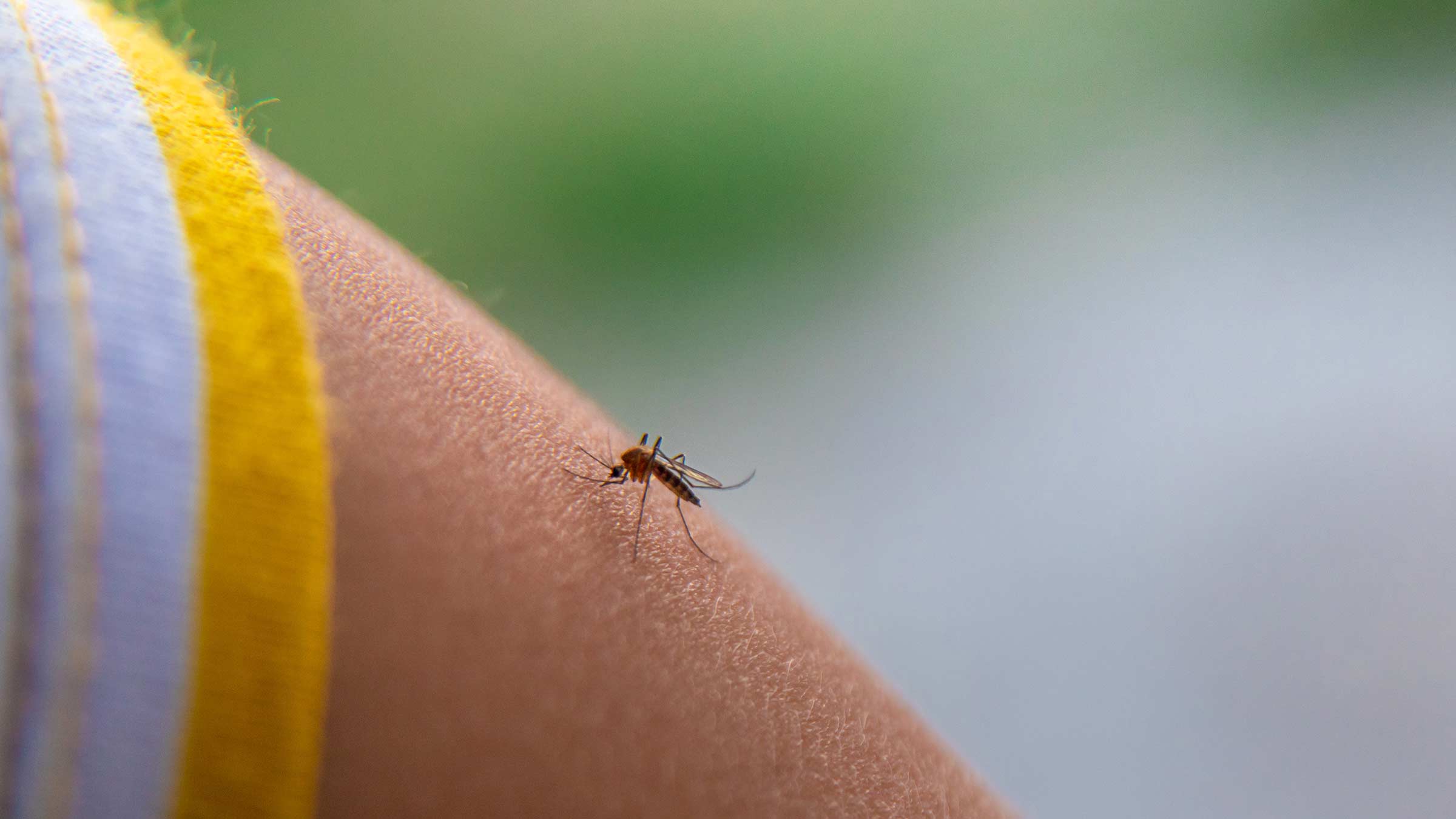
People become infected by malaria when bitten by an infected mosquito. Usually, cases in the U.S. occur among travelers who have visited areas where malaria is more common, such as Asia, South America and sub-Saharan Africa. Regions closer to the equator with warm weather tend to be more at risk for malaria. It’s recommended that travelers take preventive drugs if they plan to travel to at-risk regions.
Malaria symptoms include high fever, chills and flu-like symptoms, such as sweats, headaches, nausea/vomiting and body aches.
Malaria can be deadly if left untreated, but it’s curable if treatment is administered quickly. There are a variety of drugs available to treat malaria, and a medical professional will choose the best option based on factors like the species of parasite causing the malaria, the drug resistance status of the parasite, the status of the patient and any accompanying illness.
Chagas disease from kissing bugs
Chagas infection occurs when a person is bitten by an infected triatomine insect referred to as the “kissing bug.” The insects that carry the disease primarily live in Latin America, but they’ve begun to creep farther north as the climate becomes more hospitable for them.
Chagas disease has two phases. The initial phase is known as the acute phase. During this phase, parasites are actively circulating in the blood, possibly causing a mild fever or swelling around the insect bite.
After the acute phase, there’s the chronic phase.
Some people will experience what’s called the “chronic indeterminate” phase, in which the parasites can’t be found in the blood. Most people may never experience further symptoms and live their lives unaffected by the disease.
Unfortunately, about 20-30% of people infected with the parasite develop serious and potentially deadly medical conditions, such as heart issues or inflammation of parts of the digestive tract.
Chagas can almost always be treated if it’s caught in the acute phase.
The leishmania parasite from sand flies
Leishmania is a parasite found in parts of Asia, the Middle East, North Africa, Southern Europe, Mexico, Central and South America, and now the U.S. The disease, called leishmaniasis, is spread by infected sand flies.
There are three kinds of leishmaniasis: cutaneous, visceral and mucosal.
Cutaneous leishmaniasis, the most common of the three, causes skin sores, which are usually painless.
Visceral leishmaniasis is the second most common and can be deadly. It can cause swelling in the spleen and liver and can affect bone marrow, causing anemia and low counts of white blood cells and platelets. This disease also affects dogs, which get sick and become reservoirs of the parasite in the community.
Mucosal leishmaniasis is the least common form and happens when the parasite spreads from a skin sore to a mucous membrane, such as those in the nose and throat, and causes sores there.
Cutaneous leishmaniasis usually heals on its own, but the process can sometimes take years. Treating this form of leishmaniasis also decreases the risk of developing mucosal leishmaniasis. A health professional will decide the treatment based on your particular circumstances. Visceral leishmaniasis requires immediate treatment, because it can be lethal.
Cysticercosis disease from contaminated water and food
Cysticercosis is caused when humans consume the eggs of the tapeworm Taenia solium from contaminated water or food. People can also become infected with an adult tapeworm if they consume undercooked, infected pork. This can lead to cysticercosis when the adult releases eggs inside the person’s body.
When the tapeworm eggs hatch, the larvae form cysts in the host’s tissue. Symptoms will depend in part on where in the body the cysts form; they can form in muscles, eyes, the brain or the spinal cord. Muscle cysts may cause some soreness but otherwise won’t cause symptoms. Cysts in the brain and spinal cord can cause seizures, headaches, confusion, balance problems, stroke or even death.
Treatment, if necessary, can include either medication or surgery, depending on the situation.
Parasitic brain-eating amoeba in lakes and rivers
This amoeba lives in warm bodies of freshwater, such as lakes and rivers. It infects people when contaminated water gets into the nose. (You can’t be infected by swallowing contaminated water.) Once the amoeba is in the body, it makes its way to the brain and begins to consume brain cells for nutrients.
The onset of symptoms begins between one and nine days after exposure. Death usually occurs one to 18 days after the onset of symptoms. Initial symptoms include severe frontal headache, fever and nausea/vomiting, which progress to include neck stiffness, seizures, hallucinations and coma. The rapid progress of the disease means that it’s almost always fatal; there have been five reported survivors of this disease in North America.
When should you see a doctor about these diseases?
If you get any symptoms, especially if you’ve traveled to at-risk areas recently, then it would be wise to see a doctor.
Make sure to tell the doctor your travel history. Many symptoms are similar to symptoms of other diseases, so your doctor won’t know to consider parasites from other parts of the world if you don’t tell them you’ve been there.

The first step in the journey to your best health begins with a primary care provider who cares
Get started today