Double lung transplant gives Ohio State student a new chance to live
Ella DuBro nearly died from lung disease complications after her freshman year of college, but quick thinking and expert care helped restore her.
It was a night she had been looking forward to for months.
On a Saturday in July 2022, Ella DuBro was in Wisconsin for the Country Thunder music festival. Her favorite artist, Morgan Wallen, was headlining that night and it was her first time seeing him.
That afternoon, she was walking the festival grounds with some friends, including her roommate from her recently completed freshman year at The Ohio State University.
But hours before Wallen took the stage, she texted her mom.
“Mom, I am dying.”
DuBro has a history of breathing trouble – she was diagnosed with asthma at 9. But it had become much worse in the weeks leading up to the show. By the time she was at the festival, she could barely move.
“I would only be able to take about 10 steps without feeling like I was going to pass out,” DuBro recalls.
A friend put DuBro on his back and sprinted to the medical tent, where medics discovered that her blood oxygen levels were dangerously low. They rushed her to a hospital in Chicago, about 80 miles away, where she was diagnosed with pulmonary arterial hypertension (PAH).
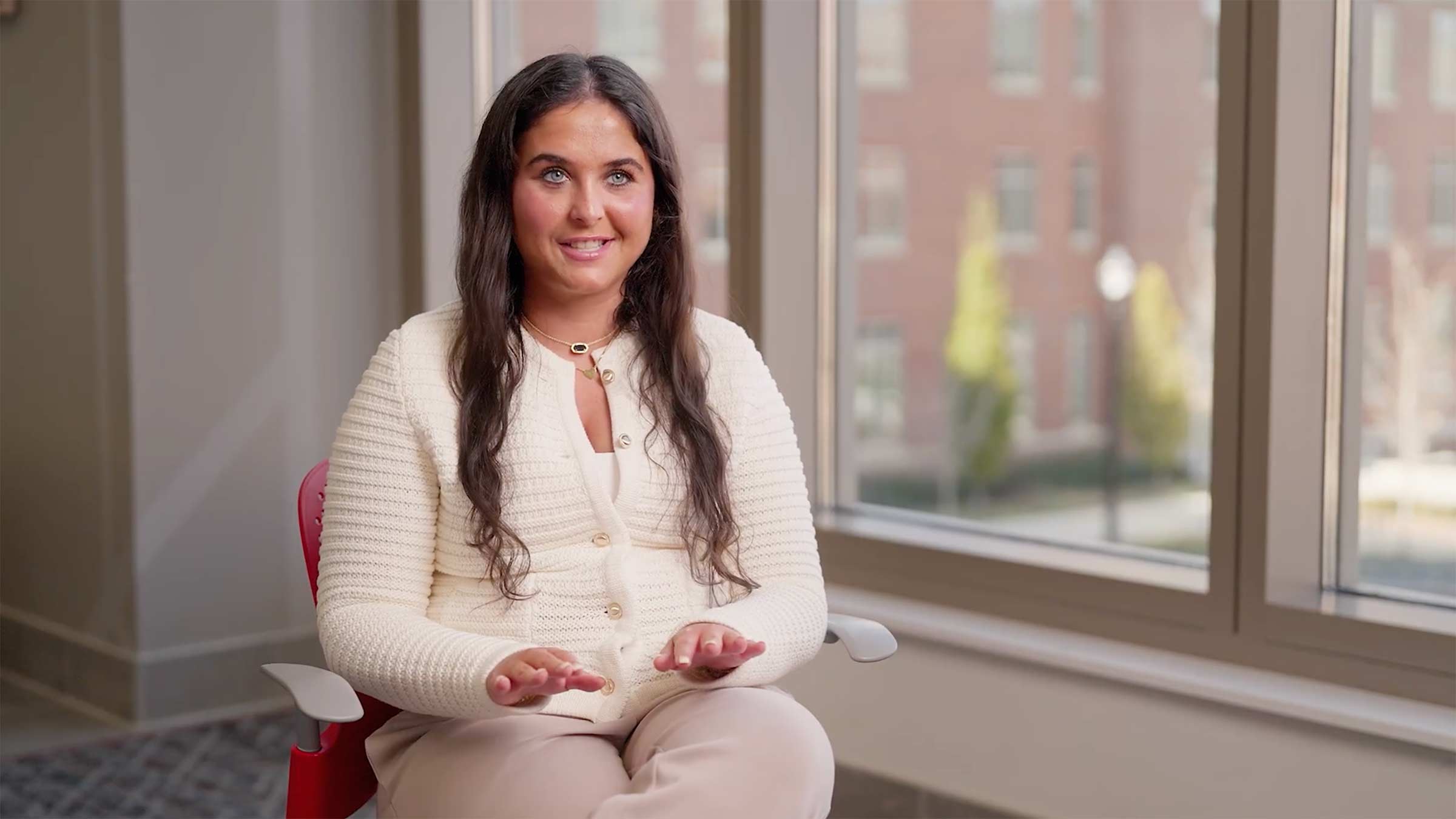
PAH occurs when blood vessels in the lungs are damaged, making it hard for blood to move through the lungs. As blood pressure increases in the lung arteries, the lower right chamber of the heart has to work harder to pump blood through the lungs. This thickens the walls of the heart.
By the time DuBro reached the hospital, the right side of her heart was three times its normal size.
“They didn’t know how I was alive,” she says. “They really didn’t know how I hadn’t had a heart attack yet.”
Finding help near home
After about three weeks of treatment in Chicago, a MedFlight helicopter brought DuBro to The Ohio State University Wexner Medical Center Richard M. Ross Heart Hospital. DuBro grew up in a suburb east of Columbus and wanted to continue her treatment near home, but there was more behind her decision to seek treatment there.
“The goal was to always get me to Ohio State’s Ross Heart Hospital,” she says. “They have excellent care there, and they have a pulmonary arterial hypertension program that they’re known for.”
At the Ross Heart Hospital, DuBro met lung transplant pulmonologist and critical care physician Stephen Kirkby, MD. Dr. Kirkby was both empathetic to her situation and frank with her about what her treatment might eventually entail.
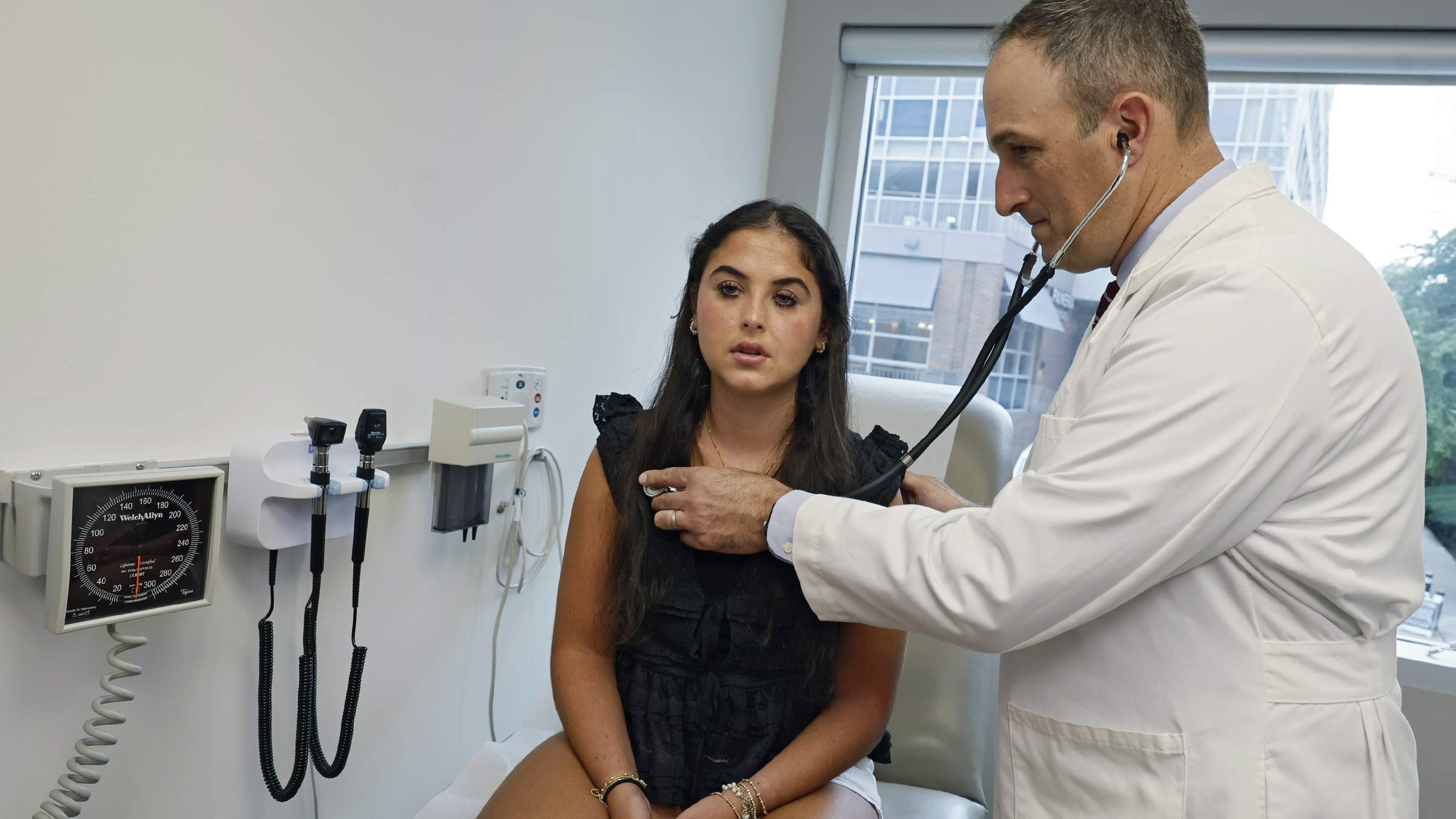
“She had recently been diagnosed with a really, really severe form of pulmonary hypertension,” Dr. Kirkby recalls. “For anyone of any age going through that type of diagnosis, it’s just overwhelming. But as a parent of college students myself, I can imagine just how devastating it was for her.
“We talked about how transplant was probably going to be a treatment that she was going to need to pursue at some point. She was understandably scared, overwhelmed and struggling with how this was going to affect her life, her goals, her plans as a young adult.”
The next two years were rough. DuBro was able to continue her studies remotely, but she could not travel or spend time with her friends and sorority sisters in person. She was on an oxygen tank while she slept and used a wheelchair for mobility.
By the spring of 2024, it was clear that a lung transplant was necessary.
‘My life is about to change drastically’
DuBro was on the transplant list for about six weeks. The process to match a donor to an organ is complex, designed to ensure organs are the best possible fit for long-term survival for their recipient.
But there were additional challenges in DuBro’s case. At just 5 feet tall, she required lungs smaller than those typically available for adults, and despite being 21 years old, she was still relatively young for a lung transplant recipient.
The match came in early July 2024.
“I was just in shock,” she recalls. “I didn’t know how to feel. It was like ‘My life is about to change drastically.’”
Her anxiety was high the night before her transplant, but it was eased when she met Matthew Henn, MD, the cardiac surgeon who would perform her transplant.
“I instantly felt safe in his presence,” DuBro says.
Meeting DuBro and her family had a major effect on Dr. Henn.
“It’s a very emotional moment, because it’s the first time you’re meeting both the patient and the family,” he says. “Immediately, we had a connection. I have three daughters myself, and as a parent, it’s quite emotional when you’re taking care of a young patient.”
A six-hour surgery brought DuBro new lungs the next day, followed by a lengthy, complex recovery process. Her commitment to the work necessary to recover was exemplary, Dr. Henn said.
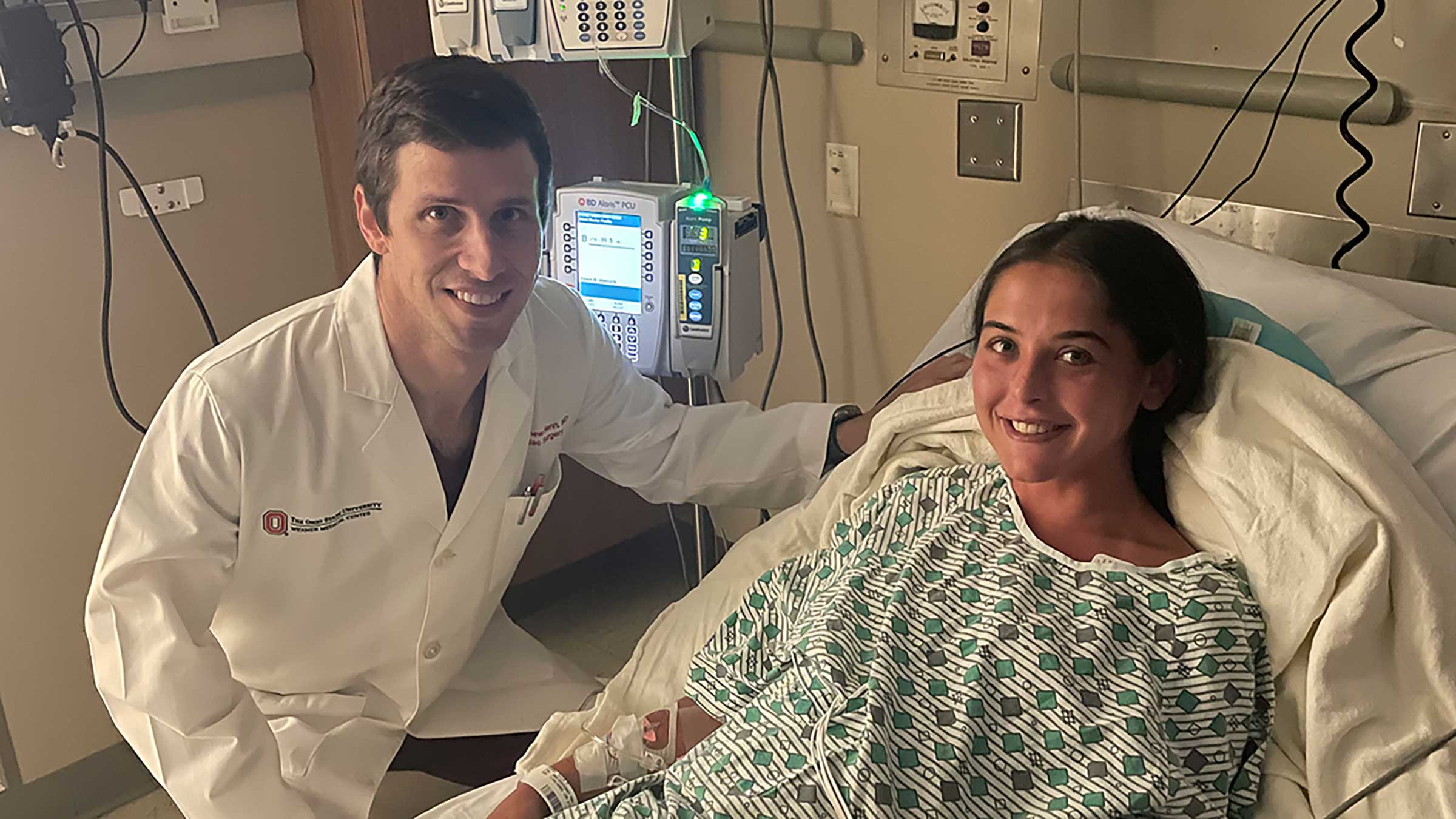
The scope of the team involved in helping DuBro return to her normal life is one of the distinguishing characteristics of the transplant team at Ohio State.
“The sheer quantity of people that looked after Ella is almost staggering,” Dr. Henn says. “After surgery, literally hundreds of people were looking after her, both in the ICU and then in recovery and then as an outpatient. It takes a huge team to do a complex surgery and recovery like Ella’s.”
Gratitude for a lifesaving act
Now 22, DuBro is on track to graduate from Ohio State's College of Education and Human Ecology with a degree in Human Development and Family Science in the summer of 2026.
She acknowledges that she hasn’t had a traditional college experience, but she treasures the opportunities that exist for her now. She loves playing pickleball, attending Buckeye football games and making up for lost time with her friends during her senior year.
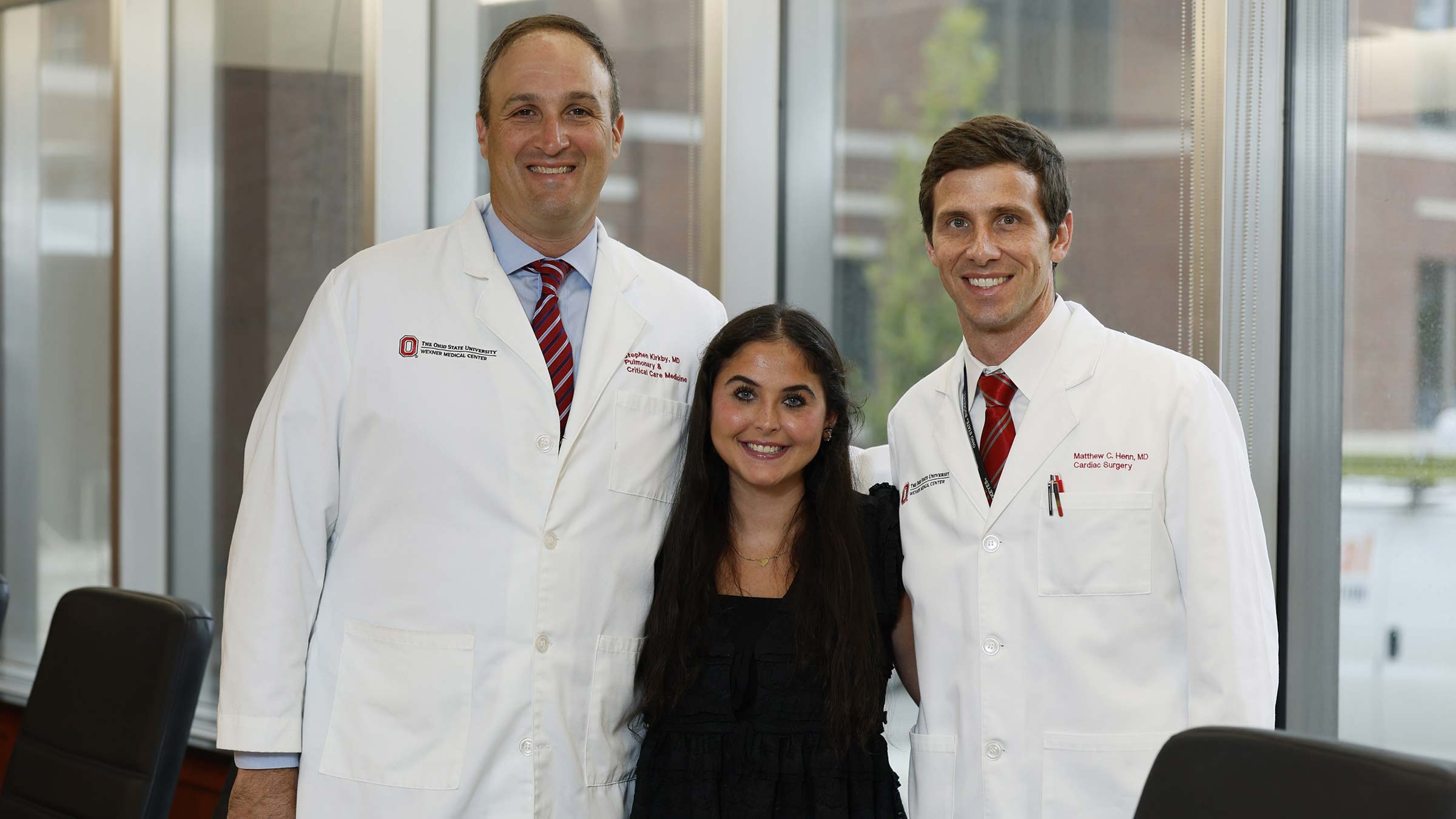
After exchanging a letter with her donor family, DuBro knows only a little about her lung donor – that they were close in age, and that the family lost a daughter who gave her a second chance at life. The gratitude she feels for the gift is beyond measure.
“When they were trying to get me out of bed and do all these things, I always told my parents, ‘I’m going to do this for her because she and her family made the gracious decision to donate her organs.’ That’s what saved my life.
“I want to do everything in my power to honor her, to live life to the fullest for her, and to live on for her, because she’s now part of me.”

Say “yes” to organ donation and be a Buckeye for Life!
Learn how