Finding biological clues to recognize Alzheimer’s risk earlier
Oscar Harari, PhD, is using complex methods of analysis to determine how neurological diseases form in the brain.
There’s a central refrain you hear in just about every piece of advice on how to treat disease:
Early detection is crucial.
The sooner a health condition is found, the wider the array of options to treat it or slow its progression. With complex diseases, the importance is even greater.
And that’s why the work of neurological researcher Oscar Harari, PhD, is essential for patients with dementia disorders, which can take on numerous forms and affect patients of varying ages.
Dr. Harari, a national expert on neurological disease, is leading a growing team of researchers at The Ohio State University Wexner Medical Center to help understand the biology of Alzheimer’s disease. These aims are to help more people know about their risk of developing it and to help them treat it as soon as it surfaces.
Understanding a complex neurological disease
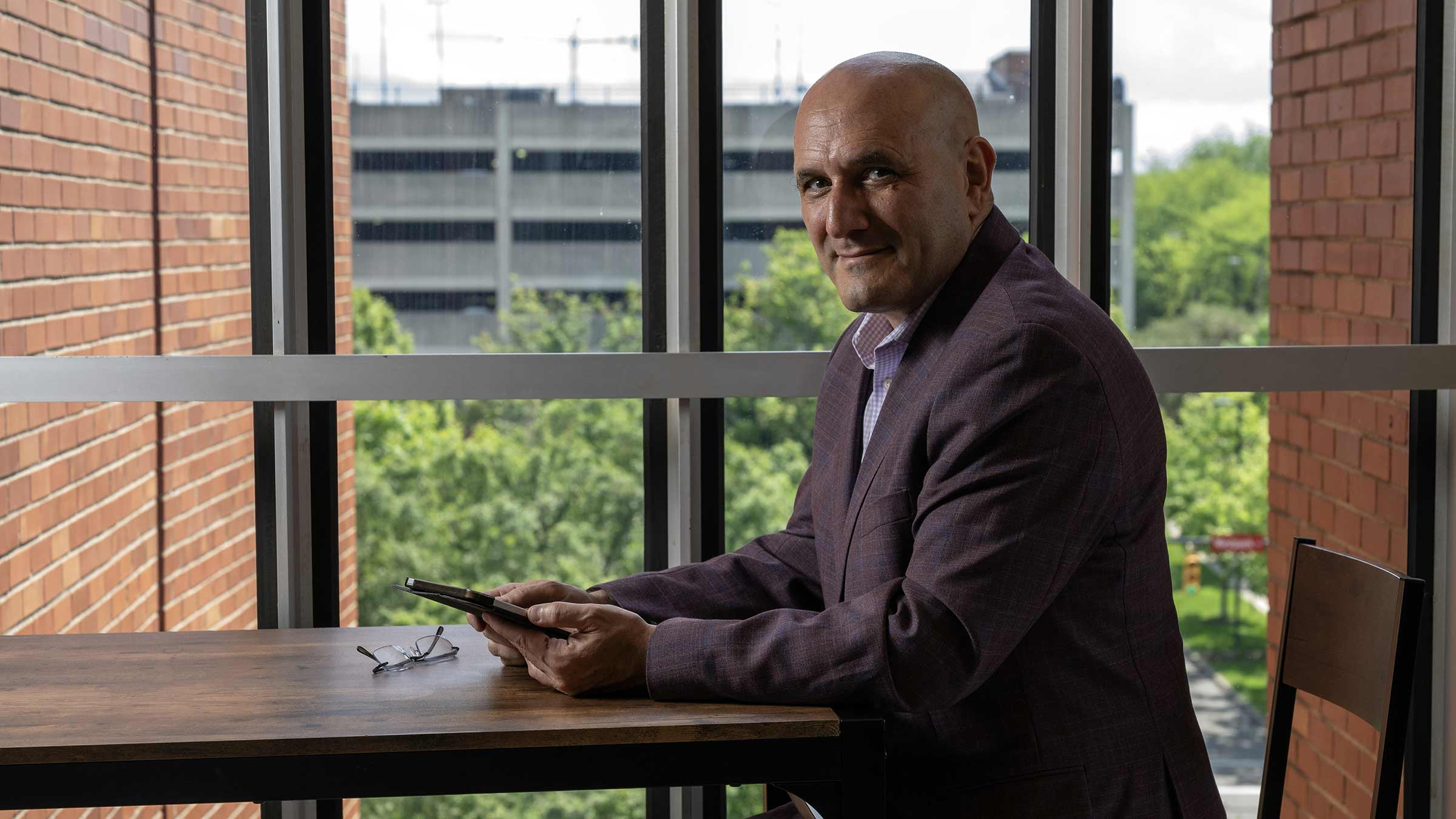
A native of Argentina, Dr. Harari’s journey began outside of medicine. He holds a PhD in computer science and artificial intelligence (AI) from the University of Granada in Spain.
Those skills led him into bioinformatics — a math-heavy scientific field devoted to analyzing biological data. His interest in understanding neurodegenerative diseases began when he was recruited to join the lab of Alison Goate, PhD, a pioneer in understanding how genetics affects the development of Alzheimer’s disease. Dr. Goate’s neuroscience research laboratory is part of the Icahn School of Medicine at Mount Sinai in New York City.
Joining Dr. Goate’s research lab was an experience that showed Dr. Harari how much of an opportunity there is to learn more about what causes the disease.
“It’s not part of normal aging. And it’s affecting a lot of older people,” Dr. Harari says.
Today, focus in Dr. Harari’s lab at the Ohio State Wexner Medical Center is on biomarkers, which are objective measures of what is taking place inside the body. They can be very useful in predicting disease risk – for example, a person with high cholesterol in the blood is at a greater risk of developing heart disease.
With Alzheimer’s, however, the genetic and molecular causes of the disease are not as well understood.
“We detect Alzheimer’s when there’s declining cognition, but we want to start before that,” Dr. Harari says. “We want to start as early as possible, so we need biomarkers. There’s many different routes converging to Alzheimer’s disease.”
Alzheimer’s research at a molecular level
Paula Desplats, PhD, first met Dr. Harari in 2022 when he gave a presentation at the Alzheimer’s Association International Conference in San Diego. At the time, he was working at Washington University in St. Louis, and she was researching Alzheimer’s and Parkinson’s disease at the University of California, San Diego.
She was immediately impressed by his commitment to understanding how Alzheimer’s develops in certain patients.
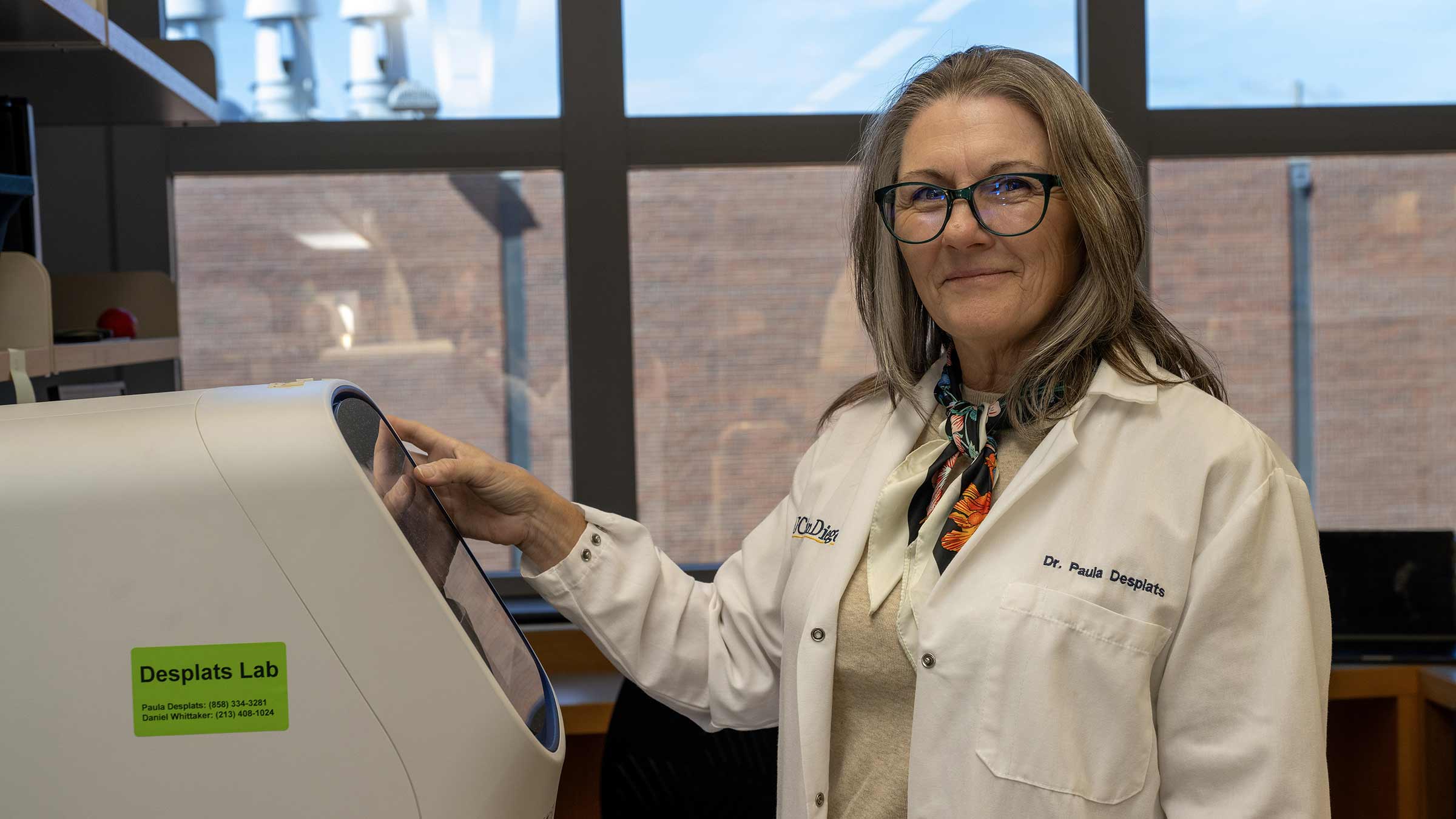
“One thing that is unique about Oscar is his approach to really unraveling details of the molecular pathology by looking cell-specific and applying cutting-edge technology,” says Dr. Desplats, who came to The Ohio State University College of Medicine in 2026 to serve as vice chair of Fundamental and Translational Research in the Department of Neurology. She also holds the Clayton C. Wagner Parkinson's Disease Professorship.
“He took on the work doing these very detailed optimizations and created these amazing datasets of human brains, where we can now see how these known genetic risks really modify the cell function and how each of the cells have different alterations. So that helps us start kind of teasing apart the disease.”
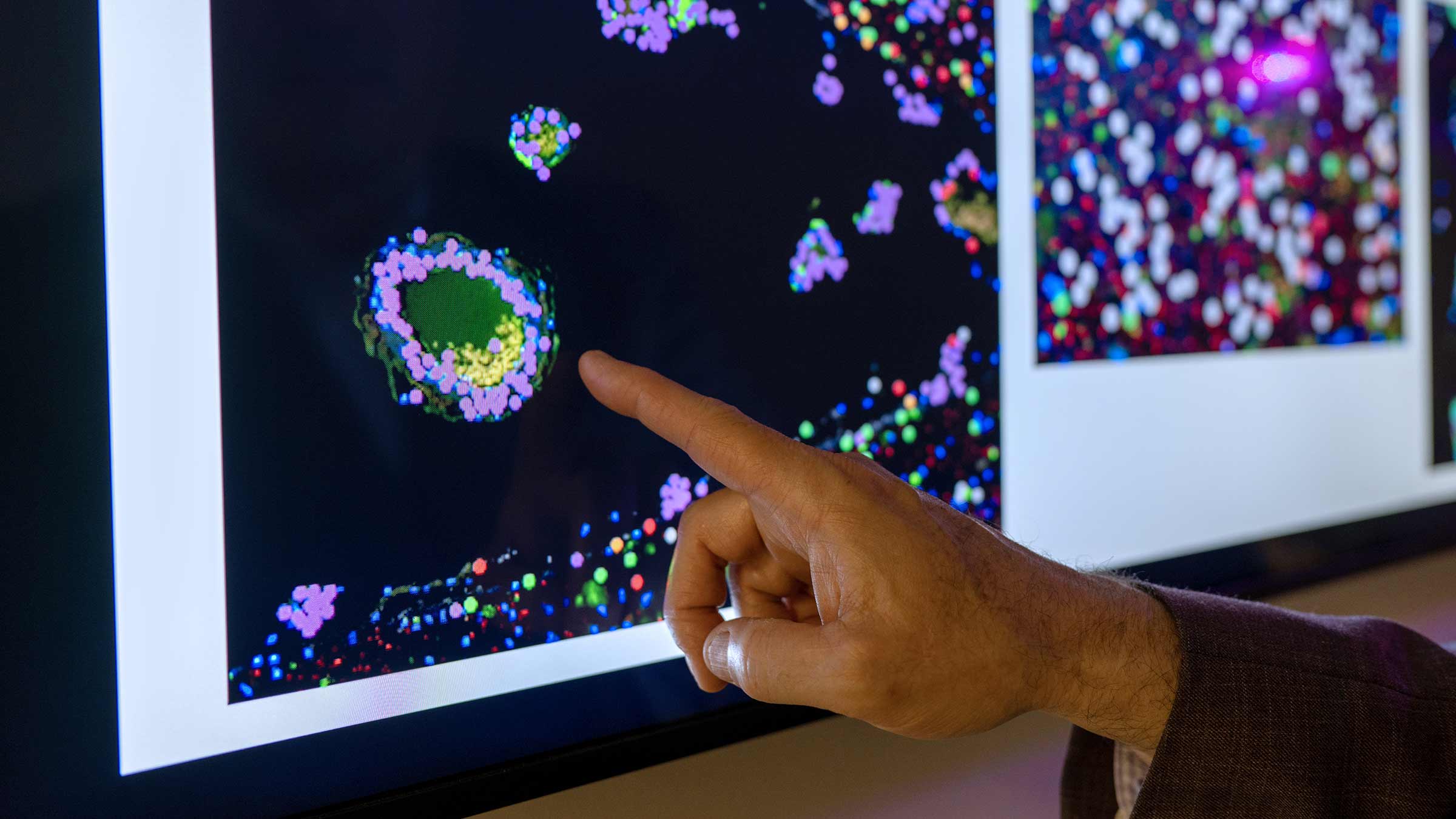
That work was evident in a 2025 research paper that Dr. Harari co-authored. Researchers studied the brain’s immune cells, known as microglia. These cells ordinarily function to protect the brain, but in people affected by Alzheimer’s disease, they can change their behavior.
Using advanced techniques and data from a broad group of patients, Dr. Harari and his colleagues created a detailed map of where microglial cells are in the brains of Alzheimer’s patients.
Identifying these patterns is a first step toward potentially developing treatments for harmful immune responses.
“We are able to profile each of the cells one by one using very complex molecular approaches, but also machine learning and bioinformatics approaches, to profile different cells,” Dr. Harari says.
Filling a need
The Ohio State Wexner Medical Center is a recognized leader in the treatment of Alzheimer’s disease – its Memory Disorders Clinic has been in operation for more than three decades, helping patients and their families navigate the challenges of an overwhelming disease.
As Dr. Harari continues to build his team, the hope is that more breakthroughs will inform treatments for patients.
“We have had, for a long time, a very excellent clinical care program utilizing state-of-the-art diagnostics. The big piece where we needed more expertise was in our basic science research that could provide great insights into future novel drug discovery,” says Douglas Scharre, MD, medical director of the Center for Cognitive and Memory Disorders at Ohio State.
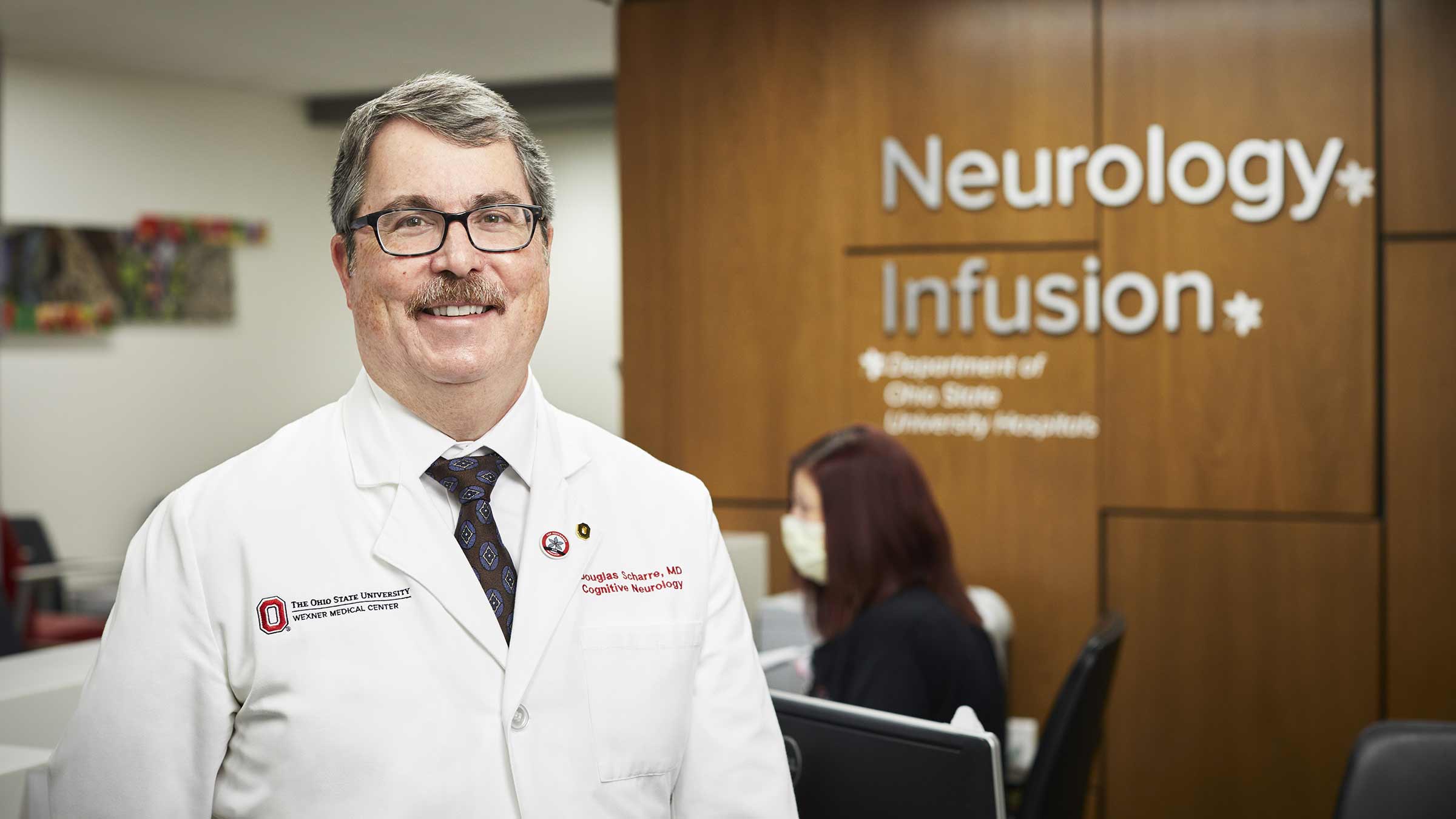
“It’s discovering and using new techniques to identify areas in the brain where we might be able to target new therapeutics. And so that’s why he’s been a fabulous addition here, to improve our understanding of the pathogenesis of Alzheimer’s.”
The timing could not be better. In 2024, the Food and Drug Administration (FDA) approved the use of a treatment found to slow the onset of cognitive decline. Known as anti-amyloid monoclonal antibodies, they’re administered via an intravenous infusion about once a month and are most effective when administered in the mild stage of the disease.
Benjamin Segal, MD, director of Ohio State’s Neuroscience Research Institute, sees great potential for Dr. Harari’s team to help develop additional effective treatments.
“The recruitment of Drs. Harari and Desplats is transforming the landscape of Alzheimer’s disease research at Ohio State. Their work positions us to understand the biological changes that precede cognitive decline and to develop biomarkers capable of identifying disease at its earliest – and potentially most treatable – stages,” says Dr. Segal, who also serves as chair and professor in the Department of Neurology, as co-director of the Neurological Institute and who also holds the Stanley D. and Joan H. Ross Chair in Neuromodulation at Ohio State.
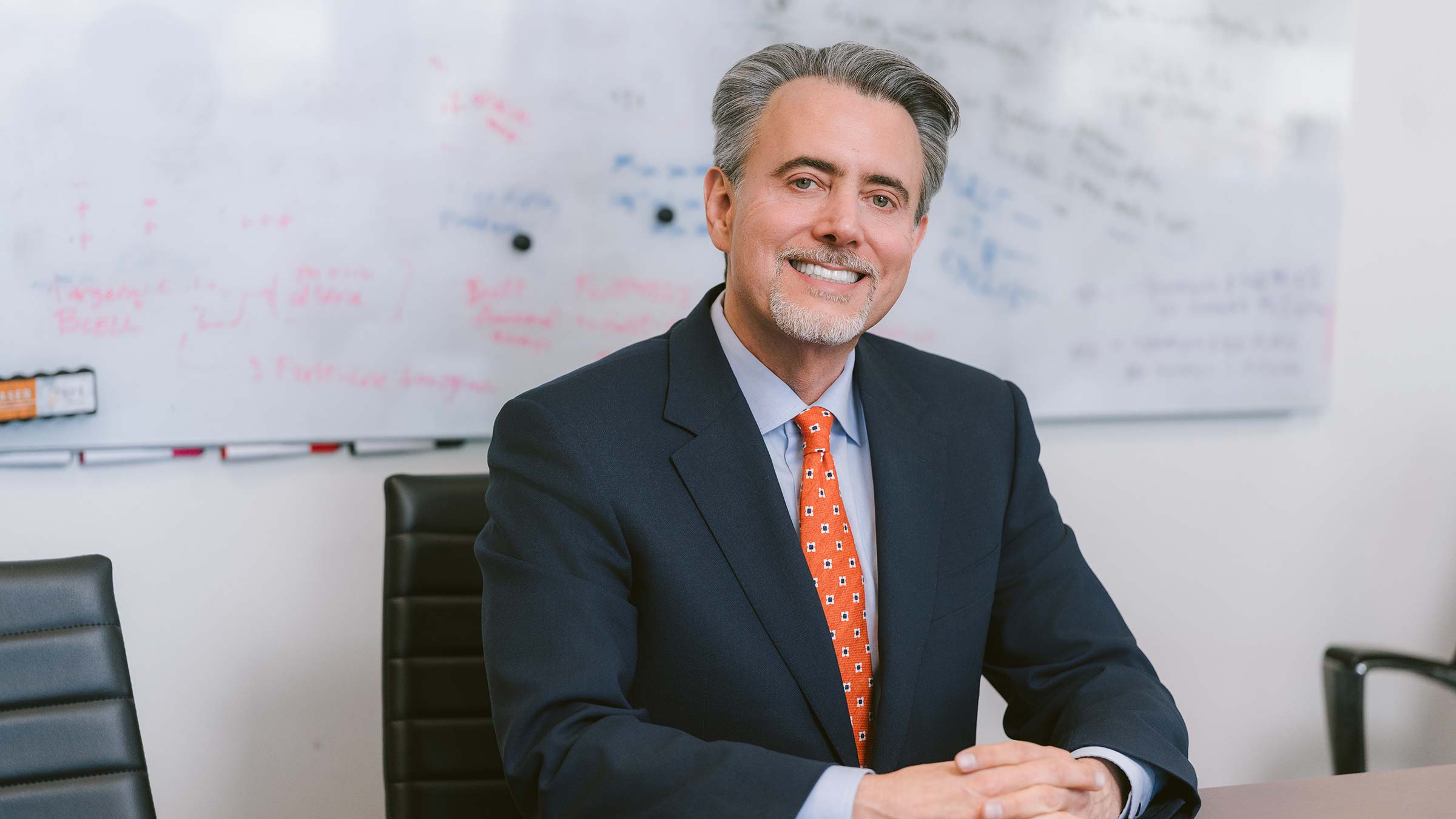
“That goal has taken on new urgency with the emergence of anti-amyloid monoclonal antibodies, the first FDA-approved therapies shown to modify the course of Alzheimer’s disease,” Dr. Segal says.
“These advances are changing the paradigm from diagnosing Alzheimer’s after substantial neurological injury has occurred to identifying and treating the disease early enough to preserve brain function,” Dr. Segal says.
In addition to bringing Dr. Desplats soon after Dr. Harari joined the team, several of his former colleagues from Washington University, and from even farther away, also came with him.
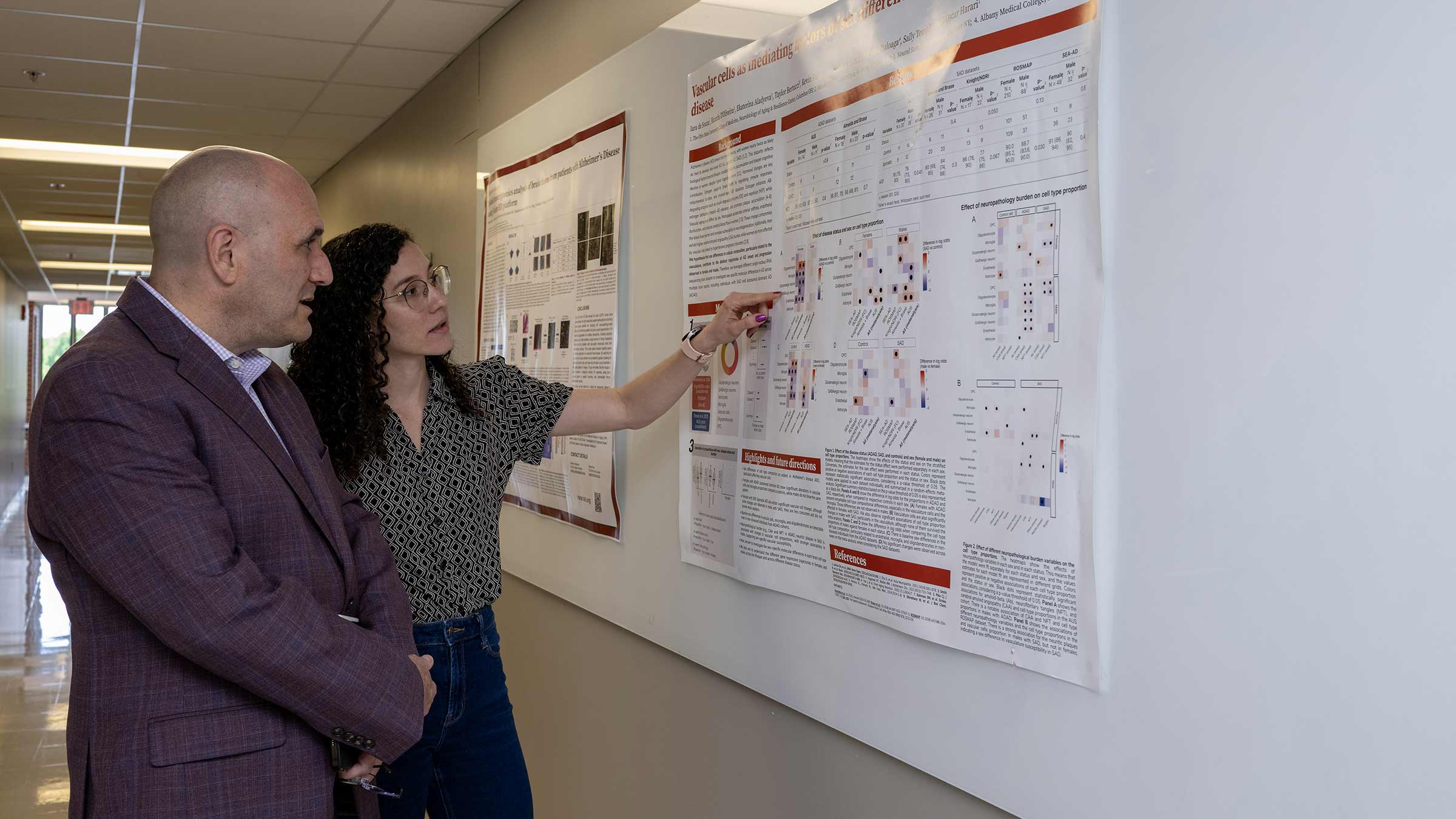
Iara de Souza, PhD, one of Dr. Harari’s mentees, says she didn’t have to think long about whether to come from Brazil to work with him at Ohio State.
“Oscar is a people person,” she says. “So it’s very easy to work with him, and he’s very engaged in promoting everyone’s career. It’s a very safe environment to grow.”
The goal is for findings made in Dr. Harari’s lab to be translated into treatments that will be available via clinical trials at Ohio State. The hope is that the impact of his work can stretch far beyond here.
“Not only is it going to fuel further research and access to clinical trials and further recruitment and expansion of our clinical program, it’s really going to expand all of the services we can offer to families, caregivers and patients,” says Erica Bell, PhD, associate director of Ohio State’s Neuroscience Research Institute.
“We’re on the growth trajectory to be at the same level as the top-tier institutions in the United States.”
Dr. Harari welcomes the challenge.
“I like to build things,” he says. “I enjoy the path and seeing things getting to a point. And I think that what we are trying to do here, what we are doing here, it’s going to be here for many years to come.”