Cardiac surgeon using novel ways to help patients thrive again
Quick thinking by cardiothoracic surgeon Ammu Alvarez, MD, helps save the life of a patient in heart failure.
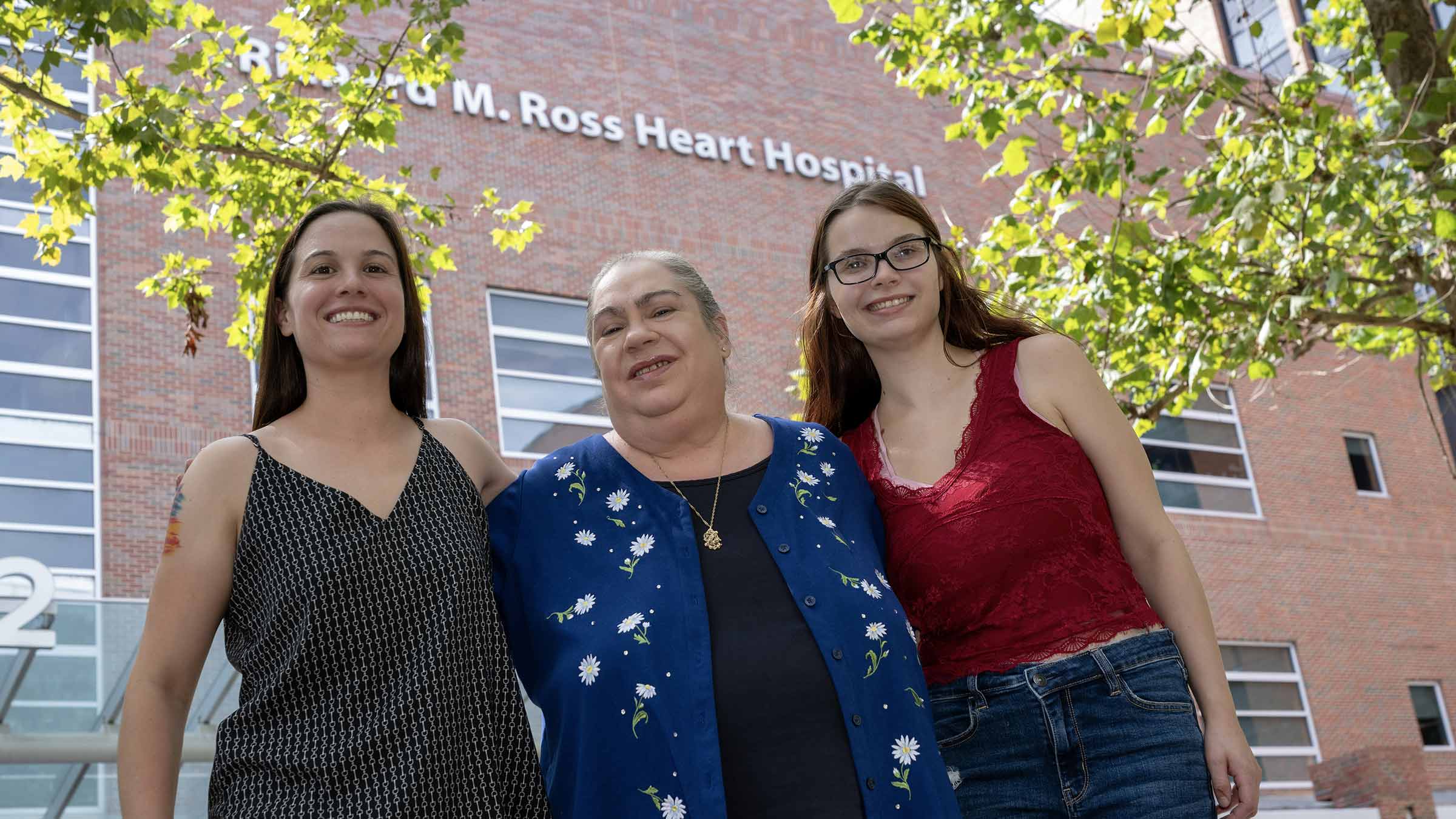
When the text came in, Alissa Wulf assumed it couldn’t be serious.
It was Christmas 2025 and she was celebrating with her husband, newborn daughter and her siblings at home in suburban Columbus. Her mother, Lisa, was relaxing at home, about 4 miles away.
Lisa had been having some difficulty sleeping, but nothing to suggest any major health problems. Then suddenly, Alissa’s sister Allie read a text from her mom out loud: “I think I’m having a heart attack.”
Alissa Wulf told her brother to call an ambulance then set out to go check on her mother. The house was empty when she got there, so she assumed that the ambulance she’d passed on the way there must have had her mom inside it.
The next few days were trying, to say the least. Lisa Wulf, a widow, had indeed suffered a heart attack and was in intensive care at a local hospital. Her six children were increasingly scared and frustrated, feeling like they weren’t getting much information. There was talk that she might not make it.
“My kids are all freaking out,” Lisa Wulf recalls. “They’ve already lost one parent to cancer, and here I am – I didn’t have any symptoms. I didn’t know anything was wrong with my heart.”
A specialized level of treatment
On New Year’s Eve, Wulf was transferred to The Ohio State University Wexner Medical Center. She was in heart failure, and her best hope for recovery was via the expertise of The Ohio State University Heart and Vascular Center.
Specifically, doctors thought she might need to be placed on extracorporeal membrane oxygenation (ECMO), a machine that takes blood from people suffering heart or lung failure and oxygenates it, then returns it to the body. Ohio State is a high-volume center for ECMO, treating more than 100 patients a year with it, but it’s a serious form of treatment that requires around-the-clock supervision from a team of specialists.
But her course of treatment changed when she met cardiothoracic surgeon Ammu Alvarez, MD.
Wulf’s heart was in terrible shape. Ejection fraction (EF) is a measure of how well a heart is pumping blood – a healthy left ventricle pushes out 55 to 70% of the blood in it with each heartbeat. Lisa’s EF was about 15%.
“She was basically in cardiogenic shock, which means her heart was just giving up and giving out,” Dr. Alvarez says.
Dr. Alvarez reviewed her case and planned to perform a triple coronary artery bypass surgery (CABG) on Wulf, allowing blood to flow around clogged arteries. It was a high-risk procedure that Dr. Alvarez thought was Wulf’s only chance to survive.
But upon seeing Wulf the morning of the surgery, Dr. Alvarez knew Wulf’s heart wasn’t healthy enough for it. So instead, Dr. Alvarez huddled with other members of the team to come up with a novel way to treat Wulf – one that served as an alternative to placing her on ECMO, which she would have needed after the surgery.
Surgeons at Ohio State have access to Impellas, which are small devices that pump blood from the left side of the heart using a catheter. Dr. Alvarez had used it to help patients awaiting heart transplants make it to surgery, but she had never tried it to help a patient get to a bypass, like Wulf.
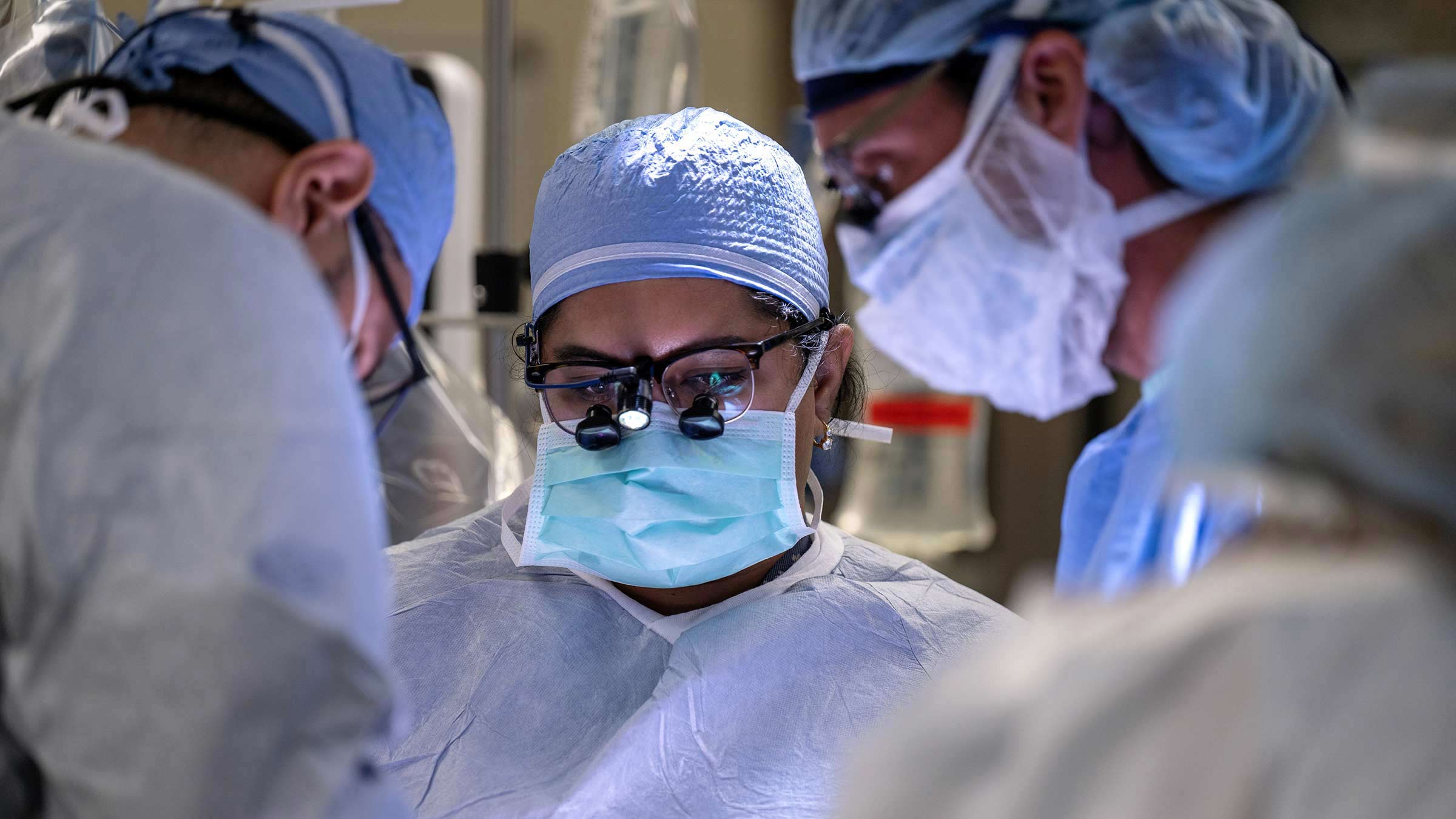
“When you take someone with a sick heart to the operating room, it makes surgery significantly riskier, and the heart might not come back from that,” Dr. Alvarez says. “So instead I put the Impella in. She got a lot better, and that’s a novel way to use it. It was a unique approach to the problem.”
Dr. Alvarez proceeded with the bypass surgery, and she removed the pump a few days later, after Wulf’s heart had a chance to recover.
“When I saw her in clinic, she was walking up stairs, feeling so much better. She looked so much better and she was really sweet and overall very thankful,” Dr. Alvarez says.
“We tried something new, a novel way to approach her condition, and it worked really well. She had a great recovery too,” Dr. Alvarez says.
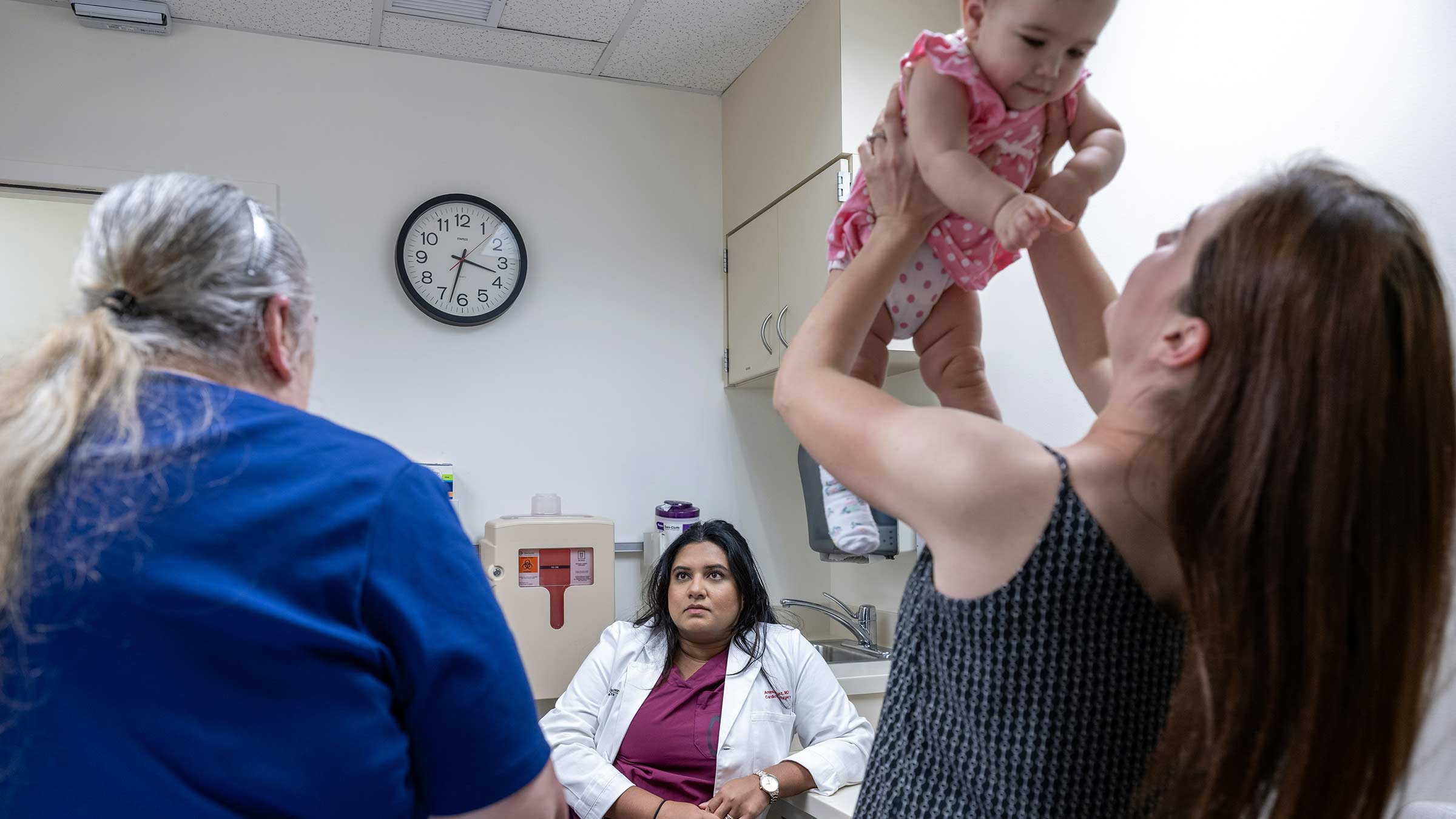
An outlier in the field of cardiac surgery
Ohio State was central to Dr. Alvarez’s path to becoming a cardiothoracic surgeon. She met the man who would become her husband during medical school in North Carolina, and they both matched for residency at the Ohio State Wexner Medical Center.
Her first exposure to cardiothoracic surgery came during her residency, and she was immediately drawn to its complexity and the team-oriented approach to care that it provided. While here as a general surgery resident, Ohio State launched its Cardiothoracic Surgery Integrated Residency, and she became the first selected for it.
The fit has been seamless. She completed residency in 2025 and joined the Ohio State cardiac surgery team, working alongside the same cardiac surgeons who served as her mentors.
“I have the greatest job in the world,” Dr. Alvarez says.
She’s rare among her colleagues. Just 5% of cardiothoracic surgeons nationwide are women, according to a 2024 article published in The Journal of Thoracic and Cardiovascular Surgery.
She remembers all the “advice” she got as she pursued a career as a surgeon: How it would ruin work/life balance and make it difficult to raise a family, etc.
She heeded none of it.
Dr. Alvarez and her husband, both surgeons, welcomed their first child, a son, in July 2025. She’s quick to point out how supportive the rest of the Ohio State cardiac surgery team was during her pregnancy and her first months as a mom.
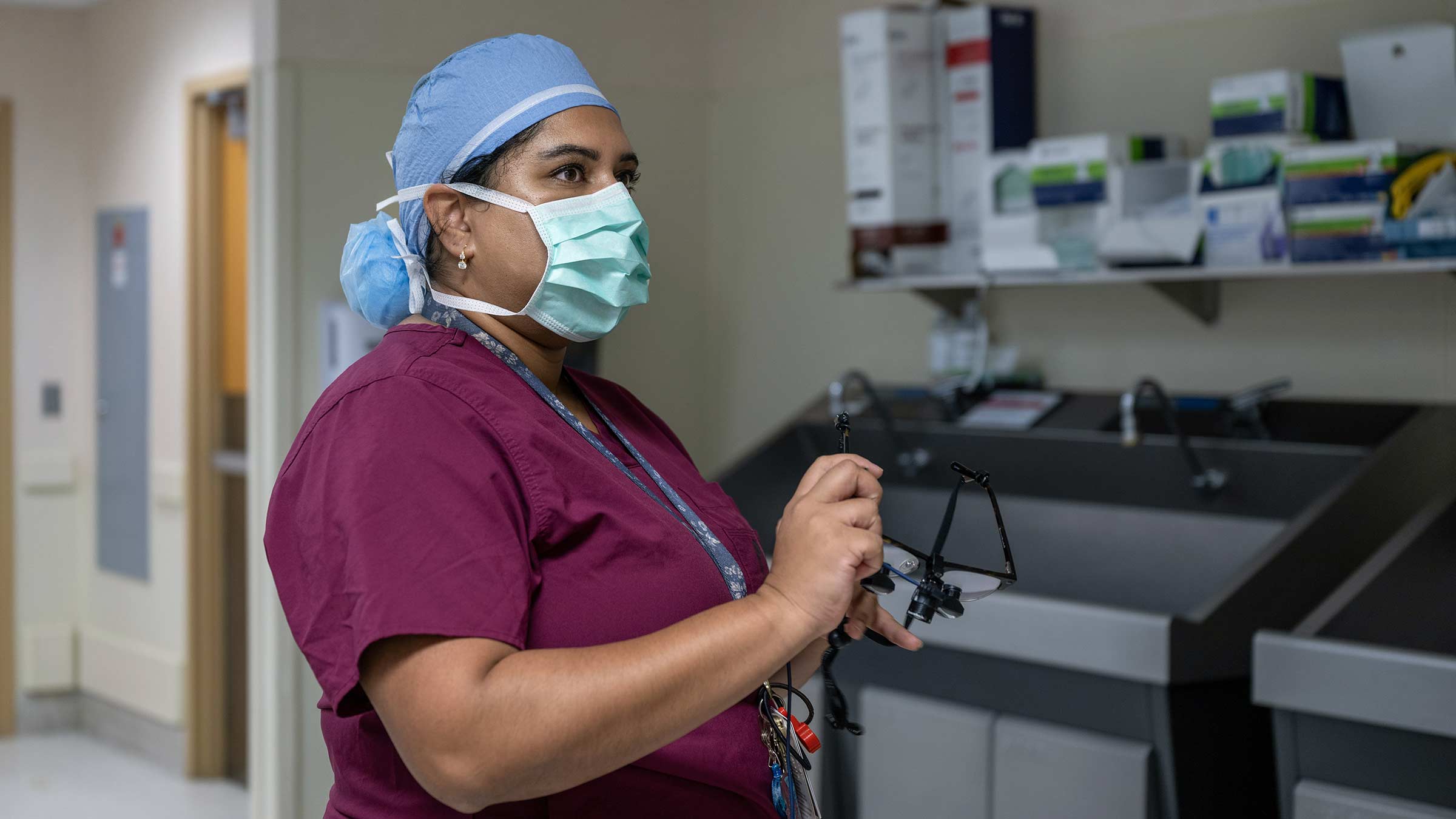
“I had ultrasound appointments and all the things, and they were really great,” she says. “And then even as I came back after maternity leave, they were very supportive of me.”
Now that she’s on the faculty, she hopes to serve as an example to others who want to follow her path.
“When I was training here, the residents and fellows were mostly women,” Dr. Alvarez says. “Now that I’m here, I want to help guide and mentor anyone who wants to follow my path.”
The reason she does what she does
Dr. Alvarez says that what she loves about her job is that she meets people on the worst day of their lives. The opportunity to restore patients like Lisa Wulf to health brings enormous joy to the follow-up appointments six weeks after surgery.
“They’re back to working, they’re back to doing what they want. I literally tell all of my patients, ‘I’m really sad, but these are my favorite appointments,’” Dr. Alvarez says.
“I’m always sad because that’s usually the last time I see you, because you don’t need a surgeon anymore,” Dr. Alvarez says.
“We talk to family right after surgery in a little private room, and 90% of the patients’ families ask, ‘Can I give you a hug?’”
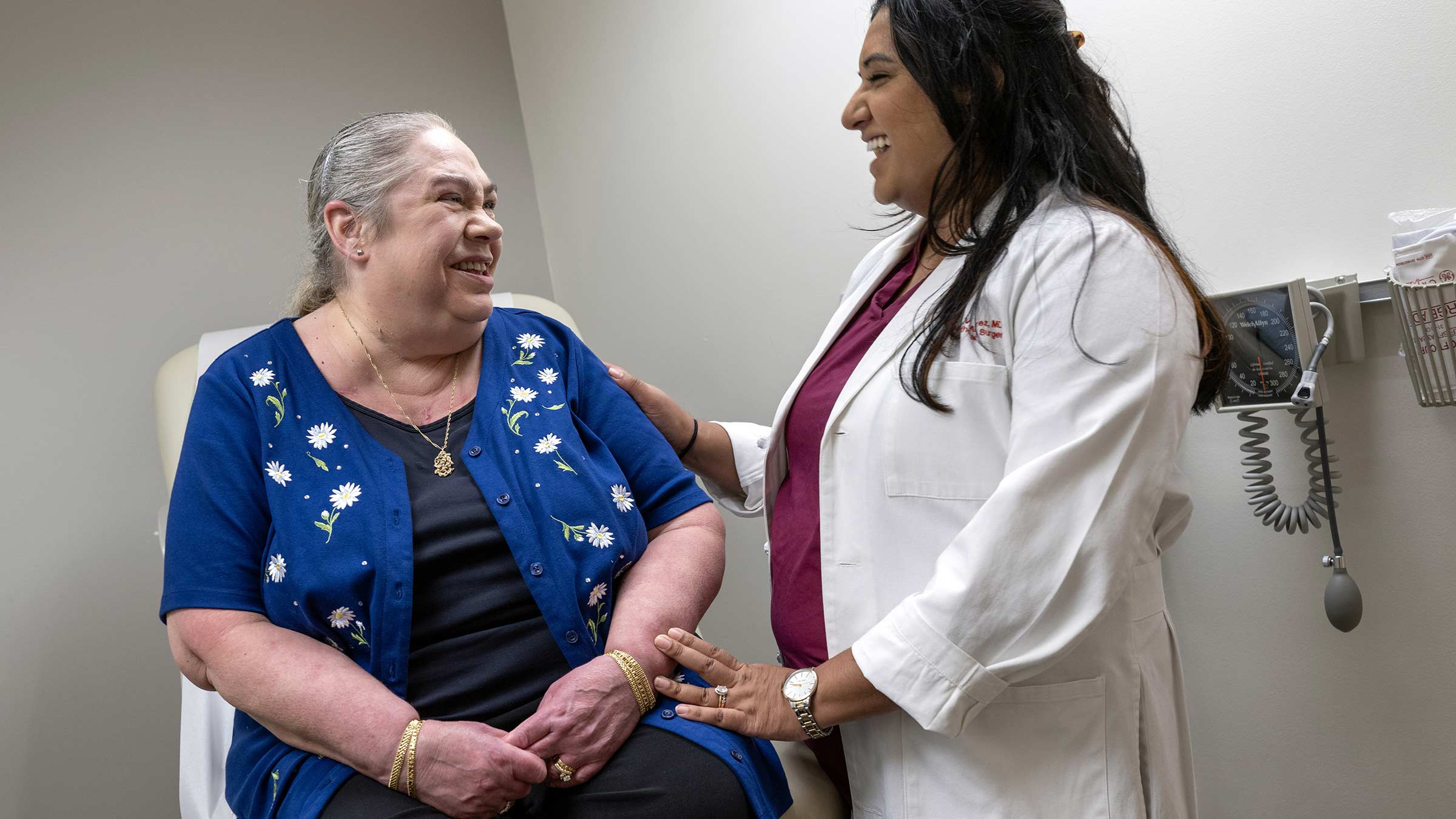
The bypass has given Wulf new life. She’s active in cardiac rehabilitation – so much so that her daughters half-joke that she spends more time working out these days than they do.
“This whole experience, for my mom, not only did it save her life, but it kind of gave her a new life,” Alissa Wulf says.
The experience helped reinforce for Lisa Wulf how close she is with her children. Her gratitude to Dr. Alvarez is immeasurable, a feeling she expressed in her follow-up appointment.
“I thanked her for saving my life,” she recalls. “I don’t know that I ever would have managed to have the surgery without her thinking to put the heart pump in and not giving up on me after my heart went into shock.
“I’ve got six kids to live for. I have grandchildren. I feel like this brought my kids much closer to me.”

Put your heart in the right place
Schedule an appointment with Ohio State’s Heart and Vascular team.
Schedule today