Innovative research aims to improve quality of life for patients with cancer
Path-breaking research program studies palliative care and pain management for patients and caregivers.
Her experiences abroad while still a medical student kickstarted a career course in a specialty that didn’t yet officially exist.
Wanting to push herself out of her comfort zone and practice medicine in another country, Jessica Merlin, MD, PhD, MBA, had joined a program at The Perelman School of Medicine at The University of Pennsylvania that helped care for people with HIV and AIDS in Botswana in southern Africa. It was part of the U.S. President’s Emergency Plan for AIDS Relief initiative that was launched in 2003 to help end the global HIV epidemic.
“I was drawn to all the complex interpersonal aspects of HIV care, and (to) addressing stigma related to HIV, family caregiving and the high burden of pain and symptoms my patients experienced,” Dr. Merlin says.
“I also realized that the doctors with whom I worked, who were brilliant HIV and infectious disease physicians, didn’t know how to adequately treat people’s pain and symptoms, so I wanted to become a doctor who could do that,” she says.
After earning her medical degree, she completed fellowships in both infectious disease and palliative care, a combination designed to bring patients relief from pain, symptoms and other challenges of serious or chronic illness.
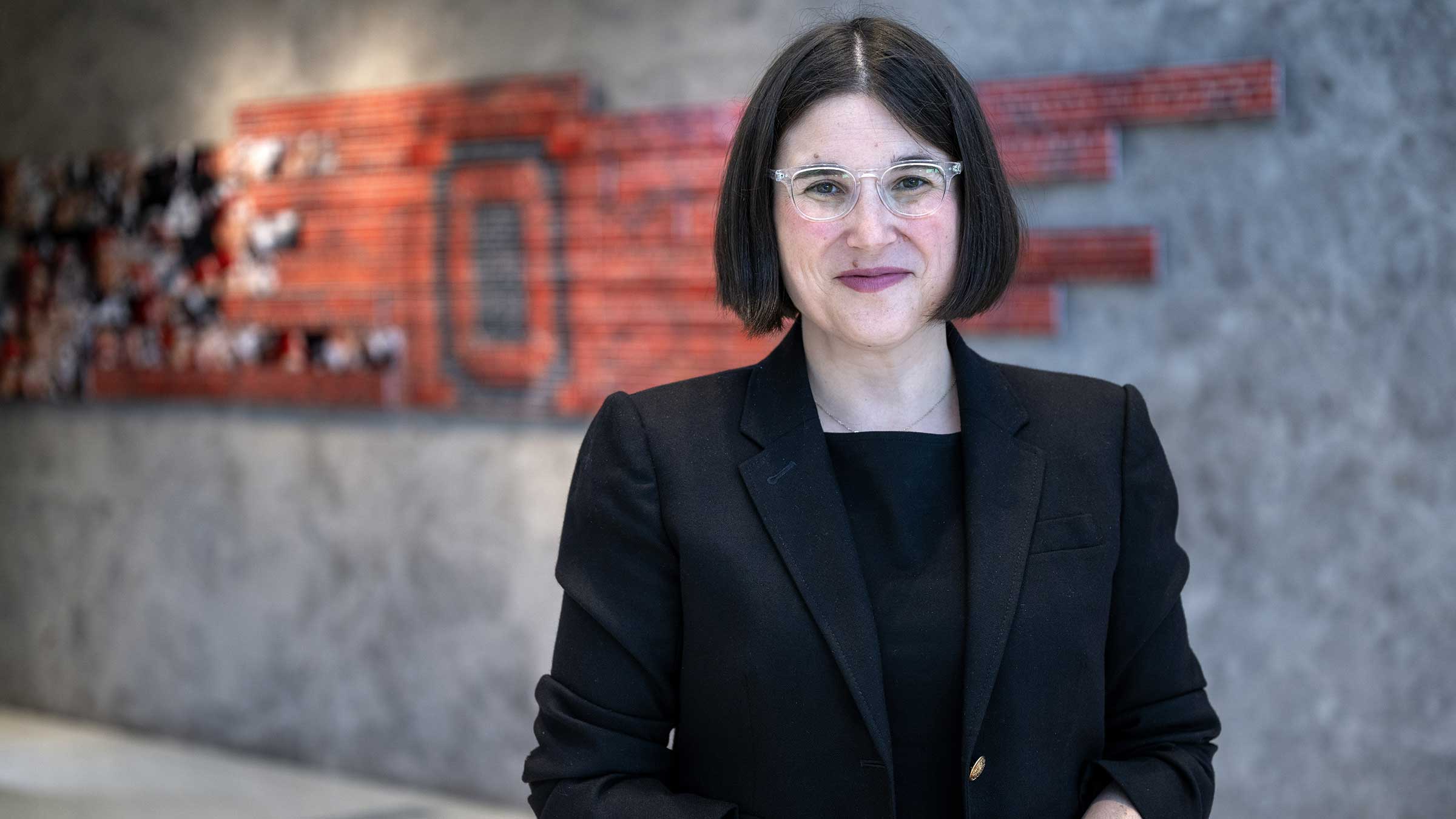
Today, at The Ohio State University Comprehensive Cancer Center – Arthur G. James Cancer Hospital and Richard J. Solove Research Institute (the OSUCCC – James), she’s the founding director of the Center for Research Excellence in Supportive Care (CREST), which was established in 2025 after Dr. Merlin was recruited to the Ohio State Wexner Medical Center from University of Pittsburgh Medical Center. Her team conducts research aimed at improving quality of life for patients with cancer and their care partners.
Building a cohesive approach to supporting patients with cancer
Dr. Merlin describes CREST as a novel entity in healthcare. “Supportive care is a small field, and palliative care research is even smaller,” she says, noting that the American Board of Medical Specialties first recognized palliative medicine as a subspecialty in 2006.
“Research centers that do rigorous work in supportive care are uncommon,” she adds, “and having one that’s already as large and as cohesive as ours, with a strong core faculty, sound infrastructure, activities to promote collaboration such as writing workshops and works-in-progress sessions, and opportunities to travel around the country to talk about our work – I’m not aware of any other program quite like it.”
Dr. Merlin says CREST’s mission is to develop the nation’s premier cancer-focused supportive care research and training program, “and we’re well on our way to doing that.” She notes that there were already several supportive care researchers at the Ohio State Wexner Medical Center when she arrived, as well as leaders “who had a clear vision for starting a palliative care research program.”
“The building blocks were in place. It’s been a privilege to put them all together and grow the program while continuing my own work on pain and substance use in people with cancer,” Dr. Merlin says.
The fundamental purpose of supportive care research is finding ways to provide patients with relief from pain and symptoms while also addressing the myriad other challenges they face, including side effects of treatment, the needs of their care partners, and psychosocial, spiritual and emotional distress.

“Apart from physical distress, people facing cancer and other serious illnesses can have emotional distress related to meaning and identity,” Dr. Merlin says. “Our research-based supportive care can help them contend with those problems as well.”
How CREST research is improving patient and caregiver experiences
“CREST is a research program, and all of our research is patient-oriented, so most of our studies are open to patients at The James,” Dr. Merlin says.
One example is Symptom Monitoring Program Linked to Electronic Referrals (SyMPLER), a study developed and led by Julia Agne, MD, associate professor of Palliative Medicine in The Ohio State University College of Medicine. Dr. Merlin recalls a 67-year-old woman with lung cancer who enrolled in the study.
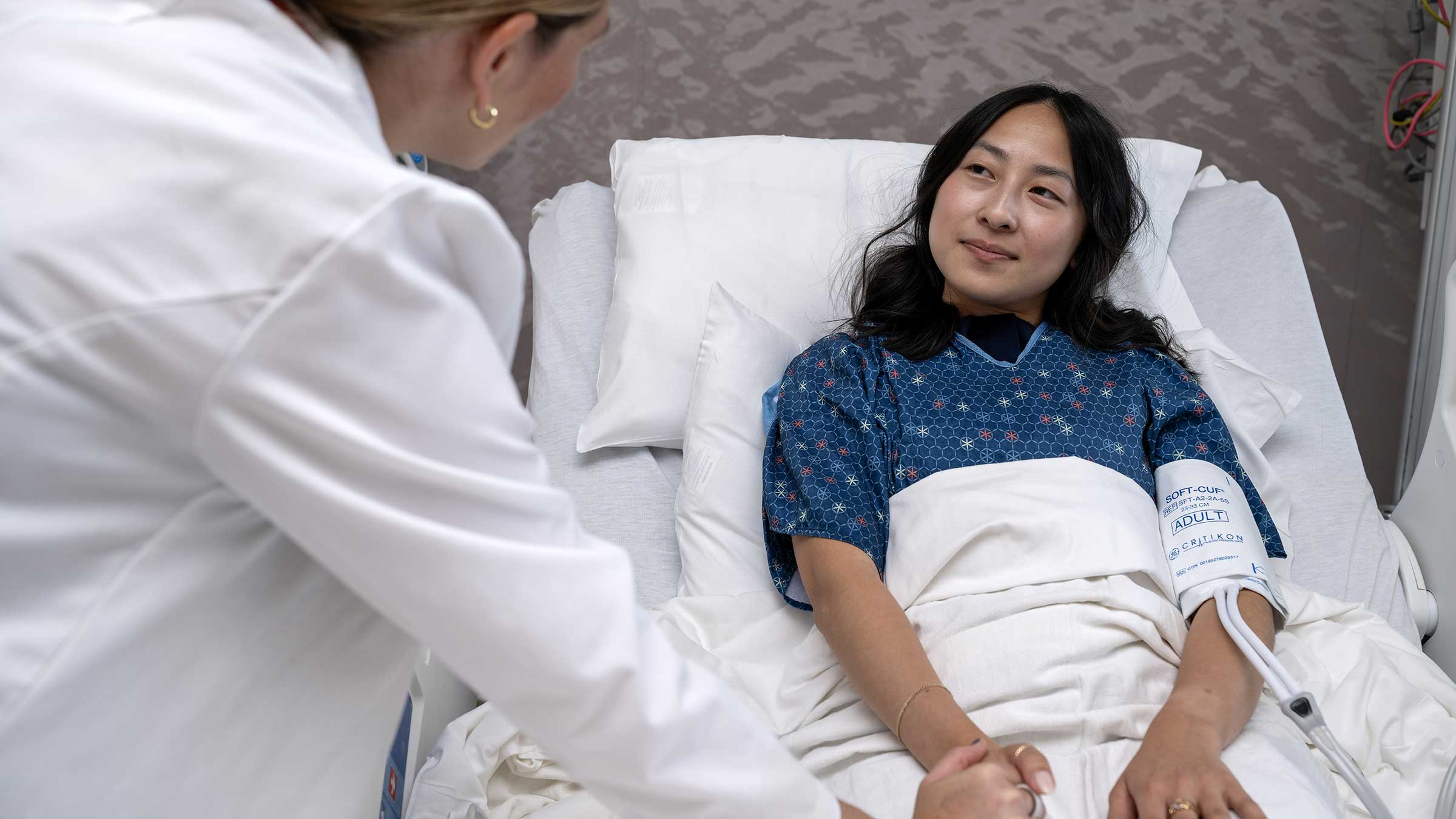
“Symptom monitoring programs are often electronic tools that ask patients to report symptoms, but through SyMPLER, Dr. Agne first provides them with an introduction about what palliative care is and how they might benefit from a specialist to help with their symptoms,” Dr. Merlin says. “Then she sends them weekly text reminders to report their symptoms on a study app she created, and that information is relayed to their oncology team. Patients also are given an option for palliative care self-referral. It’s a way of making sure everybody is offered the same resources and that patients are empowered to seek palliative care when they feel the need for it.”
The patient with lung cancer described SyMPLER as “a nice security blanket to know that I could ask for this (palliative care) and get it.” Six months after enrolling, she did seek help from a specialist when experiencing severe pain. “If I hadn’t had that (option) on the app, I’m not sure I would have made the phone call, so that was great.”
Research initiatives led by the CREST team include:
- Brittany Waterman, MD, leads a project for patients with liver cancer that tailors interventions to this group’s significant supportive care needs.
- Tanya Smit, PhD, conducts research that addresses chronic pain among cancer survivors. While 70% of people diagnosed with cancer will live for five years or longer, nearly a third of them will experience persistent pain. Her work aims to develop and test a cognitive behavioral therapy (CBT) intervention to ease pain among these patients.
- People with cancer often experience physical and psychological symptoms (sleep difficulties, anxiety, depression, fatigue), so a team led by Sharla Wells-Di Gregorio, PhD, developed a CBT intervention that teaches patients how to control symptoms and improve quality of life. Funded by a five-year National Cancer Institute grant, the study team members developed an app that is being tested in a clinical trial with the goal of transforming symptom management, particularly for individuals who live in rural areas.
- A multisite, National Institutes of Health (NIH)-funded study led by Dr. Merlin is gauging benefits and harms of opioid therapy for pain in patients with metastatic cancer through monthly patient reports, including pain and opioid-related side effects, and interviews that seek to understand how patients, care partners and clinicians collaboratively make decisions about whether and when to start opioids for cancer-related pain.
A key focus of CREST is mentoring the next generation of researchers at the intersection of opioid use disorders and pain. Dr. Merlin received a grant from the NIH that enables her to devote up to 50% of her time to mentoring. Part of her growth strategy is to recruit more mid-career and senior-level faculty members to broaden CREST’s pool of mentors.

Collaboration is key in supportive care
The CREST team works with many collaborators across the OSUCCC – James and the Ohio State Wexner Medical Center. One example is the Palliative Harm Reduction and Resiliency (PHRR) Clinic established in 2020 by Sachin Kale, MD, professor of Palliative Medicine at the Ohio State College of Medicine. The PHRR Clinic sees patients who are being treated at the OSUCCC – James who also have a current or past substance use disorder involving opioids, cocaine, alcohol or other substances that could impact their cancer care.
“Dr. Kale and I are longtime colleagues, and we share common clinical and research interests,” Dr. Merlin says. “As a physician-scientist, collaborating with other nationally renowned clinician leaders like Dr. Kale is a special and particularly impactful part of working at The James.”
Dr. Merlin has come a long way from her earliest encounters with supportive care in Botswana. She and her family (her husband, Scott, and daughters Clementine and Marissa) are grateful for how that experience propelled her toward “this incredible opportunity I now have at Ohio State to nurture, develop and grow a palliative care research program through CREST. We’re off to a running start.”