A ‘beautiful life’ after brain cancer and kidney failure
Doctor and father of two is grateful for lifesaving treatment and transplant at Ohio State.
Trent Tipple, MD, says he didn’t think he’d live to 52.
He spent two years on dialysis as a college student and had a kidney transplant at age 21. His health remained ‘uneventful’ through medical school, specialized training, marriage and children. Until 2008.
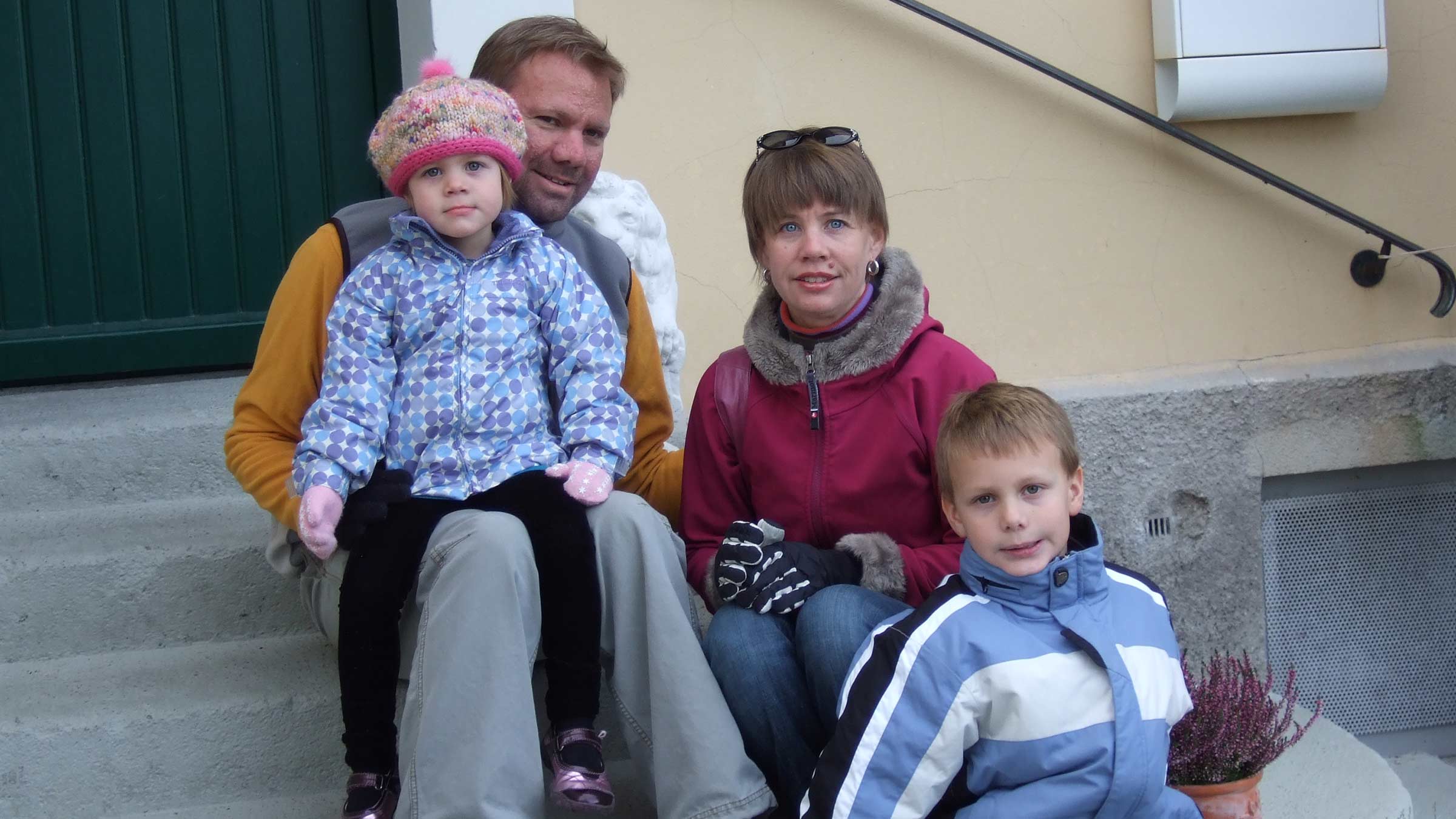
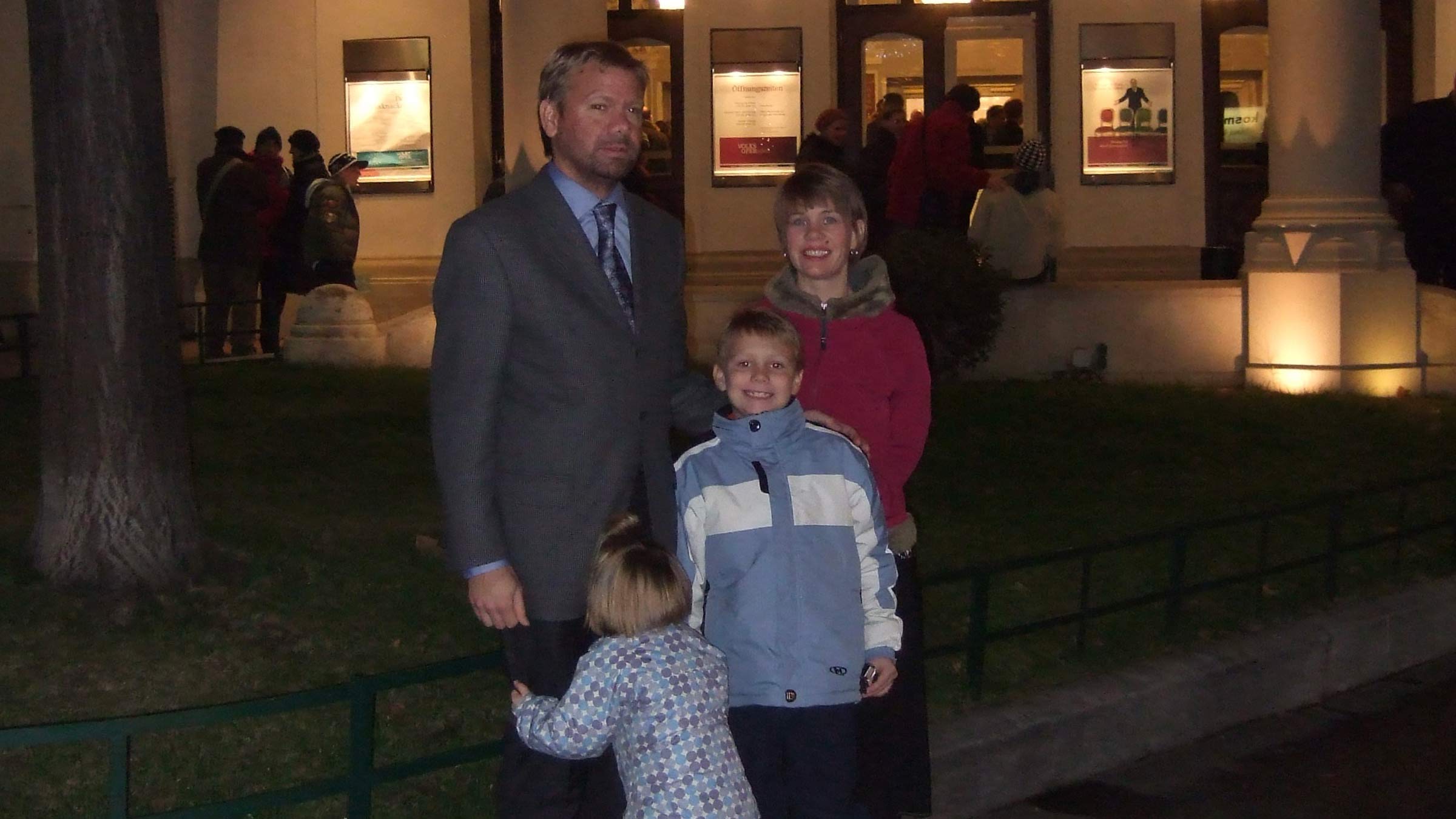
On Dec. 6, 2008, Dr. Tipple, his wife, Jennifer, and their children Nate, 7, and Sofia, 3, were walking through a jewelry store in Vienna, Austria, where he had attended a professional conference. He suddenly felt the need to take his daughter off his shoulders and put her on solid ground. Once he did, “the world faded to black,” he says.
Dr. Tipple had collapsed and was having a seizure.
When he regained consciousness, the sound of a siren let him know he was in the back of an ambulance. “I had absolutely no idea what had happened to me,” he says. At the hospital where he was taken, the attending physician ordered head CT and MRI scans back-to-back.
“I knew I had a brain tumor because of my medical training,” Dr. Tipple says.
He was right.
The plan had been to enjoy the Viennese holiday season and spend a few days skiing in the Alps. Instead, Dr. Tipple, then 35, had to face a dire diagnosis and the realization that his life could be over.

Coming home to Ohio and Ohio State
Originally from Wabash, Indiana, Dr. Tipple and his wife had moved to Columbus so he could complete a Pediatrics residency at The Ohio State University College of Medicine and Nationwide Children’s Hospital.
At the time of his trip to Vienna, Dr. Tipple was an assistant professor of Pediatrics in the Ohio State College of Medicine and a leader of perinatal research at Nationwide Children’s Hospital.
Shortly after returning home to Columbus, Dr. Tipple returned to Ohio State as a patient. On Christmas Eve of 2008, he was officially diagnosed with a primary central nervous system post-transplant lymphoproliferative disorder (PCNS-PTLD) associated with Epstein-Barr virus (EBV).
A rare type of brain cancer, EBV-positive PCNS-PTLD affects a small percentage of transplant patients who take immunosuppressants to prevent organ rejection. While uncommon, the condition is life-threatening, and the prognosis following conventional treatment is grim.
Fortunately for Dr. Tipple, Ohio State physician-scientists were at that very moment studying an experimental treatment for this rare condition.
A safe and effective alternative to conventional treatment
When Dr. Tipple was admitted, his care team included Robert Baiocchi, MD, PhD, a member of the Leukemia Research Program at The Ohio State University Comprehensive Cancer Center – Arthur G. James Cancer Hospital and Richard J. Solove Research Institute (OSUCCC – James).
Dr. Baiocchi and his team had been studying the use of a combination of antiviral drugs to treat tumors like Dr. Tipple’s.
This novel regimen, dubbed GARD, consists of two antiviral drugs that target two EBV proteins and is selectively toxic to lymphoma tumors that contain EBV. The treatment with GARD took only 14 days, versus the six months required for conventional treatment with high-dose methotrexate. It was also completely safe, whereas methotrexate is highly toxic, can lead to transplanted organ failure, is not always effective and is often not well-tolerated by patients.
The first patient whom Dr. Baiocchi’s team treated with GARD was a kidney transplant recipient with multiple cancerous masses in his brain, the largest being 4 centimeters (cm) in size. A follow-up MRI one month later showed that all the masses had disappeared. The patient went on to live cancer-free for an additional 15 years.
“That was our first glimpse into the power of the GARD regimen,” Dr. Baiocchi says.
Dr. Baiocchi’s team went on to administer the treatment to a dozen patients before Dr. Tipple, and another dozen after. Virtually all patients had a “complete response,” meaning their tumors disappeared. Including Dr. Tipple – three weeks after starting treatment, the 4-cm mass in his brain was gone. Six months later, there was no evidence of disease. He has been in complete remission ever since.
“There’s nothing more gratifying than seeing your work actually impacting somebody,” Dr. Baiocchi says.
“Good outcomes like this inspire you to dig deeper and tackle new challenges that patients face. It’s what makes being a physician-scientist so great.”
Lifesaving research meets compassionate care
To this day, Dr. Tipple and his wife, Jennifer, marvel at the serendipity of finding themselves at a place where his specific type of brain cancer was being studied. Dr. Baiocchi says that’s one of the benefits of receiving treatment at an academic medical center with a strong focus on innovative research.
For Dr. Tipple, Dr. Baiocchi’s careful explanation of the treatment protocol he proposed made all the difference. “Even though he was being very honest with me, he didn’t eliminate hope,” Dr. Tipple says.
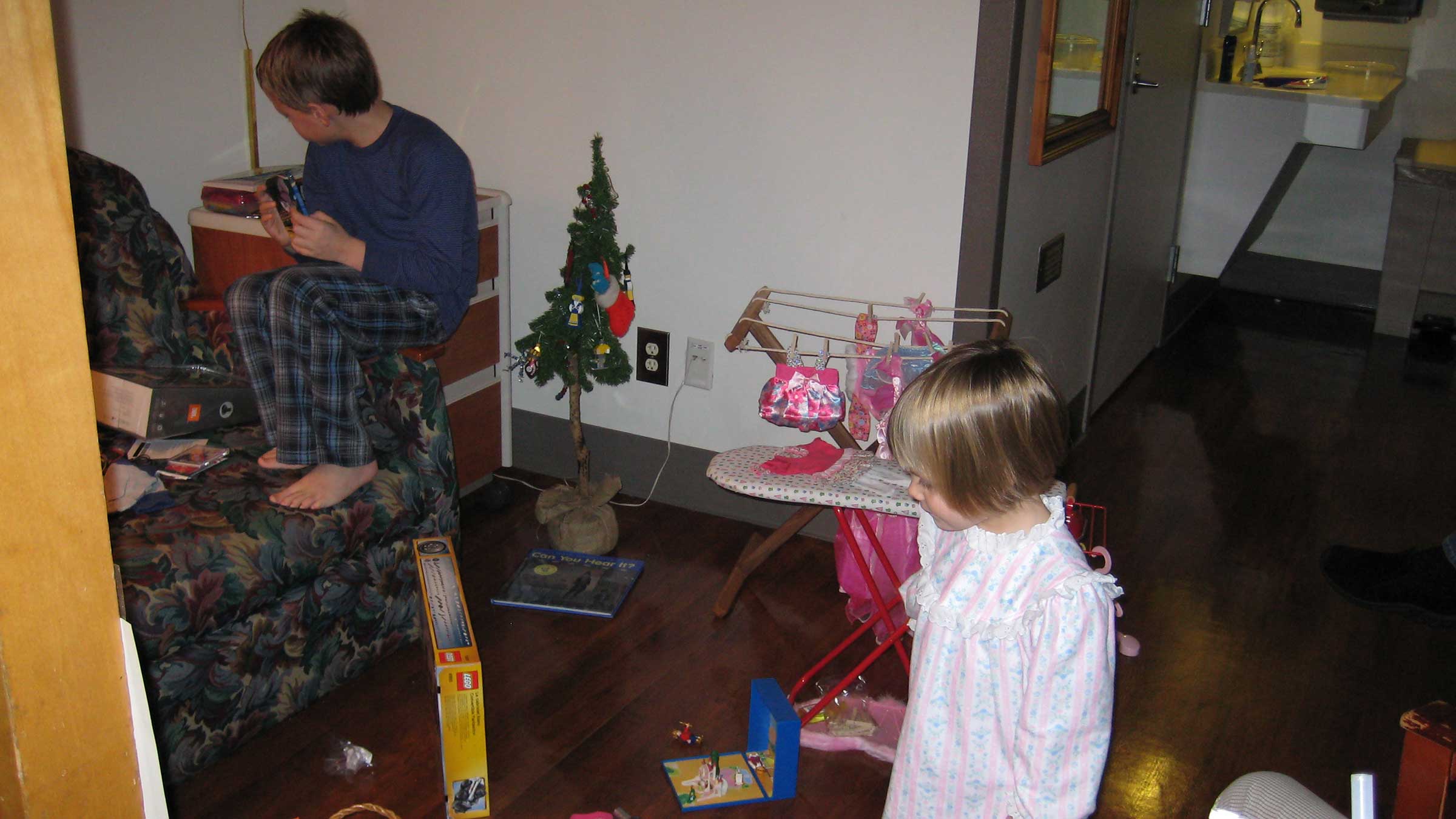
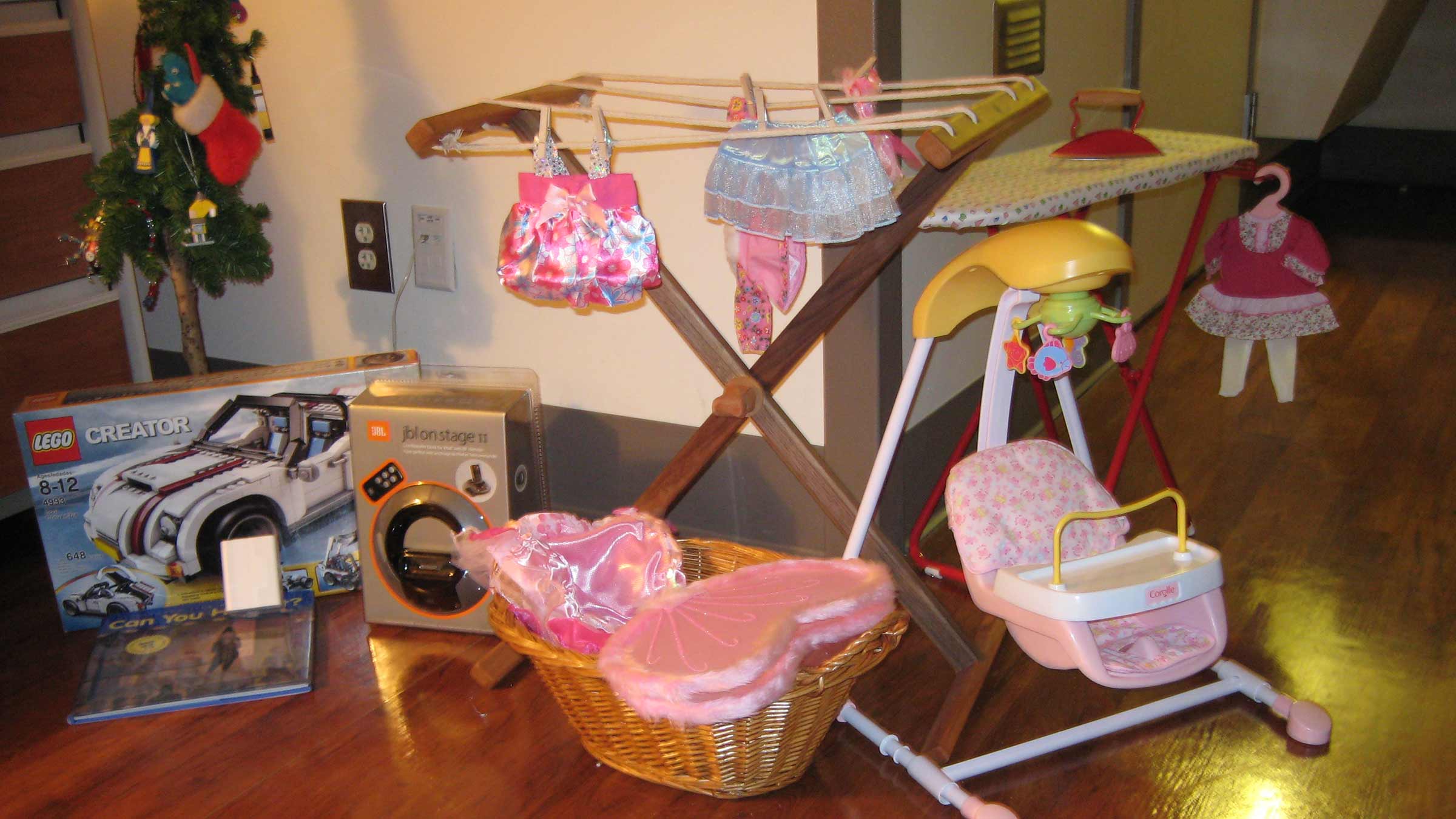
Dr. Tipple’s gratitude extends to nurses and phlebotomists, staff members that helped his family decorate his hospital room for the holidays (including with a small Christmas tree), and a custodial worker whose name is etched in his mind: Odell. “He and I had some very deep conversations about life and faith and other things,” Dr. Tipple says. Odell came to clean his room every day and took the time to talk while going about his work.
“I think it’s the difference between showing up and showing up,” Dr. Tipple says. Everyone involved in his care helped him feel seen.
Facing uncertainty once again
A year after the near-miraculous disappearance of Dr. Tipple’s brain tumor, the kidney he had received shortly before finishing college failed.
“I was devastated,” Dr. Tipple says.
For the next 20 months, Dr. Tipple was on home hemodialysis six days a week. Until his cousin Heidi, a police officer in suburban Seattle, volunteered to give him her kidney.
Dr. Tipple was again admitted to Ohio State, this time for a kidney transplant. Amer Rajab, MD, PhD, performed the operation.
Todd Pesavento, MD, was Dr. Tipple’s nephrologist and provided follow-up care, which unfortunately included organ rejection.
“I just looked Dr. Pesavento in the eye and said, ‘I don’t know, I mean, what’s going to happen? I’m freaking out,’” Dr. Tipple says. Like Dr. Baiocchi a year before, Dr. Pesavento reassured him honestly – the rejection was a severe complication, but it was also treatable.
Thankfully, Dr. Tipple recovered.
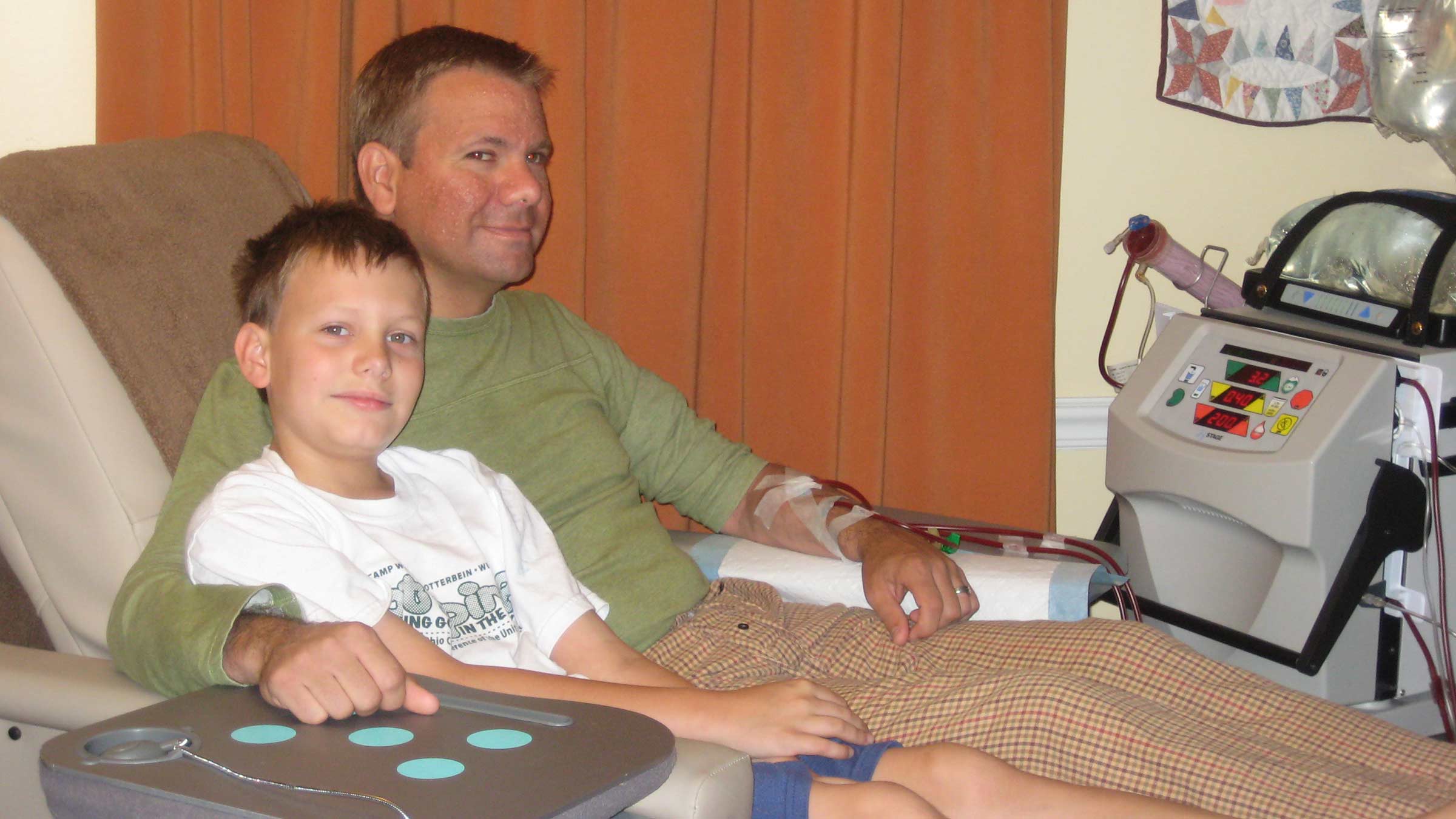
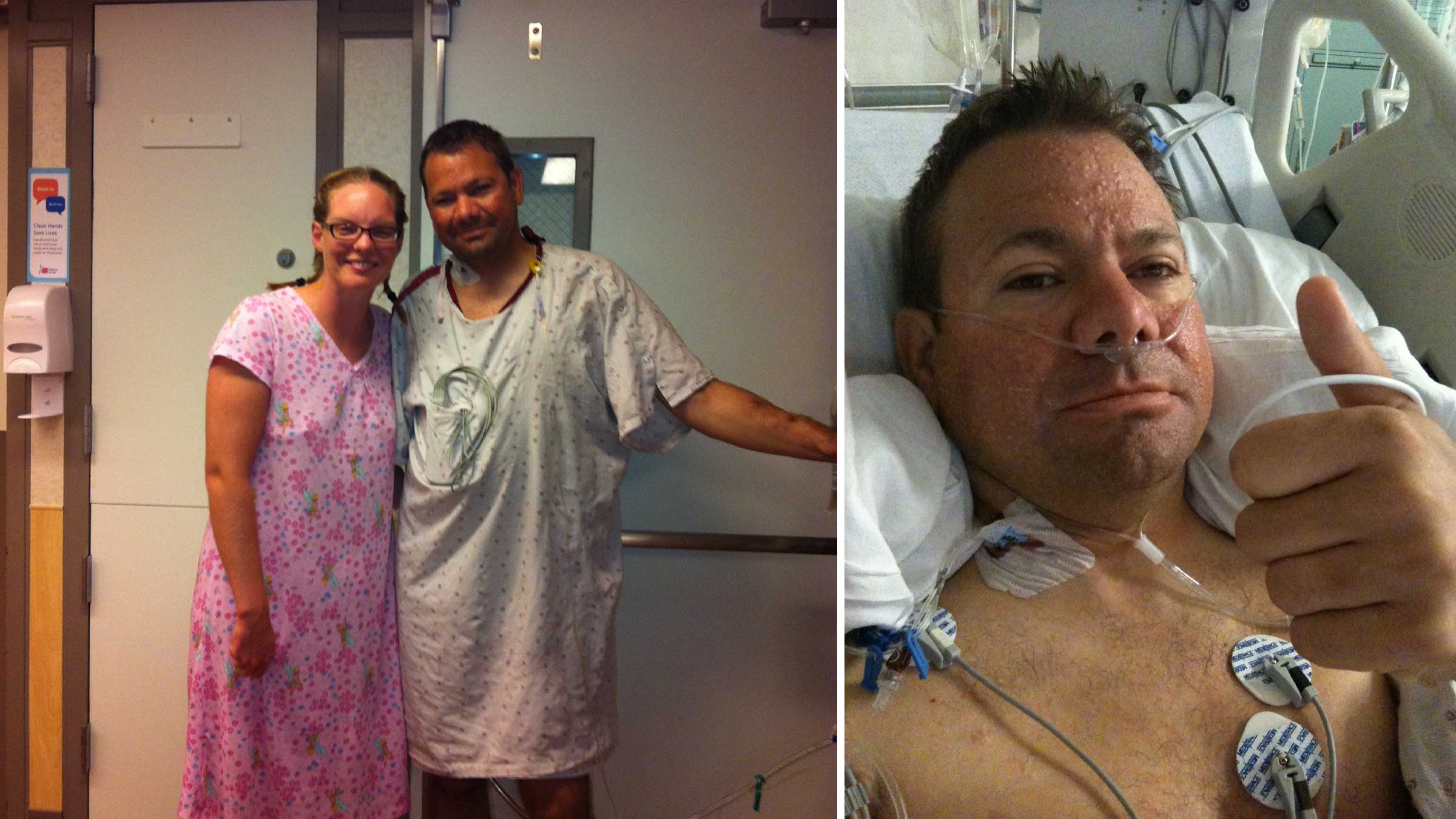
When he considered the next step in his career, and worried about continuing his care elsewhere, Dr. Tipple relied on Dr. Pesavento’s advice.
“He said he would ensure I was handed off to the appropriate person,” Dr. Tipple says.
Fifteen years after his transplant and two interstate moves later, Dr. Tipple continues his care under the physician Dr. Pesavento recommended.
“It all traces back to Dr. Pesavento, who took it upon himself to make sure that we would not only find a suitable person, but an incredible person,” Dr. Tipple says.
“Having treated Dr. Tipple for many years, it was incredibly rewarding to help shepherd him from his darkest times back to a fulfilling life – for himself and his family, and to become a medical leader,” Dr. Pesavento says. “I value the trust he placed in us, which continues to propel us to achieve success for our patients.”
Gratitude in action to maximize impact
Today, Dr. Tipple is Section Chief in Neonatal-Perinatal Medicine, and the Children’s Hospital Foundation Reba McEntire Endowed Chair in Neonatology, at The University of Oklahoma College of Medicine in Oklahoma City.
For him, reflecting on the gift of each moment is as important as expressing gratitude through action. Dr. Tipple says he may never be able to repay every kindness. So, he focuses on paying it forward in both his personal and professional life, as a physician, mentor and leader.
“We live in a society that celebrates individual accomplishment, and the truth is nobody has ever accomplished anything in this world without the help and input of others,” Dr. Tipple says. “We need all hands on deck if we’re going to make an impact.”

Your support fuels our vision to create a cancer-free world
Your support of cancer care and pioneering research at Ohio State can make a difference in the lives of today’s patients while supporting our work to improve treatment and reduce cases tomorrow.
Ways to Give