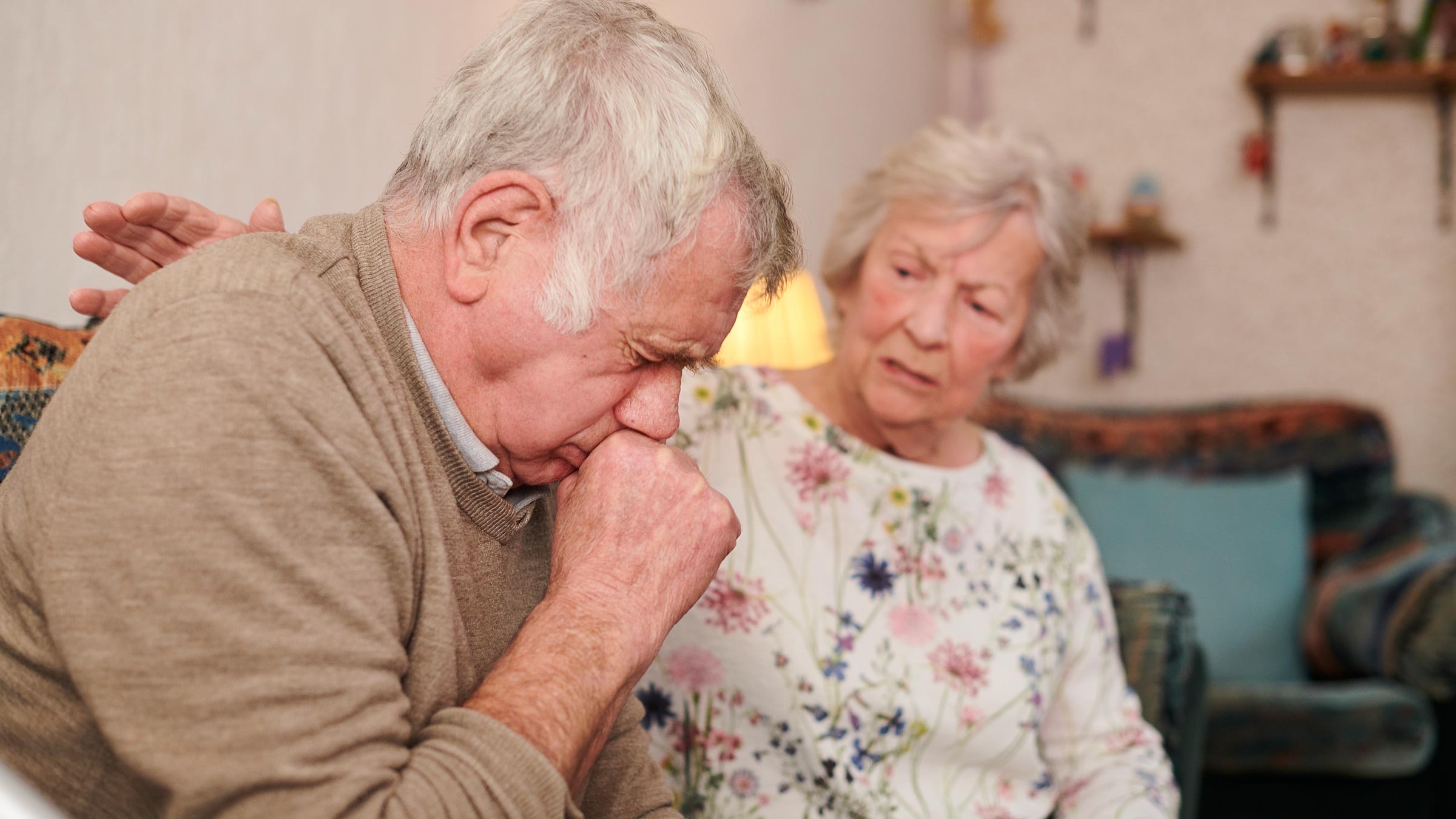
It’s not about feelings of love during the holidays. “Holiday heart syndrome” is another way of describing certain cardiac symptoms that are more likely to appear around weekends and holidays.
What is holiday heart syndrome?
The phrase is used to refer to cardiac arrhythmias, or abnormal heart rhythms, that suddenly happen after certain triggers. This is most often atrial fibrillation.
Triggers include:
- binge drinking alcohol
- overeating salty, fatty foods
- lack of sleep
- high stress
- high caffeine consumption
These activities can raise blood pressure, adrenaline and cortisol levels and increase the strain on the heart, triggering abnormal heart rhythms.
Symptoms of holiday heart syndrome
Symptoms can include:
- a fluttering, pounding or racing sensation in the chest
- fatigue
- shortness of breath
- chest pain
- dizziness
- sweating
- anxiety
It can look and feel like a heart attack.
What to do if you have holiday heart syndrome symptoms
You should seek medical attention right away if these symptoms are new and severe for you. You can seek attention at an emergency department or, if you’re in central Ohio, at Ohio State Heart Express Care.
If these symptoms are left untreated, you could develop heart failure after repeated episodes. This could even sometimes progress to stroke, because the atrial fibrillation increases the risk of developing blood clots forming in the heart and traveling to the brain, resulting in an embolic stroke.
How to prevent holiday heart syndrome
At all times, but particularly during the holidays:
- Limit alcohol consumption
- Stay well-hydrated
- Avoid excess caffeine
- Follow a healthy diet
- Manage stress levels
- Get adequate sleep

Your heart is in the right place
Learn more about advances in care and treatment for patients at The Ohio State University Heart and Vascular Center.
Expert care starts hereLaxmi Mehta, MD, is a cardiologist at The Ohio State University Wexner Medical Center and a clinical professor of Internal Medicine with The Ohio State University College of Medicine.