Teaching innovative ways to cope with stress and life through mindfulness
Community-based mindfulness programs support mental health and increase connection with positive aspects in people’s lives.
As a marketing executive in New York City, Mark Rosen applied the skills he developed from his master’s degree in clinical psychology to business, helping others increase productivity and sales. He says understanding human perception and behaviors helped him influence how people responded to clients’ products and services.
When Rosen’s stress levels hit an uncomfortable high, elevating his anxiety and blood pressure, he knew he needed to explore ways to manage challenges and interactions at work.
“I’m taking my medicine, but my blood pressure still stays up,” Rosen says. “My cardiologist recommends I consider doing cognitive behavioral therapy (CBT) to gain new skills to lessen my reactivity.”
CBT is a form of psychotherapy that focuses on modifying unhelpful thinking patterns, emotions and behaviors that contribute to or escalate larger mental health issues. Rosen set up an appointment, maintained regular sessions and soon found that CBT helped him develop new ways to approach his own thoughts and perceptions. He realized that staying in a job that was so stressful wasn’t worth it, even though it provided financial security.
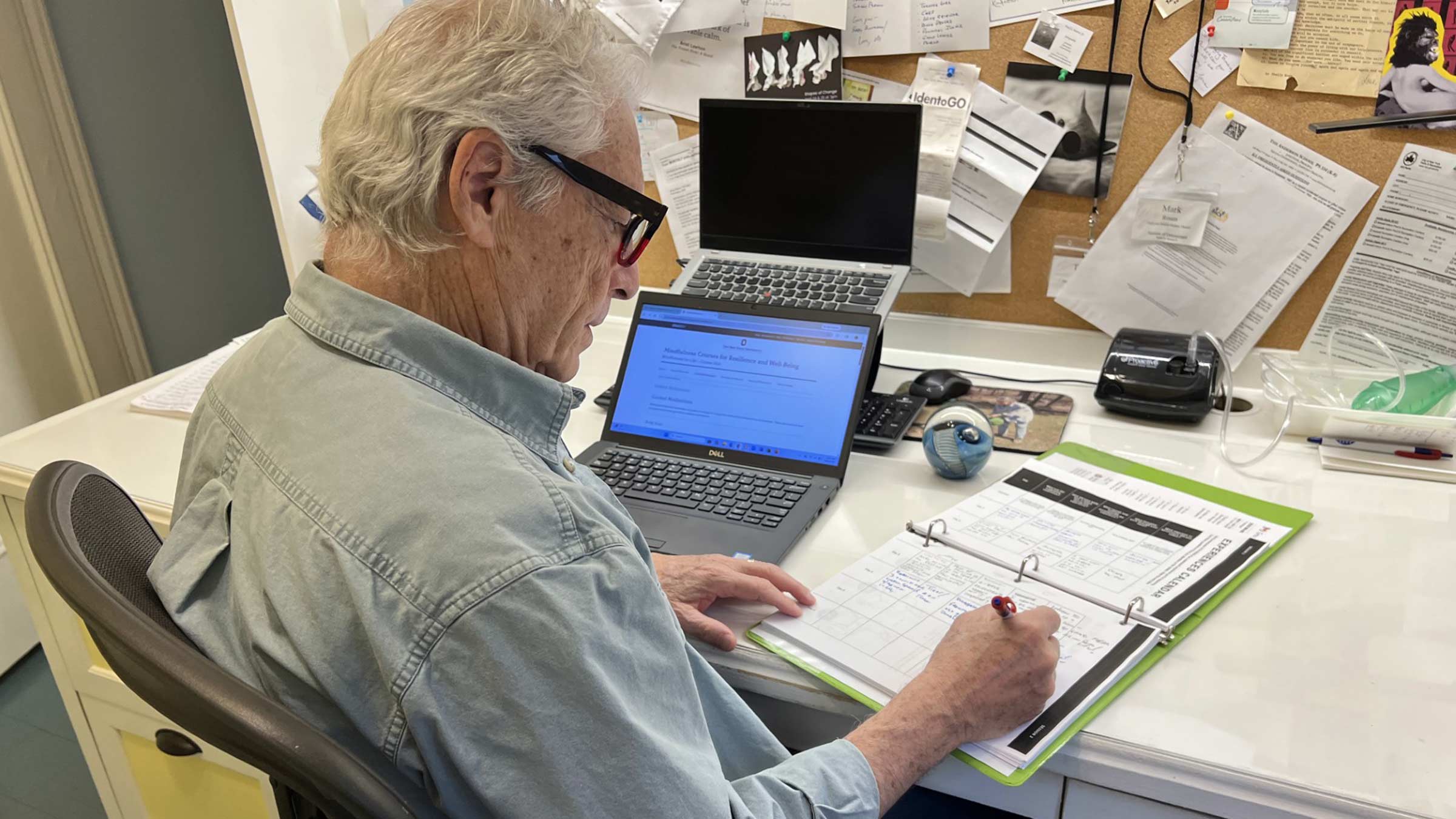
Over time, Rosen’s blood pressure was controlled and eventually, he retired.
“Later, I needed a shot in the arm to make further strides in being a more mindful person,” he says. “And I knew I needed to build a better meditation practice.”
His therapist referred him to a colleague of hers, Sophie Lazarus, PhD, associate professor of Psychiatry and Behavioral Health at The Ohio State University College of Medicine, who had recently expanded a long-standing mindfulness-based program from the clinic into the community. The program helps patients build coping skills to manage anxiety and depression.
Because Mindfulness for Life is offered both virtually and in-person, Mark was able to join from New York. The eight-week virtual course helped him build skills to cope more effectively with stress by being kinder to himself and finding a new path forward in retirement.
A better way to build distress tolerance
In 2017, Dr. Lazarus came to The Ohio State University Wexner Medical Center from Duke University, where she’d undergone training in Mindfulness-Based Cognitive Therapy (MBCT), a treatment developed in the 1990s that combines CBT techniques with mindfulness meditation to help people who suffer from recurrent depression stay well over time.
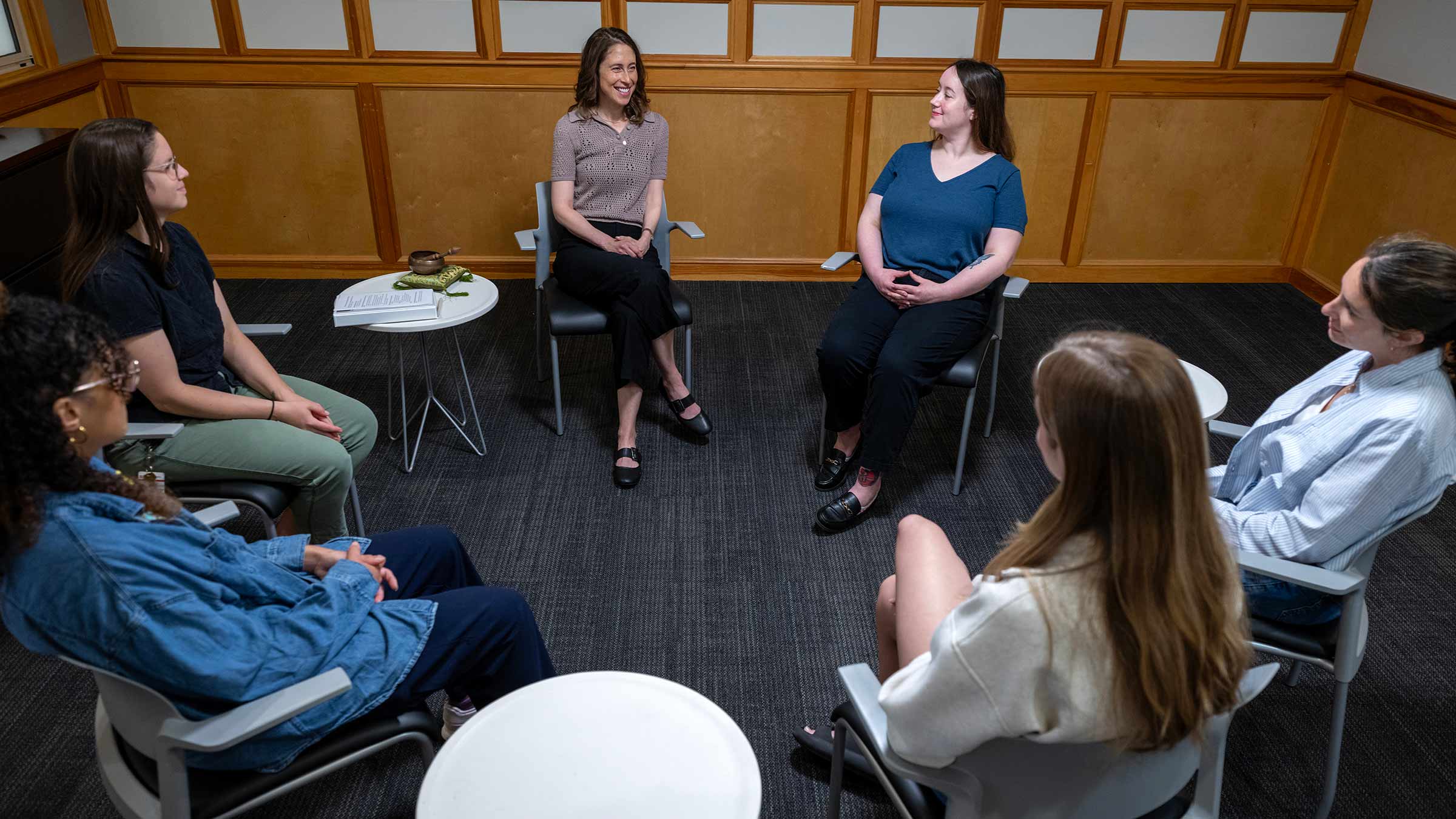
With depression rates still rising in the country despite new treatments, the Ohio State College of Medicine’s Department of Psychiatry and Behavioral Health was in the process of expanding its focus on mood disorders, from treatment of acute difficulties to preventing them from recurring. The focus on relapse prevention aligned with Dr. Lazarus’ clinical, educational and research work. From her beginnings at the Ohio State College of Medicine, her focus was on designing treatment pathways that incorporated new research showing effective ways to help patients stay well long-term by building awareness of habitual thoughts and patterns before they escalated.
“The mind tends to dwell on and get stuck in patterns of negative thinking,” Dr. Lazarus says. “Think of MBCT as an approach that uses meditation to help redirect the brain’s usual pathway that’s wired for negativity by learning to stay present so people can respond and not just react.”
A large body of research that supported MBCT as a proven approach to preventing relapses of depression also helped the approach gain traction.
“Getting certified to teach MBCT myself and training others prepared me to accommodate growing patient volume, and fill a critical treatment gap as there weren’t any existing MBCT programs in the Midwest,” she says.
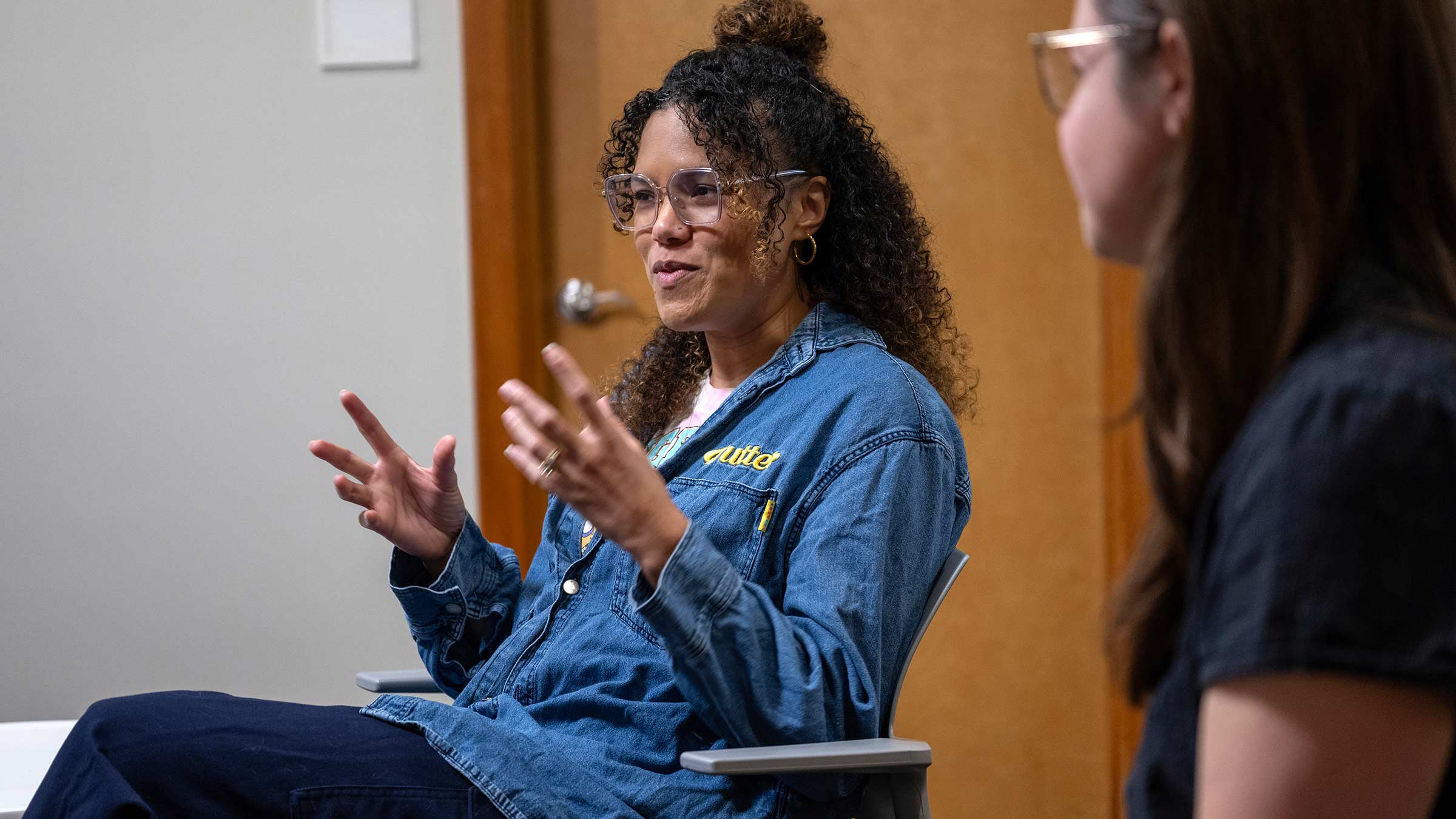
The program continues to help patients live well and stay well. Delivering MBCT in the clinic showed effectiveness in reducing patients’ symptoms of depression, improving their functioning and helping them stay well. Funds from Ohio State’s Jeffrey Schottenstein Program for Resilience, part of the Jay and Jeanie Schottenstein Family Foundation, helped the team expand to offer two new mindfulness courses based on MBCT for nonclinical populations. These courses maintain the core tenets of MBCT while adapting the skills and exercises to focus on building positive coping, well-being and resilience, all while learning to lean into the goodness that already exists but may be overlooked.
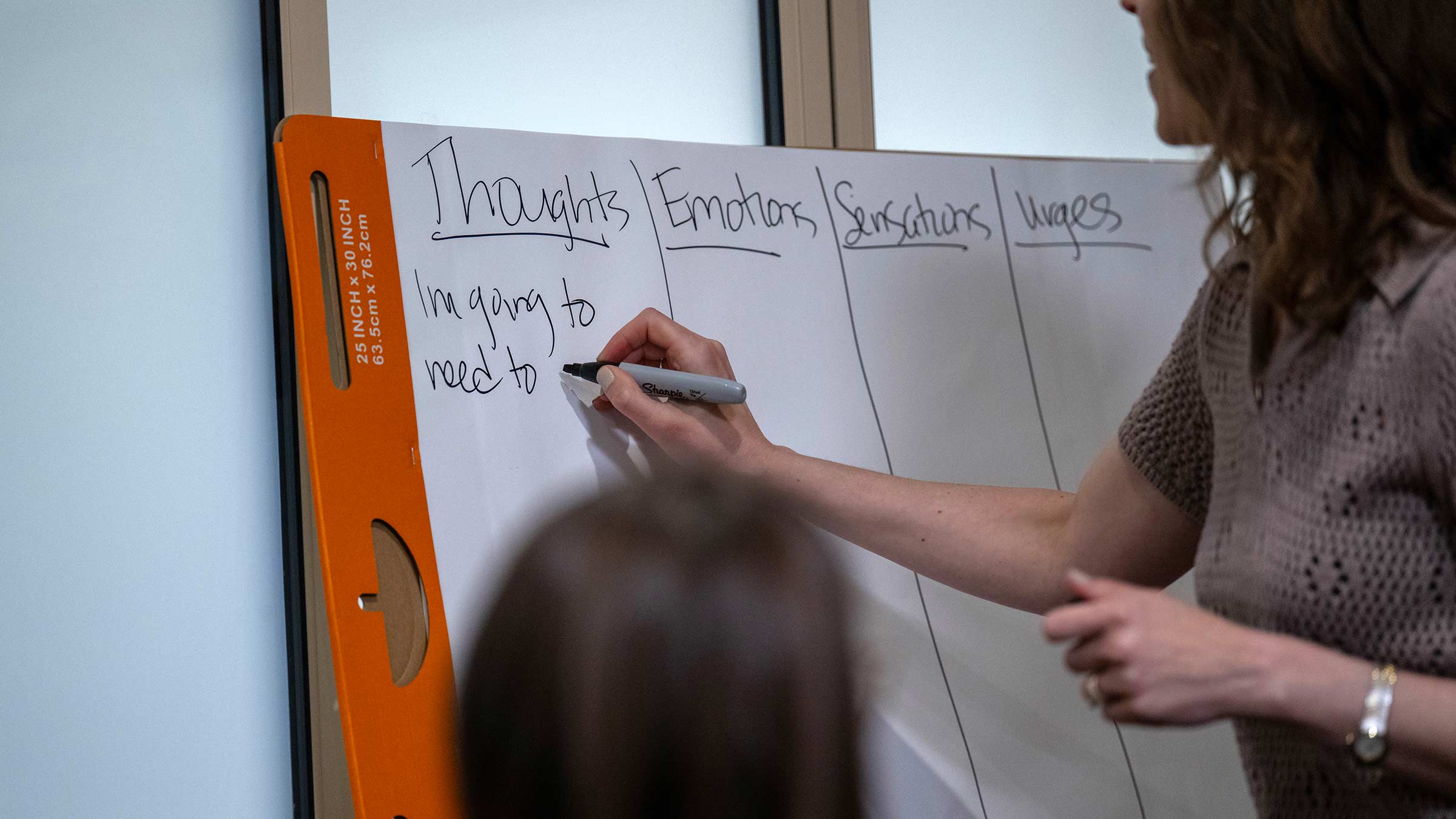
“Think of MBCT as the clinical arm for patients, and Mindfulness for Life and Introducing Mindfulness as the community arm,” Dr. Lazarus says. “Both teach skills that help people get more distance and objectivity from their thoughts, emotions and urges. With the community courses, we hope to prevent mental illness from developing in the first place.”
During the online Mindfulness for Life course, Dr. Lazarus, clinicians and trained mindfulness instructors led Rosen and his group through a variety of new skills – mindfulness and positive psychology principles, body scans, breathing meditation, mindful movement and even assigned homework activities.
He said learning to look at his thoughts as just thoughts, even when they were challenging, helped him view mindfulness as an experiential place and a practice that offered concrete steps to incorporate daily.
“The course flow is so smart, and it builds from week to week. You learn to use behavioral principles to understand and gain and practice new skills to identify patterns of thoughts that aren’t positive,” Rosen says.
This helped him strengthen his ability to be present. Dr. Lazarus says she’s excited to get the word out about these programs beyond the Ohio State community.
“We’re just finally seeing the fruits of all of these years of work in terms of understanding how it's been working in a real-world setting compared to research clinical trials,” she says. “Another course, Introducing Mindfulness, teaches key principles in brief sessions over three weeks and works well for those who don’t have the time to commit to the longer program.”
Attention plus attitude
Dr. Lazarus says that while practicing mindfulness, course participants were learning to be in the moment while strengthening the ability to stay in that space even when it’s unpleasant.
“It’s attention plus attitudes. Mindfulness is paying attention to the present moment with interest and care, nonjudgment and patience,” Dr. Lazarus says.
Rosen said he quickly realized he needed to change his attitude about his difficulty making it through 30 minutes of meditation. His practice was irregular, often interrupted, and he assumed he was the only one who got distracted by a wandering mind.
“I learned that this happens to everybody, and through the class I learned to be a little kinder and gentler to myself,” he says. “I’m very much a ‘tell me what to do, how to do it and walk me through this’ kind of person.”
Guided meditation taught him ways to relax into practice. A community exists for everyone during and after the course, including a free, 30-minute sitting group on Mondays led by a clinician, along with retreat days so that people stay connected with one another and their mindfulness practice.
After the last group meeting, Mark stayed on camera with Dr. Lazarus to share that he’s been trying to understand behavioral patterns previously explored in therapy. He said, “I feel like this course has let me better access some of my emotions, and I'm just so grateful to you.”
This gratitude lives on in providers and participants.

Find your path to mindfulness.
Ohio State offers mindfulness courses for resilience and well-being.
Learn more